hero media

Incredible museums and galleries to visit before you die

If your lot in life is to visit the most beautiful museums and galleries from around the globe, then boy do we have a treat for you. Take a glimpse inside the world’s most beautiful museums and galleries, from the classics and the headliners to the weird and wonderful.

1. Te Papa Tongarewa, Wellington

Te Papa literally translates to ‘container of treasures’. Inside New Zealand’s national museum, that’s exactly what you’ll find.

Te Papa has been pulling together art and artefacts that encapsulate the heart of a nation since 1992. It spans six storeys, weaving together the nature, histories, identities and cultures of the land the museum stands on. Here, there’s no trace of the pomp and propriety often associated with a national museum – Te Papa sets itself apart with displays that are interactive, creative and fun.

From a vast collection of Māori artefacts to iconic works of contemporary art, the museum showcases the heart and soul of New Zealand/Aotearoa with personality and passion.
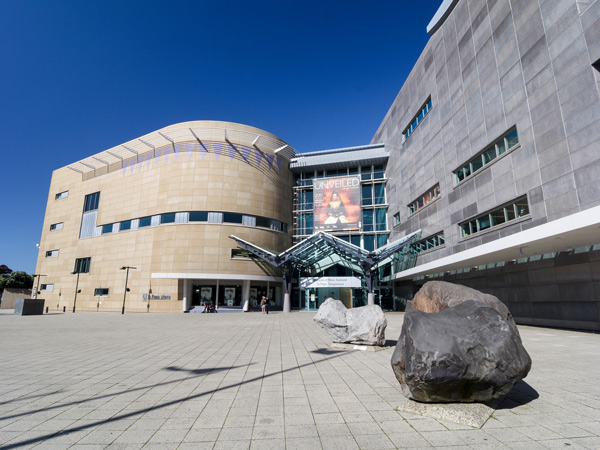
Te Papa Exterior in Wellington
Te Papa showcases the heart and soul of New Zealand/Aotearoa. (Image: Gerhard Zwerger-Schoner)

Waterfront walk

Te Papa backs onto Wellington’s glorious harbour. Be sure to complete your visit with a stroll along the promenade, taking in the sculptures dotted along the water’s edge by various local artists. A highlight is the Water Whirler, designed from a 1960s sketch by renowned kinetic sculptor, Len Lye. The structure comes alive multiple times a day, using jet streams and motion to create mesmerising water patterns.
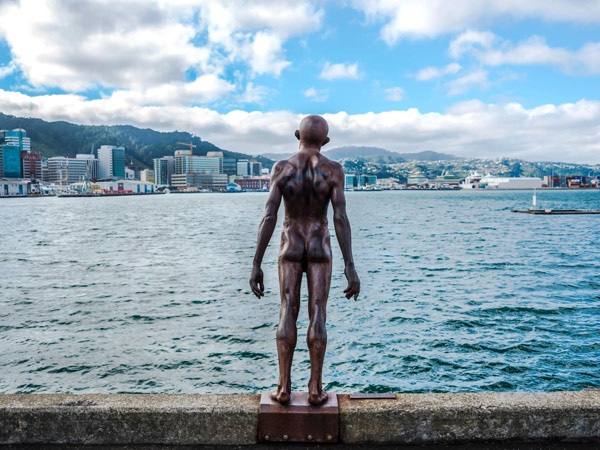
The Solace of the Wind sculpture Te Papa, Wellington New Zealand
The Solace of the Wind sculpture is a highlight of the waterfront walk. (Image: Stephen Fleming)

Exhibitions on now

  1. Mataaho Collective: Te Puni Aroaro – four wāhine (female) Māori artists collaborate on a series of installation works that explore the histories of water, light, atua (gods) and wāhine Māori.
  2. Dane Mitchell: Iris, Iris, Iris – centred around the homonym ‘iris’, this exhibition poetically intertwines the iconography of iris flowers and eyes through an evocative display of perfumes, visuals and textures.
  3. Gallipoli: The Scale Of Our War – this exhibition brings the Gallipoli campaign to life by allowing visitors to journey alongside eight men who lived it, using world-class artistry, audio and human sculptures at 2.4 times the scale.
  4. Colossal Squid – Te Papa stakes claim to the only colossal squid on display in the world. Visitors can encounter this incredibly rare creature of the sea, which weighs in at a whopping 500 kilograms.
  5. Kaleidoscope: Abstract Aotearoa – This exhibition showcases how shape and colour have influenced South Pacific artists – it’s a refreshing look at abstract art outside the European framework that it’s oft confined to.
  6. Mana Whenua – Meaning ‘people of the land’, this exhibition explores Māori culture and identity with reference to traditional crafts, historic treasures and contemporary artworks.
  7. Te Taiao/Nature – New Zealand’s nature draws visitors from all over the world. Get acquainted with it at this exhibition that alchemises science with Indigenous knowledge.
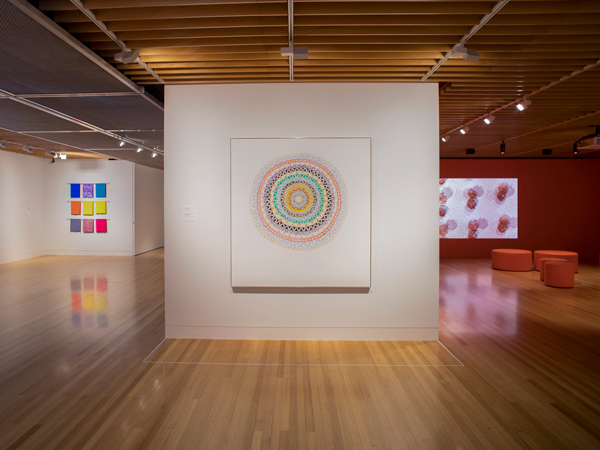
Kaleidoscope: Abstract Aotearoa exhibition at Te Papa in Wellington NZ
Kaleidoscope: Abstract Aotearoa is a refreshing look at abstract art outside the European framework that it’s oft confined to.

2. Guggenheim Museum, Bilbao

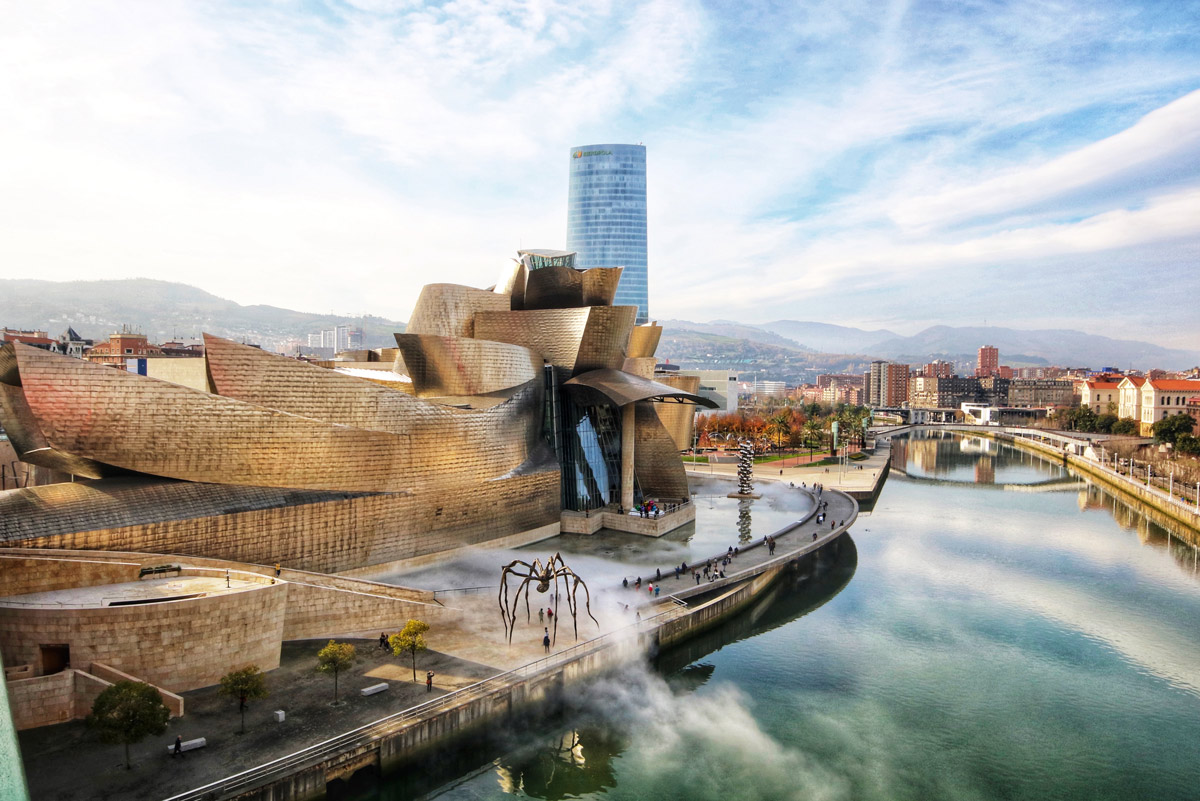
Designed by world-renowned architect Frank Gehry, Bilbao’s Guggenheim Museum has transformed the economic and cultural fortunes of this formerly down-on-its-luck industrial port city in Spain’s Basque Country since it opened 21 years ago.

Today, the striking structure is an architectural landmark whose rippling titanium sails warrant a visit in their own right – as do the artworks that sit on their periphery: Louise Bourgeois’ sculpture Maman (pictured inset) is a nine-metre-tall spider rendered in bronze, marble and stainless steel and Jeff Koons’s Puppy is a giant Westie carpeted in flowering plants.

But there’s plenty to explore inside the gallery too. The Guggenheim Bilbao – like its New York and Venice counterparts – houses a world-class collection of modern art including works by Andy Warhol, Yves Klein, Gerhard Richter and Basque masters Eduardo Chillida and Jorge Oteiza; there’s also fine food, ‘art after dark’ nights and plenty to keep children and families happy.

You’ll find international art, design and photography books at this gallery store, alongside unique pieces by local designers: think sunnies by Madrid-based handcrafted wooden eyewear brand Nina Mûr or a silk scarf inspired by Koons’s Puppy made exclusively for the gallery by Spanish designer Miriam Ocariz.
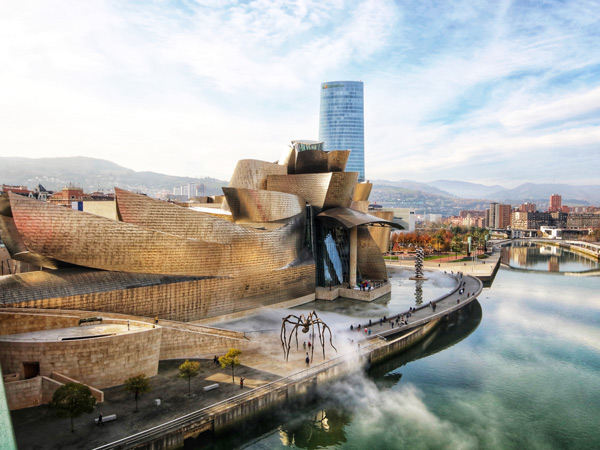
The Guggenheim museum in Bilbao, Spain
Bilbao’s Guggenheim Museum has transformed the economic and cultural fortunes of this formerly down-on-its-luck industrial port city. (Image: Jorge Fernandez)

3. The Louvre, Paris

The biggest art museum on the planet and the former royal palace in the heart of France’s capital city needs little introduction.

Carve out a day – or three – to explore the awe-inspiring Louvre, a former fortress turned royal palace turned art museum located on the right bank of the River Seine, in Paris’s 1st arrondissement. It’s home to a staggering number of works that span 5000 years of history: you’ll find treasures of ancient civilisations, medieval marvels, Michelangelos, Vermeers and Da Vincis (including the world-famous Mona Lisa) within its maze of galleries.
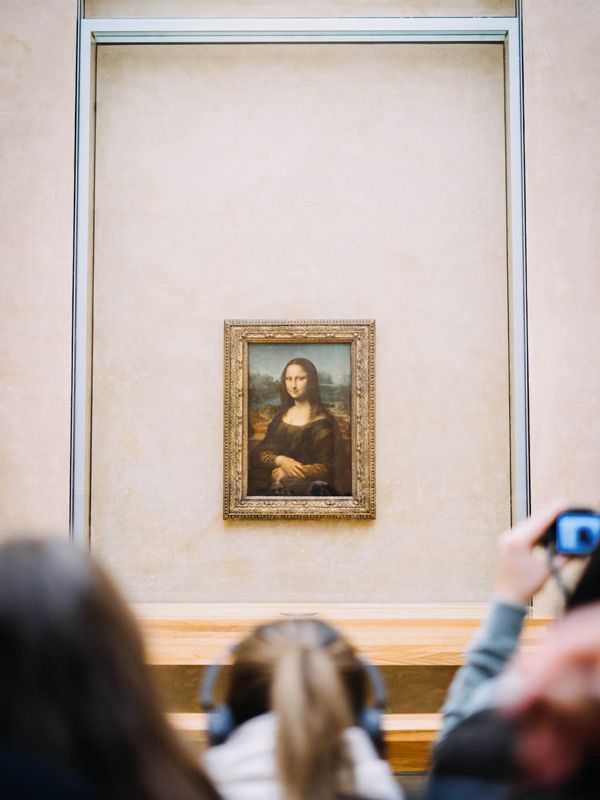
Mona Lisa amongst the crowd in the Louvre, Paris
The Mona Lisa is the Louvre’s most iconic piece. (Image: Zach Dyson)

A more modern intervention, the Louvre’s now-iconic glass pyramid (which serves as the museum’s main entrance) turned 30 in 2019.
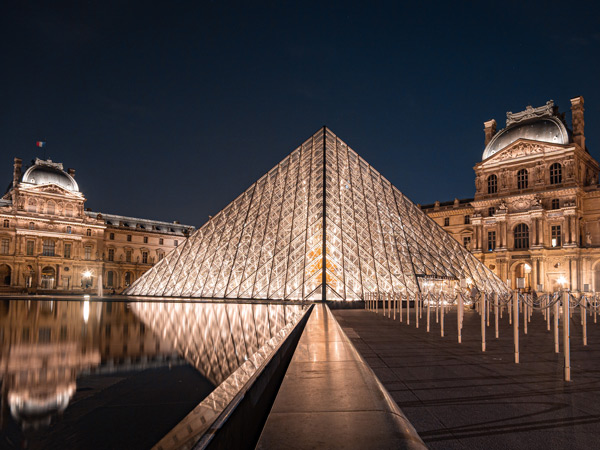
The Louvre pyramid at the main entrance in paris
The Louvre’s pyramid turned 30 in 2019. (Image: Michael Fousert)

4. Victoria & Albert Museum London

What’s it all about?

The Victoria & Albert Museum, located in the ‘museum mile’ of South Kensington, draws huge audiences for its blockbuster exhibitions that celebrate the power of creativity, art, design and performance.

Founded in 1852, this grand Victorian building was known as the South Kensington Museum until 1899 when it was renamed in honour of Queen Victoria and her husband Prince Albert and their role in the establishment of its new buildings.

The original Victoria & Albert Museum was designed to be a work of art in itself and each broader V&A building within the family embraces the same ethos: “To educate and inform designers, manufacturers and the public in art and design."
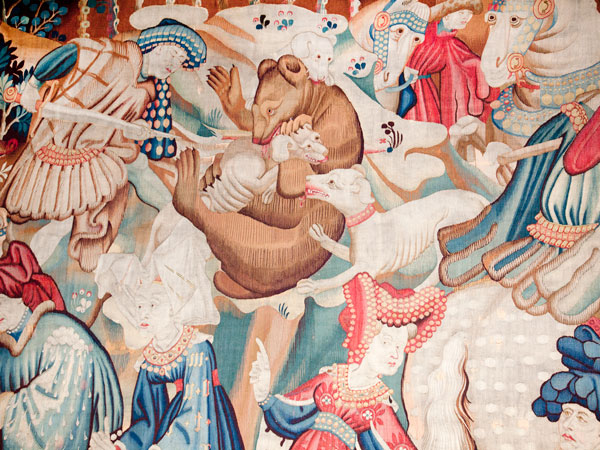
ancient tapestry depicting bear hunt early fifteen century england
‘Boar and Bear Hunt’ ancient tapestry displayed at Victoria & Albert Museum.

Visitors who tour the world-class London institution willingly get lost in the labyrinth of grand galleries filled with a rotating roster of edgy exhibitions and innovative installations.

The collections span 5000 years of human creativity: expect everything from sensual Renaissance-era marble sculptures to notebooks featuring the scribbles of Leonardo da Vinci, as well as fantastic contemporary fashion collections.

The heart of this historic London museum has been redeveloped as part of the new $97 million-dollar Exhibition Road Quarter, which has reimagined the relationship between the museum and the street.
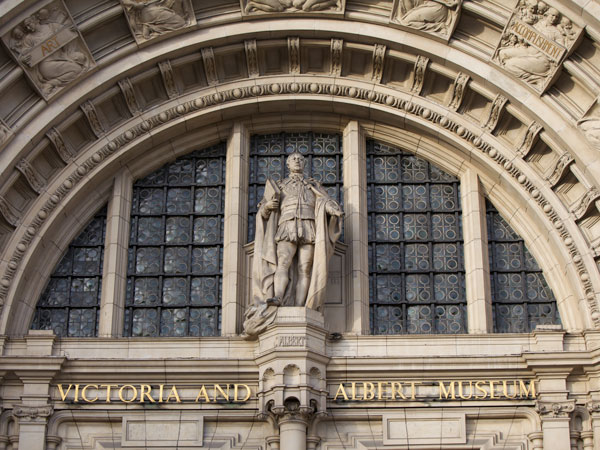
a statue on the stunning facade of Victoria & Albert Museum London
The Victoria & Albert Museum channels the Italian Renaissance architecture style.

5. The Natural History Museum, London

A temple to the natural world forged at a time of unparalleled scientific discovery in the late 19th century. This is the Natural History Museum.

Housing the largest such collection of its kind in the world with over 80 million natural specimens, this grand old institution started out as an offshoot of the British Museum before it was decided a proper temple to nature warranted its own place in London.

Architect Alfred Waterhouse was tasked with building a cathedral to the natural world, which opened to visitors in 1881. His creation is so unique, adorned with curious animal gargoyles and decorated with botanical motifs that, perhaps more so than any other museum, it’s worth visiting for the architecture alone.
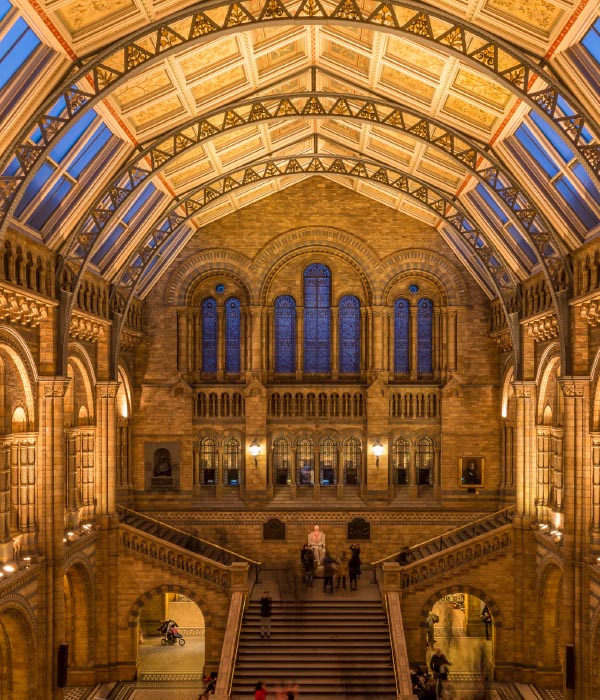
London’s Natural History Museum is recognisable by its entrance alone

6. Qaumajuq, Winnipeg, Canada

This brand-new gallery ‘brings the north to the south’ with the largest collection of contemporary Inuit art in the world.
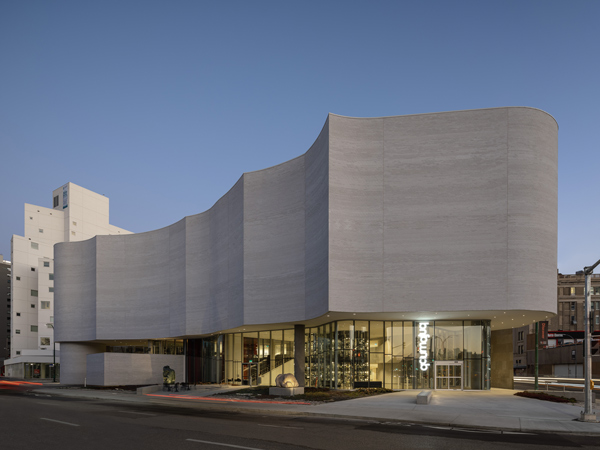
Qaumajuq in Winnipeg Art Gallery’s striking Inuit art centre
Qaumajuq is the Winnipeg Art Gallery’s striking Inuit art centre.

What’s it all about?

Opened in 2021, Qaumajuq (pronounced KOW-ma-yourk) projects from the Winnipeg Art Gallery (WAG) like a glittering granite iceberg; the interior is equally evocative of Canada’s sparsely populated northern territories.
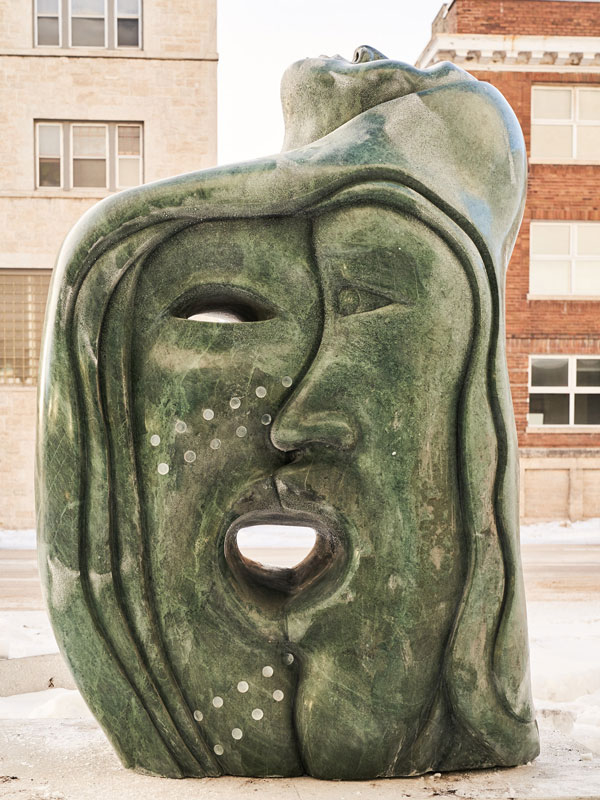
Goota Ashoona’s Tuniigusiia/The Gift
Goota Ashoona’s Tuniigusiia/The Gift. (Image: Courtesy of the WAG)

Both galleries are flooded with natural light (hence the name, which means “it is bright, it is lit" in Inuktitut) and close to 14,000 pieces of contemporary Inuit art span everything from stone and whalebone carvings to geometric prints, icon-like textiles and mixed media installations (the inaugural exhibition even featured a spacesuit made of sealskin).

Jerry Cans by Tarralik Duffy
Jerry Cans by Tarralik Duffy (Image: Courtesy of the Artist)

As a result, there’s no better place in the world to get an overview of the major themes running through contemporary Inuit art, as well as the sheer variety of artists and styles.
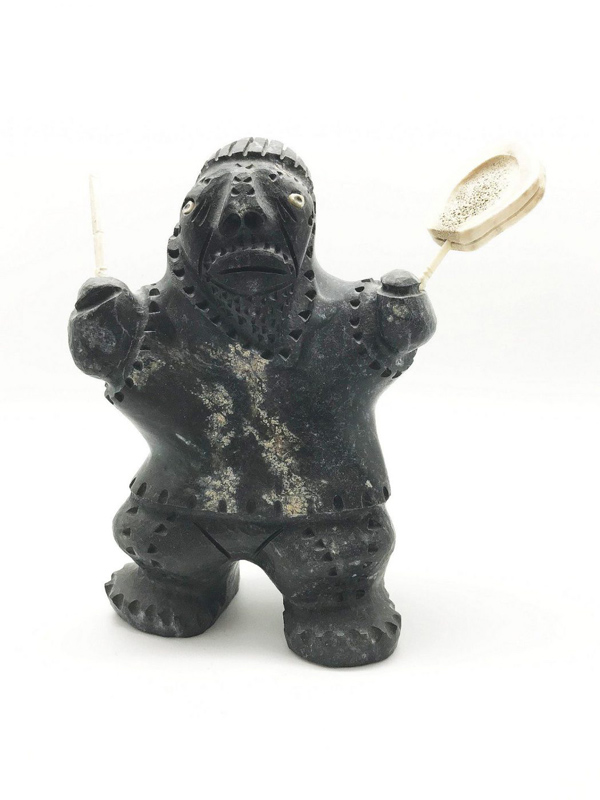
A carved drummer by Andrew Palongayoak of Gjoa Haven, Nunavut
Purchase a unique memento from the gift shop. (Image: Andrew Palongayoak)

Exit through the gift shop

A broad range of carvings, prints and wall hangings from exhibiting artists makes the WAG gift shop one of the best places to buy Inuit art in the entire province. But if there’s no room for a whalebone carving in your luggage, you can also find hats, shirts and hoodies decorated with details drawn from works in the collection.
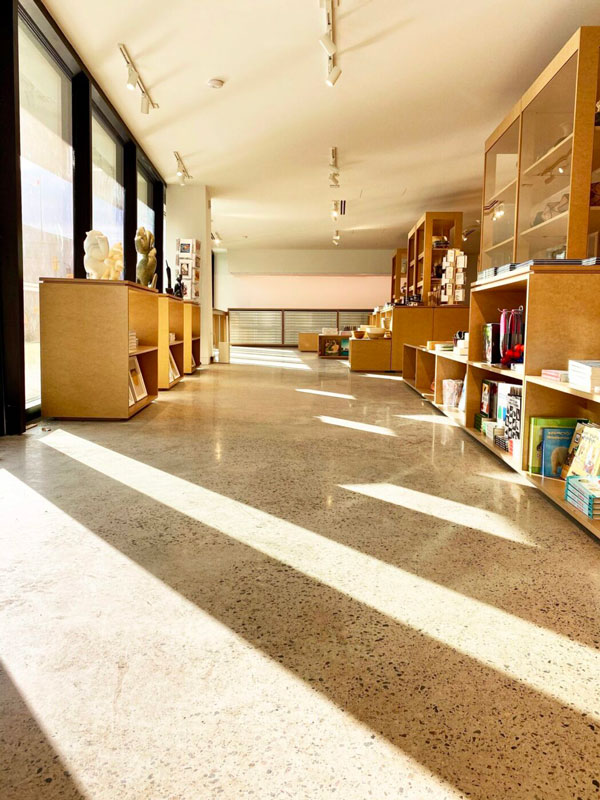
the New Gallery Shop at the Winnipeg Art Gallery
Don’t skip the gift shop. (Image: Sherri Van Went)

On the street

The Inuit are just one of many Indigenous groups in modern Canada; head a few blocks north-west of Qaumajuq and you’ll find traditional First Nations ingredients from around Winnipeg featured in modern Canadian dishes at Indigenous-owned Feast Cafe Bistro.
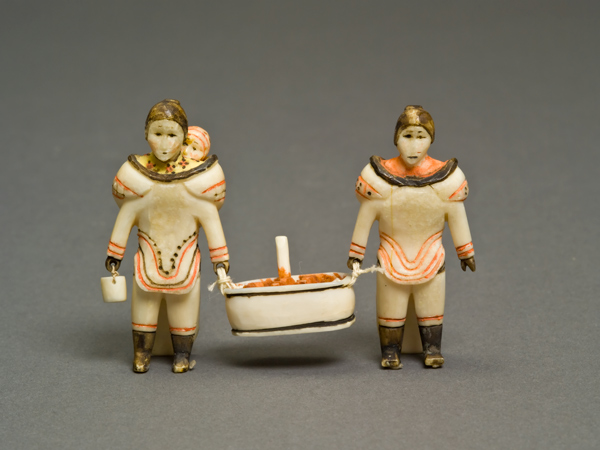
an art piece from the Inuit Sanaugangit
A piece from the Inuit Sanaugangit: Art Across Time exhibition.

Think pickerel sliders served on traditional bannock (flatbread) buns and steaming bowls of ramen, packed with braised bison and wild rice-flour noodles, all floating in a sweet-grass miso broth.
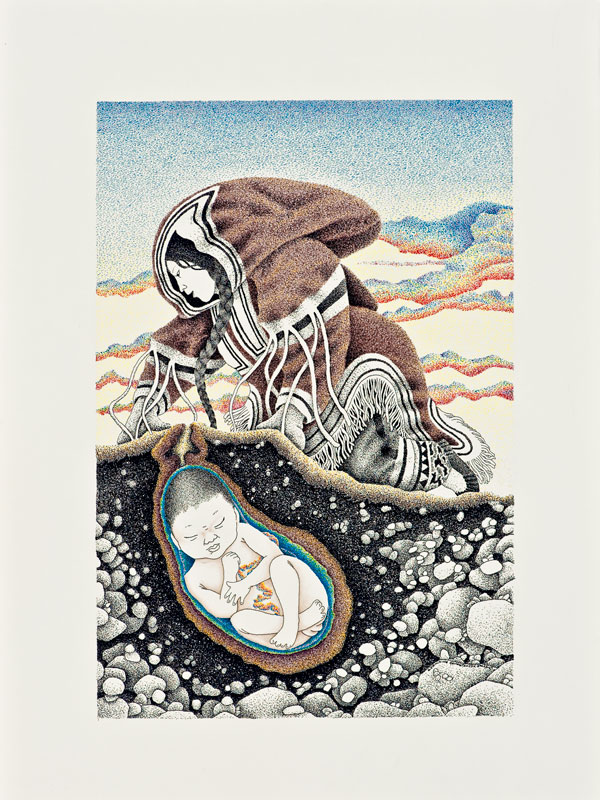
Germaine Arnaktauyok’s Mother Earth
  1.  Take a minute before you step inside to admire the monumental sculptures out the front, including a bewitching green marble piece titled Tuniigusiia/The Gift that transforms as you walk around it, changing from a mystical mermaid figure to a tattooed mother teaching her daughter how to sing.
  2.  The Visible Vault is a soaring three-storey glass vault displaying almost 5000 stone and ceramic sculptures. Follow the sinuous curved walls and you’ll notice images of everyday life in the Arctic interspersed with hunters stalking muscular polar bears, mysterious sea spirits and multi-headed shamans taking animal form.
  3. Artist Kablusiak melds dry wit and nostalgia in Surprise Bag, a strikingly contemporary pop art lucky dip of stone lollies, colourful stickers and a temporary tattoo that reads ‘kiss my ass backwards’ in Inuktitut.
  4. You could easily spend half an hour unpicking the details in Adam Alorut’s mesmerising Hunter and his Thoughts. It depicts a black stone figure kneeling between the tusks of a giant walrus skull covered in carvings of hunters and their prey, mystical animal beings and a companion trapped inside a terrifying spirit.

Weekly travel news, experiences
insider tips, offers,
and more.

On now

  • The sprawling Inuit Sanaugangit: Art Across Time exhibition showcases the diversity of Inuit ancestor cultures with archaeological artefacts stretching back 2000 years.
  • Tarralik Duffy’s Gasoline Rainbows is a playful look at contemporary community life peppered with images both remembered (leather jerry cans) and imagined (whale blubber bubblegum).

7. Robben Island, Cape Town

The Alcatraz of South Africa, as Robben Island was known, housed around 3000 long-term political prisoners in the days of Apartheid. Here, Nelson Mandela served 18 years of his life before he was elected president of the nation. today, a guided tour speaks of human spirit.

What’s it all about?

After the half-hour ferry ride from Cape Town’s V&A Waterfront to Robben Island (Dutch for ‘seals’), you’ll first notice the thousands of Cape cormorants turning the anchored seawall into a structure that ripples and teeters with their activity. It’s a sombre place, desolate and raw, cloaked in a gloom of industrial green walls and captivity, even on a sunny day. But the message here is one of triumph and the strength of human spirit. Tours are led by former prisoners, all older gentlemen, like soft-spoken Henry Vuyani Conjwa, who leads us around the former penal institution with the reverence of a curator. There are spaces for keeping inmates separate; such was the way of the institutionalised apartheid, where race classifications determined everything from the food one received to the clothing one wore and the amount of shade one was granted in the yard.
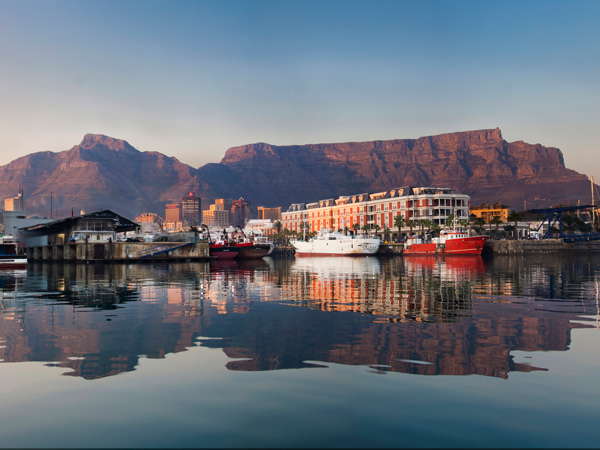
the waterfront view of Cape Town
You’ll find the Nelson Mandela Gateway to Robben Island within the thriving waterfront V&A precinct. (Image: Santjie via Getty Images)

Further Afield

The Nelson Mandela Gateway to Robben Island is within easy reach of the thriving waterfront V&A precinct. There are hundreds of shops and restaurants here, including the Zeitz MOCAA (Museum of Contemporary Art Africa) and The Watershed market, a craft and design space stocking more than 300 local brands that you simply cannot miss.
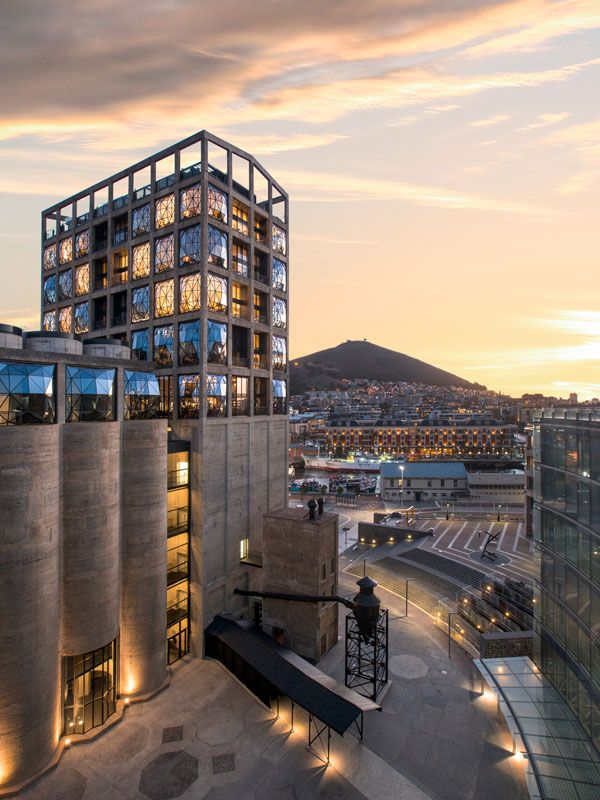
the exterior of ZeitzMOCAA (Museum of Contemporary Art Africa)
The Zeitz MOCAA is exclusively dedicated to African artists. (Image: Wianelle Briers)

Don’t miss

Mandela’s Cell

A bulb burned day and night above the tiny 2×2.5-metre cell where Mandela’s possessions were few: a thin floor mat, blanket, toilet bucket, tin cup and plate. Known as Prisoner 46664, there was no glass in Mandela’s barred window in the maximum security section where he was held.

a portrait of Nelson Mandela raising his fist
Nelson Mandela was sent to prison on Robben Island twice. (Image: Francesco Gustincich/Alamy)

The B Prison Yard and Garden

The future Nobel Prize winner tended the vegetation here, that which could survive on hope and neglect. He clandestinely worked on his manuscript for The Long Walk to Freedom, which he buried in his ‘garden’, and devised an elaborate plot with fellow prisoners for editing and transcribing.
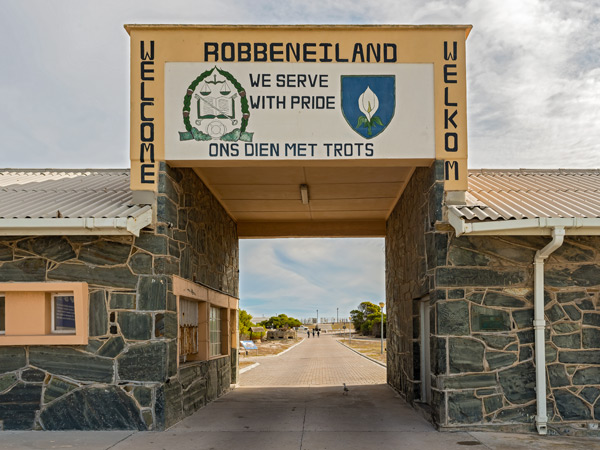
the prison entry on Robben Island
Step into the prison yard. (Image: Ivy Carruth)

The coastal views

Because Robben Island lies only 10 kilometres from Cape Town, the view of Table Mountain and the city skyline is glorious and uninterrupted on a clear day. The shore where the views are best is littered with countless illegally poached abalone shells washed up onto the sand, a sea of blue and pink iridescence.

The prisoners’ stories

A brass trumpet sits forlornly in a Perspex-fronted case, donated by a former inmate alongside his tale of how it came to be. Many of the rooms in maximum security, where the most charismatic saboteurs were housed away from those they could influence, hold similar artefacts and narratives.
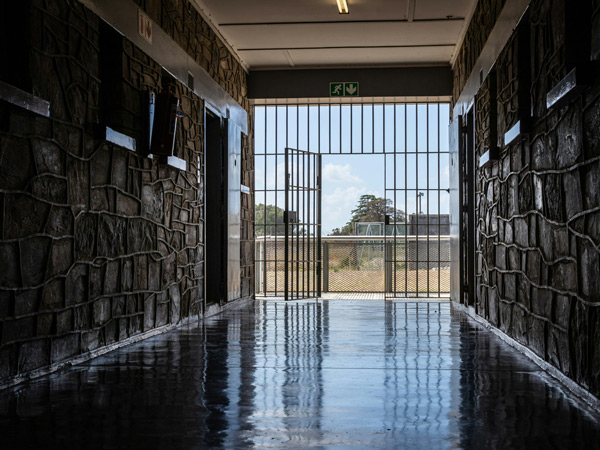
behind bars at the prison cell on Robben Island
Explore behind bars on Robben Island. (Image: Grant Durr)

Drive by

All tours on the island include the leper’s graveyard (the island was a leper colony from 1846 to 1931), the lime and bluestone quarries where the incarcerated toiled in punishing conditions, plus the army and navy bunkers. Pan-African Congress leader and dissident Robert Sobukwe was imprisoned here for six years from 1963, where he lived in solitary confinement. His quarters, which are on the tour, are nicer than most.

Visit southafrica.net or adventureworld.com to map out an itinerary.

Want to see more stories from International Traveller in your Google search results?

  1. Click here to set International Traveller as a preferred source.
  2. Tick the box next to "International Traveller". That's it.
hero media

The golden era of travel is now, and these 13 experiences prove why

    Leanne Archer Leanne Archer
    From sophisticated new sleeper trains and opulent hotel openings to the exploration of new frontiers, we’re now finding ourselves in our own gilded era of travel. These 21st-century travel experiences are leading the way.

    If we were to turn back the clock 100 years, there was a real romance to travel – the dawning of a glamour-filled jet age, refined rail sojourns and first-class cruising where the voyage itself trounced the destination.

    We’re feeling a similar excitement in the air about travel in 2026. Think state-of-the-art cruise liners allowing access to destinations formerly off-limits, resort launches where avant-garde architecture takes centre stage, and a return to the days of luxury locomotives. This reoccurrence of the advances, adventure and elegance of a bygone era has not only come full circle; it’s now superior.

    How? Travel has become more mindful, intentional and accessible. This includes environmental initiatives by operators determined to leave less impact on the planet and a shift towards a deeper cultural exchange with the local communities we visit. Whether it’s exploring previously hard-to-reach cities such as Uzbekistan’s Khiva, staying with a family to experience village life in Nepal or discovering new frontiers in Antarctica, our round-up of ‘new golden age’ travel experiences is a snapshot of how we are travelling today, as well as into promising new horizons.

    Exploring the emerging city of Khiva

    Khiva, Uzbekistan
    The walled inner city of Khiva, Uzbekistan. (Credit: Getty/Mlenny Khiva)

    Uzbekistan’s Silk Road city of Khiva used to be off the radar for many travellers, but 2026 has changed all that. You can thank a new bullet train service connecting Khiva to Bukhara and Samarkand, slashing the trip from the capital of Tashkent from 15 hours to under eight. Add renovations to Urgench International Airport, and interest in this fascinating city is rapidly on the rise.

    Quick to react has been Golden Eagle Luxury Trains and The Samarkand Express which have added Khiva to their 2026 rail itineraries, while Cox & Kings has included the Central Asian city to its multi-country 2027 ‘Stans’ itinerary.

    Check out Khiva’s preserved inner-walled fortress, the first UNESCO site in Uzbekistan, explore ancient minarets and ornate mausoleums, and try traditional fare at Terrassa Cafe & Restaurant. Looking for fancy digs? The Mercure Khiva is due to swing open its doors later in 2026.

    Riding the rails on the Eastern & Oriental Express

    inside the Eastern & Oriental Express
    Onboard the train, rich fabrics are complemented by elm, cherrywood and teak marquetry. (Credit: Ludovic Balay)

    Recapture the romance of rail travel through the tropics of Southeast Asia on the refurbished Eastern & Oriental Express, A Belmond Train, Southeast Asia.

    The resurgence of train travel reflects how we are travelling today – slower and with a new appreciation for both scenery and cultural exchange. Include a large dollop of old-world glamour, and the three-night Wild Malaysia tour truly delivers. Winding its way deep into the Malay jungle, the journey makes plenty of pit stops for exploration along the way.

    Having been resurrected from a 1970s sleeper, the luxury locomotive now comes replete with plush interiors of hand-cut marquetry dressed in oriental silks and embroidery – there’s even a Dior Spa. Watch the world go by from the Observation Car, indulge in fine wining and dining, kick up your heels in the Piano Bar, then snooze it all off in your sumptuous sleeper car.

    Embracing Mother Nature in Peru

    local llamas in Peru
    Befriend local llamas in Peru.

    Travelling to Peru is like stepping into a kaleidoscope of contrasting cultures and landscapes. Whether you’re learning about shamanic natural remedies in the pre-Inca Colca Valley, cruising the wilds of the Amazon on a luxury river ship or discovering firsthand why the contemporary capital of Lima is celebrated for its culinary and artistic scenes, there are myriad reasons why this colourful country is topping wish lists.

    One such experience is the Ultimate Peru by River and Rail journey (five days) by Abercrombie & Kent, available in 2026. This incredible river cruise allows you to truly connect with the jungle rhythms of the Amazon via skiff and on foot with in-the-know local guides, and includes nights onboard newly launched luxury riverboat Pure Amazon, an A&K Sanctuary.

    Spot exotic creatures such as sloths, macaws, piranhas, and pink dolphins on the daily excursions, before juxtaposing these wild encounters with a return to pure pampering on the boat.

    Seeking sustainable community experiences in Nepal

    tharu woman
    Tharu woman and master weaver Parbati Chaudhary in Bhada Village. (Credit: Bheem Thapa)

    While Nepal has traditionally attracted visitors to traverse its majestic mountains – Everest and Annapurna in particular – travel experiences in this beautiful Himalayan nation are expanding.

    Home stays, where you reside with Nepali families and take an active part in their daily lives, are a growing attraction. It’s a win:win for local youths – who took their country back after bloody protests in 2025 – wanting to stay in Nepal rather than moving abroad for work, as well as foreigners seeking a deeper cultural experience. Nepali women, Indigenous people and marginalised castes are also benefitting from home stays, upping the feel-good factor even further.

    Leading the charge is Community Home Stay Network, which links travellers to local-family hosts. Travel off-the-beaten path to homes in areas including Tharu in the south, learn how to cook Nepali style, and take part in traditions such as making moonshine, dancing and weaving straw handicrafts.

    Exploring new frontiers in Antarctica

    an ice window at Wilhelmina Bay
    A breathtaking ice window captured at Wilhelmina Bay on the Antarctic Peninsula. (Credit: Renato Granieri)

    Gone are the days when a trip to Antarctica meant a perilous voyage through the Drake Passage on a vessel holding the mere essentials. Innovative cruise ships now offer a smooth and sophisticated passage to the White Continent, as well as experiences formerly off-limits.

    Abercrombie & Kent’s 19-day Antarctica, South Georgia and Falklands: Holiday Voyage captures it all. Spot breaching whales and gracefully gliding albatrosses from the deck, before stepping onto this Narnia-like landscape with daily Zodiac excursions. Observe adorable penguin and fur seal colonies, visit Antarctic communities that were previously too remote, and get so close to colossal icebergs that you’ll feel humbled by their scale.

    Silversea‘s Antarctica Fly Cruise voyages will soon include a stay at The Cormorant at 55 South, the southernmost hotel on Earth purpose-built to bring uncompromised comfort to guests travelling to Antarctica.

    When it comes to protecting this fragile eco-system, the future is also looking bright: HX Expeditions has partnered with the University of Tasmania to create a world-first educational course allowing cruise guests to dive into Antarctic science and sustainability, while A&K pours funds into conservation efforts and uses energy-efficient hybrid ships – all in trademark luxury, of course.

    Indulging in New Zealand’s exceptional dining

    Ayrburn, Queenstown
    The Ayrburn precinct serves up delicate dishes.

    By welcoming the Michelin Guide to sample Aotearoa/New Zealand’s finest gastronomy for the first time, our cousins across the ditch have now become serious players on the world culinary scene.

    And there’s never been a better time to experience NZ’s greatest gastronomy with the inaugural guide currently going to press. Sample haute cuisine in Queenstown with a side serving of theatrics by culinary director Paul Froggatt at Essence in the new ROKI Collection hotel, and pull up a chair at Amisfield for its delicious degustation experience under new chef Sung Peng, with the world-renowned restaurant slated to reopen in July.

    And it’s not just Queenstown holding all the culinary cards. The Michelin inspectors travelled to rate the best epicurean artistry in Tāmaki Makaurau/Auckland, Te Whanganui a Tara/Wellington and Ōtautahi/Christchurch against the world’s most renowned restaurateurs (bring loose pants).

    Bedding down at design-led hotels and farm stays

    a woodfired sauna at Azuma Farm Koiwai
    A woodfired sauna deepens the meditative state at Azuma Farm Koiwai. (Credit: Azuma Farm Koiwai)

    New grand dames on the global hotel stage are receiving a standing ovation for their triumphant 2026 openings.

    Return to old-world elegance at the Orient Express Venezia, a reimagined former 15th-century royal residence set in Venice’s Palazzo Dona Giovannellii. It certainly makes for a regal stay, with grand Neo-Gothic windows and restored Baroque splendour blending seamlessly with modern luxury flourishes. Also bringing the fantasy factor is France’s Zannier Île de Bendor on a petite private island off the Provençal coast. Overlooking the Mediterranean Sea – and with three luxe, design-led accommodation concepts to choose from – this resort exudes golden-era glamour.

    In a breath of fresh air, we’ve also seen an uptick in farm stays. Trade the urban rush for a rambling rural retreat at Sibbjäns, Sweden’s first boutique farm stay, or opt for horseback riding followed by woodfired saunas on the sprawling eight-hectare Azuma Farm Koiwai in Japan.

    Cruising the Danube on a festive Eastern Euro adventure

    Pécs Christmas Market
    The magical Pécs Christmas Market in Hungary. (Credit: Emily Murphy)

    Dreaming of a white Christmas? While floating past snow-dusted, fairytale cities on a river ship in Eastern Europe makes for an amazing voyage, when you add the magic of Christmas the whole experience becomes, well, more magical.

    From twinkling trees and tinsel to red-nosed reindeer and wreath decorations, the festivities greet you the moment you step aboard AmaMagna by AmaWaterways. The ship then spirits you away along the Lower Danube for a seven-night Gems of Southeast Europe adventure from Romania to Hungary.

    Explore Bulgaria’s medieval city of Veliko Tarnovo, glide into the dramatic Iron Gates crossing into Serbia; and sip on fine wines at Croatia’s Kast Winery (one variety made famous by Queen Elizabeth II). The highlight? For many it’s wandering the shimmering Christmas markets in Hungary’s Pécs. Peruse stalls selling unique handicrafts, try the traditional treat of kürtőskalács (chimney cake), and warm your cockles with a cup of mulled wine.

    Delving into the buzzing city of Beijing

    Lama Temple, Beijing
    Calm and chaos at Lama Temple in Beijing. (Credit: Natasha Bazika)

    Walking the line between its imperial past and a frenetic, futuristic present – Beijing is an exciting city to dive into.

    If you want to be centrally located, the palatial Peninsula Beijing is hard to beat. From here, strap in at street level for a stroll among the city’s famed hutongs (ancient alleyways), pausing to taste traditional delicacies such as jianbing (savoury breakfast crepe) and dumpling soup. Then scope out the narrow lanes dotted with siheyuan courtyard homes (there are only 1000 left), and if you love to shop, head to Taikoo Li Sanlitun for a mix of luxury brands and local labels.

    And it wouldn’t be a well-rounded trip to this history-rich city without experiencing its highlights reel. Admire golden-topped architecture in the Forbidden City, take a hike on the Great Wall of China and pay a visit to Tiananmen Square for both remembrance and observation on how it operates today.

    Embarking on a round-the-world cruise

    Queen Anne cabin
    Sitting pretty in a Queen Anne cabin.

    Can’t decide where to go on a cruise? On a round-the-world voyage you can live out all your dreams at sea.

    It’s not a new idea – the first world cruise occurred more than a century ago on Cunard’s RMS Laconia in 1922 – but a reimagining. If you don’t have a spare year up your sleeve, you can now join for specific legs of the journey (unlike the 1922 trip), and ships have been modernised with sustainability measures, contemporary designs and a less formal feel.

    Queen Anne, also by Cunard, cruised the world in 2026 with guests joining at handpicked ports, including in Central America for the extraordinary experience of crossing the Panama Canal. If you want the full adventure by circumnavigating the globe, Queen Anne will set sail on another world voyage in 2028.

    Discovering the joys of small-group travel in Spain

    Intrepid Travel's olive oil and wine tasting at Molino El Vínculo, Grazalema
    Sample organic wine and olive oil on a tasting tour in Molino El Vínculo in Grazalema with Intrepid Travel. (Credit: Intrepid Travel/Tim Luck)

    Small-group touring is a travel trend currently soaring, with many embracing it as an authentic, intimate and insightful way to visit a country – with VIP benefits to boot.

    The small-group format, typically capped at five to 15 guests, is now accounting for around 62 per cent of group travel worldwide. And operators such as Intrepid Travel, APT Luxury Travel and Janesco Travel are among the frontrunners in this space, handling all navigation and insider experiences within an intimate group led by expert guides.

    Seeking a Spanish sojourn? Small-group journeys to the vibrant southern Andalusia region are now topping bucket lists. Be mesmerised by flamenco dancers from a professional dance school (rather than touristy versions), learn how to make authentic sangria with a private class, skip queues at the Real Alcázar of Seville royal palace, and score a seat at the best Andalusian restaurants, sans waitlist.

    Learning from the past in Japan

    inside the Nagasaki Atomic Bomb Museum
    The Nagasaki Atomic Bomb Museum presents a sobering dive into the nuclear event. (Credit: Eleanor Edström)

    If you’ve ever wondered what it’s like to experience a war-time atomic bomb, hopefully the closest any of us will ever get is a visit to Nagasaki.

    While on a cruise excursion to the Japanese city aboard the Diamond Princess, you can visit the fascinating hypocentre of the Second World War bomb dropped to widespread annihilation in 1945. While there is no doubt this is heavy material to digest on a tour, it comes with a message of hope – that the horror of a nuclear war should never happen again.

    There is also much more to this 11-day Japan Explorer Cherry Blossoms with Princess Cruises voyage. Witness the world’s most active volcano in Kagoshima, join a traditional tea ceremony in Kyoto and marvel at Mt Fuji in Shimizu. Also don’t miss the onsen experiences onboard the ship or its many mouth-watering local culinary offerings. Next departure is March 2027.

    Supporting a typhoon-ravaged community in Vietnam

    Zannier Bai San Ho
    Time to kick back at Zannier Bãi San Hô. (Credit: Amber Hunter)

    When typhoon Typhoon Kalmaegi ripped through Vietnam’s south-central coast in November 2025, it left a devastating trail of destruction.

    And Zannier Bãi San Hô, an expansive 98-hectare beachfront resort, took a direct hit. An incredible five-month clean-up and restoration has now seen the Green Globe-certified retreat reopen, thanks in large part to the local community who rallied to help rebuild it. The support goes both ways; the 180-strong resort staff is made up of 177 locals – their livelihoods dependent on it.

    You can help by simply booking a stay here. It’s hardly a punish, when you consider the beauty and luxury of this place; picture private pool villas and powder-white beaches. Take to the sapphire waters for water sports, visit local fishing villages and sweat it out at the onsite fitness centre. Or, if relaxing’s more your jam, simply loll by the pool with a good book.