hero media

13 epic ancient ruins you must see around the world

Sacrificial altars, cryptic stone circles and mysteriously abandoned cities – does it get any better than this?

The places we live, work, eat and play at often feel like they will last forever. But when you’re standing in a jungle in the ancient ruins of a stone house whose owners died thousands of years ago, you quickly realise they definitely won’t.

Travellers have long been chasing this feeling. Being drawn to monuments of our ancestors’ ancient way of life allows us to reflect on the fact that nothing lasts forever. And while countless ancient ruins are yet to be discovered, there are plenty of astonishing ones you should try to see in your lifetime.

1. Pyramids of Giza, Egypt

One of the world’s most recognisable sites, the Pyramids of Giza was built in the 26th century BCE on the Giza Plateau near Cairo. They are the only surviving structure of the original Seven Wonders of the Ancient World.

The site includes the Great Pyramid of Khufu, the slightly smaller Pyramid of Khafre, the Pyramid of Menkaure and the Great Sphinx. Abu Simbel and Luxor Temple are far away in southern Egypt, but wannabe archaeologists should try to visit them as well!
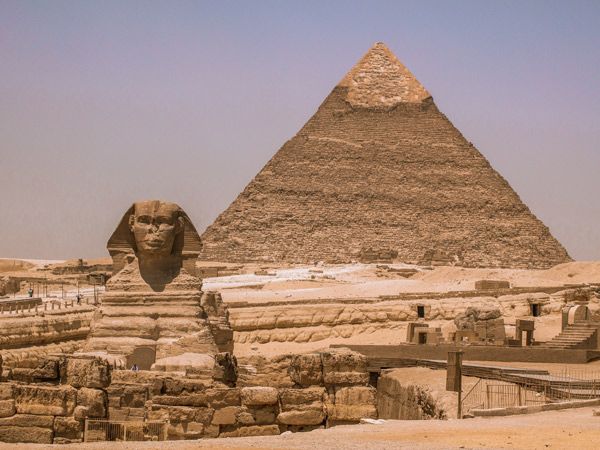
the Pyramids of Giza near Cairo in Egypt
The Pyramids of Giza are the only surviving structure of the original Seven Wonders of the Ancient World. (Image: Alessandro Zanini)

2. Tikal, Guatemala

The largest and most impressive example of pre-Columbian Maya architecture, the ancient city of Tikal in Central America is part of the Tikal National Park, which consists of thousands of ruined structures over hundreds of square metres of tropical rainforest.

Dating back as far as the 4th century CE, the ancient city is home to ceremonial pyramids, funerary acropolises, temples and palaces, and was one of the most powerful kingdoms of the ancient Maya.
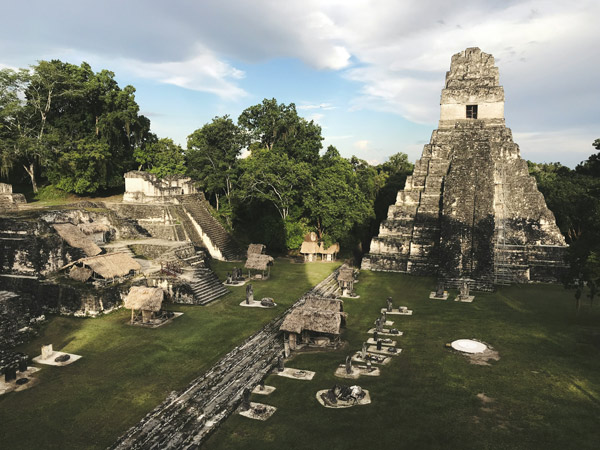
ancient city of Tikal in Guatemala, Central America
Tikal was one of the most powerful kingdoms of the ancient Maya. (Image: Jimmy Baum)

3. Pompeii and Herculaneum, Italy

These two Roman towns are well-known for being preserved by the eruption of Mount Vesuvius in 79 CE. Pompeii, located on the lower slopes, is better known, while Herculaneum, closer to the volcano, was buried in a thicker layer of pyroclastic material, which preserved many wooden structures and organic materials.

Both sites reveal much about Roman life, including the sad fate of the towns.
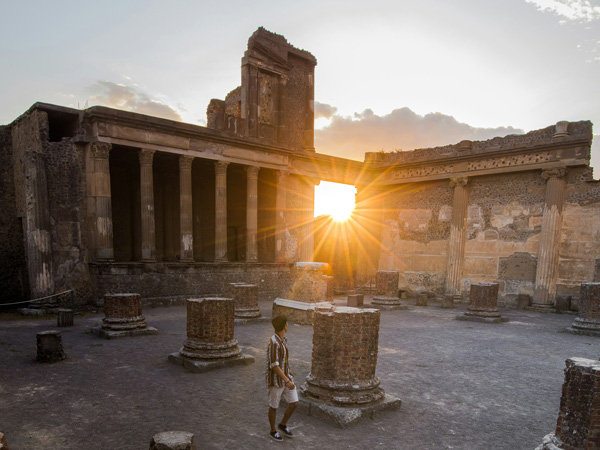
sunset in Pompeii, Italy
Visit the city frozen in time. (Image: Candré Mandawe)

4. Machu Picchu, Peru

Machu Picchu is an ancient Incan citadel located in the Andes Mountains of Peru, above the Sacred Valley. Built in the 15th century, it was later abandoned for unknown reasons.

The site includes temples, farmland terraces and palaces, with over a million tourists drawn to the awe-inspiring remains of the Inca civilisation at dizzying heights every year.
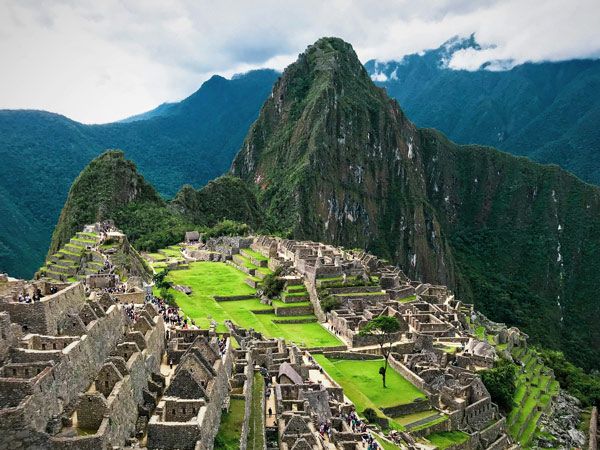
Machu Picchu, an ancient Incan citadel located in the Andes Mountains of Peru, above the Sacred Valley
Machu Picchu was abandoned for unknown reasons. (Image: Eddie Kiszka)

5. Petra and Siq al-Barid, Jordan

The city of Petra dates back thousands of years. Today, it is one of the world’s most famous archaeological sites. Carved directly into sandstone cliffs, Petra served as the capital of the Nabataean Kingdom and is celebrated for structures such as the Treasury (Al-Khazneh) and the Monastery (Ad-Deir) that seem to glow twilight pink.

Millions of tourists visit every year. If you want a more crowd-free visit as well, stop by Siq al-Barid north of Petra.
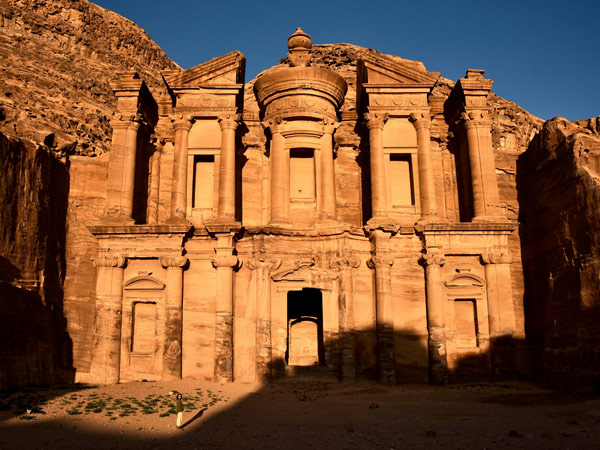
the Treasury (Al-Khazneh) in Petra, Jordan
Petra is one of the world’s most famous archaeological sites. (Image: Moxin Wang)

6. Prambanan Temple, Indonesia

The Prambanan Temple Compounds, built in the 9th century CE, are the largest Hindu temple complex in Indonesia, built by a powerful Javanese dynasty. Dedicated to the Hindu Gods Brahma, Vishnu and Shiva, the site originally consisted of 240 temples, though many have been lost or damaged.

Mysteriously, the complex was abandoned very soon after it was built. The site is UNESCO World Heritage-listed and is often visited alongside the nearby Borobudur Temple, the world’s largest Buddhist temple.
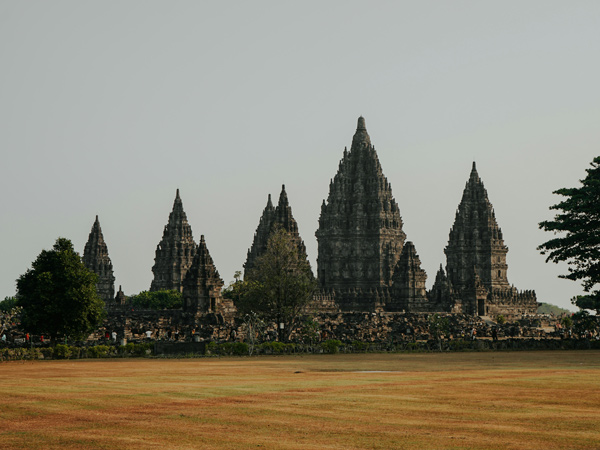
Prambanan Temple Compounds in Indonesia
The Prambanan Temple Compounds are the largest Hindu temple complex in Indonesia. (Image: Wendy Winarno)

7. Chichén Itzá, Mexico

Chichén Itzá is a pre-Columbian Mayan city on the Yucatán Peninsula in Mexico. It was a major centre of Maya civilisation, thought to have been most active between the 7th and 13th centuries CE.

Visit El Castillo (the Temple of Kukulcán), the Great Ball Court and the Cenote Sagrado, a natural sinkhole used for sacrificial offerings. Creepy.
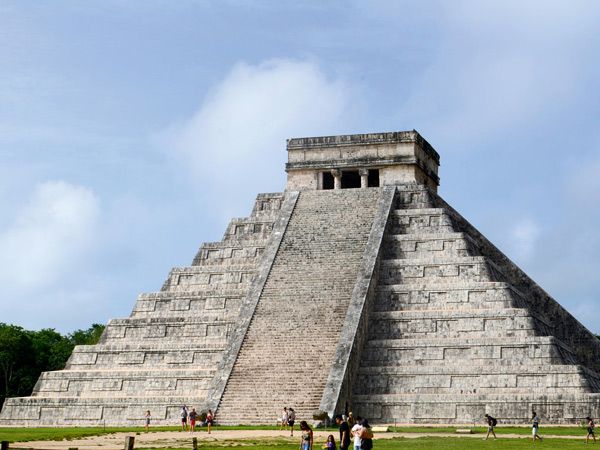
Chichén Itzá with people around the base on the Yucatán Peninsula in Mexico
The Temple of Kukulcán is a must-visit. (Image: Max Bohme)

8. Valley of the Temples, Italy

The Valley of the Temples or Valle dei Templi in Agrigento, Sicily, is one of the most significant examples of ancient Greek architecture today. It includes seven impressively well-preserved Doric temples built between 510 BCE and 430 BCE, such as the Temple of Concordia and the Temple of Juno.

The site also features extensive ancient city walls and necropolises. A hot tip – literally – don’t visit here when the sun is highest without some serious sunscreen and a big bottle of water.
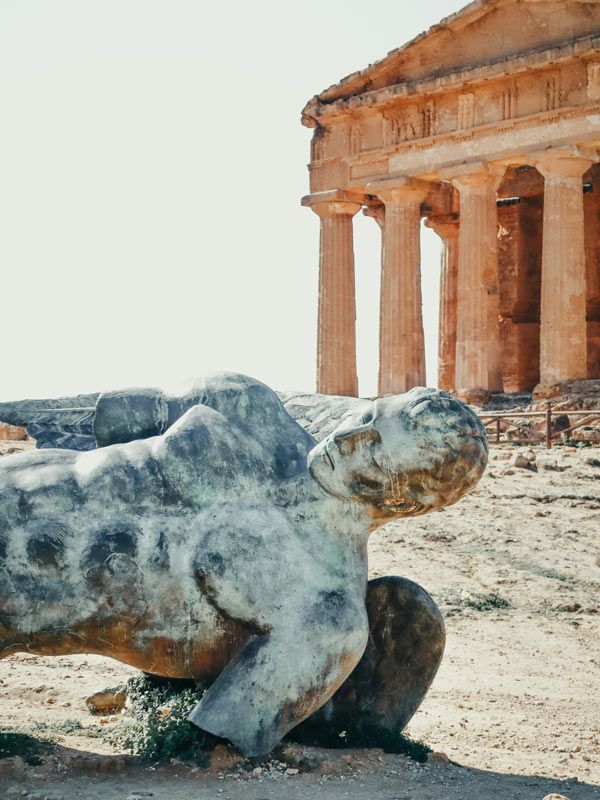
Valley of the Temples or Valle dei Templi in Agrigento, Sicily
The Valley of the Temples is one of the most significant examples of ancient Greek architecture. (Image: Shana van Roosbroek)

9. Stonehenge and Avebury Stone Circles, England

Stonehenge is a mysterious prehistoric monument in Wiltshire, England, consisting of a ring of standing stones. It dates back to around 2500 BCE and is believed to have been used for ceremonial or astronomical purposes.

But nearby, the Avebury Stone Circles, which date back to around the same time, get around a fifth of the visitors, despite it being the largest megalithic stone circle in the world.
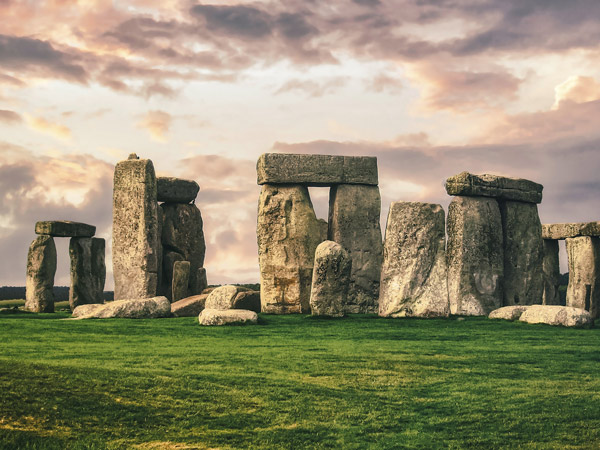
Stonehenge in Wiltshire, England
Stonehenge is believed to have been used for ceremonial or astronomical purposes. (Image: K Mitch Hodge)

10. Gwalior Fort, India

Gwalior Fort in India has seen several rulers and dynasties over the centuries and is considered by UNESCO to be one of the greatest architectural examples of ‘intercultural exchange’. It is known for its massive walls and the intricate palaces and temples within its grounds.

The fort is also home to the Chaturbhuj Temple, which contains one of the earliest known inscriptions of the number zero.
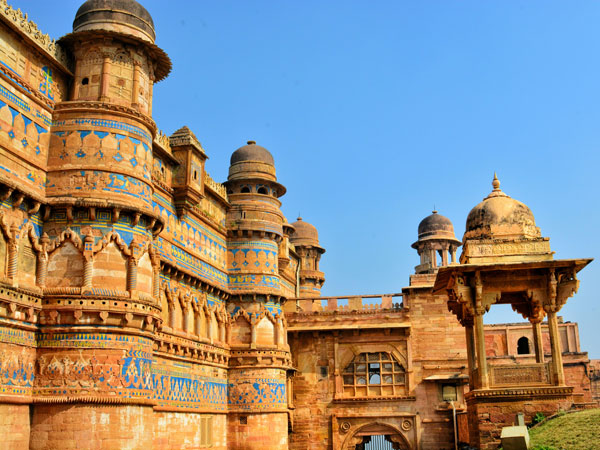
Gwalior Fort in India
Gwalior Fort is considered to be one of the greatest architectural examples of ‘intercultural exchange’. (Image: Chirag Vashist)

Weekly travel news, experiences
insider tips, offers,
and more.

11. Skellig Michael, Ireland

Skellig Michael is a remote island off the coast of County Kerry, Ireland, known for its early Christian monastery, which dates back to the 6th century CE. It is famous for the unusual aesthetic of the distinctive beehive-shaped stone huts where monks lived (which might have been one of the reasons Star Wars was filmed here).

Skellig Michael is also well-known for its birdlife, including puffins and one of the largest gannet colonies, as well as grey seals.
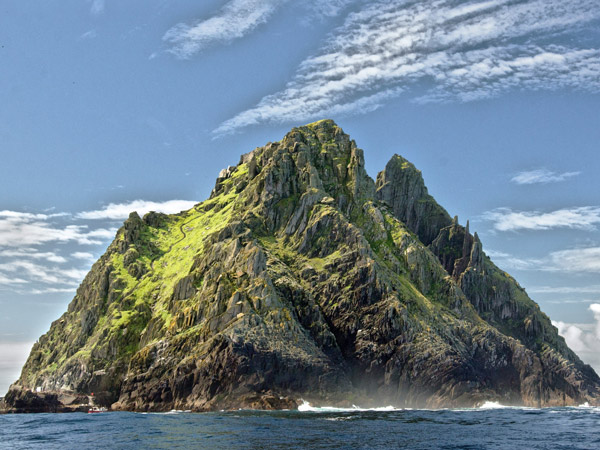
Skellig Michael in County Kerry, Ireland
Skellig Michael is well-known for its birdlife, including puffins.

12. Ayutthaya, Thailand

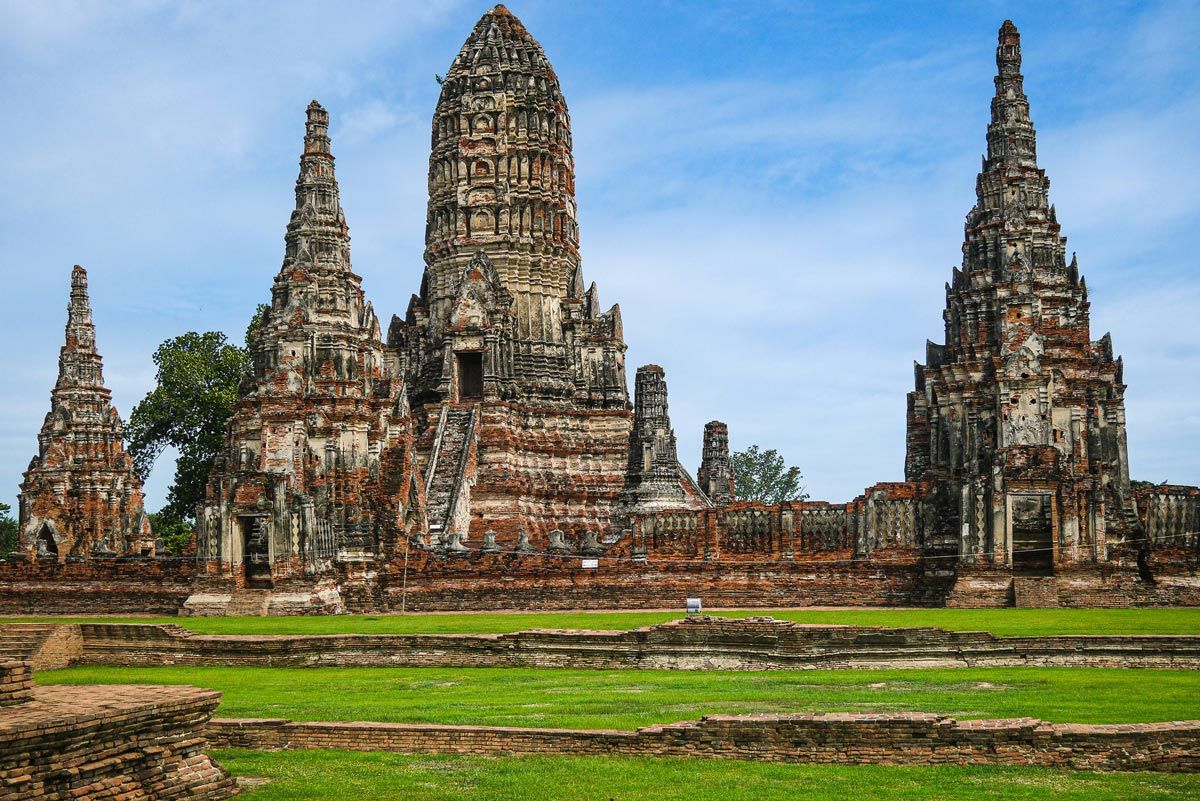
Ayutthaya was the second capital of the Siamese Kingdom, founded in 1350 and flourished until its destruction by invaders in the mid-18th century. The city in Thailand was known for its grand temples, palaces and statues, many of which still stand in ruins today.

There’s a lot to cover here, and you could spend days doing it. But if you’re limited in time, see Wat Phra Si Sanphet, the royal temple.
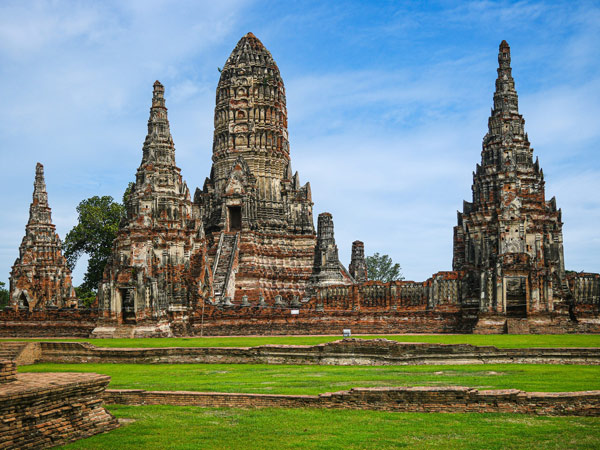
Wat Phra Si Sanphet in Ayutthaya, Thailand
If you’re limited in time, visit Wat Phra Si Sanphet. (Image: AXP Photography)

13. Ellora Caves, India

This UNESCO World Heritage-listed site is recognised for its rock-cut temples and monasteries, dating from the 6th to the 10th centuries CE and featuring 34 caves in total.

It is seen today to represent a harmonious coexistence of Buddhism, Hinduism and Jainism, with temples, sanctuaries and monasteries dedicated to these faiths. The most well-known is the Kailasa Temple, a massive monolithic rock excavation dedicated to Lord Shiva.
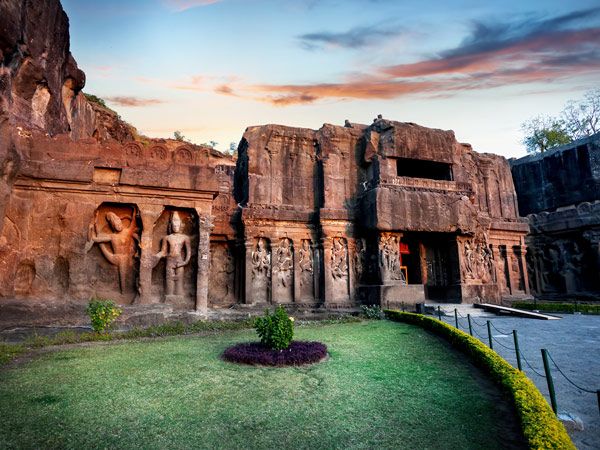
Ellora cave entrance in Kailas temple with ancient carved wall near Aurangabad, Maharashtra, India
Ellora Caves represent a harmonious coexistence of Buddhism, Hinduism and Jainism. (Image: byheaven via Getty Images)

14. The Temples of Angkor, Cambodia

While you’ve probably heard of the Angkor Wat temple complex, there are others built by the powerful Khmer Empire. Ruling from the ninth to the 15th century, the empire built many of these temples to honour Hindu deities, before transitioning to pay tribute to Buddhism, as it became the main religion. Along with the enormous and highly significant Angkor Wat, you can visit Angkor Thom, the last capital of the empire, the root-covered temple of Ta Prohm, and the pink sandstone Banteay Srei.
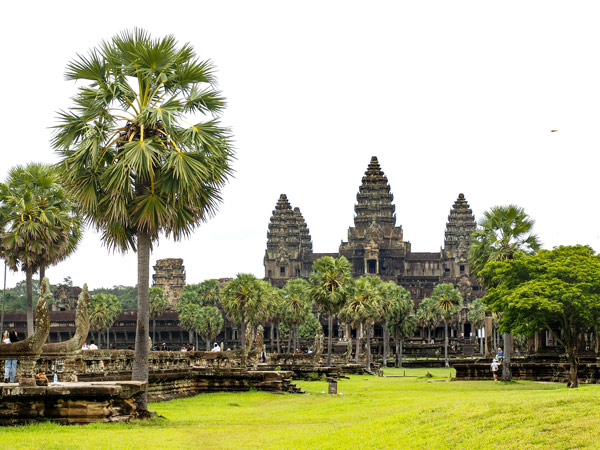
Angkor Wat temple in Cambodia
Angkor Wat isn’t the only temple in Siem Reap. (Image: Lidia Stawinska)

15. Rani ki vav, India

Rani ki vav – the Queen’s Stepwell – is a subterranean temple. Commissioned to be built in the 11th century by Queen Udayamati of the Solanki dynasty, a spiritual place that also worked as a water management system with a well at the bottom, in dedication to her late husband. It was later hidden by repeated flooding before being ‘rediscovered’ in the 20th century. Today, you can walk down into the temple to see the hundreds of elaborate sculptures, many of which depict Hindu deities, all the way down to the water.
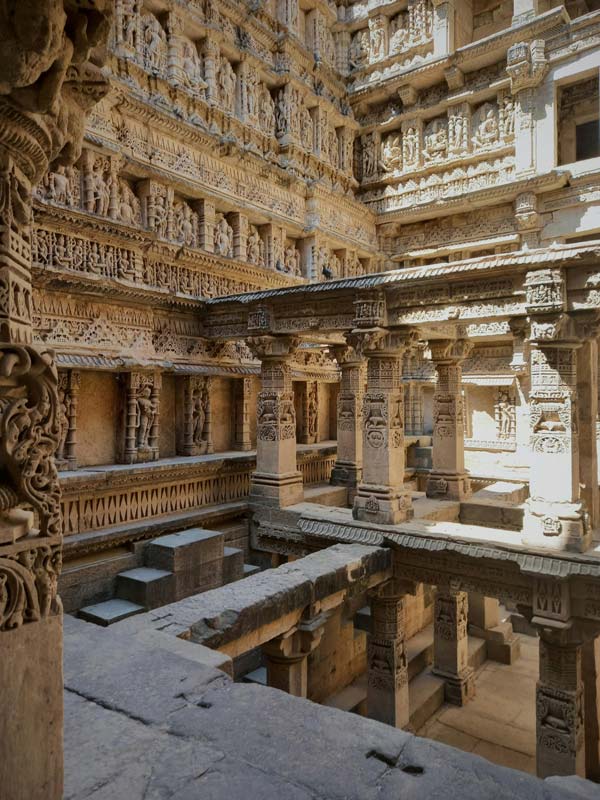
Rani ki vav – The Inverted Stepwell Temple in Patan, India
Rani ki vav is a subterranean temple in India. (Image: Shivani Chougula)

Want to see more stories from International Traveller in your Google search results?

  1. Click here to set International Traveller as a preferred source.
  2. Tick the box next to "International Traveller". That's it.
Kate Bettes
Kate Bettes is a freelance travel writer. Whether having a picnic in Vietnamese jungle with new friends, or partying in the back of a limousine in Hollywood, Kate’s experiences have left her with the sneaking suspicion that the best travel memories happen when you least expect. It’s this feeling - and how to get it - that she loves to write about.
View profile and articles
hero media

5 things every hotel needs for a more restorative stay

    Kate Bettes Kate Bettes
    Wellbeing means different things to different travellers. Here’s how to pick a hotel that gets it right for you.

    The best wellness holidays aren’t necessarily spent wrapped in a spa robe. Sometimes they’re found around a dinner table in Cambodia, on a hiking trail in New Zealand or after finally beating jet lag on the other side of the world. The hotel you choose is what makes them happen.

    1. Easy access to good food

    meals from Novotel Bangkok Sukhumvit 20
    Taste delicious meals at Novotel Bangkok Sukhumvit 20.

    One of the quickest ways to derail healthy habits on holiday is to spend half of it working out where to eat instead of digging into the culture around you. Thankfully, Novotel has done much of the hard work already, with chefs building menus that lean into the flavours, ingredients and traditions of each destination.

    In Sihanoukville, Cambodia, Korkor soup – often dubbed ‘Cambodian ratatouille’ – sits alongside raw blue crab dressed with lime and chilli, best enjoyed with views across the Gulf of Thailand.

    In the lovingly chaotic city of Bangkok, the presence of food cranks up the sociability. At Novotel Bangkok Sukhumvit 20, you can settle in with mango sticky rice and stranger-turned-friends beside the pool at Sky on 20 rooftop bar, or bring them along to tackle river prawns and stir-fried crab with holy basil at the buzzing Crab Paradise Dinner Buffet.

    Then Novotel Dubai Al Barsha welcomes you with a laidback twist on the level of indulgence the Middle Eastern city is best known for up on Deck Se7en. Looking towards Burj Al Arab, the rooftop lounge has everything from Mediterranean-style dishes like seabass ceviche to Italian prosecco sundowners.

    At the other end of the scale, in the hills that surround the Novotel Bali Ubud Resort, calm comes from nature. At Siralada restaurant, Balinese traditions shape the menu while thunder rumbles over the surrounding jungle – proving the setting is as nourishing as the food itself.

    While at Novotel Nha Trang, chef Kieu Thi My Hanh and her team showcase Vietnam’s knack for balancing freshness, texture and fragrant herbs. Pho remains a favourite, while seafood salad with pomelo and mango brings those flavours together in one bright dish.

    It’s all an approach backed by partnerships with expert food creators such as Alfie Steiner, whose plant-forward recipes prove healthy food should never taste plain.

    2. Better sleep options

    Novotel Bali Ubud Resort room
    Sleep deeply with Novotel.

    There are few travel experiences more disappointing than arriving in a new country, determined to seize the day, only to fall asleep fully clothed by 3pm.

    For Australian travellers, jet lag is often an unavoidable part of the journey. That’s one reason Novotel runs sleep-focused initiatives that help guests adjust quickly without compromising on health. We’re talking partnerships with Sydney-based sleep specialist Olivia Arezzolo, known for her advice on everything from better sleep habits to beating jet lag, alongside features like pillow menus, in-room yoga content and tailored sleep guidance.

    The sooner you’re operating on local time, the sooner you can get back to more pressing matters – like deciding which spa treatment to book.

    3. More ways to move

    woman hiking around queenstown new zealand
    Stay at Novotel Queenstown Lakeside and explore local hiking trails. (Credit: GettyI mages/ naruedom)

    Every place in the world has its own way of getting you moving: whether that’s hiking up ice-bitten mountains before a sauna or gentle stretching by the pool before a facial. From fitness centres to spas, Novotel recognises that wellbeing rarely looks the same.

    At Novotel Queenstown Lakeside, activity is inescapable. Here, hiking trails, ski fields, bungee jumps, and white-water rafting have made the region famous. The hotel’s location on the shores of Lake Wakatipu means less time spent organising yourself and more time out there experiencing them. To top it all off, you can book a private hot tub for the evening before heading back into the wilderness tomorrow.

    Bali, of course, takes a softer approach. At Novotel Bali Ubud Resort or Novotel Bali Nusa Dua, movement is less about conquering a mountain and more about a dance class between the tropical gardens and lagoon pools. Afterwards, the spa takes over, with traditional treatments like a Lulur body scrub: a combination of rice, turmeric, sandalwood, ginger and jasmine that’ll soothe muscles already relaxed by the Balinese heat.

    4. Better connections

    Novotel Sharm El Sheikh
    Kids will love a stay at Novotel Sharm El Sheikh.

    One of the best things about travel is that it gives your family stories you’ll be telling for years. Novotel helps create them with activities that bring everyone together, whether that’s trying something new, learning a local skill, or simply spending more time together.

    Go for a distinctly Thai twist at Novotel Phuket Vintage Park, where many of the family activities draw on local culture. Kids can try everything from beginner Thai boxing and language lessons to umbrella painting and – a pastime beloved by children the world over – pool foam parties. Everyone is welcome to join in, whether that’s getting splashed, covered in paint, or simply watching their children discover a new side of Thailand during the dedicated Family & Kids Day.

    A different adventure awaits at Novotel Sharm El Sheikh. Kids could be perfectly content with discos, drawing classes and new holiday friends, but the Red Sea has other ideas. Sitting on the edge of Naama Bay, days here might involve snorkelling colourful reefs, taking a boat trip to Ras Mohammed National Park or heading into the desert by quad bike or camel for a Bedouin-style dinner beneath the stars.

    5. Location is everything

    Surin Beach, Choeng Thale, Thalang District, Phuket, Thaiföld
    Explore Phuket’s gorgeous beaches. (Credit: Bence Biczo)

    Everyone’s idea of wellness looks a little different. With more than 600 hotels across 65 countries, Novotel gives guests the freedom to choose the destination that suits them best. Whether that’s a beachside escape in Phuket, an alpine expedition in Queenstown or a city break in Bangkok, there’s a good chance a Novotel isn’t far away.

    All that’s left? Choosing your version of wellbeing.

    Discover stays to inspire your everyday at novotel.accor.com.