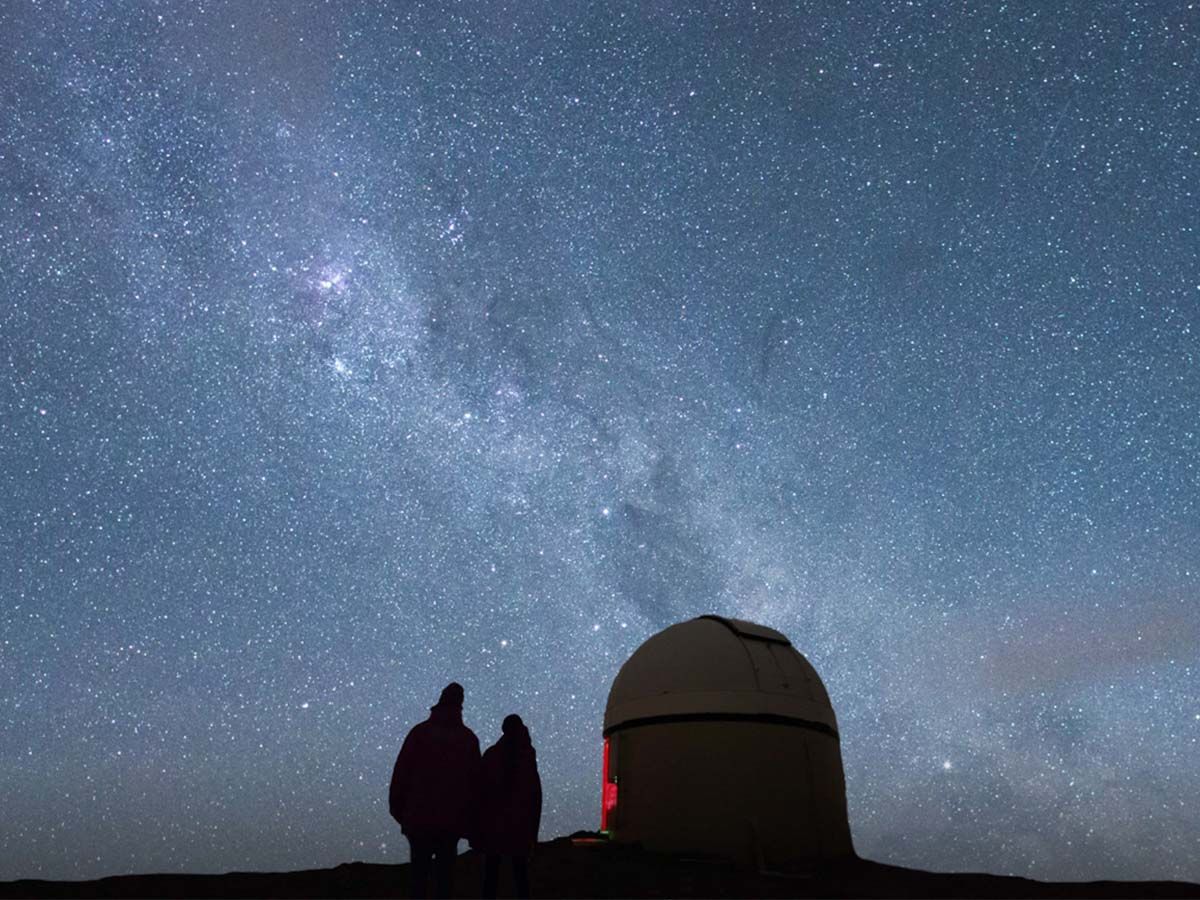
If you want to be dazzled by the night sky, New Zealand overdelivers.
Small towns and settlements across the land are turning the lights off and pulling the curtains in order to be the best stargazing spot in New Zealand. To be fair, beyond city boundaries pretty much the whole country can claim spectacular stargazing thanks to clear skies, low light pollution and the particularly striking array of constellations that inhabit the southern skies above Aotearoa. Locations like Great Barrier Island/Āotea, Stewart Island/Rākiura, located 30 kilometres south of the South Island/Te Waipounamu across the Foveaux Strait and the home of New Zealand’s first Dark Sky Sanctuary, Rotorua and the Coromandel Peninsula.
The country also boasts the largest international Dark Sky Reserve in the world. Covering an epic 4300 square kilometres in the middle of the South Island, Aoraki Mackenzie International Dark Sky Reserve is frequently touted as one of the best stargazing spots on Earth and is home to one of the country’s most photographed buildings: the Church Of The Good Shepherd.
The pretty stone church sits on the shores of Lake Tekapo and on a clear night is magically crowned by night skies crowded with stars (it is also worth photographing during the day, especially in spring when it is surrounded by colourful lupins).
This abundance of protected areas means New Zealand is in a prime position for stargazing. Here’s the lowdown on where to head for the most epic nightscapes.
Takapō (Tekapo)/Aoraki Mackenzie International Dark Sky Reserve
The Aoraki Mackenzie International Dark Sky Reserve near the epic landscapes of Mt Cook is one of the largest reserves of its kind, home to a working research station. You can tour the reserve and the astronomy facility with Dark Sky Project, where you’ll gaze through a high-powered telescope and hear Ngāi Tahu Māori star lore.
Aotea Great Barrier Island Dark Sky Sanctuary
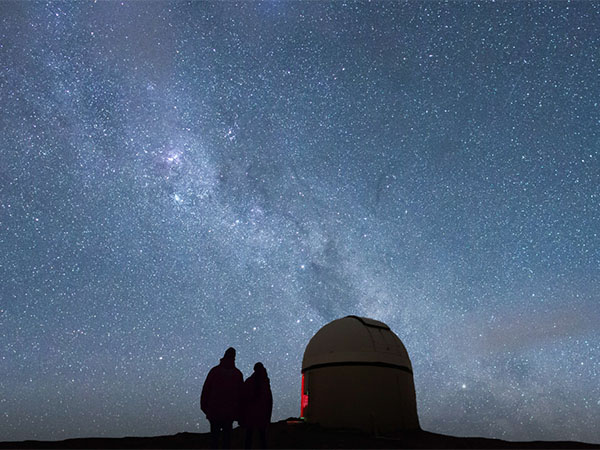
This remote island, 90 kilometres off the coast of Auckland, is a dark sky sanctuary due to minimal light pollution. Although it’s remote, it’s relatively accessible from Auckland via ferry or a short flight. Park yourself on top of a sand dune to watch the night sky light up or take a night sky tour with friendly locals at Good Heavens.
Rakiura Stewart Island Dark Sky Sanctuary
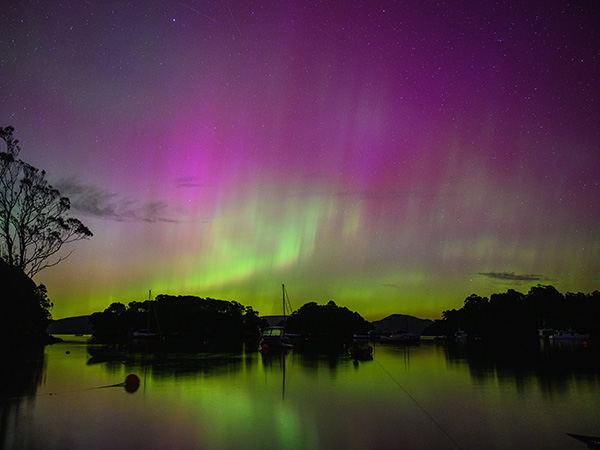
Rakiura Stewart Island is the southern-most Dark Sky Sanctuary in the world, and 85 per cent of the island is designated a national park. There are plenty of viewing platforms for stargazing here, and if you’re lucky, you might even see the southern lights.
Kaikōura Dark Sky Sanctuary
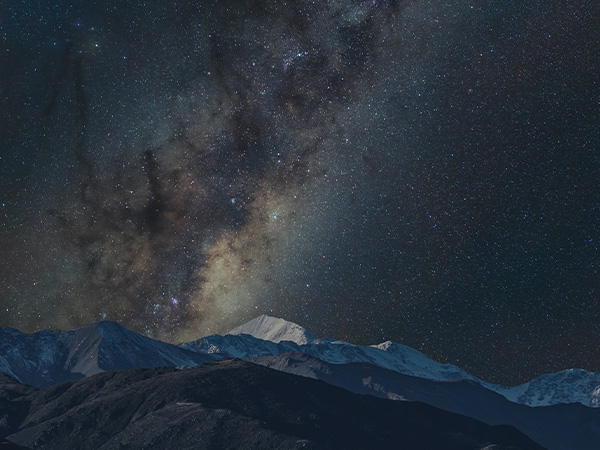
This little township on the South Island is famous for whale watching, but it is lesser-known for its pristine night skies that provide particularly clear views of the Milky Way. Designated a Dark Sky Sanctuary in 2024, Kaikōura is one of the best seats in the house when it comes to watching the total lunar eclipse.
Weekly travel news, experiences
insider tips, offers, and more.
Lake Tekapo’s Dark Sky Project
A top spot for astronomical adventures. The ultimate experience is the night-time tour to hilltop Mt John Observatory. Learn about and look through the mighty telescope, head outside to survey the big picture, and enjoy the company of passionate guides. Next to the observatory, the glass-walled Astro Cafe is a stellar place to soak up the grandeur, day or night.
Aoraki/Mt Cook National Park
Further south at Aoraki/Mt Cook National Park but still within the Aoraki Mackenzie International Dark Sky Reserve, Big Sky Stargazing has state-of-the-art telescopes and special binoculars to get you in the zone. This family-friendly activity is based in the historic Hermitage Hotel, also home to a Planetarium, the fascinating Sir Edmund Hillary Museum, and a restaurant with superb views.
Wellington/Te Whanganui-A-Tara
Just an hour’s drive from Wellington/Te Whanganui-A-Tara in the rural Wairarapa, Stonehenge-Aotearoa is New Zealand’s only open-air astronomical observatory. While the stone circle here looks suspiciously similar to the English one, it has been constructed and positioned precisely for this southern hemisphere spot, drawing from Māori and Polynesian starlore. Its night-time Star Safari tour will take your astronomical knowledge to another dimension.
What is Matariki?
A major event in the Māori lunar calendar, Matariki takes place when the star cluster of the same name (also known as Pleiades or the Seven Sisters to astronomers) appears in the night sky during mid-winter. Formed over 100 million years ago, the appearance of the ethereal star cluster at this time of year marks the end of the old lunar year and the beginning of the New Year, with remembrance, celebrating the present, and looking to the future a focus. Most of the marae (Māori meeting grounds) around New Zealand hold feasts, with special celebrations in cities like Wellington and Auckland.
Want to see more stories from International Traveller in your Google search results?
- Click here to set International Traveller as a preferred source.
- Tick the box next to "International Traveller". That's it.