hero media

This eco-resort will make you love Fiji all over again

With an ever-increasing focus on sustainable tourism, Fiji is finding new ways to make us fall in love with its extraordinary natural environment of sparkling seas and paradise islands.

The country is dedicated to preserving its extraordinary natural environment. With its 333 islands scattered throughout a jewel-like sea, it’s hard not to fall in love with Fiji and feel similarly protective.

Here in the Mamanuca archipelago, a collection of 20 islands that extend like an arc to the west of Nadi but feel a world away with their white sandy beaches and swaying palm trees, resorts like Likuliku on Malolo Island are keenly focused on sustainable tourism and promoting community livelihood.
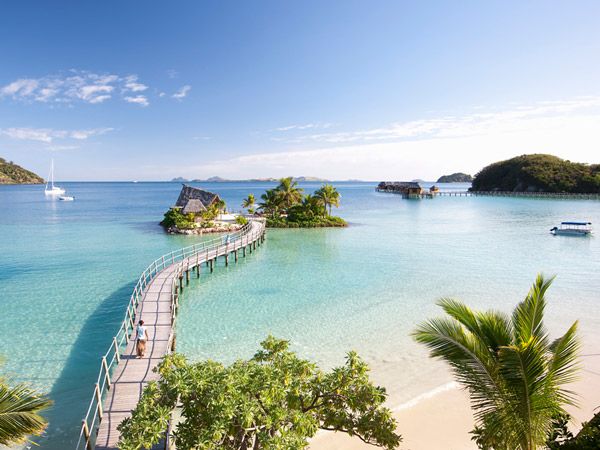
a boardwalk across the crystal clear waters surrounding Likuliku Lagoon Resort
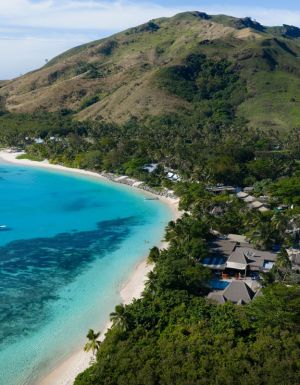
Likuliku is an adults-only island paradise. (Image: Hamilton Lund Photographer)

Its conscious efforts are underpinned by the Mamanuca Environment Society, an active society that works in tandem with the archipelago’s resorts to protect the special marine and terrestrial environment of the Mamanucas, which includes mangrove and wetland ecosystems, seagrass beds and coral reef systems the likes of which lie beneath us now.

And all across Fiji, resorts and tour operators are greening and fine-tuning their operations – from installing renewable energy sources such as solar to going plastic-free – and supporting conservation and community initiatives to create a better experience for all.

Here are three practices that have Likuliku leading the way in Fiji’s sustainability.
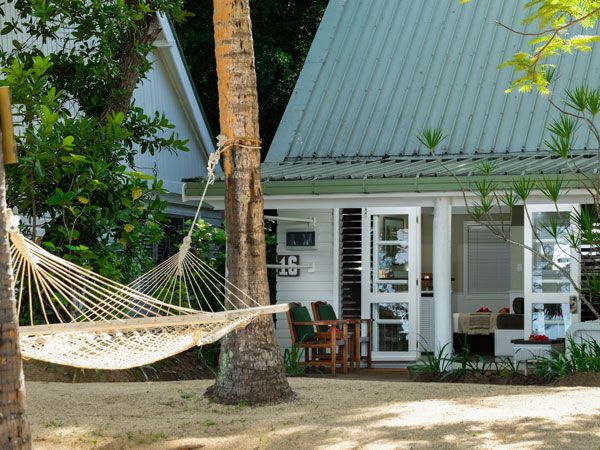
a hammock tied to a palm tree outside an oceanview bure at Malolo Resort
It’s hammock time at Malolo. (Image: Rob Rickman/RawFiji.com)

1. Fijian-owned eco-friendly accommodation

Likuliku Lagoon Resort and sister property Malolo Island Resort are completely different experiences – the former a bucket-list adults-only paradise and the latter the gold standard of Fiji family holidays. But they have a few things in common, not least their friendly staff; operating company Ahura Resorts is 100 per cent Fijian-owned and its culture trickles down to those big smiles accompanied by an ebullient ‘Bula!’.

The pristine but fragile island they inhabit is Malolo, known across Fiji as the island where the sun comes to rest at the end of each day. It’s where coral reefs cast abstract patterns in turquoise waters that fringe golden sands and forests.
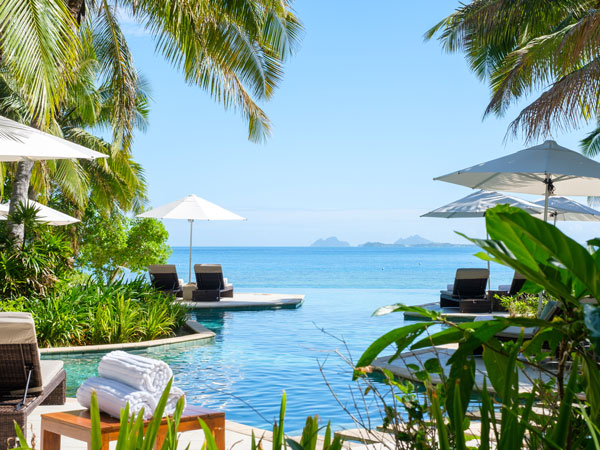
an infinity pool with umbrellas in Likuliku Lagoon Resort
Lounge by the pool safe in the knowledge the resort is sustainable. (Image: Rawfiji/Vantage Fiji)

Ahura supports sustainable tourism through the Ahura Resorts Conservation Foundation, whose initiatives include extensive coral planting projects and reef protection initiatives and extend to people and culture.

Operating in close exchange with the land, sea and people of Fiji; the resorts are built on land that has a 99-year lease and royalties are paid to the landowners as well as a monthly rental calculated on a percentage of all sales.

In 2005, the late Paramount Chief of the Malolo Islands, Turaga Na Tui Lawa, declared the waters and reefs in front of Likuliku Lagoon a marine protected area or ‘Na Tabu’. This environmental initiative allows natural recovery and restoration of reefs and marine life. And it’s working, they’re seeing more sea turtles than ever.
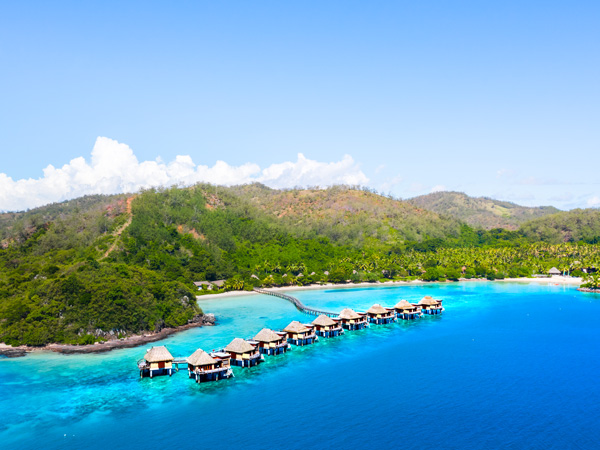
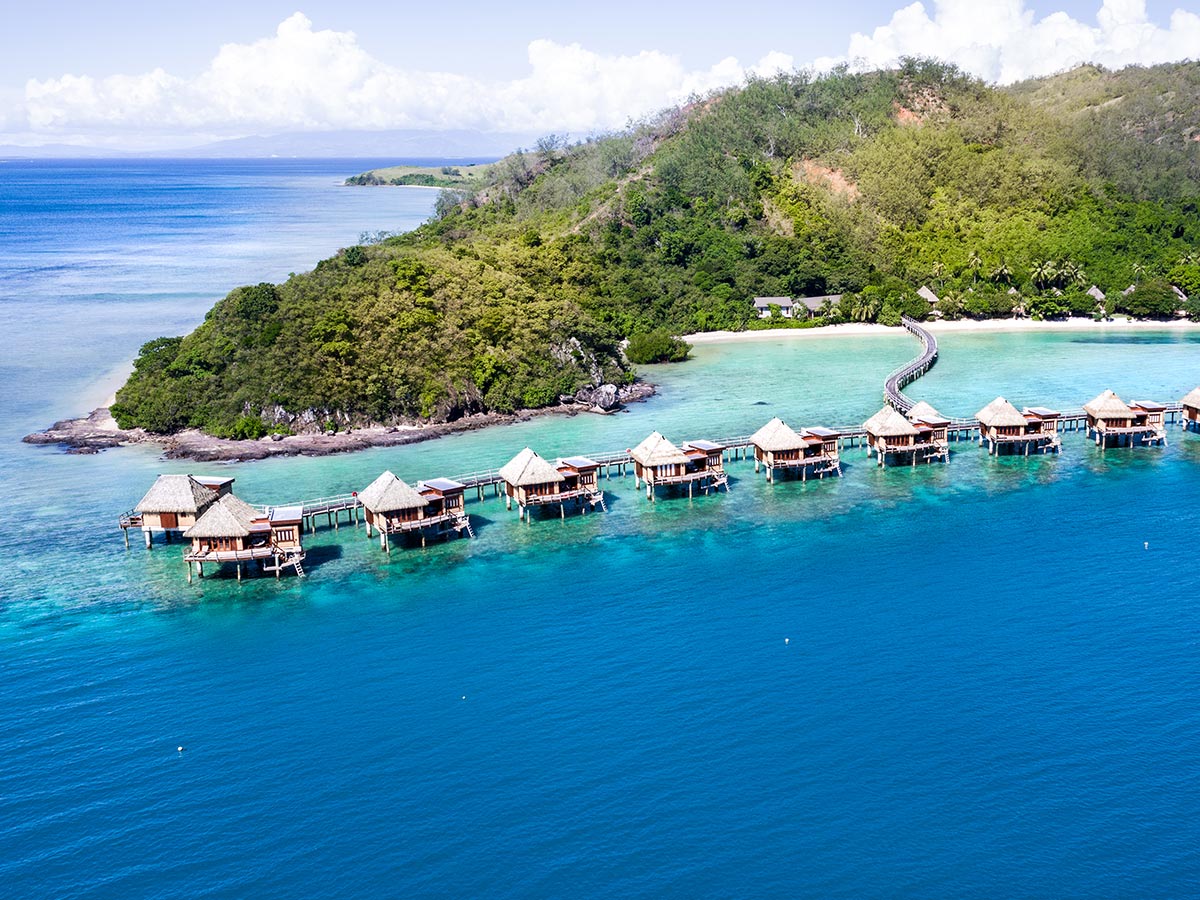
an aerial view of Likuliku Lagoon Resort with floating villas
Likuliku Lagoon Resort boasts Fiji’s only authentic over-water bures. (Image: Brook Sabin)

2. Sustainable dining options

Menus at Likuliku Lagoon Resort and Malolo Island Resort are overseen by executive chef Gregory Llewellyn, a New Yorker by way of Australia, where he launched Sydney’s inner-west cult favourite restaurants Hartsyard and Wish Bone.

Here in Fiji, his fresh, clean and creative menus embrace local ingredients, some of which are grown in on-site kitchen gardens or courtesy of the local staff village. The resorts foster a relationship with the mataqali, the local resource landowners, and have a responsibility to work with and support them by purchasing their produce, says Gregory.
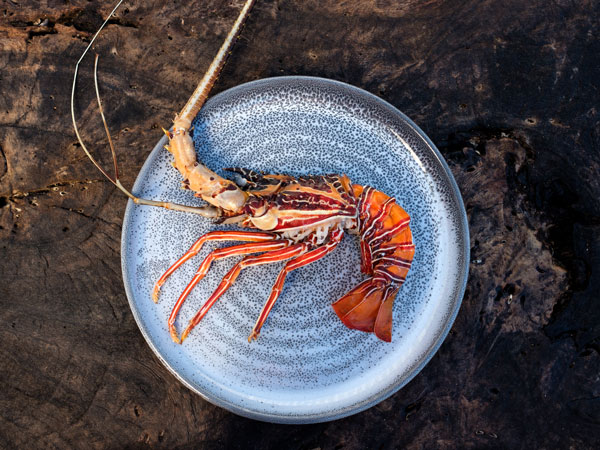
fresh seafood on a plate
Fresh seafood at Malolo Island Resort. (Image: Rawfiji/Vantage Fiji)

“Whether that’s fish, octopus, coral trout. It could be a wheelbarrow full of bananas. It could be cassava, all sorts of things." The delicious local spinach pie with moca (amaranth leaves), leek, feta, roasted white sesame seeds and lemon at Malolo Island Resort’s casual beach bar is recommended, as is a bowl of moreish cassava chips on the table to start.

Try the long-nose snapper with macadamia milk, salsa verde and garden herbs at Treetops Restaurant. At Likuliku, a five-course dinner might include a walu curry to share, accompanied by house masala, dahl, roti, rice and chutney, with breakfast dishes that sing of the location like chia-seed pudding with passionfruit, blueberry, island coconut and Likuliku honey made by the resort’s own bees.

3. Efforts to recover Fiji’s iguanas

Tucked away just off the elegant reception bure at Likuliku Lagoon Resort, something extraordinary is happening. Malolo Fiji crested iguanas, previously thought to be an extinct species, are thriving in captive breeding enclosures.
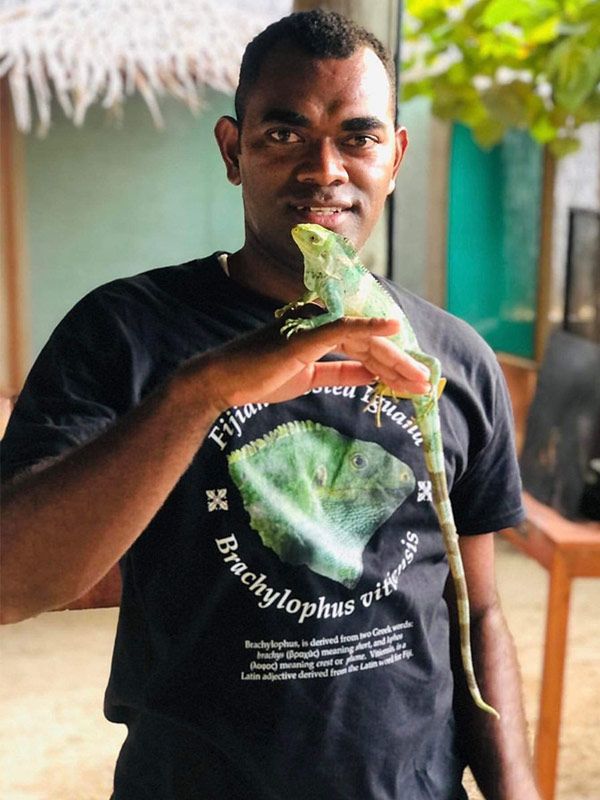
Likuliku Lagoon ResortMalolo, Fiji crested iguanas
Meet the iguanas with group environment manager Keli.

The spot is blink-and-you’ll-miss-it, just like the iguanas would be in their natural environment: their markings changing from forest green to bright green and turquoise, like the jungle and sea that typifies Malolo Island.

But peel yourself away from the infinity pool for a presentation with Keli Nacewa and you’ll learn their remarkable story and maybe even meet one, too. Thought to have been extinct for more than 25 years, a Malolo Fiji crested iguana was discovered in 2010 at Likuliku Lagoon Resort, kicking off an incredible research journey, breeding program and regeneration program.

The demise of Fiji’s iguanas has been in a large part due to the destruction of their natural forest habitat thanks to human activities and the introduction of non-native animals including rats, cats, mongooses and goats.

Crucial to the survival of iguanas and other wildlife, tropical dry forest – which once spanned large areas of Latin America, Africa, Asia and the Pacific – is perhaps the most degraded ecosystem in the Pacific if not on Earth.
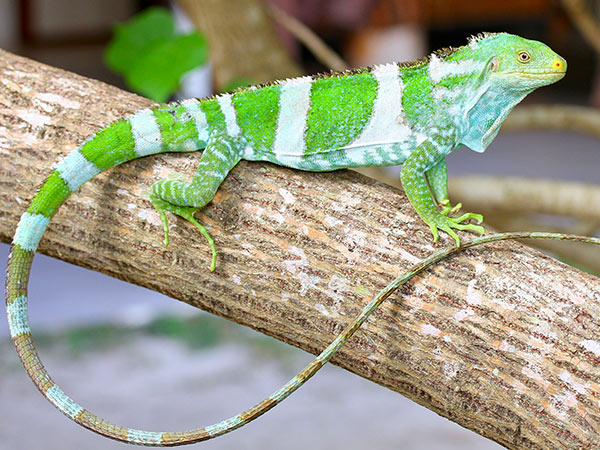
Malolo Fiji crested iguana
See the rare Malolo Fiji crested iguana.

Only pockets remain on Malolo Island and the islands of the Mamanuca group, a fact that Ahura Resorts is helping to combat with a major regeneration program including the creation of the first dry forest nursery on the island, which has 3000 saplings of 22 different species required to create this unique ecosystem.

As of 2021, through the successes of its program, 71 Malolo Fiji crested iguanas have been observed in the wild and the number keeps growing. They hang out in patches of restored habitat near beachfront bures, so keep an eye out.

Weekly travel news, experiences
insider tips, offers,
and more.

More ways to visit Fiji sustainably

Turtle conservation programs

Of the seven species of sea turtles on the planet, five of them are found in Fiji and all are threatened or endangered. Which is why resorts across the country run a variety of turtle conservation programs.
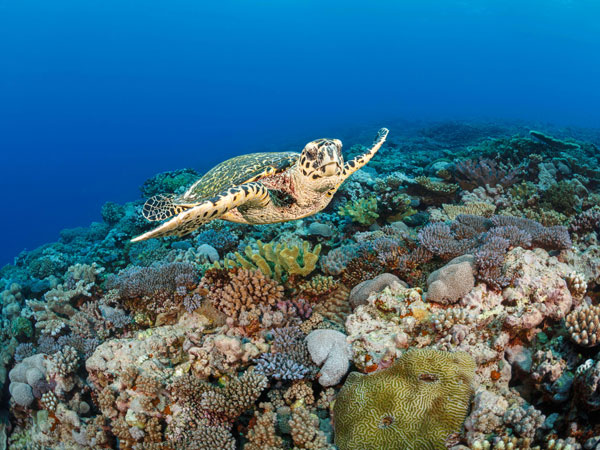
a sea turtle swimming in the Fiji waters
Resorts across Fiji are investing in turtle conservation.

In the Mamanucas, Mana Island Resort & Spa, Vomo Island Resort and Beachcomber Island keep baby turtles safe in ponds until they’re old enough to be released into the wild while Yasawa Islands resorts Treasure Island and the appropriately named Turtle Island have been protecting the creatures for decades.

Fiji Biology lessons

A pioneer in eco-tourism, Jean-Michel Cousteau Resort Fiji was one of the world’s first eco-luxury hotels and remains a trailblazer as the only resort in Fiji with a marine biologist on staff. Johnny Singh helps guests explore and understand the natural wonders on his doorstep.
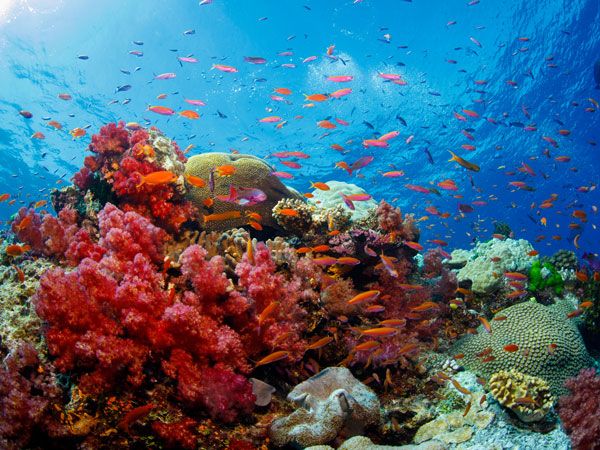
a thriving coral reef in Fiji with abundant fishes
Explore the reef at Jean-Michel Cousteau Resort with a marine biologist. (Image: Brett Monroe Garner)

Coral care and regeneration

It’s little wonder that resorts across Fiji are investing in coral garden programs and marine education centres when you consider the country claims more than 10,000 square kilometres of coral reef and that 42 per cent of the world’s coral species are found here; spots that get a big green tick and have ways for guests to get involved include the Shangri La Fiji Resort & Spa, Outrigger Fiji Beach Resort and Kokomo Private Island Resort.

Want to see more stories from International Traveller in your Google search results?

  1. Click here to set International Traveller as a preferred source.
  2. Tick the box next to "International Traveller". That's it.
Imogen Eveson
Imogen Eveson is International Traveller’s Print Editor. She was named Editor of the Year at the 2024 Mumbrella Publish Awards and in 2023, was awarded the Cruise Line Industry Association (CLIA) Australia’s Media Award. Before joining Australian Traveller Media as sub-editor in 2017, Imogen wrote for publications including Broadsheet, Russh and SilverKris. She launched her career in London, where she graduated with a BA Hons degree in fashion communication from world-renowned arts and design college Central Saint Martins. She is the author/designer of The Wapping Project on Paper, published by Black Dog Publishing in 2014. Growing up in Glastonbury, home to the largest music and performing arts festival in the world, instilled in Imogen a passion for cultural cross-pollination that finds perfect expression today in shaping Australia’s leading travel titles. Imogen regularly appears as a guest on radio travel segments, including ABC National Nightlife, and is invited to attend global travel expos such as IMM, ILTM, PURE, Further East and We Are Africa.
View profile and articles
hero media

5 things every hotel needs for a more restorative stay

    Kate Bettes Kate Bettes
    Wellbeing means different things to different travellers. Here’s how to pick a hotel that gets it right for you.

    The best wellness holidays aren’t necessarily spent wrapped in a spa robe. Sometimes they’re found around a dinner table in Cambodia, on a hiking trail in New Zealand or after finally beating jet lag on the other side of the world. The hotel you choose is what makes them happen.

    1. Easy access to good food

    meals from Novotel Bangkok Sukhumvit 20
    Taste delicious meals at Novotel Bangkok Sukhumvit 20.

    One of the quickest ways to derail healthy habits on holiday is to spend half of it working out where to eat instead of digging into the culture around you. Thankfully, Novotel has done much of the hard work already, with chefs building menus that lean into the flavours, ingredients and traditions of each destination.

    In Sihanoukville, Cambodia, Korkor soup – often dubbed ‘Cambodian ratatouille’ – sits alongside raw blue crab dressed with lime and chilli, best enjoyed with views across the Gulf of Thailand.

    In the lovingly chaotic city of Bangkok, the presence of food cranks up the sociability. At Novotel Bangkok Sukhumvit 20, you can settle in with mango sticky rice and stranger-turned-friends beside the pool at Sky on 20 rooftop bar, or bring them along to tackle river prawns and stir-fried crab with holy basil at the buzzing Crab Paradise Dinner Buffet.

    Then Novotel Dubai Al Barsha welcomes you with a laidback twist on the level of indulgence the Middle Eastern city is best known for up on Deck Se7en. Looking towards Burj Al Arab, the rooftop lounge has everything from Mediterranean-style dishes like seabass ceviche to Italian prosecco sundowners.

    At the other end of the scale, in the hills that surround the Novotel Bali Ubud Resort, calm comes from nature. At Siralada restaurant, Balinese traditions shape the menu while thunder rumbles over the surrounding jungle – proving the setting is as nourishing as the food itself.

    While at Novotel Nha Trang, chef Kieu Thi My Hanh and her team showcase Vietnam’s knack for balancing freshness, texture and fragrant herbs. Pho remains a favourite, while seafood salad with pomelo and mango brings those flavours together in one bright dish.

    It’s all an approach backed by partnerships with expert food creators such as Alfie Steiner, whose plant-forward recipes prove healthy food should never taste plain.

    2. Better sleep options

    Novotel Bali Ubud Resort room
    Sleep deeply with Novotel.

    There are few travel experiences more disappointing than arriving in a new country, determined to seize the day, only to fall asleep fully clothed by 3pm.

    For Australian travellers, jet lag is often an unavoidable part of the journey. That’s one reason Novotel runs sleep-focused initiatives that help guests adjust quickly without compromising on health. We’re talking partnerships with Sydney-based sleep specialist Olivia Arezzolo, known for her advice on everything from better sleep habits to beating jet lag, alongside features like pillow menus, in-room yoga content and tailored sleep guidance.

    The sooner you’re operating on local time, the sooner you can get back to more pressing matters – like deciding which spa treatment to book.

    3. More ways to move

    woman hiking around queenstown new zealand
    Stay at Novotel Queenstown Lakeside and explore local hiking trails. (Credit: GettyI mages/ naruedom)

    Every place in the world has its own way of getting you moving: whether that’s hiking up ice-bitten mountains before a sauna or gentle stretching by the pool before a facial. From fitness centres to spas, Novotel recognises that wellbeing rarely looks the same.

    At Novotel Queenstown Lakeside, activity is inescapable. Here, hiking trails, ski fields, bungee jumps, and white-water rafting have made the region famous. The hotel’s location on the shores of Lake Wakatipu means less time spent organising yourself and more time out there experiencing them. To top it all off, you can book a private hot tub for the evening before heading back into the wilderness tomorrow.

    Bali, of course, takes a softer approach. At Novotel Bali Ubud Resort or Novotel Bali Nusa Dua, movement is less about conquering a mountain and more about a dance class between the tropical gardens and lagoon pools. Afterwards, the spa takes over, with traditional treatments like a Lulur body scrub: a combination of rice, turmeric, sandalwood, ginger and jasmine that’ll soothe muscles already relaxed by the Balinese heat.

    4. Better connections

    Novotel Sharm El Sheikh
    Kids will love a stay at Novotel Sharm El Sheikh.

    One of the best things about travel is that it gives your family stories you’ll be telling for years. Novotel helps create them with activities that bring everyone together, whether that’s trying something new, learning a local skill, or simply spending more time together.

    Go for a distinctly Thai twist at Novotel Phuket Vintage Park, where many of the family activities draw on local culture. Kids can try everything from beginner Thai boxing and language lessons to umbrella painting and – a pastime beloved by children the world over – pool foam parties. Everyone is welcome to join in, whether that’s getting splashed, covered in paint, or simply watching their children discover a new side of Thailand during the dedicated Family & Kids Day.

    A different adventure awaits at Novotel Sharm El Sheikh. Kids could be perfectly content with discos, drawing classes and new holiday friends, but the Red Sea has other ideas. Sitting on the edge of Naama Bay, days here might involve snorkelling colourful reefs, taking a boat trip to Ras Mohammed National Park or heading into the desert by quad bike or camel for a Bedouin-style dinner beneath the stars.

    5. Location is everything

    Surin Beach, Choeng Thale, Thalang District, Phuket, Thaiföld
    Explore Phuket’s gorgeous beaches. (Credit: Bence Biczo)

    Everyone’s idea of wellness looks a little different. With more than 600 hotels across 65 countries, Novotel gives guests the freedom to choose the destination that suits them best. Whether that’s a beachside escape in Phuket, an alpine expedition in Queenstown or a city break in Bangkok, there’s a good chance a Novotel isn’t far away.

    All that’s left? Choosing your version of wellbeing.

    Discover stays to inspire your everyday at novotel.accor.com.

    Fiji sustainability: This eco-resort will make you love Fiji even more