hero media

There’s more to Fiji’s new BULA Reef than saving corals

How your tourism dollars have helped scientists give hope to an island community.

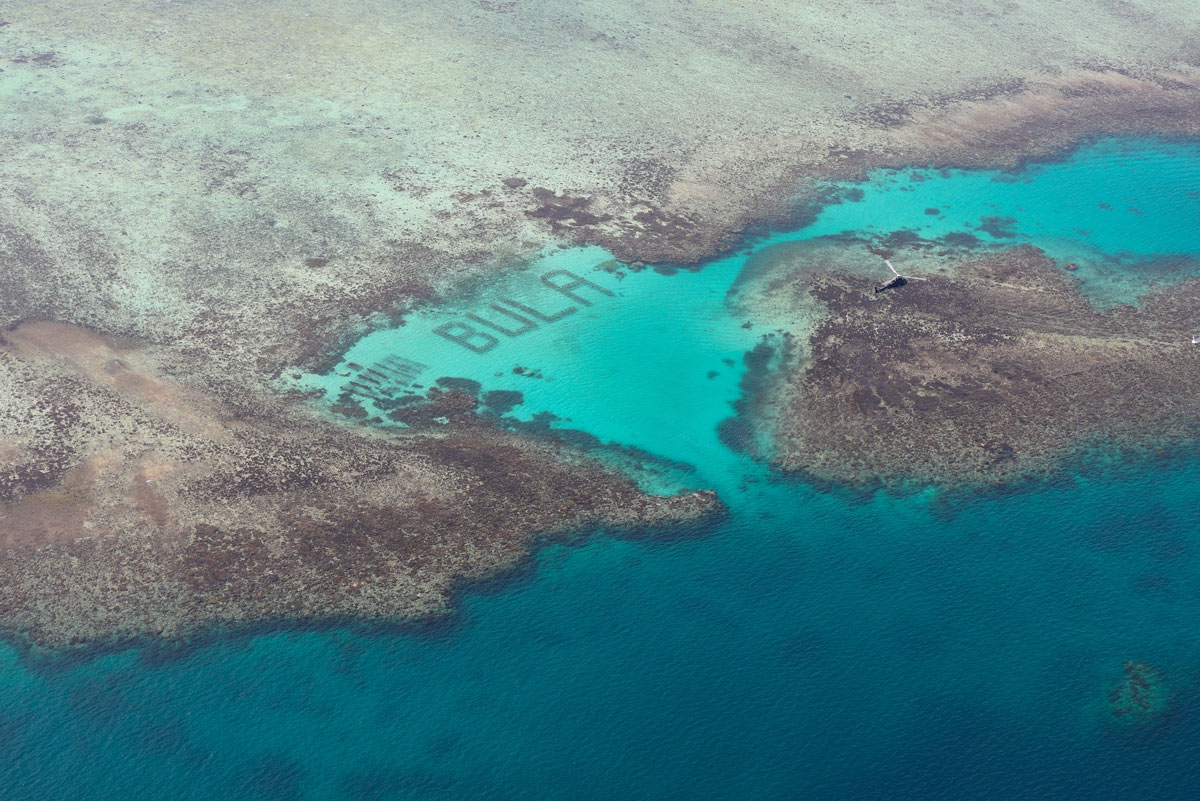
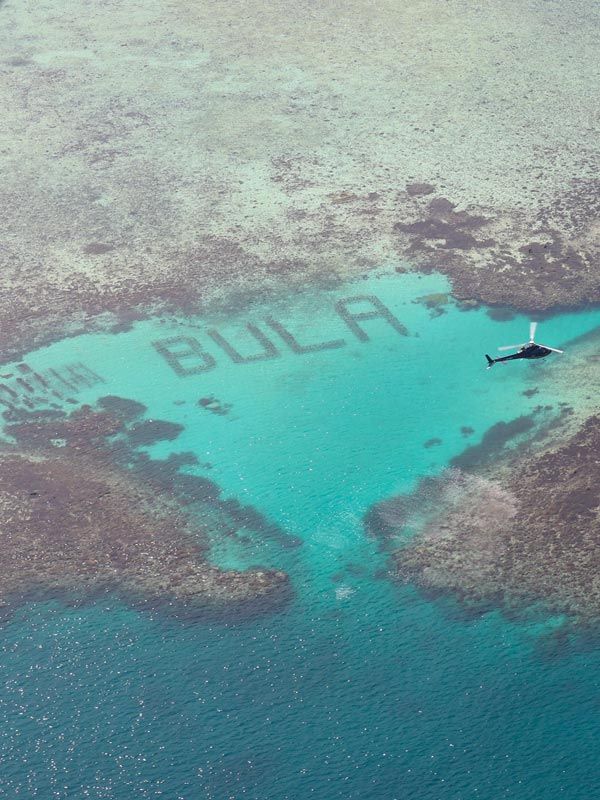
Giant letters spelling out the Fijian welcome bula greet me as I fly toward the island of Malolo Lailai. I’ve been told the letters reach almost 16 metres in height – or length because they’re lying down – creating the largest “rescue reef" of its kind in the world.

Yet from my window in what feels like a toy plane, their size appears as a drop in the ocean, not far from the famous surf spot of Cloudbreak, and the main Fijian island of Viti Levu just beyond. Still, they’re undoubtedly impressive, staring up at me from within impossibly aquamarine water.

BULA Reef, as it’s been named, is part of the United Nations-endorsed coral restoration program Reefs of Hope, run by NGO Corals for Conservation. Given its design, you may think it’s a tourist gimmick – the submerged word has the potential to attract “flight-seers" and snorkellers. But there is much more to this reef than wowing holidaying Australians. Fijians are the big benefactors – along with ocean lovers the world over.

What is BULA Reef?

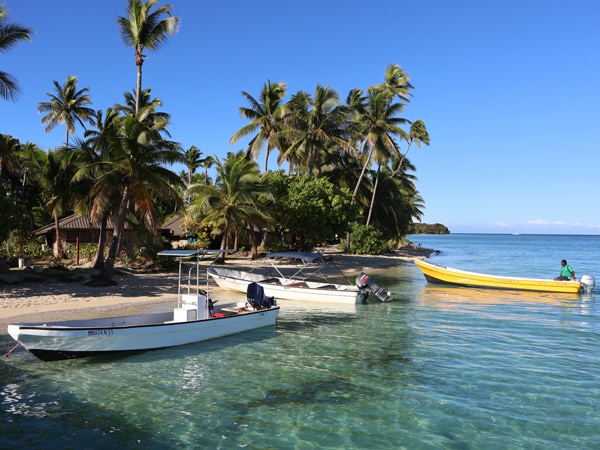
Before we get to the benefits of BULA Reef, let me explain exactly what it is. Constructed out of elevated metal frames, four large letters have been erected into the sand at a reef-protected location a short boat ride (or flight) from Malolo Lailai, home to Plantation Island Resort, in the Mamanuca Group. Resort staff are behind the project, working closely with the Fijian NGO.
Fiji Plantation Island Resort
BULA Reef has been erected into the sand at a reef-protected location a short boat ride from Plantation Island Resort. (Image: Jennifer Ennion)

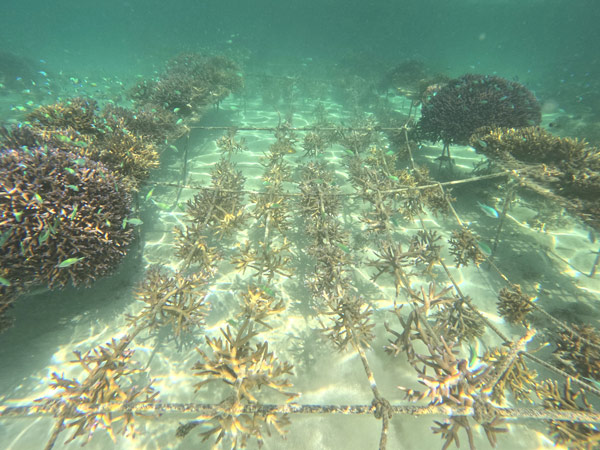
Essentially, marine biologists and volunteers removed corals from “hot pockets" – where corals are at risk of dying due to extreme heat stress – to this new BULA Reef in cooler, deeper and nutrient-rich water. It is hoped the corals will not only survive but thrive in their new location. If this happens, scientists will trim them and move the fragments to another area that has suffered from repeated marine heatwaves.

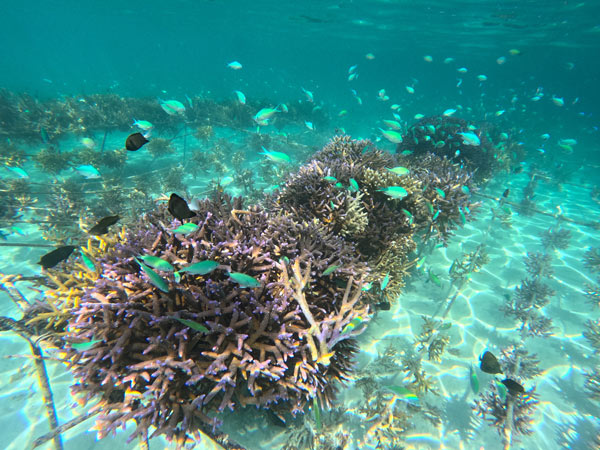
Beside the letters is a “super coral" nursery of heat-tolerant species that appear to be flourishing and, once large enough, will also be transplanted elsewhere. The whole point of this exercise is to safeguard Fiji’s corals for Fijians. So, it begs the question, how exactly do Fijians benefit? And how does tourism play a part?
BULA Reef super coral nursery
The “super coral" nursery of heat-tolerant species appears to be flourishing. (Image: Jennifer Ennion)

BULA Reef is different

Launched on World Oceans Day in June (2024), BULA Reef stands apart from many other coral projects in Fiji and the South Pacific in that it’s not simply a “set and forget" program. Nor is it another citizen science activity the water sports desk offers to tourists to make them feel better about their travel miles. The program is scientifically led and tended year-round.
BULA Reef, Fiji from a plane
BULA Reef is scientifically led and tended year-round. (Image: Jennifer Ennion)

At the time of writing this, there are no official tours to BULA Reef, although you can reach it by boat from Plantation Island Resort easily enough. Tourists may eventually be able to snorkel the reef in limited numbers, however, Raffe Hotels & Resorts, the parent company of the resort, discourages public visits. The main concern is damage from boat anchors and tourists. Scenic flights over the reef from Nadi, however, will likely become available. Such decisions fall in the hands of Fijian landowners.
BULA Reef super coral nursery
Tourists may eventually be able to snorkel the reef in limited numbers. (Image: Jennifer Ennion)

That said, holidaymakers can indirectly support coral conservation projects through their patronage of resorts and hotels that put the environment top of mind. By spending your dollars at places such as Plantation Island, you are keeping local staff employed, whether it be as chefs and musicians, or coral gardeners and marine biologists. A percentage of a guest’s stay at Plantation Island also goes toward funding sustainability, recycling and educational programs.

The growing global interest in green travel also motivates resorts to play a role in ocean science programs, and Plantation Island does just that by welcoming and training local and international marine scientists. The resort and Corals for Conservation received permission from nearby Solevu village to build the rescue reef and continue to invite villagers to learn more about conservation.
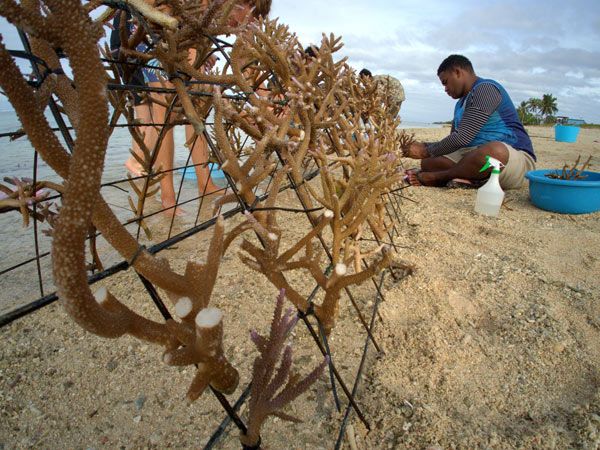
Man helping to Build BULA Reef
Villagers are invited to learn more about conservation. (Image: Jennifer Ennion)

How do Fijians benefit from coral conservation?

The more direct benefit from programs such as these is the eventual return of fish stocks to the area. Put simply: healthy coral equals more fish, and more fish means villagers can feed their families. Small island communities survive on subsistence living – catching and growing their own food – and the staff of Plantation Island Resort are proud to be able to help ensure this way of life for future generations.
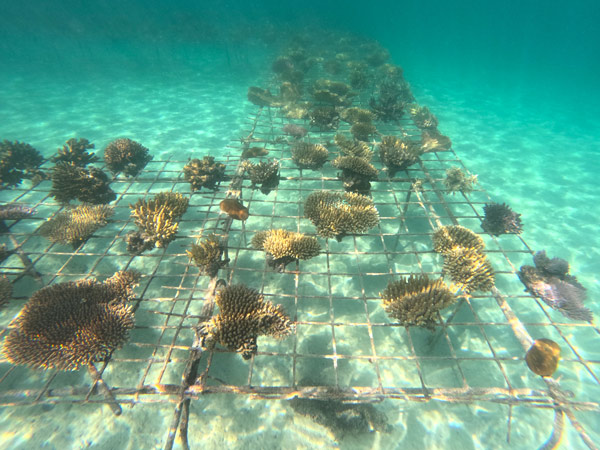
BULA Reef letters
Healthy coral equals more fish, and more fish means villagers can feed their families. (Image: Jennifer Ennion)

Resort marine biologist Litia Matakibau says BULA Reef has a huge impact on local villagers, especially children.

“It’s something to be proud of because it’s theirs," she says.

Although Litia is originally from the highlands of Viti Levu, she says through BULA Reef and other initiatives local children can be inspired to become marine biologists, especially when they visit the resort and learn about coral planting.

“We always invite them on Environment Day or World Oceans Day, so they come here and we do a speech with them or we invite guest speakers so in that way they are inspired, and when they go back they have something to tell their parents," Litia says.
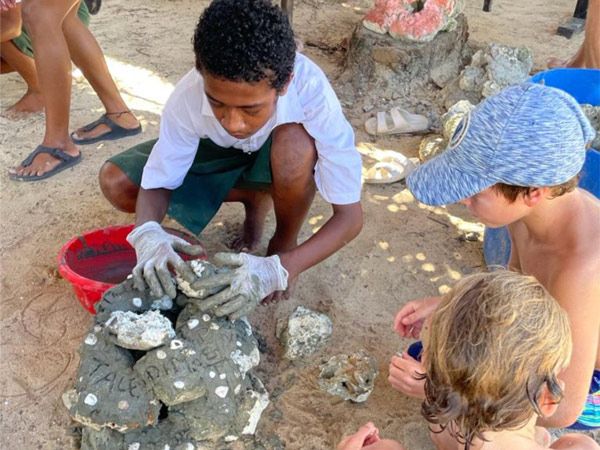
Kids on Plantation island Resort doing activities for BULA Reef
Local children can learn about coral planting. (Image: Jennifer Ennion)

Even when resort staff have a day off, they often join Litia to collect heat-tolerant corals and transplant them to BULA Reef. But there are other benefits beyond education and fishing.

“Coral reefs are the foundation of life in the South Pacific islands, providing food security, economic wealth, tourism, and protection to shorelines and villages," says Corals for Conservation founder Dr Austin Bowden-Kerby.

Dr Bowden-Kerby describes BULA Reef as a call to action for the global community to work with corals to keep them alive as they combat warming waters.
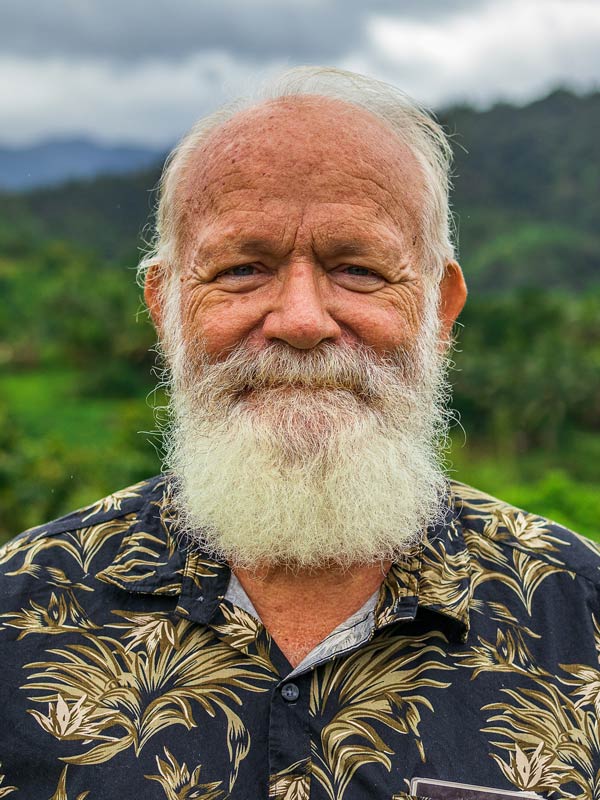
Dr Austin Bowden-Kerby headshot
Dr Austin Bowden-Kerby is the founder of Corals for Conservation. (Image: Jennifer Ennion)

Weekly travel news, experiences
insider tips, offers,
and more.

Hope for the future

BULA Reef isn’t the only coral project happening within the waters around Malolo Lailai. Next to the reef is Paradise Nursery, where heat-adapted corals have grown big and healthy and are ready to be moved to other reefs. Litia and the resort’s outgoing General Manager Alex Wilson (a driving force of the program) show me numerous metal frames with more transplanted corals. Some are away from tourist areas, while others are at popular snorkelling spots, offering guests a peek at the conservation work being done. Clearly, Litia, Alex and Dr Bowden-Kerby have been busy.
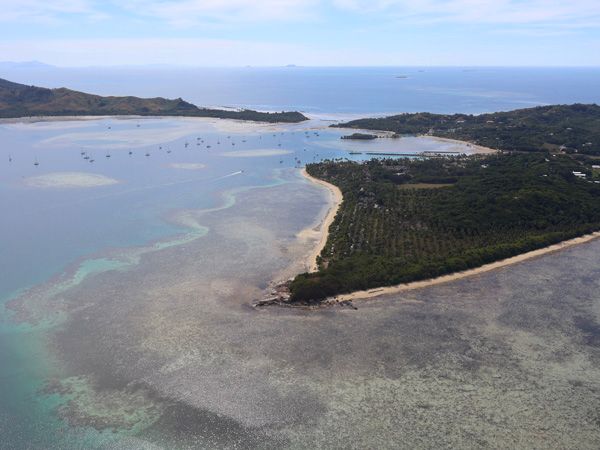
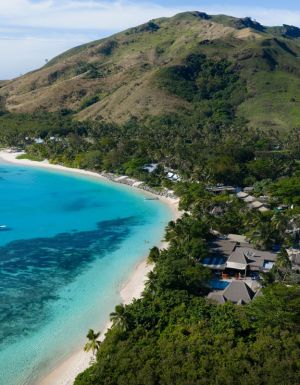
Fiji Malolo Lailai, home to Plantation Island Resort
BULA Reef isn’t the only coral project happening within the waters around Malolo Lailai. (Image: Jennifer Ennion)

Although the clear motivation is their passion for helping the environment, Alex understands that being more sustainable is better for business too, so the resort can cater to future eco-warriors. And he’s certainly on track: “Since we’ve created BULA Reef, that area was sparse, just sand flooring… (now) all the blue fish are coming back, the rabbitfish have come back, the parrotfish is coming back," Alex says.

“When I first went out there in 2018 and identified that spot, we had a huge decrease in the stock but now we’ve got baby octopus…"

It’s positive news for people such as Ben Sokobalavu, an avid spearfisher who has worked at Plantation Island for five years. Ben says BULA Reef helps the next generation of villagers and gives them hope.
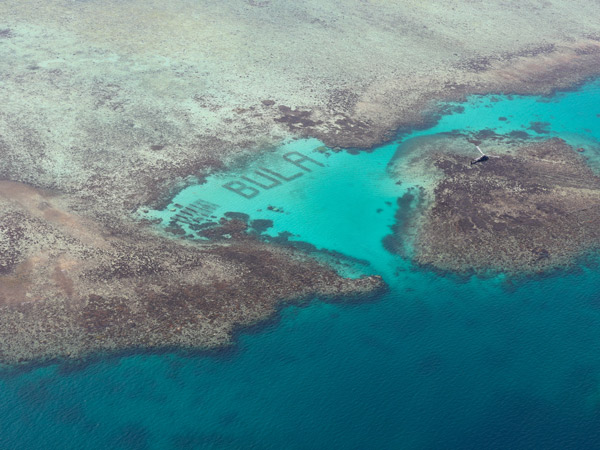
BULA Reef, Fiji from a plane
BULA Reef is spreading hope. (Image: Jennifer Ennion)

Want to see more stories from International Traveller in your Google search results?

  1. Click here to set International Traveller as a preferred source.
  2. Tick the box next to "International Traveller". That's it.
hero media

This cruise through the Pacific is the perfect way to lean into slow travel

    Slow travel is encouraging us all to take our time and truly experience our journeys, and cruising has always been the perfect way to do just that.

    The slow travel trend isn’t going anywhere. Instead of racing through a packed itinerary, travellers are opting for extended travel, allowing for a more immersive experience – as well as the time to actually feel reset and rested at the end of the journey. Part of that travel style is choosing the best method of travel. With none of the hassle, plenty to enjoy between ports, and port stops that allow time spent in a new place with a new culture, cruising may just be the slow travel answer.

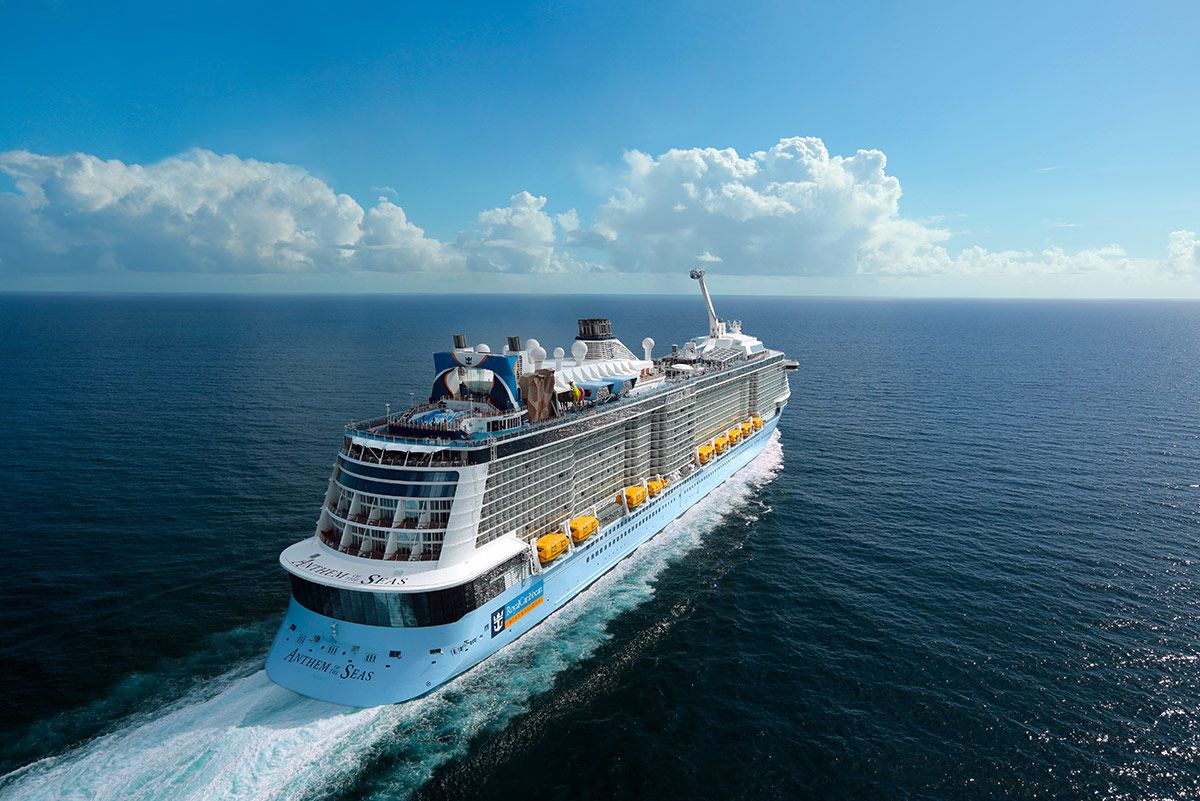
    And Royal Caribbean‘s new 16-night Long Adventure cruise itinerary from Sydney to Honolulu might just be the perfect slow adventure to get you started. After all, nothing says slow travel like getting on island time.

    Immersive travel itinerary

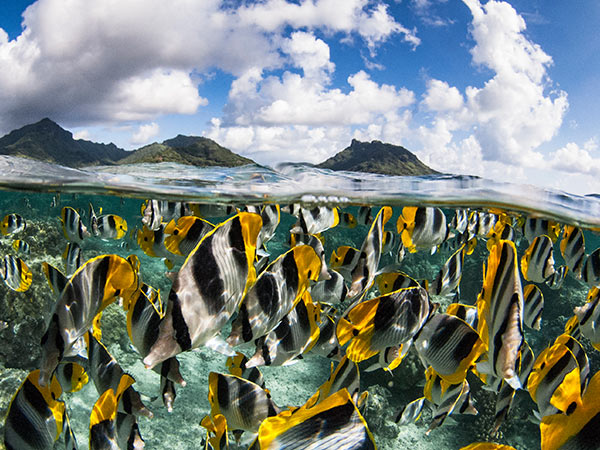
    moorea lagoon Pacific Double-saddle Butterflyfish
    Dive into underwater worlds. (Credit: Getty/ Global Pics)

    On this journey connecting Australia to Hawaiʻi, guests have a chance to experience destinations and culture that typically aren’t combined into one leisurely-paced trip. From tropical South Pacific islands to the beauty and culture of Hawaiʻi, each port offers its own rewards. Not to mention sea days in between to rest and reflect.

    Stop in Papeete, Tahiti, to watch waves roll over black and white sand beaches. Or wander through tropical beauty at Paofai Gardens. While in French Polynesia, gaze on the jagged green peaks of Moorea. Here, snorkel among vibrant coral and tropical fish in the Lagoonarium. Later, experience the lesser-travelled Raiatea – where coral gardens practically explode with marine life and inland hiking trails lead to waterfalls. End the journey with the golden beaches and rich culture of Honolulu.

    More time to connect

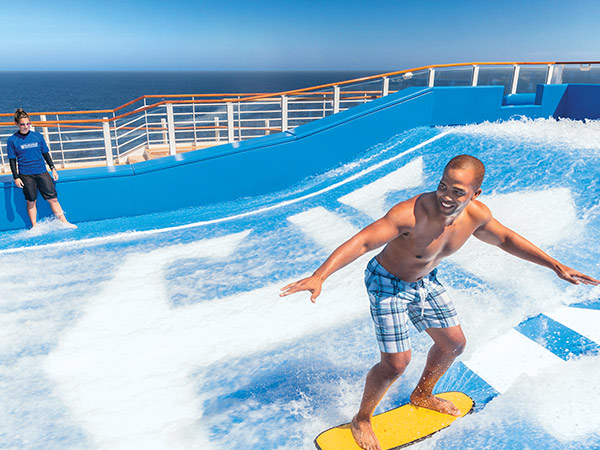
    wave rider on anthem of the seas royal caribbean
    Use sea days to make new memories together.

    The essential factor that makes cruising the ultimate form of slow travel? Time on board is never wasted. On Anthem of the Seas® during your Long Adventure cruise, that could look like booking a seat for world-class theatre productions and live shows. Or spending time together in one of the many pools, bars and lounges for all moods.

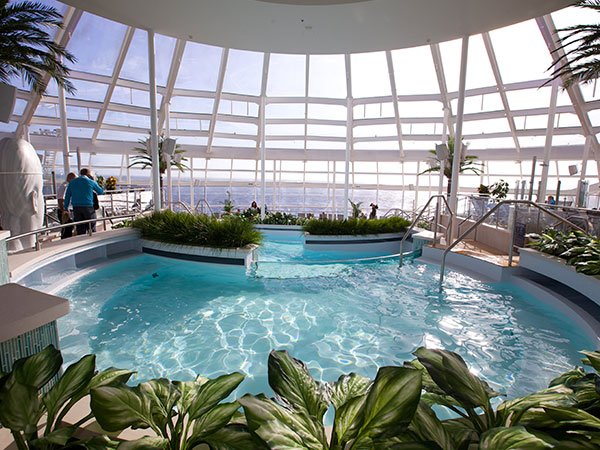
    Head to the adults-only Solarium, an indoor-outdoor retreat sitting right at the front of the ship for epic views from the swimming pools, whirlpools and lounge area. With something on every night, take in the onboard entertainment and nightlife. Like We Will Rock You – the West End musical featuring the legendary hits of Queen.

    Built-in pauses

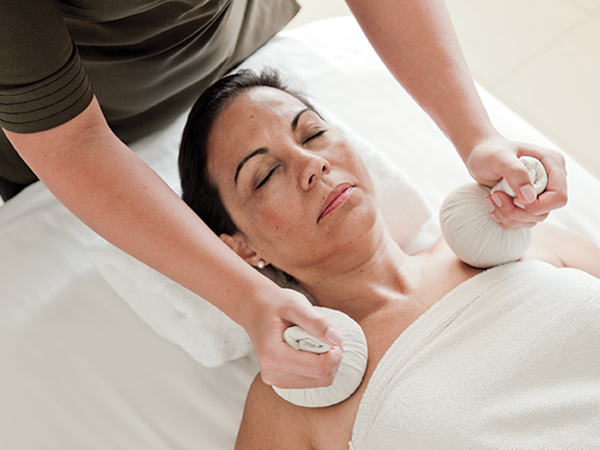
    RCI Vitality℠ Spa
    Enjoy a spa treatment at Vitality Spa.

    We so often forget to factor in time to pause and reflect when we travel, but sea days are a built-in deep breath. Take advantage of resort-style living at sea to disconnect and avoid the trap of a frantic holiday schedule.

    On Anthem of the Seas, expansive spaces have been designed specifically to help guests relax, reset and enjoy the journey. Spend time together enjoying onboard entertainment, dining, or lounging by the pool. Head to the observatory to check out an unpolluted night sky. Or, for something truly special, book a restorative massage or rejuvenating facial at Vitality℠ Spa.

    Remove travel hassle

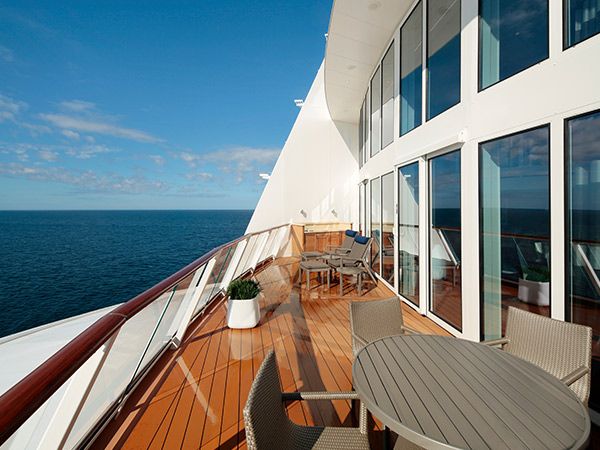
    royal caribbean anthem of the seas royal loft balcony room
    Unpack once, and return to your own comfortable room every night.

    Instead of sweating as you run from one airport gate to another, getting grumpy because everyone is sleep-deprived or having to unpack and pack over and over again, travel time is spent creating new memories together. Simply depart from Sydney and let the rest be taken care of for you.

    Unpack once, and return to the same comfortable room every night. This all-inclusive cruise brings together accommodation, dining, entertainment and transport in one seamless experience. It’s a more considered way to travel, offering exceptional value and removing logistics.

    Dine at your leisure

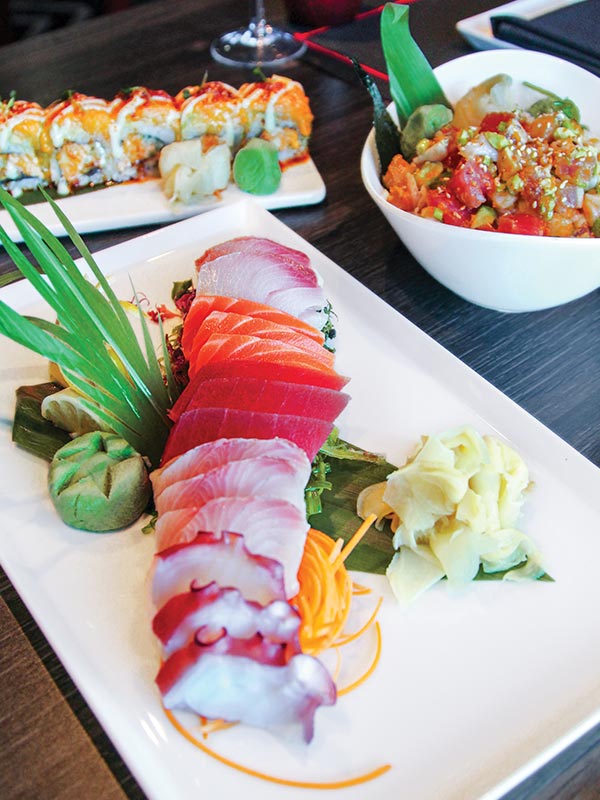
    Izumi Sashimi
    Dine on flavours from around the world.

    With world-class dining and a choice of over 18 dining options on board Anthem of the Seas, indulge your senses at any time (and never feel rushed). Take advantage of Royal Caribbean’s Dynamic Dining concept, allowing guests to choose from multiple complimentary restaurants, each with its own distinct style.

    Or, book in for an elevated experience at specialty dining venues, with flavours from around the world. Tuck into Jamie’s Italian, led by the celebrated British chef Jamie Oliver. Enjoy Japanese delicacies at Izumi. For something really special, join the Chef’s Table, where up to 14 guests can indulge in a five-course wine-pairing dinner hosted nightly by an Executive Chef and Sommelier.

    And with 11 bars and lounges to choose from, there’s always a new spot to enjoy a tipple. Like the unique mixology experience at Bionic Bar, or caipirinhas at the ship’s Latin-themed club, Boleros.

    A taste of diverse cultures

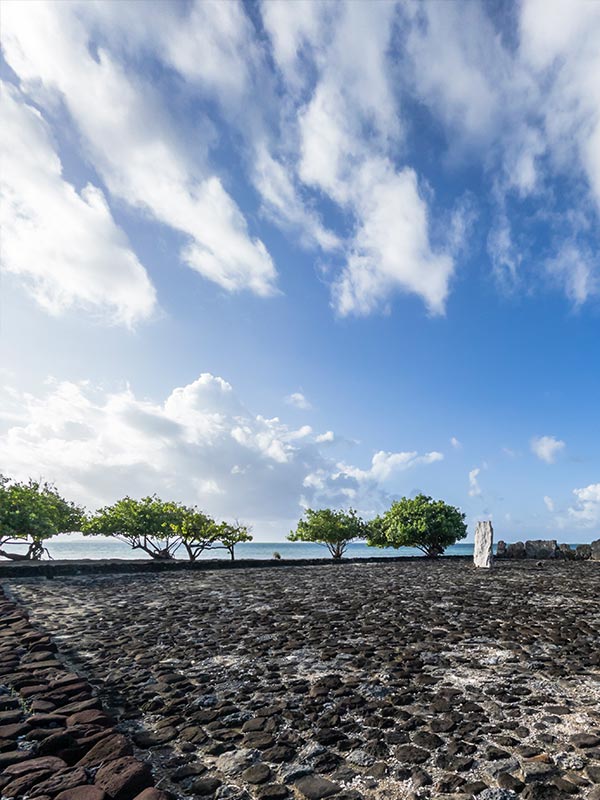
    Marae Taputapuātea on Raiatea
    See Marae Taputapuātea on Raiatea.

    Let Anthem of the Seas transport you overnight between diverse international ports. With cruising, there’s no need to pick just one destination. The longer, more immersive Transpacific cruise itinerary allows travellers to experience a range of destinations and cultures all across Oceania.

    Head inland at Papeete to discover the story behind one of Tahiti’s most iconic treasures at the Robert Wan Pearl Museum. Visit the sacred Marae Taputapuātea on Raiatea, a UNESCO World Heritage site, before leaning into the relaxed local rhythm in Uturoa commune. And delve into the rich and diverse cultural heritage of Hawaiʻi.

    The luxury of time

    royal caribbean solarium
    Relax in adult-only areas of the ship.

    The greatest luxury that cruising provides is that of time. More time to disconnect, more time to explore, and more time to enjoy the journey at your own pace. This Long Adventure voyage isn’t just about racing from destination to destination; it’s about how you get there. Taking your own time, both on sea days and during days on land.

    Start planning your Long Adventure at royalcaribbean.com.au.