hero media

I ate at North America’s number 1 restaurant and can’t stop thinking about it 

A purple grape, hot sauce and a Korean fine-dining icon taught me what separates a good meal from the greatest of my life. 

It felt inevitable when New York City’s Atomix was crowned the number-one restaurant in North America by The World’s 50 Best Restaurants this year. Chef Junghyun ‘JP’ Park has quietly become one of the sharpest voices in modern Korean cooking: thoughtful, meticulous, and obsessed with balance. Atomix is his defining work.  

After honing his craft at Melbourne’s Cutler & Co. and London’s The Ledbury, Park led the kitchen at New York’s Jungsik before launching Atoboy, a casual Korean restaurant co-founded with his wife and fellow food scientist, Ellia.  

Atomix followed in 2018, then Naro at Rockefeller Center and the new Seoul Salon, establishing a multi-tiered Korean dining empire that now dominates New York’s hyperkinetic food scene. 
Atomix restaurant exterior
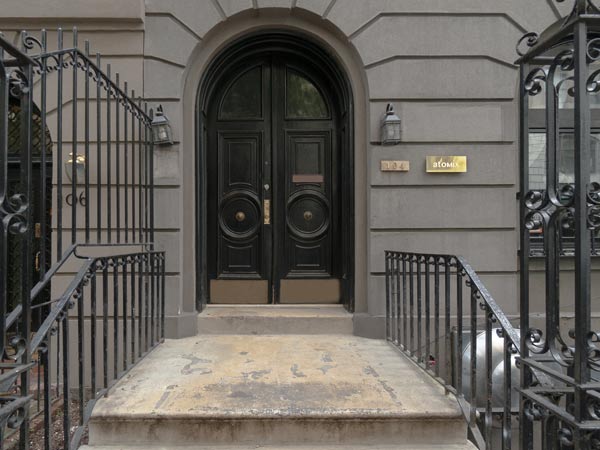
Atomix establishes Korean cuisine as the finest in New York. (Image: Studio Writers)

I’ve eaten across all of Park’s venues (except Seoul Salon) and can confidently call Atomix the most memorable dining experience I’ve had. The reason lies in the couple’s unwavering dedication to Korea’s culture of precision and symbolism. 

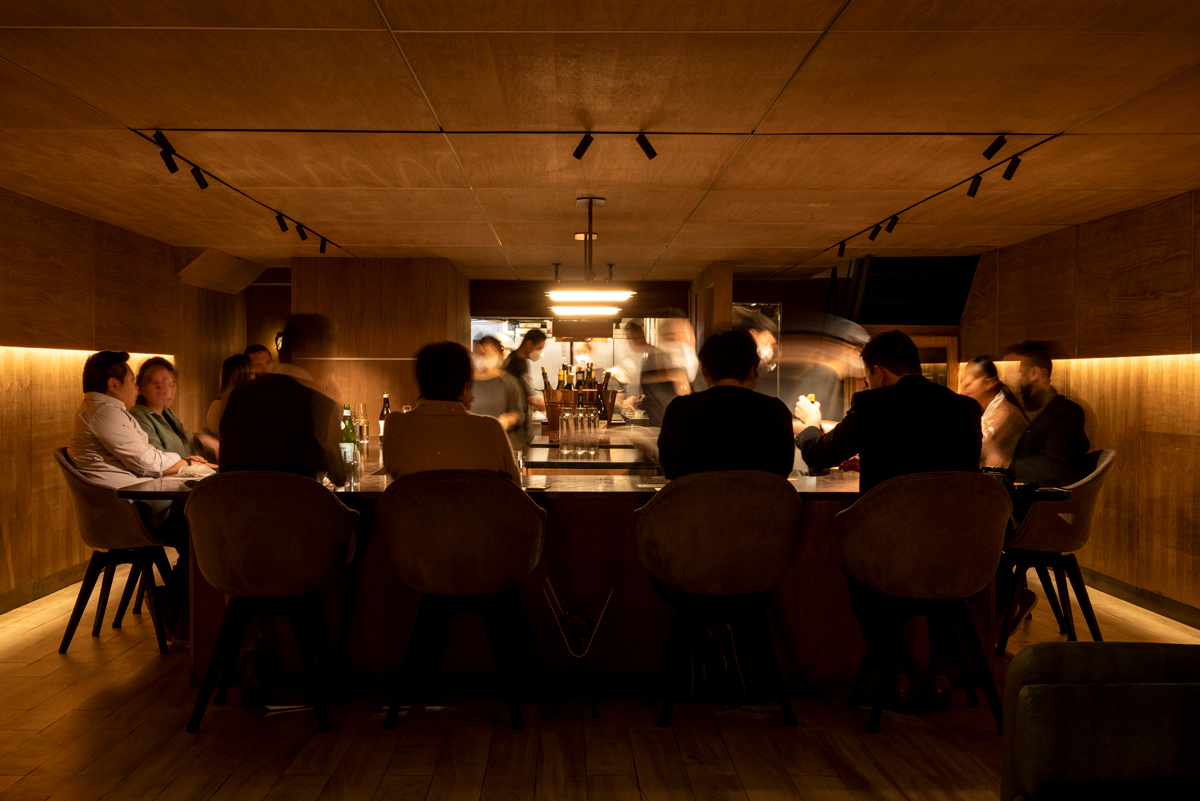
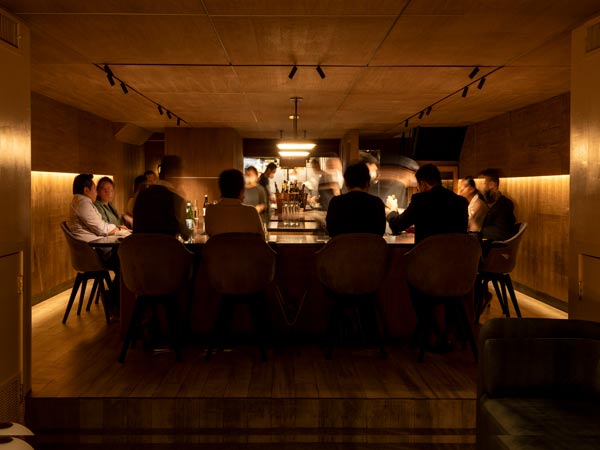
The Parks commission South Korean ceramicists for Atomix’s tableware, each piece echoing traditional forms. Guests choose their own chopsticks from a personal collection, and dishes arrive with handmade cutlery from long-established Seoul shops. The horseshoe-shaped counter, framed by minimalist geometry, mirrors the simplicity of Korean cuisine. Each course arrives with a collectable card, blending storytelling and augmented reality to visualise the inspiration behind the dish. 

Conceptual, multisensory fine dining is nothing new, but rarely is it this studious. Yet atmosphere is only secondary to what truly distinguishes this as a top-shelf experience: a desire to keep finding the perfect flavours.  
Atomix dining room
The dining room is equal parts intimate and inviting. (Image: Evan Sung)

Two floors above the dining room, an R&D kitchen and cocktail bar drive constant experimentation, dissecting fermentation and balance to push Korean cuisine beyond its familiar foundations of bap (rice) and banchan (small dishes). 

The subterranean chef’s table is the endpoint for many of these dishes, worked into a 10-12 course set priced around A$610. That’s the most I’ve ever dropped on a dining experience. I didn’t expect to get my money’s worth, and yet the revelatory rollout of textures, temperatures and precision felt like a masterclass in how flavour behaves. It was like culinary Tetris, every piece fitting flawlessly. 

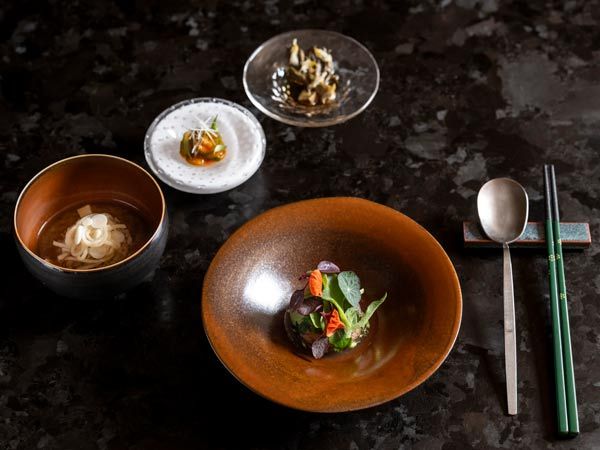
Horse mackerel and monkfish liver overlapped on a crispy nuruk cookie. Creamy sea urchin served on steamed carrot cake. Pops of juicy Kristal caviar flecked between a medley of bluefin tuna, sugar snap peas and fermented cabbage. Buttery soft A5 wagyu lifted by tomato ssamjang with potato and chopi. I’ve never had a set menu as consistent and fascinating.  
Atomix food
Each plate is a feast to the senses. (Image: Evan Sung)

Although it’s the fifth course, scallop with Japanese firefly squid, gochugaru and moo, that floored me. The squid’s squishy texture and dense flavour contrasts with the fresh flakiness of the scallop, swimming in a rich broth made from fish sauce and crème fraîche.  

A slightly smoky gochugaru sauce brings it all together, rolling a pleasant heat across the palate for the most complex spice I’ve ever experienced. It’s smartly restrained, heightening the full-flavoured palate without overwhelming the premium ingredients. 

I didn’t fully grasp Park’s intelligence until months later, sitting in a classroom at the Culinary Institute of America in New York State for its Taste Like a Chef masterclass. 

A masterclass in taste 
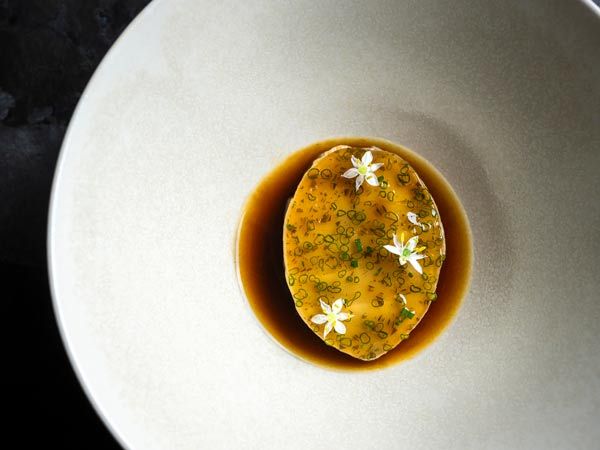
abalone eggplant
Exposure to different flavours refines one’s taste buds. (Image: Evan Sung)

“Now dip the grape in the hot sauce," my lecturer says as I scoop some sriracha onto a slice and pop it into my mouth. Shallow dishes of salt, sugar, lime, hot sauce, sliced purple grapes and red jellybeans are hardly what I expect when I enter the prestigious cooking school, which has birthed everyone from Anthony Bourdain to Daniel Humm. 

Yet the short, hour-long lesson is hinged on the physiology of taste and the perception of flavour, so it makes sense to break things down to the bare bones. Sweet, sour, salty, bitter and umami are represented by each of the seemingly disparate ingredients in front of me. 

I pinch my nose and chow down on a jellybean that tastes like nothing, only to slowly release my nostrils so I can feel the familiar flavour pour back onto my palate, by way of smell. I sprinkle salt on a grape to brighten the sweetness while being told to focus on the dryness and astringent skin like a gastronomic guided meditation. 
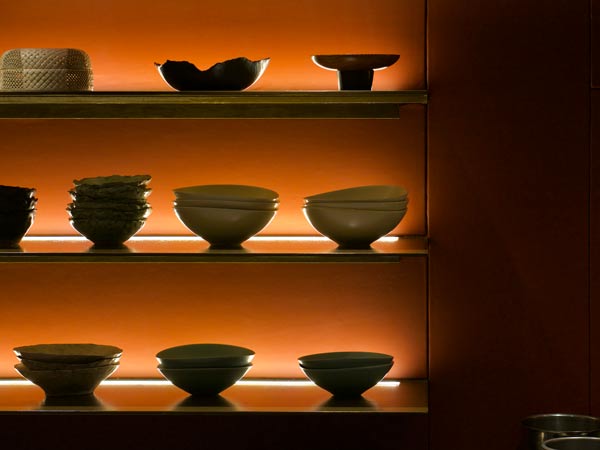
Atomix bar
South Korean culture is embedded in their ethos, reflected even in the tableware. (Image: Kelt T)

My guide, Chef Kamen, told me that to taste like a chef means to be open to all flavour combinations, even if they don’t initially make sense. Flavour is largely based on memory after all, and the more you taste in life, the more references you have. 

The hot sauce on the grape doesn’t make sense at all; the heat comes in one big burst and then just drops off, while the sweetness is lost. There’s no balance, but when I add more ingredients to the odd combination, it starts to come together.  

The lingering heat moves to the sides of my tongue before dancing to the back of the palate while leaving a pleasant tingle. I instantly think of the gochugaru sauce from Atomix, and how it felt like Park was orchestrating exactly how the heat would streak across my taste buds.  

“Chefs need to understand the has-needs relationships when it comes to foods," Chef Kamen tells me afterwards.  

“What do some ingredients have that others need, and how do we bring as many of the senses into play. Texture, aroma, flavour, appearances and even the sound of food all contribute to a sense of deliciousness." 

Weekly travel news, experiences
insider tips, offers,
and more.

The K-Wave 
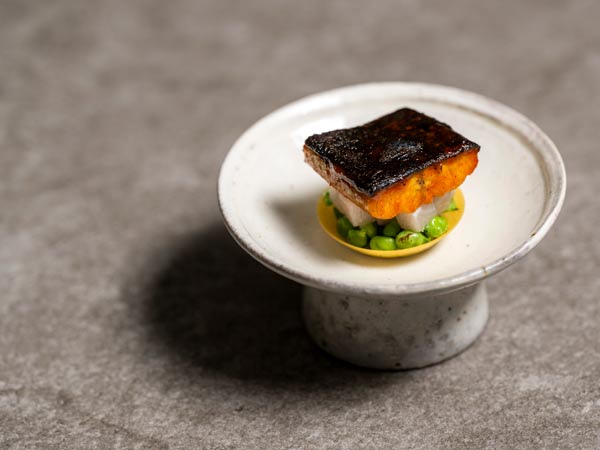
Yellowtail Freshwater Eel,
Yellowtail Freshwater Eel, a must-try dish in Atomix. (Image: Evan Sung)

I read a study a few years ago on how South Korea has used gastrodiplomacy to better their economy. This makes sense in the wider context of Hallyu (or, Korean Wave) that has seen the global popularisation of Korean culture through music, film and food. It’s a form of soft power that’s most obvious in New York City, where wider cultural trends are born almost daily.  

Reportedly, there are over 500 Korean restaurants across the city hitting all price points. Casual charmers like Her Name is Han and tofu-based Cho Dang Gol are great for quick pop-ins, while institutions like Park’s Atoboy, known for the best fried chicken in New York, and pioneering fine diner Jungsik remain top-shelf experiences. I’ve even been to a Korean fine diner, Noksu, hidden in an otherwise unremarkable subway station. Cote, a luxurious take on KBBQ, is considered the best steakhouse in North America. 

The reasons Korean food is so popular in an unforgiving, fickle city like New York are plentiful. But one is most obvious. Korean food lives and breathes on the art of fermentation. It’s this that brings a new depth of deliciousness to a city that’s already considered top tier for gourmands.  

Fermentation tells the story of Korea’s strong seasonality. Once a survival technique for long winters, it’s now the foundation for the umami depth and textural complexity that give Korean ingredients their remarkable adaptability.  

And it’s because of this that Korean ingredients have so much potential for chefs the world over, opening them up to complex tastes that can be used to find new flavour profiles in ongoing experiments.  

And as the Culinary Institute of America taught me, what truly distinguishes the top brass in the culinary world is a precise understanding of how to build flavour. And sitting at that counter in New York, I realised the best meals don’t just feed you but teach you how to taste. 

Enjoyed that? Discover the New York restaurants to have on your radar, according to Neil Perry. 

Want to see more stories from International Traveller in your Google search results?

  1. Click here to set International Traveller as a preferred source.
  2. Tick the box next to "International Traveller". That's it.
hero media

12 grand journeys throughout North America

    Discover North America’s epic adventures — from Route 66 and Alaska cruises to Hawai‘i road trips, NYC culture, Mexico trails and more.

    1. Route 66, the Main Street of America

    Travelling with: Ricky French

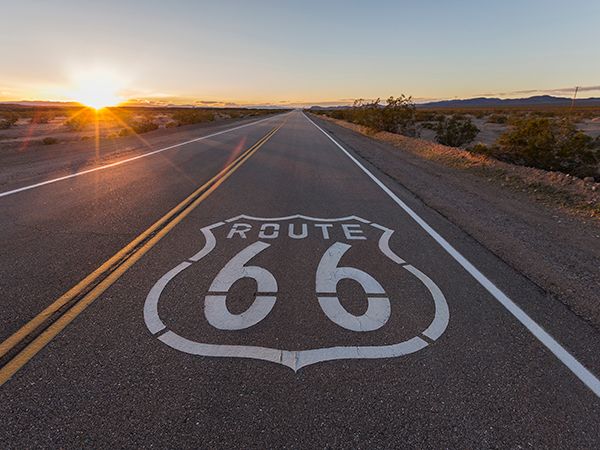
    Sunset on Route 66 in the California Mojave Desert.
    Hit the open road and trace America’s legendary highway. (Image: Getty/Der_Thomasa)

    Dubbed the Main Street of America, Route 66 radiates serious main character energy, cemented into popular culture through everything from John Steinbeck’s novel The Grapes of Wrath to the Disney Pixar film Cars. Spanning nearly 4000 kilometres from Chicago to Los Angeles, the historic highway celebrates its centenary next year, a timely invitation to take the mother of all road trips along the Mother Road. Allow two to three weeks to tackle the full length, or bite off a smaller chunk at either end, cruising the dramatic deserts of California or the more pastoral landscapes of Illinois, lined with neon-lit diners, retro gas stations and quirky roadside attractions.

    2. Mexico’s Día de los Muertos

    Travelling with: Carla Grossetti

    emblematic catrina of mexico with flowers and necklace with sempasuchil flowers
    Celebrate life and honour loved ones in vibrant style. (Image: Getty/Fabian Pacheco)

    You might know Oaxaca as the birthplace of mole and mezcal. But the state in southern Mexico is also where the Día de los Muertos (Day of the Dead) began. Time your visit to coincide with the colourful holiday, on 1–2 November, which honours and celebrates loved ones who have passed away. Oaxaca is also Mexico’s Michelin-starred culinary capital, with 18 restaurants and a humble taco stand listed in the 2025 guide.

    3. Museum-hop in New York City

    Travelling with: Carla Grossetti

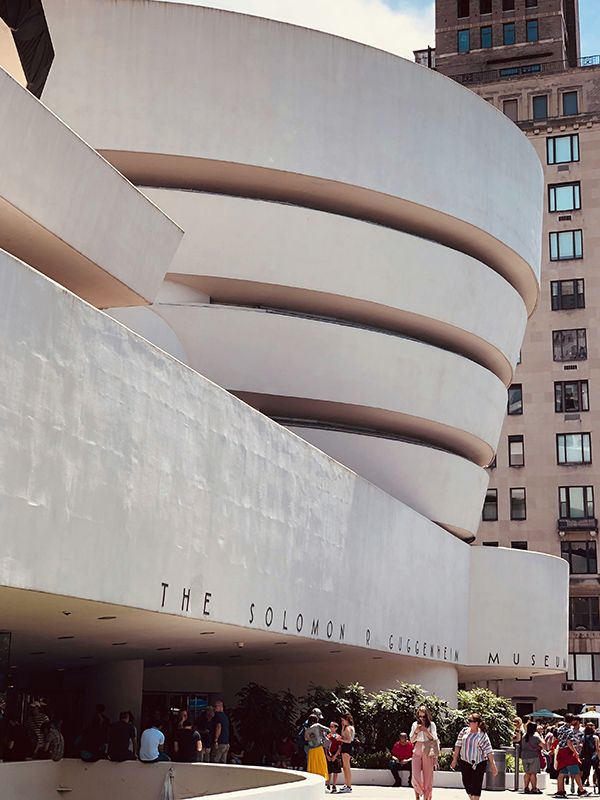
    The Guggenheim Museum’s iconic spiralling exterior, a highlight of North America Epic Adventures.
    Step inside and marvel at bold, world-class art. (Image: Damiano Fiore)

    Your map app will look like it’s been scattered with confetti after you’ve dropped pins on all the museums you want to visit in New York City. Must-sees are the Solomon R. Guggenheim Museum, the Metropolitan Museum of Art aka the Met, and the Museum of Modern Art. The American Museum of Natural History is also a draw. It’s also worth venturing into the boroughs to browse institutions such as the Brooklyn Museum, which has a huge permanent collection categorised by culture.

    4. The USA’s music scene

    Travelling with: Elizabeth Whitehead

    The Seattle skyline at night, aglow with city lights on North America Epic Adventures.
    Soak up skyline views and dive into the city’s coffee culture. (Image: Abigail Boone)

    If you’re a muso, chances are you’ve wanted to make a pilgrimage to the United States, the epicentre of so many beloved genres. Whether you’re head-banging your way around the Grunge Circuit in Seattle, chasing the twang of the pedal steel through Tennessee or bouncing between blues bars in the Mississippi Delta, the USA’s rich music culture has something that’ll strike a chord.

    5. Road-tripping Hawai‘i

    Travelling with: Carla Grossetti

    A woman surfing in Hawaii, gliding across turquoise waves on North America Epic Adventures.
    Catch the waves and ride Hawaii’s iconic swells. (Image: Ben Ono)

    Hawai‘i is one of the most diverse US states to road trip around. Of the six major islands to visit, the Island of Hawai‘i packs in everything from the snowy summits of Mauna Kea and Mauna Loa to black-sand beaches and lava fields frozen in the act of flowing forward. Change down a few gears on the island of O‘ahu, too, where you can find your own patch of sand on Waimanalo Beach. Visit poi and pineapple plantations. And hang ten on beginner-friendly waves on the North Shore.

    6. Cruising Alaska

    Travelling with: Carla Grossetti

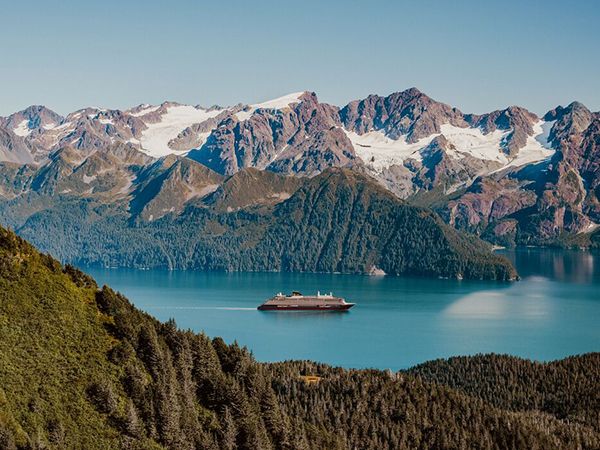
    Explora Journeys ship cruising in Alaska.
    Sail past glaciers and spot whales in pristine waters.

    Seeing Alaska from the sea allows you to cover a lot of distance quickly. This immersive frontier now beckons more than ever before with Explora Journeys adding the American state to its global destination portfolio. Best of all are the pre-and post-journey immersions that connect the luxury of a cruise onboard Explora III with the rugged grandeur of the Alaskan interior. UnCruise Adventures also weaves in access to remote national parks, legendary wildlife corridors and authentic cultural experiences on its Alaskan itineraries.

    7. The Wixárika Route in Mexico

    Travelling with: Elizabeth Whitehead

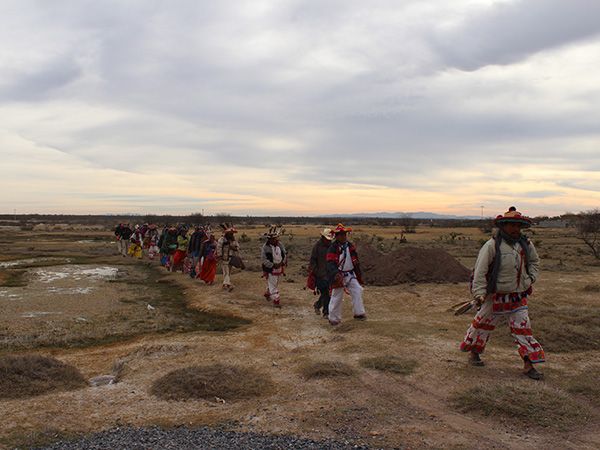
    People journeying through the Wixarika Route.
    Journey deep into sacred Huichol traditions and art.

    For generations, the Indigenous Wixárika People of Mexico have walked a sacred path known as Tatehuarí Huajuyé, or ‘The Path of Our Grandfather Fire’. The annual pilgrimage route spans 500 kilometres, taking in significant sites in Wixárika spirituality and cosmology. The route passes through the deserts, mountains and forests of northern Mexico before reaching Wirikuta, believed to be the place the sun first emerged. The route is a living cultural landscape of Indigenous culture pre-Columbian influence and, in July this year, was formally inscribed into UNESCO’s World Heritage List.

    8. Drive the Iceberg Coast in Canada

    Travelling with: Carla Grossetti

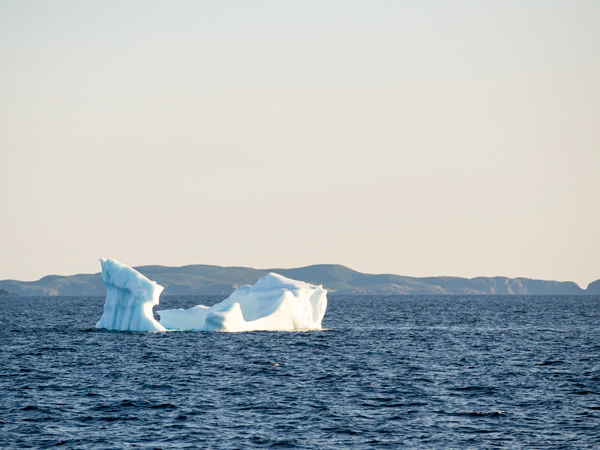
    Iceberg off the east coast of Canada
    Chase icebergs along Expedition 51 on Canada’s east coast. (Image: Canadian Tourism Commission/ Chris Hendrickson)

    Download the icebergfinder.com map to better plan your road trip along Canada’s Iceberg Coast. The new highway, which has been nearly 25 years and CAD$1.1 billion in the making, threads through the country’s pleated coastlines around Quebec, Newfoundland, Labrador, Nova Scotia and New Brunswick before looping in the French islands of St Pierre and Miquelon. As well as chasing icebergs along Expedition 51, travellers will have the opportunity to engage with cultures that have thrived in the pristine provinces for thousands of years.

    9. A foodie tour of Nova Scotia

    Travelling with: Katie Carlin

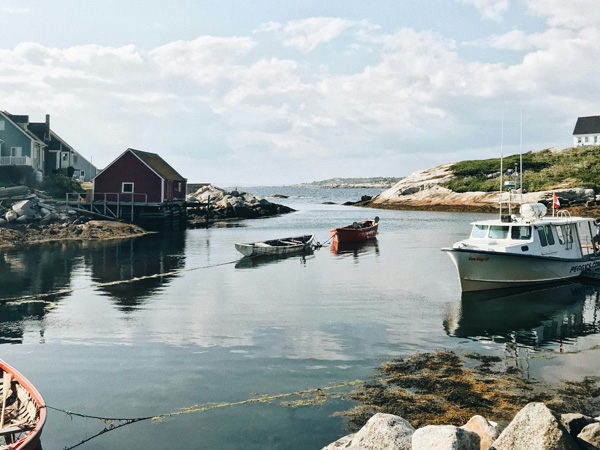
    Lunenberg Nova Scotia
    Try lobster rolls in Lunenburg on the east coast of Canada in Nova Scotia. (Image: Natalia Kvitovska/ Unsplash)

    World-famous for its lobster, Nova Scotia is a Canadian province best savoured through its culinary clout shaped by sea and terroir. Bite into lobster rolls at historic Lunenburg’s Salt Shaker Deli & Inn and sip maple rum at Ironworks Distillery. Winery-hop around Wolfville’s rising vineyards (don’t miss Lightfoot & Wolfville). Take a maple syrup tour at Sugar Moon Farm near Earltown. And pull up a seat at waterfront Bar Sofia in Halifax, where Nova Scotia oysters aguachile arrive bright with cucumber, lime and pickled onion.

    10. Soak up the sun in the Caribbean

    Travelling with: Carla Grossetti

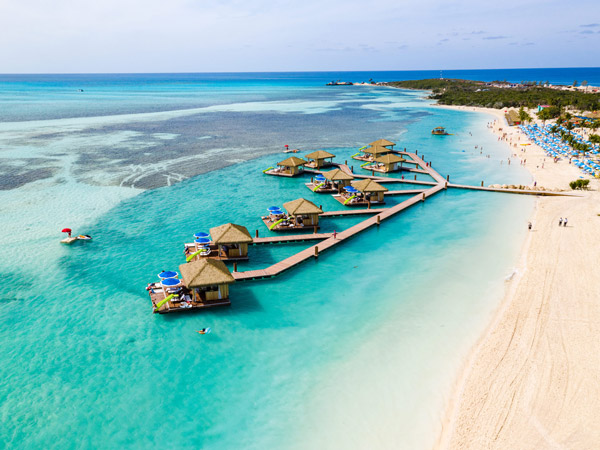
    Overwater bungalows off a beach in the Caribbean
    Experience the white-sand beaches and cerulean seas of the Caribbean on board a cruise.

    The Caribbean is on the radar for seasoned cruisers. And it’s easy to see why, with white-sand beaches, cerulean seas and swaying palms so picture-perfect they look AI-generated. Cruise with Windstar, Royal Caribbean, and Celebrity on its inaugural Xcel season to the Caribbean to enjoy action-packed excursions such as snorkelling coral reefs and shopping for local trinkets. And those sea days? Spectacular.

    11. Red Chair Hikes of Canada

    Travelling with: Kassia Byrnes

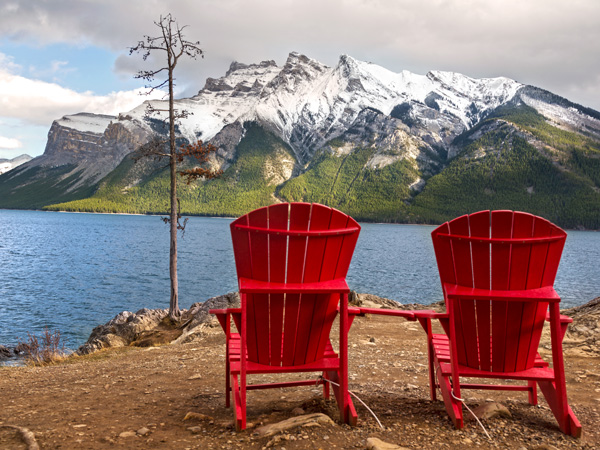
    Red Adirondack chairs overlooking Lake Minnewanka in Canada
    Take a seat at Lake Minnewanka, one of more than 400 red Adirondack chairs scattered across Canada’s hiking routes. (Image: Getty Images/ Autumn Sky Photography)

    No one appreciates the great outdoors more than Canadians, emerging from snow-covered winters to tread glacial rivers and snowshoe through forests, or to hike mighty mountains and wildflower-strewn valleys come spring. Along popular hikes around the country, more than 400 red Adirondack chairs have been placed in peaceful, breathtaking locations. What started as a social media contest now sees hikers soaking in classic Canadian lake and mountain vistas, overlooking historic sites or gazing down on the mountainous path they just travelled.

    12. Ride the Rocky Mountaineer from Denver to Moab, USA

    Travelling with: Carla Grossetti

    Sweeping views from the Rocky Mountaineer.
    The Rocky Mountaineer will continue as the Canyon Spirit in 2026, seen here carving through Ruby Canyon.

    Sighting wild animals is one of many incredible thrills along the two-day luxury Rockies to the Red Rocks route onboard the Rocky Mountaineer across America’s Southwest between mid-April and mid-October. In addition to the lone bear, we spot bighorn sheep, elk, beavers, pronghorn antelope, bald eagles and ospreys. Riding the rails onboard the luxury train, which was founded in Canada in 1990 and has been awarded the prestigious World’s Leading Travel Experience by Train several times, has never been about just getting from A to B. Ride the train from Denver to Moab and you will see the scenery change from snow-capped peaks to meadows, red-rock canyons and soaring cliffs that resemble ornate Gaudí-esque cathedrals. But it’s not until you get off the train that you can produce the ultimate Venn diagram, with nature and adventure in the intersecting spheres.