The journey from the Pacific Coast to the Rockies onboard the iconic Rocky Mountaineer is one many travellers have long imagined. More than a century ago, the very same rail route was built on the seemingly impossible dream of connecting Canada from east to west.
There’s a sense of occasion when we step foot on the Rocky Mountaineer station, where the gleaming midnight blue and gold train awaits like a vision in the morning mist. It’s 7.30am on a brisk April day in Vancouver, British Columbia’s charming coastal city. The cherry blossoms have started to blush after a long winter, but there’s still a bite to the air.
A bagpipe player dressed in the traditional Scottish kilt (the Rocky Mountaineer’s tartan has been officially registered in Scotland) serenades – well, welcomes – us onto the platform. Between his tuneful blasts and a hot cup of coffee, I’m very much awake. I gather with the other rugged-up and rosy-cheeked travellers and there’s a tangible feeling of excitement growing as we count down to departure.
Aboard the iconic Rocky Mountaineer
Ask any passenger onboard the iconic train and they’ll tell you that they’re ticking it off the bucket list. The words “once-in-a-lifetime adventure" and “dream trip" are thrown around the carriage throughout our two-day ‘First Passage to the West’ journey, which follows part of a historic route from the Pacific Coast across the Continental Divide to the Canadian Rockies.
Riding the rails on the Rocky Mountaineer is a quintessential Canadian experience. Not just because it’s beloved by the people of Canada or that it passes through otherwise inaccessible swathes of remarkable scenery, but also, historically speaking, the railway played a significant part in shaping modern Canada.
More than 150 years ago, this journey through the remote, largely ‘undiscovered’ terrain (although well-known by First Nations peoples), would have been simply astounding. For context: at that time, it was cheaper and faster to reach British Columbia from Hong Kong than it was from Halifax. So, as far as grand visions go, it doesn’t get more ambitious than building a railway network that connects the vast expanses of Canada.
The extensive project required ingenuity, determination and a pioneering spirit. Sir William Cornelius Van Horne, who later became president of the Canadian Pacific Railway, was the man with the plan. He successfully oversaw the construction and when it was completed in 1885, the railway came to symbolise the unity of Canada as a nation. And at the very least, it can be credited for kickstarting tourism in Alberta in the late 19th century, which has since become the posterchild for the country’s awe-inspiring scenery, attracting more than 34 million visitors each year.
Navigating the Canadian Rockies
By far, the most challenging stretch of the scheme was our route through the Canadian Rockies. As we crisscross the country for 901 kilometres onboard the train, there’s plenty of time to contemplate and I find myself constantly imagining the efforts of thousands of men working on the tracks, who overcame obstacles including grizzly bear encounters, forest fires, treacherous mountainous terrain, freezing winter temperatures and solid granite, which was broken down by explosives.
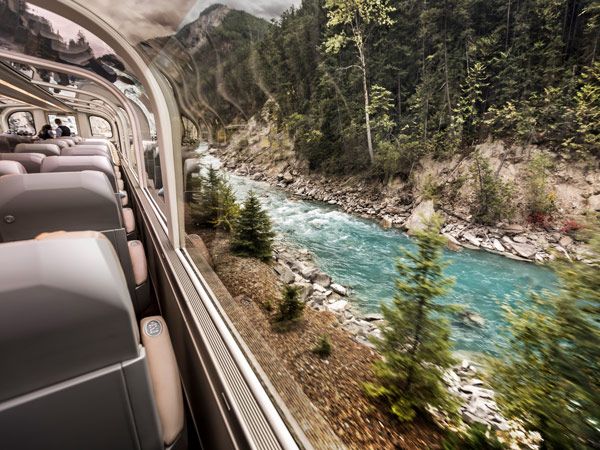
Now, as I’m comfortably settled on North America’s most luxurious train, my greatest concern is wondering if the gentle rocking of the carriage could cause one to drift off to sleep for fear of missing out on the ever-changing scenery rolling by my window. As we career along one of Canada’s most scenic stretches, we have front-row seats with a limitless panorama.
There’s a sense of awe at every turn (often accompanied by audible gasps) – tremendous waterfalls, imposing iron bridges that span across rivers, aquamarine lakes, sparkling glaciers, soaring canyons and the surreal landscapes of BC’s inland desert. Then, finally, the long-awaited jagged silhouette of the Rockies.
The train offers two levels of service, although both are all-inclusive. The SilverLeaf, a single-level railcar with generous windows and delicious pre-prepared meals served in-seat, or the premier tier, GoldLeaf, which I am travelling – recognisable for its custom-designed bi-level coach with a glass dome boasting 360-degree views. It feels as if you are encased in a snow-globe, in the most marvellous way.
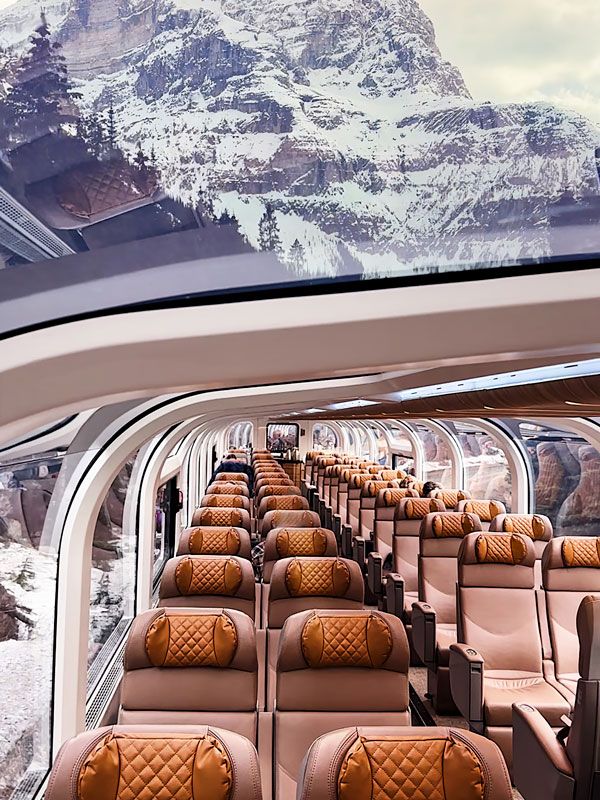
Day one: Vancouver to Kamloops
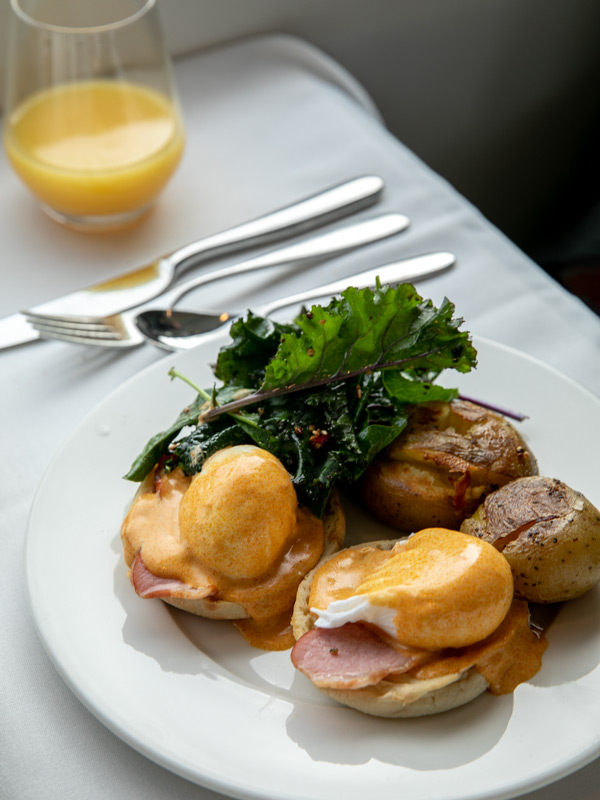
The train has barely left the big smoke before we’re tucking into a gourmet breakfast in the dining car. There are two separate seatings to accommodate the 70+ guests in each GoldLeaf carriage. We’re poured steaming cups of coffee and served seasonal fruit salad, warm cinnamon scrolls and an à la carte menu to choose from. But who could look past the lemon and honey buttermilk pancakes? Generously drizzled with liquid gold in the form of Quebec maple syrup.
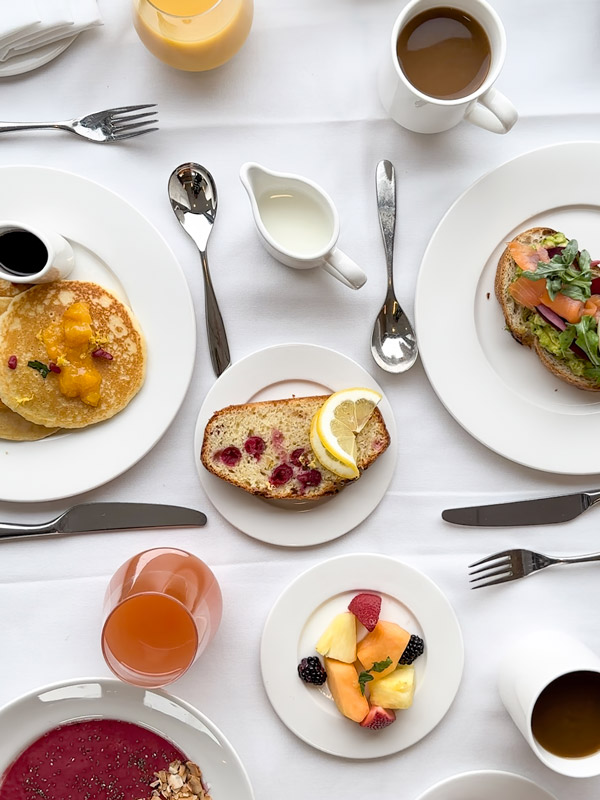
We’re travelling an average of 45 kilometres per hour. This is slow travel at its finest. The ‘no wi-fi’ philosophy is a welcome chance to unplug and immerse yourself in the experience. Today’s leg unveils the verdant fields of Fraser Valley, venturing through forests and winding river canyons, guided by the curvature of the Cascade Mountains, before the surprisingly surreal desert-like landscapes of British Columbia’s interior.
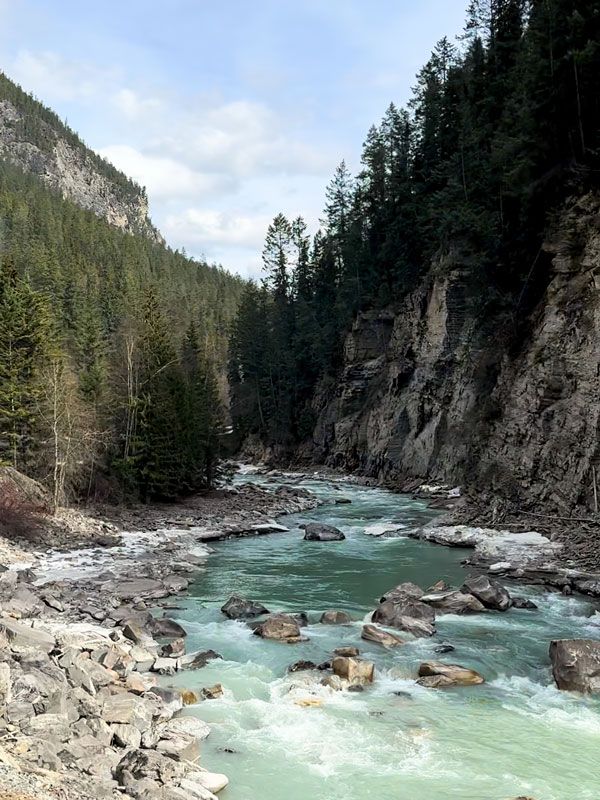
GoldLeaf passengers are accompanied by a local host – in our case, charming Matt Jones, who has been riding these rails for 12 years. Throughout the journey he regales us with stories, points out key sights and delivers 24/7 service – topping up our complimentary drinks and snacks over the 12-hour-long days (try the Caesar, a Canadian bend on the Bloody Mary made with Clamato).
The locomotive slows to rolling speed so we can capture Kodak moments, such as the whooshing waters of Hell’s Gate: a narrow and treacherous passage in the Fraser Canyon once described by Canadian explorer Simon Fraser in his diary as “a place where no human should venture, for surely these are the gates of Hell." I throw on my coat and step out on the observation platform where the pine-scented breeze blows through my hair and the river rushes at my feet.
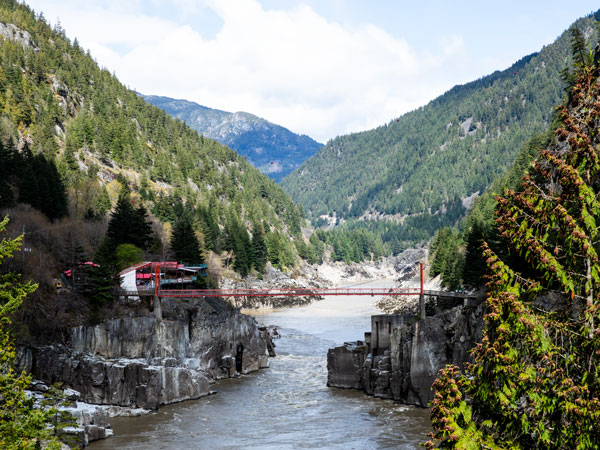
The rhythmic clacking of the train provides a soundtrack that heightens anticipation as my fellow passengers and I are keeping a keen eye out for grizzly bears, elk and moose. The creatures prove to be just as elusive as the fantastical Sasquatch, who is believed to dwell in this region. Alas, not much wildlife to be seen so early in the season, although we’re satisfied spotting majestic eagles soaring overhead.
After braving the elements, we all retreat into the carriage to sink into our plush leather seats, which are heated (a welcome luxury right at this moment). As the sun starts to set, the train makes a stop at Kamloops, a small riverfront town in the heart of British Columbia’s interior where we spend the night at a local hotel. The train only travels in daylight to ensure no views are lost to the inky night.
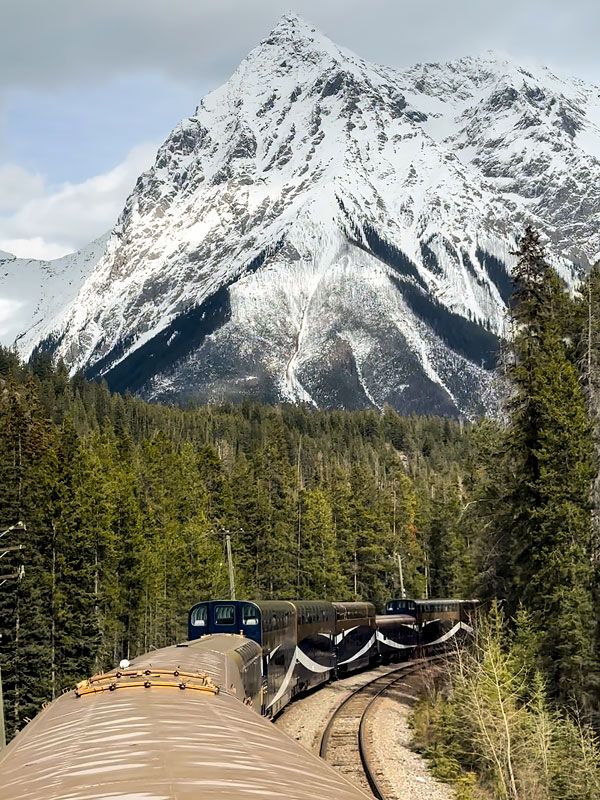
Day two: Kamloops to Lake Louise
It’s an early start, 6am, and we’re whisked to the train by motorcoach. Soon enough we’re seated onboard happily with hot chocolates in hand. This is the day the journey shifts from exceptionally pleasant viewing to pick-your-jaw-off-the-floor scenery. Matt instructs us to set our watches to ‘mountain time’, such is the distance we’ve covered, but also reflects the slower pace to the Albertan way of life.
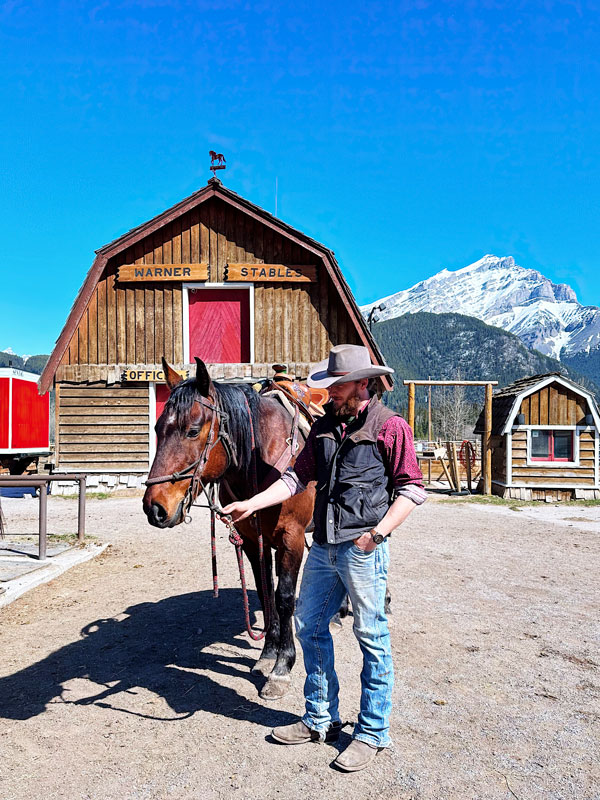
Wide-smiled Canucks greet us as the train rolls by. “It’s the friendly Canadian wave," Matt explains. A few cowboys sitting stoically on their steeds in Kamloops ranch country tip their hats, but none welcome us more enthusiastically than Doris, who gives us a double wave from the porch of her yellow house near the town of Canoe on Shuswap Lake. She’s much loved by the Rocky Mountaineer staff, as her presence has become a fixture of the route.
We move at a snail’s pace as we pass Craigellachie to glimpse the location of ‘the last spike’, where the western and eastern sections of the railway finally met after four years of construction. There’s a monument that marks the historic occasion of when the final railway spike was driven into the track.
Gourmet meals served at your seat
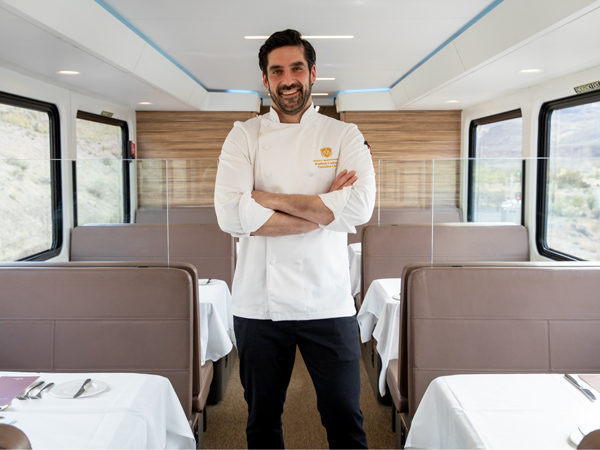
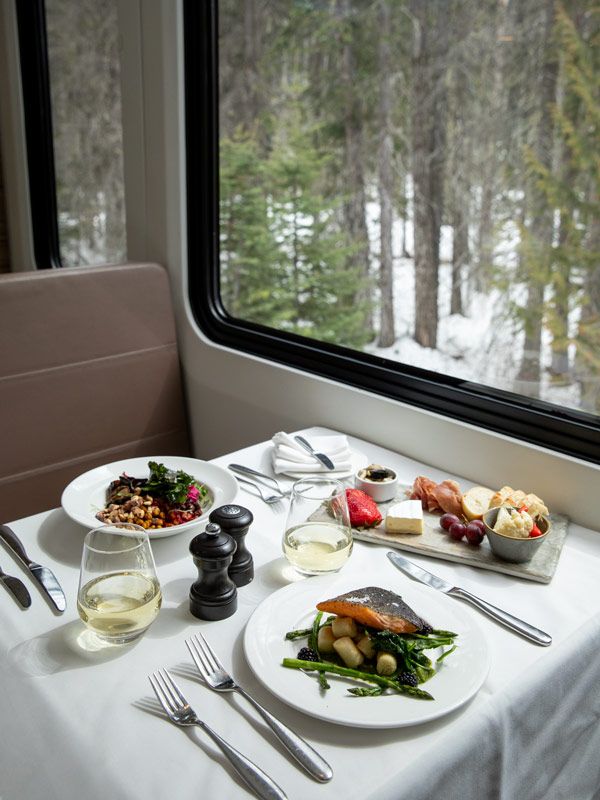
Our attention soon turns to lunch. There’s a reason this train is a favourite for foodies. The dishes are inspired by the scenery that passes us by. “There are plenty of blackberry bushes along the tracks, so I started serving blackberries with salmon – and at certain times of the year you can even see the salmon swimming up the rivers," says executive chef Kaelhub Cudmore. What’s more impressive is that it’s perfectly executed whilst we are hurtling across Canada in a tiny rattling kitchen. “We no longer serve soup," he jokes.
There’s a focus on locally sourced ingredients on the menu, from Dungeness crab ravioli to Alberta striploin steak, and the BC steelhead fillets with handmade gnocchi, served with blackberries and an asparagus sauce. The three-course meals are paired with local wines from the Okanagan Valley, showcasing Canada’s finest flavours.
Passengers are seated together so by the end of each meal we’ve formed new friendships. In summer, when wildlife is more active, one can only imagine how bonded you’d feel witnessing a grizzly bear emerge from the trees mid-mouthful of dessert.
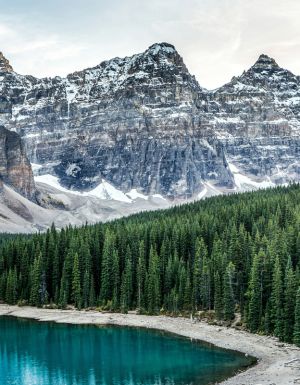
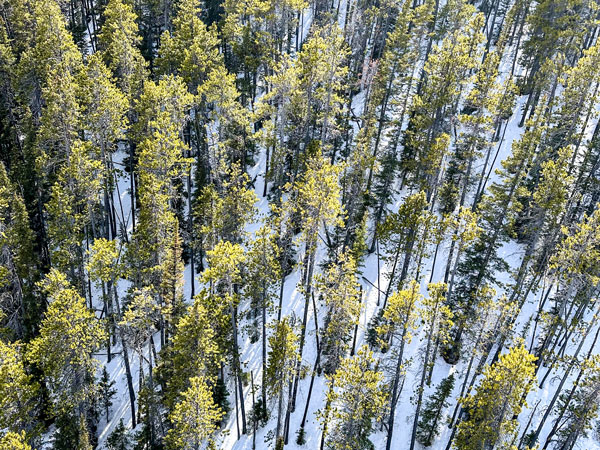
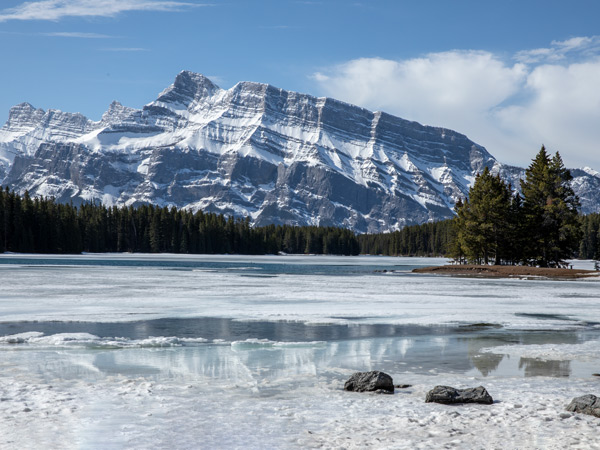
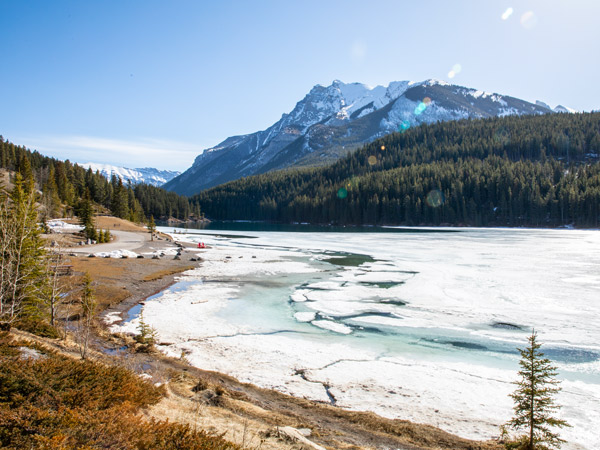
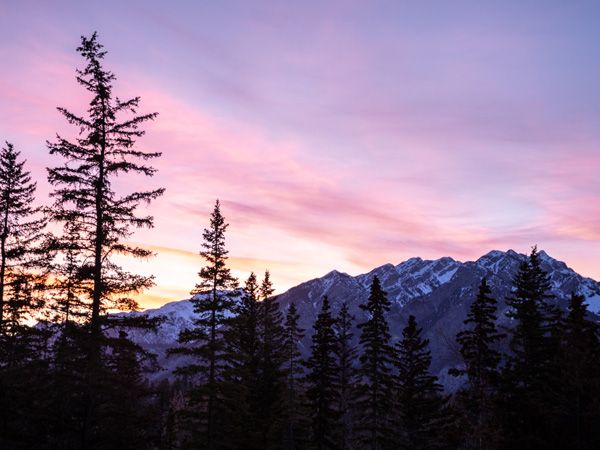
By now, the temperature has an icy edge. Dusty desert landscapes have given way to snow-dusted pines and, as we wind deeper, a carpet of white. “And there you see the little land formations known as the Rockies," quips Matt, as we crane our necks to gaze at the vertiginous jagged peaks.
There’s a flurry of excitement when it’s announced we will enter the Spiral Tunnel – the infamous corkscrew-shaped passages formed by blasting rock with explosives more than a century ago. We hold our breath as we follow the figure eight path threaded through the densely forested Ogden and Cathedral mountains.
Drinks are continually poured, and the mood is festive. More than 12 hours onboard today went by in the blink of an eye. As the day draws to a close, we come to a halt at the quaint Lake Louise station. However, our adventure is not quite over. They say it’s about the journey and not the destination, but Lake Louise, the jewel of the Rockies, is quite a spectacular end of the line – a final chapter to what has been a fairytale.
End of the line
Remember Van Horne, the former president of the CPR? Well, his idealistic pursuits also included dreaming up two storybook hotels in North America famously saying, “Since we can’t export the scenery, we’ll have to import the tourists".
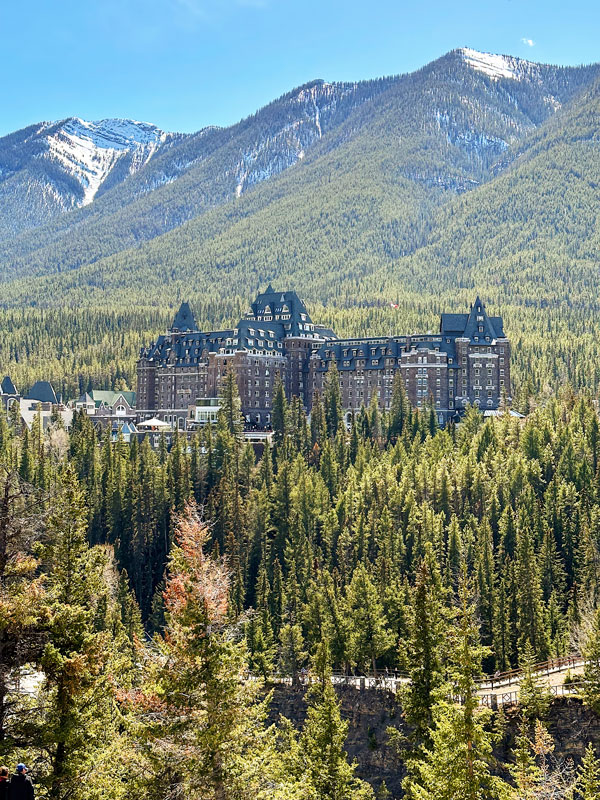
There’s the nearby Fairmont Banff Springs, also known as the ‘Castle in the Rockies’ due to its magnificent facade modelled off a Scottish castle. The imposing lodging was built a handful of years after a few railway workers ‘discovered’ the hot springs, which led to the opening of Banff National Park – the country’s first-ever and most cherished national park.
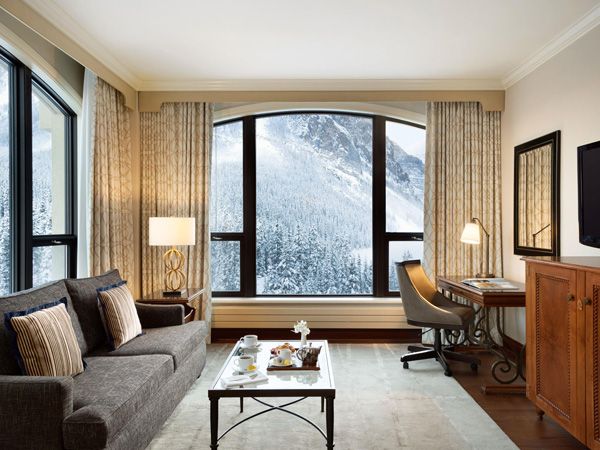
And The Fairmont Chateau Lake Louise – where we are staying for the next two nights – is the grand dame perched on the shore of the startlingly blue Lake Louise. The hotel is recognised as a national treasure, having welcomed guests arriving by rail since its beginning as a humble chalet for summer enthusiasts.
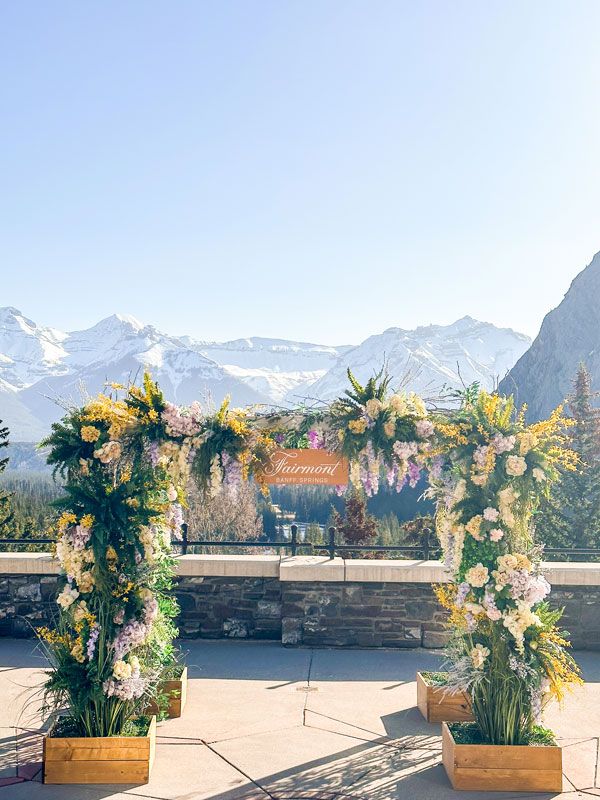
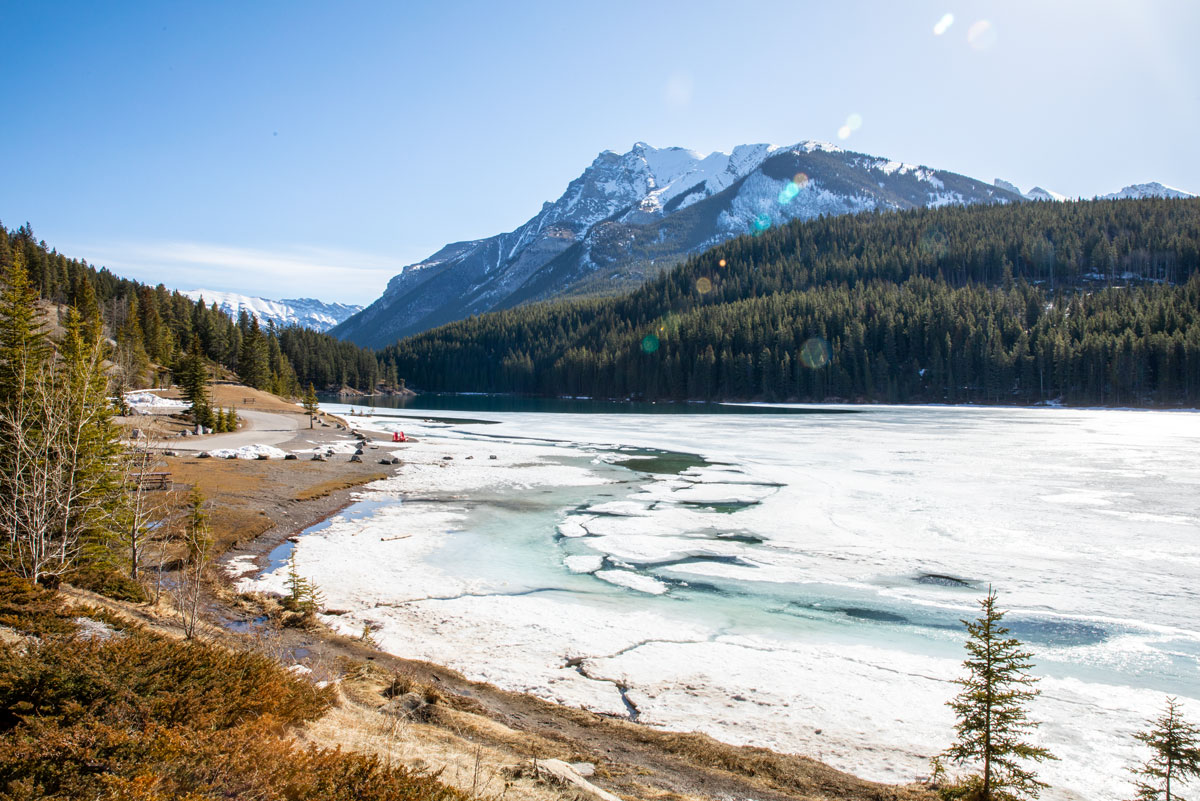
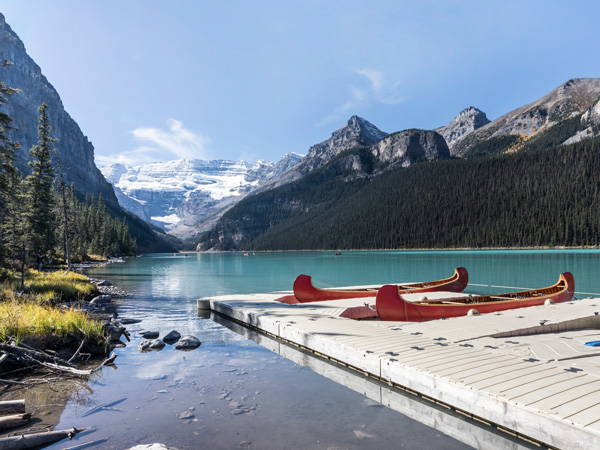
In the past 48 hours I’ve been exceedingly spoilt with stunning outlooks at every turn, and this hotel is no exception. The window to my suite frames Lake Louise with a backdrop of Victoria Glacier sparkling in the sun – it’s the tail-end of winter and the lake is still frozen. Come summer it will change from a white glittering surface dotted with ice-skaters to a turquoise-blue mirror that you can glide across on a bright red canoe.
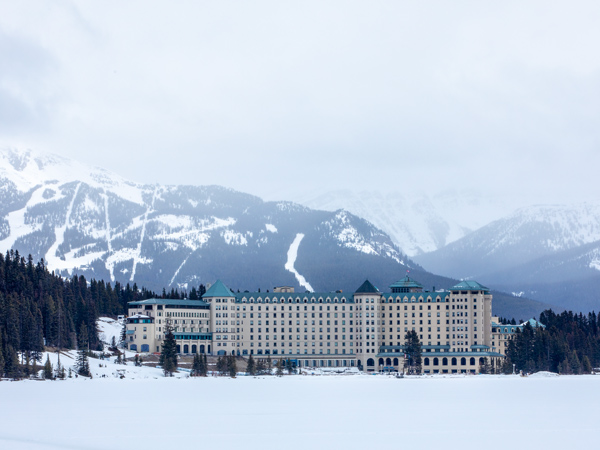
The next morning, I take a guided lakeside stroll crunching through the snow with the hotel’s expert guide Mike Vincent, whose passion for wildlife is infectious. More specifically, his admiration for the most famous grizzly bear in Banff National Park nicknamed ‘The Boss’ – who is so unusually large that his diet consists of ‘black bear burgers’ and has even shrugged off being hit by a train. Mike’s tales leave us secretly hoping a grizzly will stumble from hibernation and wander right into the hotel grounds.
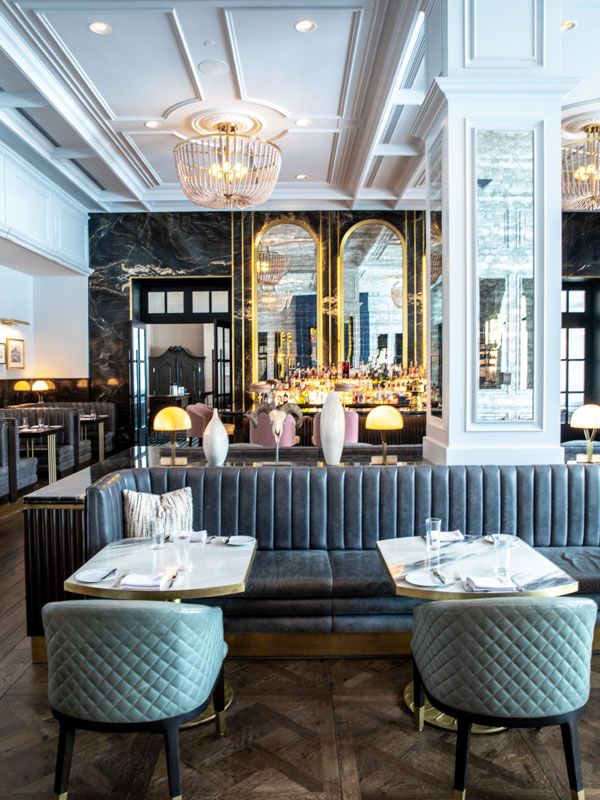
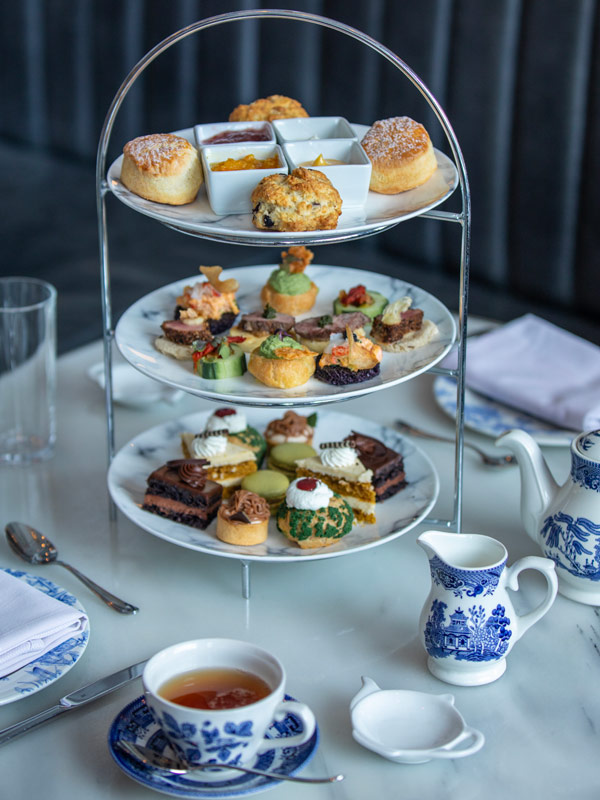
A stay at Fairmont Chateau Lake Louise is a civilised affair, so after our morning’s exertions we’re treated to a lavish afternoon tea at the Fairview Bar paired with a brilliantly purple wildflower cocktail. The curved Art Deco-style windows with postcard-worthy vistas make for a memorable location to mark the end of an epic journey. Now it’s time for a celebratory toast – to those who turn their dreams into a reality.
Weekly travel news, experiences
insider tips, offers, and more.
A traveller’s checklist
Rocky Mountaineer offers three fantastic rail routes in Canada. The First Passage to the West route runs between April and October from Vancouver to either Lake Louise or Banff. Journey to the Clouds and Rainforest to Gold Rush both run from Vancouver to Jasper via Kamloops or Whistler respectively. The Rocky Mountaineer train has won several accolades for its efforts in sustainability. RM uses locomotives powered by biodiesel fuel, a cleaner alternative to traditional diesel fuel.
Getting there
Air Canada flies daily from Sydney and Brisbane to Vancouver. On the homeward journey from Lake Louise or Banff you can take the Brewster Express bus transfer, picking you up from your hotel for a four- or two-hour journey respectively to Calgary International Airport for a connecting flight to Vancouver.
Staying there
The First Passage to the West package includes accommodation in Vancouver, Kamloops and either Lake Louise or Banff, depending on the itinerary chosen and whether you book SilverLeaf or GoldLeaf. The latter package may include some of Canada’s most recognisable and luxurious hotels such as Fairmont Hotel Vancouver, Fairmont Chateau Lake Louise and Fairmont Banff Springs.
Want to see more stories from International Traveller in your Google search results?
- Click here to set International Traveller as a preferred source.
- Tick the box next to "International Traveller". That's it.