hero media

Man vs buffalo: A legacy of Alberta’s Plains People

What this gruesome UNESCO World Heritage Site lacks in international stardom, it makes up for in cultural, archeological and scientific intrigue, finds Alissa Jenkins.

***This article was created in conjunction with our sponsors Undiscovered Canada***


Dreamcatchers, teepees, bow-and-arrow wielding men on horseback…these are the associations many make with North American indigenous culture. And while all have their place, the horsemen didn’t take theirs until after European settlement. Thousands of years before horses stepped hoof onto North American soil, Canada’s First Nations people hunted on foot. While techniques varied as widely as the terrain, there was one particular hunting ground that was as much a feat in gore as it was in generations of ingenuity and precision. And with a name as gruesome as Head-Smashed-In Buffalo Jump, there are no prizes for guessing why.


An eerie arrival

Arriving at the base of a cliff on the cusp of Alberta’s jagged Rocky Mountains and windswept prairies, 180 kilometres south of Calgary, a late summer breeze ruffles through golden plains. Eeriness hangs in the air; this is, after all, where for thousands of years, the region’s Blackfoot people hunted buffalo (or bison) by chasing great herds over the precipice.

The unease is compounded by a faint drumming that builds louder and louder, reverberating in my chest as we follow a trail through the swaying grass, up the side of sandstone bluffs. At the top, a band of drummers thump their instruments while a flurry of dancers, young and old, caper across a dance circle, flaunting their feathers, bells and tassels. It turns out we’ve serendipitously timed our visit to coincide with the weekly dance ceremony at Head-Smashed-In Buffalo Jump Interpretive Centre. Brimming with pride and smiles, these Blackfoot descendants have travelled from all around the region to take part in the inter-tribal dance ceremony, setting a distinctly different tone to the somber one I’d expected.

“This is what we call ‘Old Style Chicken Dance’, originating here in the Blackfoot nation," announces the MC over a microphone, while a young man in a feathery ensemble demonstrates a routine of steps, hops and bops before a modest crowd.

We quickly learn the macabre buffalo jump tradition was as much about bringing people together and cultural exchange as it was about a mass kill.

In fact, so rich were the customs surrounding Head-Smashed-In Buffalo Jump, that this cliff was named a UNESCO World Heritage Site in 1981. But for all its cultural, archeological and scientific significance, it’s a landmark that remains largely unknown in Canada, and even more so to those of us visiting from abroad.

A time to kill

Wandering up and down the five-tier Interpretive Centre, past ancient artifacts and archeological displays, the story of the buffalo jump unravels as something much more than a barbaric hunting practice.

Rewind 6000 years and it’s a social occasion that brings together First Nations bands from all over the region, spending the summer trading news and goods, making allegiances (and enemies), and arranging marriages. By the time autumn rolls around, the buffalo are in prime eating condition, the males have departed so the herd is calm, and the cooler weather means it takes longer for meat to spoil. By all accounts, it’s an ideal time to arrange a buffalo jump.

Steeped in traditions, the buffalo jump is calculated and strategic, shaped by centuries of analysing buffalo behaviour. A herd must be grazing in the right area, the winds must be blowing in the right direction, and the spiritual ceremonies must be performed to perfection. If these conditions don’t align, the Plains People will have to wait until next autumn to try again.

Preparations entail building stone cairns, dressed in branches and buffalo droppings, to create a runway to funnel the herd over the cliff edge. Buffalo have poor vision so the cairns create the illusion of a solid wall, meaning the only way to run is forward. Catering to the buffalo’s exquisite sense of smell, hunters also drag buffalo skins down this runway to help guide them. Then comes the art of setting off a stampede.

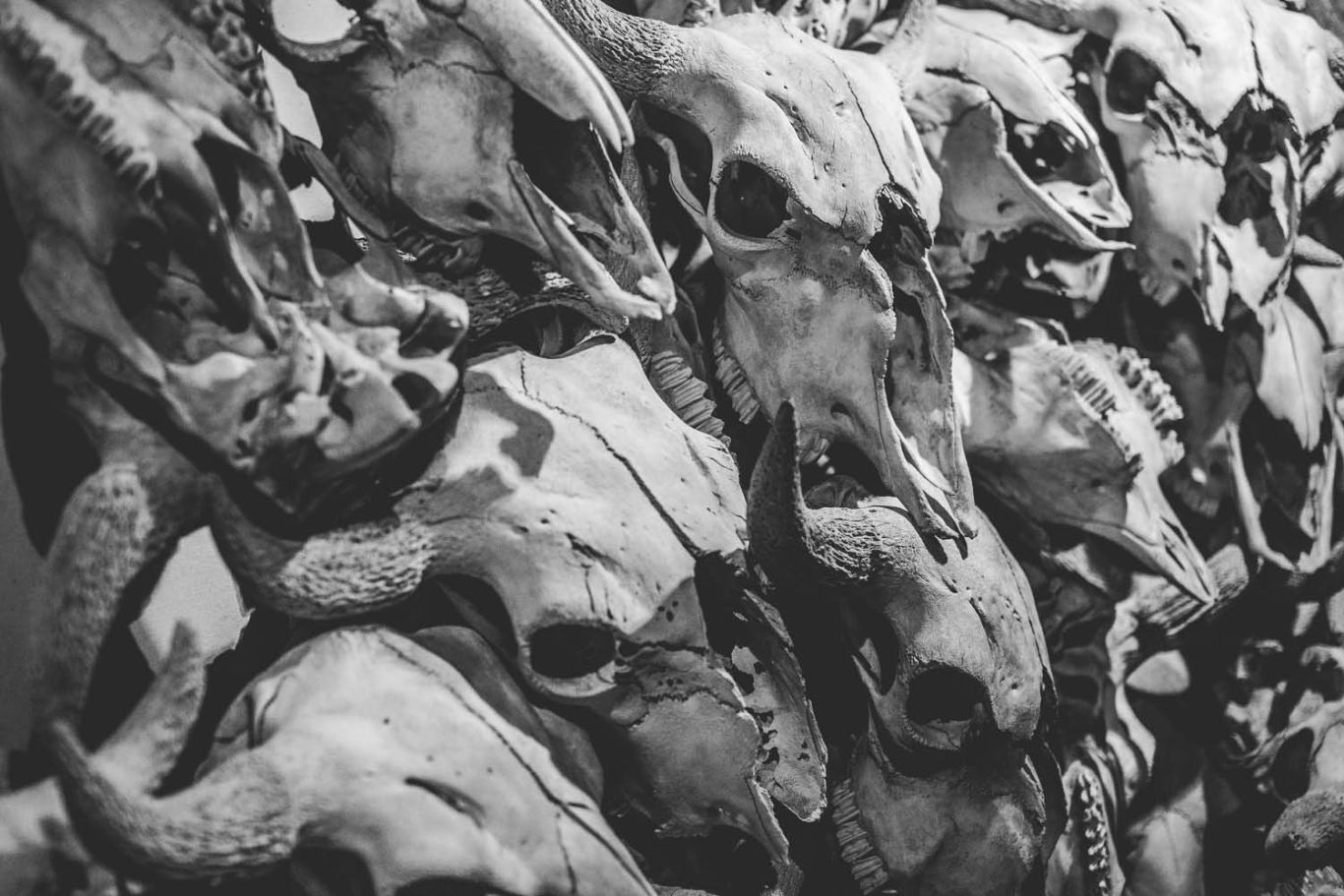
The camp elects a handful of skillful young men to participate in the hunt as runners; gently rounding up the herd and gradually positioning them within their readymade runway. Then a couple of runners disguised in buffalo calf skins mimic the bellow of a calf in distress, prompting the herd to instinctively move on and protect the young. Meanwhile other runners, dressed in wolf skins, approach from behind, panicking the herd into a stampede down the runway. Timing is everything though — an uncoordinated ‘spooking’ could mean the herd runs in the wrong direction or worse, a runner gets trampled. But if everything goes to plan, the buffalo stampede down the runway, the runners dodge the cliff edge by slipping behind a cairn at the last moment, and the momentum of the stampede carries the herd over a 20-metre cliff edge, with any survivors swiftly bludgeoned.

Back from the brink

Although the thought of hundreds of buffalo carcasses piled on top of one another is, for me, a grisly one, I take solace in the fact no fragment went unused. Bones were sharpened into tools and weapons, marrow was used for grease, skins were used for clothing and shelters, rawhide was used for sewing and binding, and bladder bags were used for storage. The meat, meanwhile, was dried and mixed with berries to make pemmican — a rich food source the Plains People survived on throughout Alberta’s brutal winters.

Of course, this all changed with the introduction of Europeans, along with their horses and firearms. As ranchers and farmers pushed west throughout the late 1700s, the lifestyle of the Blackfoot people changed with the landscape, new strategies for survival were adopted, and the buffalo jumps were all but abandoned. Just as their traditions were curbed, so too were buffalo numbers. No longer were herds hunted for survival, but merely for sport. Where great herds, tens of thousands strong, once blanketed Alberta’s plains, their numbers soon dwindled and their hides turned into coats for the Canadian and American armies, as well as the North West Mounted Police. By the 1880s, buffalo were on the brink of extinction.

Today, as we stand atop Head-Smashed-In Buffalo Jump, the golden plains that surround us are bare, but ongoing efforts to conserve buffalo populations are slowly bringing them back from ‘threatened’ status. While the buffalo jumps may be long gone, their significance is not.


Weekly travel news, experiences
insider tips, offers,
and more.

The details

Where?

Head-Smashed-In Buffalo Jump is on Spring Point Road, 20km west of Fort Macleod, in southwestern Alberta.

When?

Open 10am to 5pm, seven days a week, the centre hosts regular events at various times of year from hiking to the historic clifftop cairns, dancing and drumming, as well as taking part in traditional blessings. Visit Alberta for details.


Want to see more stories from International Traveller in your Google search results?

  1. Click here to set International Traveller as a preferred source.
  2. Tick the box next to "International Traveller". That's it.
hero media

12 grand journeys throughout North America

    Discover North America’s epic adventures — from Route 66 and Alaska cruises to Hawai‘i road trips, NYC culture, Mexico trails and more.

    1. Route 66, the Main Street of America

    Travelling with: Ricky French

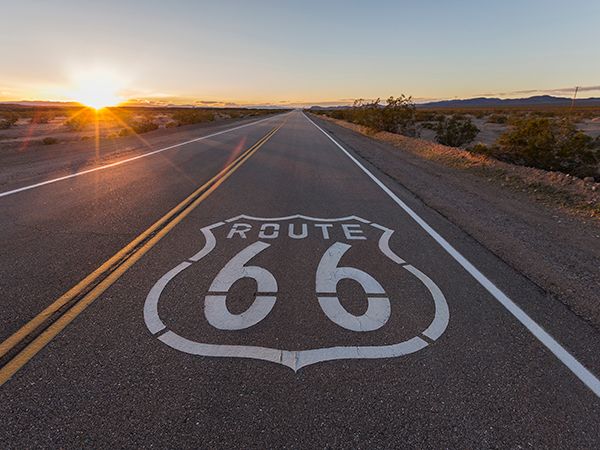
    Sunset on Route 66 in the California Mojave Desert.
    Hit the open road and trace America’s legendary highway. (Image: Getty/Der_Thomasa)

    Dubbed the Main Street of America, Route 66 radiates serious main character energy, cemented into popular culture through everything from John Steinbeck’s novel The Grapes of Wrath to the Disney Pixar film Cars. Spanning nearly 4000 kilometres from Chicago to Los Angeles, the historic highway celebrates its centenary next year, a timely invitation to take the mother of all road trips along the Mother Road. Allow two to three weeks to tackle the full length, or bite off a smaller chunk at either end, cruising the dramatic deserts of California or the more pastoral landscapes of Illinois, lined with neon-lit diners, retro gas stations and quirky roadside attractions.

    2. Mexico’s Día de los Muertos

    Travelling with: Carla Grossetti

    emblematic catrina of mexico with flowers and necklace with sempasuchil flowers
    Celebrate life and honour loved ones in vibrant style. (Image: Getty/Fabian Pacheco)

    You might know Oaxaca as the birthplace of mole and mezcal. But the state in southern Mexico is also where the Día de los Muertos (Day of the Dead) began. Time your visit to coincide with the colourful holiday, on 1–2 November, which honours and celebrates loved ones who have passed away. Oaxaca is also Mexico’s Michelin-starred culinary capital, with 18 restaurants and a humble taco stand listed in the 2025 guide.

    3. Museum-hop in New York City

    Travelling with: Carla Grossetti

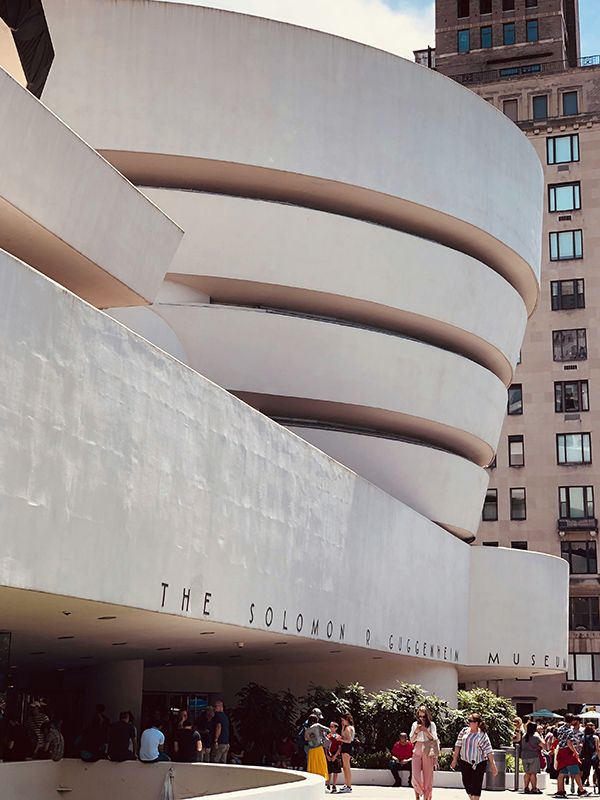
    The Guggenheim Museum’s iconic spiralling exterior, a highlight of North America Epic Adventures.
    Step inside and marvel at bold, world-class art. (Image: Damiano Fiore)

    Your map app will look like it’s been scattered with confetti after you’ve dropped pins on all the museums you want to visit in New York City. Must-sees are the Solomon R. Guggenheim Museum, the Metropolitan Museum of Art aka the Met, and the Museum of Modern Art. The American Museum of Natural History is also a draw. It’s also worth venturing into the boroughs to browse institutions such as the Brooklyn Museum, which has a huge permanent collection categorised by culture.

    4. The USA’s music scene

    Travelling with: Elizabeth Whitehead

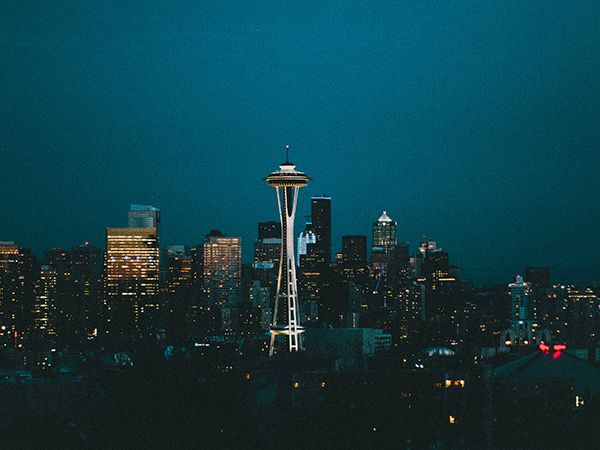
    The Seattle skyline at night, aglow with city lights on North America Epic Adventures.
    Soak up skyline views and dive into the city’s coffee culture. (Image: Abigail Boone)

    If you’re a muso, chances are you’ve wanted to make a pilgrimage to the United States, the epicentre of so many beloved genres. Whether you’re head-banging your way around the Grunge Circuit in Seattle, chasing the twang of the pedal steel through Tennessee or bouncing between blues bars in the Mississippi Delta, the USA’s rich music culture has something that’ll strike a chord.

    5. Road-tripping Hawai‘i

    Travelling with: Carla Grossetti

    A woman surfing in Hawaii, gliding across turquoise waves on North America Epic Adventures.
    Catch the waves and ride Hawaii’s iconic swells. (Image: Ben Ono)

    Hawai‘i is one of the most diverse US states to road trip around. Of the six major islands to visit, the Island of Hawai‘i packs in everything from the snowy summits of Mauna Kea and Mauna Loa to black-sand beaches and lava fields frozen in the act of flowing forward. Change down a few gears on the island of O‘ahu, too, where you can find your own patch of sand on Waimanalo Beach. Visit poi and pineapple plantations. And hang ten on beginner-friendly waves on the North Shore.

    6. Cruising Alaska

    Travelling with: Carla Grossetti

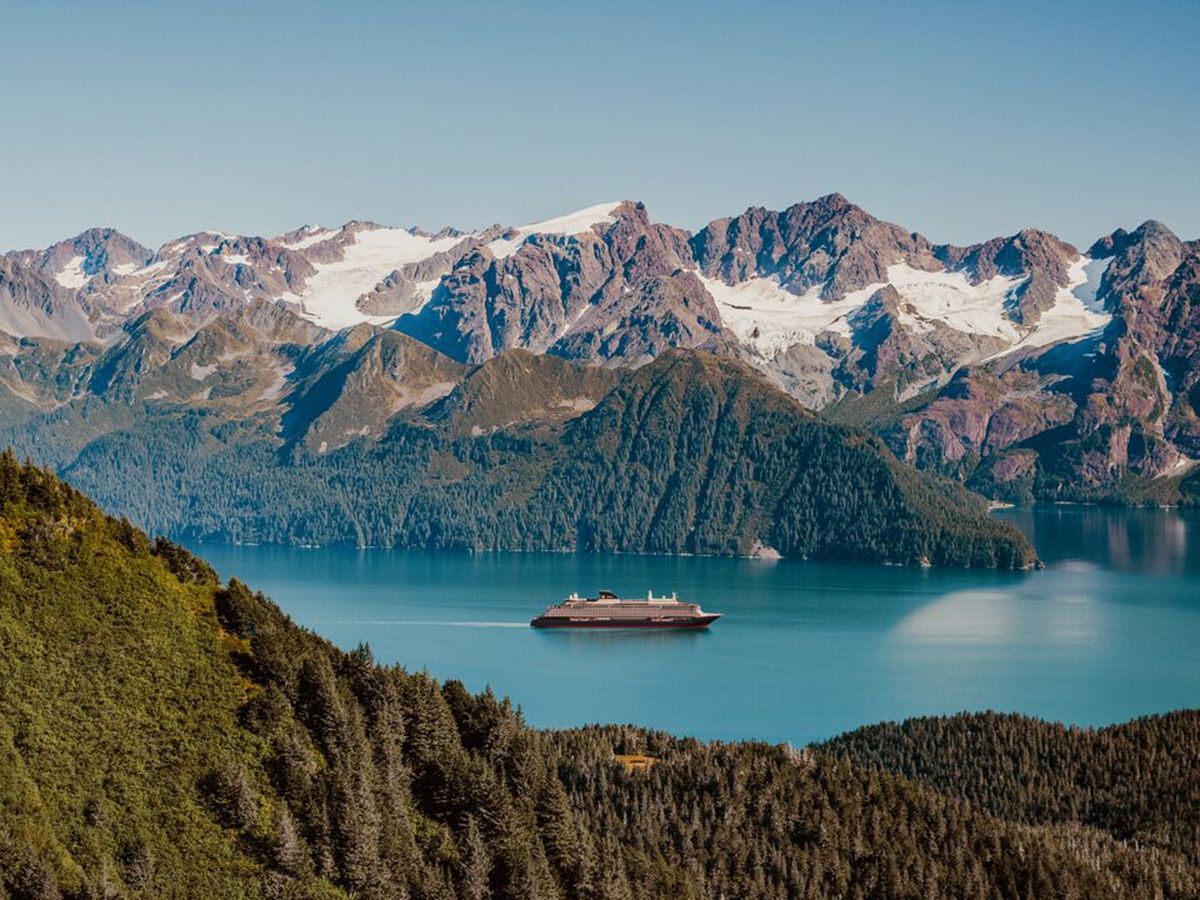
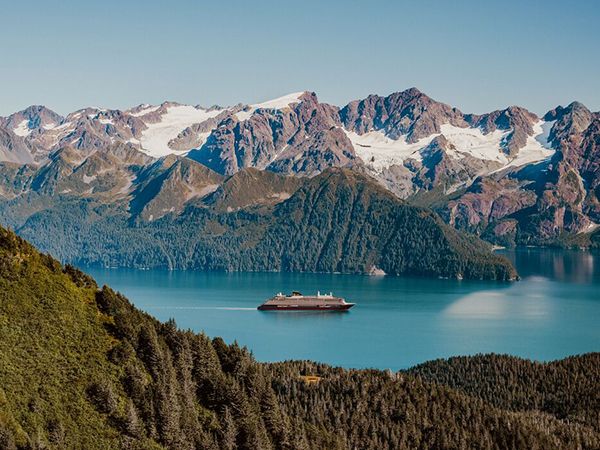
    Explora Journeys ship cruising in Alaska.
    Sail past glaciers and spot whales in pristine waters.

    Seeing Alaska from the sea allows you to cover a lot of distance quickly. This immersive frontier now beckons more than ever before with Explora Journeys adding the American state to its global destination portfolio. Best of all are the pre-and post-journey immersions that connect the luxury of a cruise onboard Explora III with the rugged grandeur of the Alaskan interior. UnCruise Adventures also weaves in access to remote national parks, legendary wildlife corridors and authentic cultural experiences on its Alaskan itineraries.

    7. The Wixárika Route in Mexico

    Travelling with: Elizabeth Whitehead

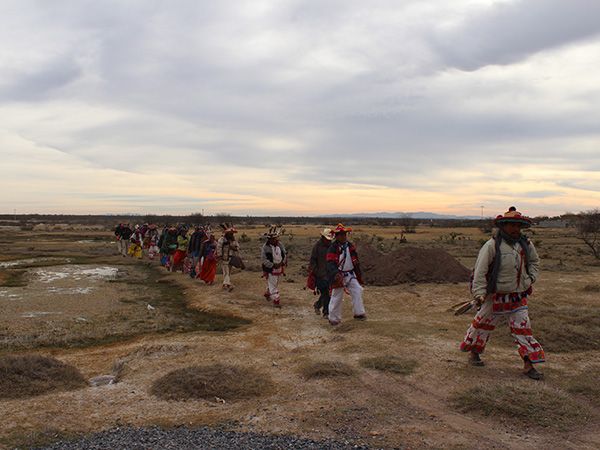
    People journeying through the Wixarika Route.
    Journey deep into sacred Huichol traditions and art.

    For generations, the Indigenous Wixárika People of Mexico have walked a sacred path known as Tatehuarí Huajuyé, or ‘The Path of Our Grandfather Fire’. The annual pilgrimage route spans 500 kilometres, taking in significant sites in Wixárika spirituality and cosmology. The route passes through the deserts, mountains and forests of northern Mexico before reaching Wirikuta, believed to be the place the sun first emerged. The route is a living cultural landscape of Indigenous culture pre-Columbian influence and, in July this year, was formally inscribed into UNESCO’s World Heritage List.

    8. Drive the Iceberg Coast in Canada

    Travelling with: Carla Grossetti

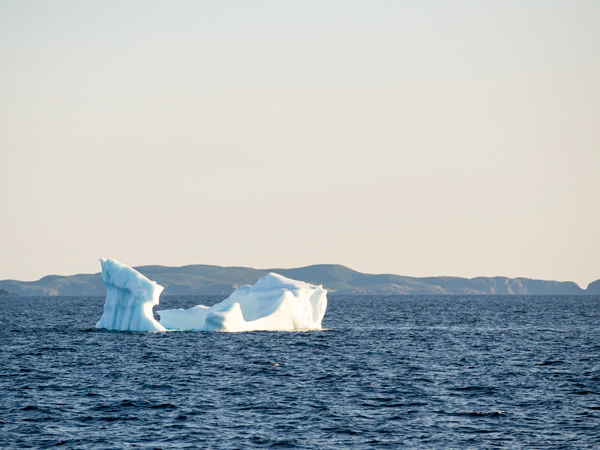
    Iceberg off the east coast of Canada
    Chase icebergs along Expedition 51 on Canada’s east coast. (Image: Canadian Tourism Commission/ Chris Hendrickson)

    Download the icebergfinder.com map to better plan your road trip along Canada’s Iceberg Coast. The new highway, which has been nearly 25 years and CAD$1.1 billion in the making, threads through the country’s pleated coastlines around Quebec, Newfoundland, Labrador, Nova Scotia and New Brunswick before looping in the French islands of St Pierre and Miquelon. As well as chasing icebergs along Expedition 51, travellers will have the opportunity to engage with cultures that have thrived in the pristine provinces for thousands of years.

    9. A foodie tour of Nova Scotia

    Travelling with: Katie Carlin

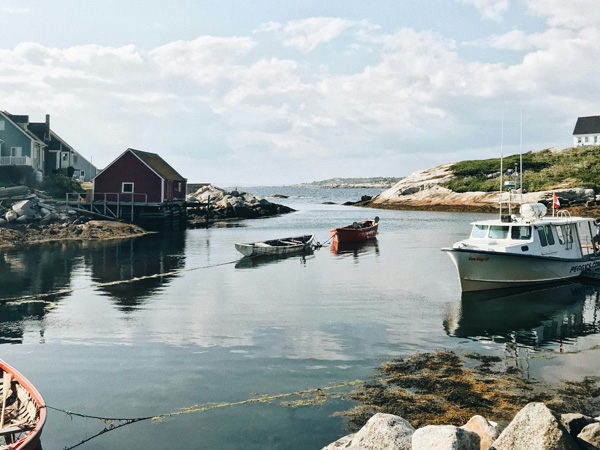
    Lunenberg Nova Scotia
    Try lobster rolls in Lunenburg on the east coast of Canada in Nova Scotia. (Image: Natalia Kvitovska/ Unsplash)

    World-famous for its lobster, Nova Scotia is a Canadian province best savoured through its culinary clout shaped by sea and terroir. Bite into lobster rolls at historic Lunenburg’s Salt Shaker Deli & Inn and sip maple rum at Ironworks Distillery. Winery-hop around Wolfville’s rising vineyards (don’t miss Lightfoot & Wolfville). Take a maple syrup tour at Sugar Moon Farm near Earltown. And pull up a seat at waterfront Bar Sofia in Halifax, where Nova Scotia oysters aguachile arrive bright with cucumber, lime and pickled onion.

    10. Soak up the sun in the Caribbean

    Travelling with: Carla Grossetti

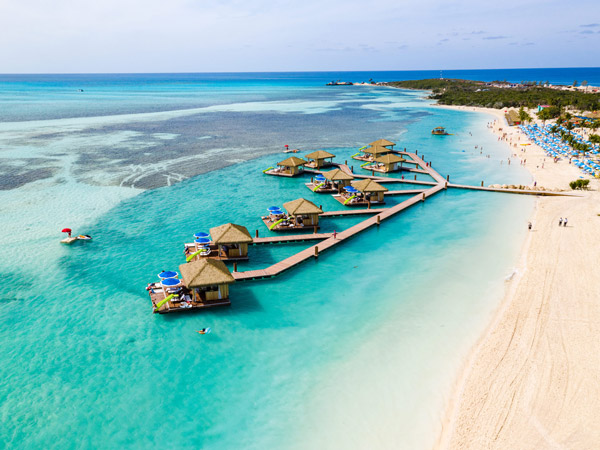
    Overwater bungalows off a beach in the Caribbean
    Experience the white-sand beaches and cerulean seas of the Caribbean on board a cruise.

    The Caribbean is on the radar for seasoned cruisers. And it’s easy to see why, with white-sand beaches, cerulean seas and swaying palms so picture-perfect they look AI-generated. Cruise with Windstar, Royal Caribbean, and Celebrity on its inaugural Xcel season to the Caribbean to enjoy action-packed excursions such as snorkelling coral reefs and shopping for local trinkets. And those sea days? Spectacular.

    11. Red Chair Hikes of Canada

    Travelling with: Kassia Byrnes

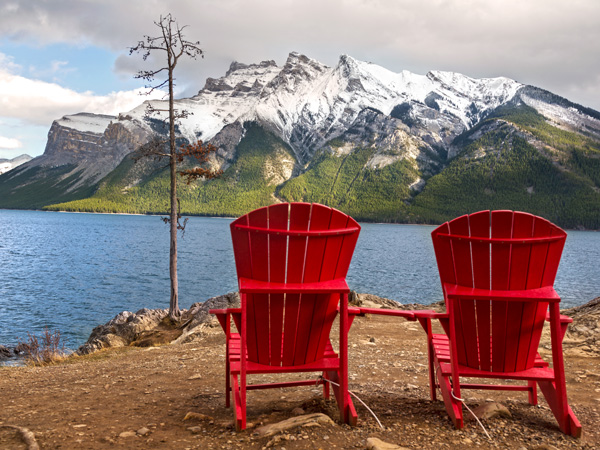
    Red Adirondack chairs overlooking Lake Minnewanka in Canada
    Take a seat at Lake Minnewanka, one of more than 400 red Adirondack chairs scattered across Canada’s hiking routes. (Image: Getty Images/ Autumn Sky Photography)

    No one appreciates the great outdoors more than Canadians, emerging from snow-covered winters to tread glacial rivers and snowshoe through forests, or to hike mighty mountains and wildflower-strewn valleys come spring. Along popular hikes around the country, more than 400 red Adirondack chairs have been placed in peaceful, breathtaking locations. What started as a social media contest now sees hikers soaking in classic Canadian lake and mountain vistas, overlooking historic sites or gazing down on the mountainous path they just travelled.

    12. Ride the Rocky Mountaineer from Denver to Moab, USA

    Travelling with: Carla Grossetti

    Sweeping views from the Rocky Mountaineer.
    The Rocky Mountaineer will continue as the Canyon Spirit in 2026, seen here carving through Ruby Canyon.

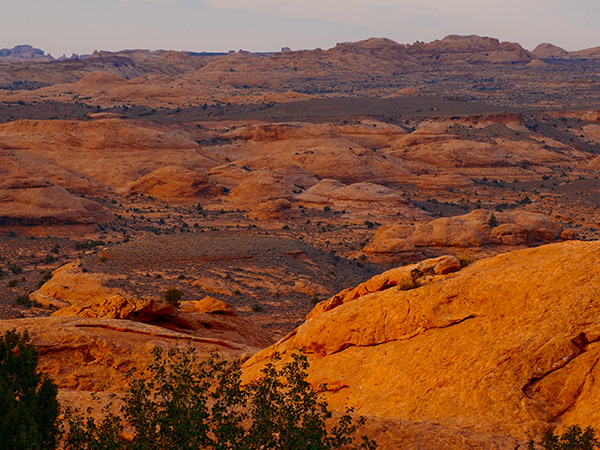
    Sighting wild animals is one of many incredible thrills along the two-day luxury Rockies to the Red Rocks route onboard the Rocky Mountaineer across America’s Southwest between mid-April and mid-October. In addition to the lone bear, we spot bighorn sheep, elk, beavers, pronghorn antelope, bald eagles and ospreys. Riding the rails onboard the luxury train, which was founded in Canada in 1990 and has been awarded the prestigious World’s Leading Travel Experience by Train several times, has never been about just getting from A to B. Ride the train from Denver to Moab and you will see the scenery change from snow-capped peaks to meadows, red-rock canyons and soaring cliffs that resemble ornate Gaudí-esque cathedrals. But it’s not until you get off the train that you can produce the ultimate Venn diagram, with nature and adventure in the intersecting spheres.