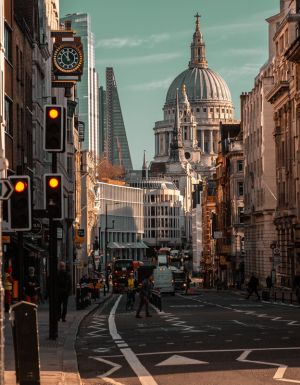
The cuisines of the world are at your fingertips in London – and sampling them needn’t cost the earth.
Over the past couple of decades, London has shed its reputation for sad, soggy food and become one of the world’s great eating cities. And while it’s unlikely it’ll ever be considered cheap, you can get a bang-up restaurant meal for less than £20 ($38.15) – if you know where to look.
We’ve rounded up 10 of the capital’s best wallet-friendly restaurants, so you can spend more time soaking up the culture of this ancient city and less time figuring out where to eat without blowing your entire holiday budget. From the amazing food of the many diasporas that call the capital home, to restaurant groups dedicated to delivering quality at an affordable price and even a grand Art Deco brasserie, there’s an array of options to keep you sated.
1. Brasserie Zedel
To dine in the opulent Art Deco surrounds of a classic European restaurant like Brasserie Zedel would typically be a budget-breaker – but this French eatery was founded to offer accessible dining for all.
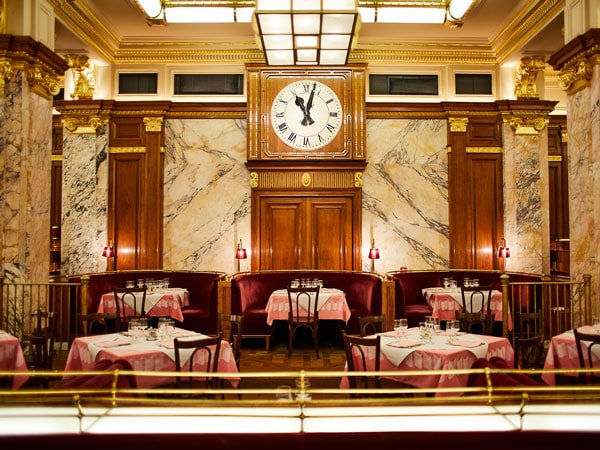
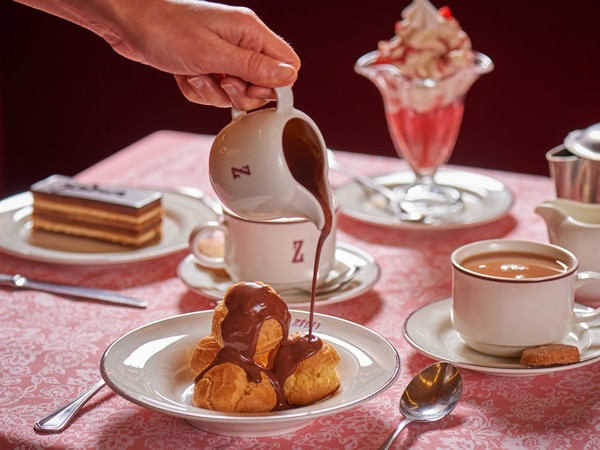
Its gilded design dates back to the 1930s when the basement space was part of the lavish Regent Hotel. But its splendour isn’t reflected in the prices; the French-influenced Prix-Fixe menu is the best value for money: two courses for £16.95 ($32) or three for £19.75 ($37.60).
Address: 20 Sherwood St, London
2. Padella
The lines snaking out of Padella in Borough Market every evening aren’t just because it’s cheap – they’re also because this buzzy bistro serves some of London’s best pasta. Helpings start at £9, but the pici cacio e pepe is London-famous. It clocks in at £12 ($23), a true bargain for a dish of house-made pasta slathered in a creamy cheese and pepper sauce. This is a reservation-free zone, and tables go fast – so arrive bang-on opening at 5pm to sign up for the waitlist.
Address: 6 Southwark St, London
3. Roti King
Nothing costs more than a tenner at this cult favourite, tucked in a backstreet basement near Euston Station. Joining the queue at this Singaporean-Malaysian eatery is a rite of passage for food-obsessed Londoners – you’ll understand why when you’re sitting shoulder-to-shoulder with your fellow diners tearing up flaky roti canai to dip into deeply flavoursome chicken curry or beef rendang. £8.75 ($16.70) and £9.25 ($17.60) respectively, including roti.
Address: 40 Doric Way, London
4. Norman’s Cafe
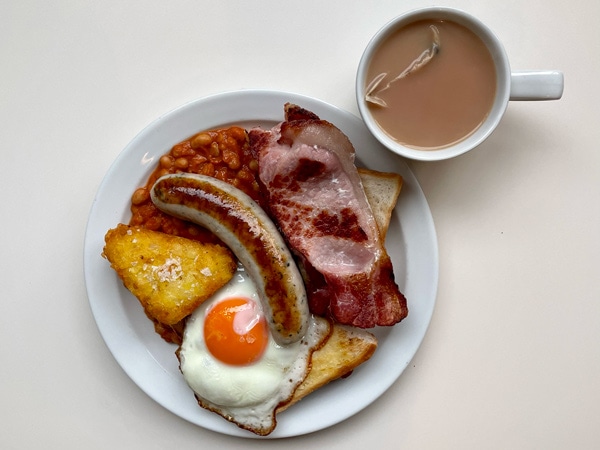
Make like north London’s cool kids by swinging past this next-generation caff (and no, we don’t mean cafe). This modern take on a greasy spoon is notorious for old-school classics served in a retro-inspired room.
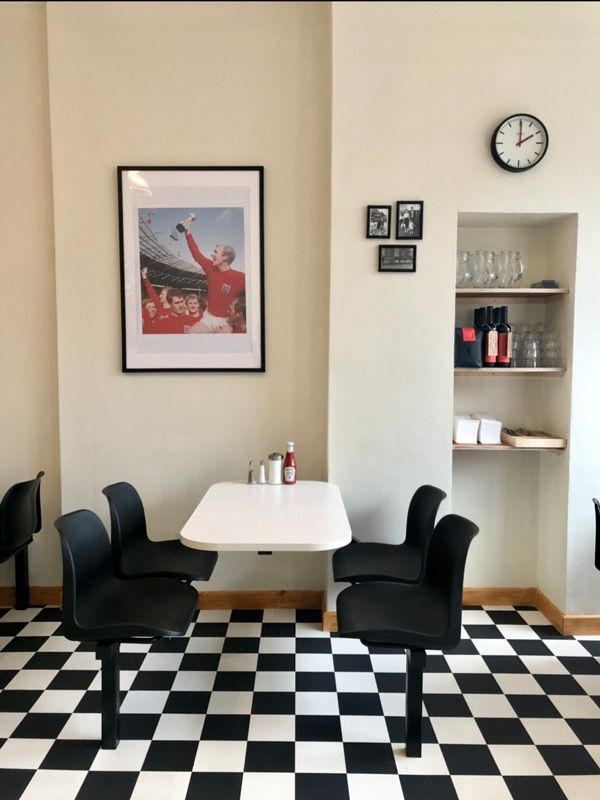
Hewing to caff tradition, set breakfasts come with tea or coffee, plus sausage, eggs, bacon, baked beans and hash browns – £12 ($22.90) – or sausage, chips and beans – £10 ($19). Unlike a classic caff, it has a wine and cocktail list and rotating seasonal specials.
Address: 167 Junction Rd, London
5. Xi’an Biang Biang Noodles
The comforting ‘belt’ noodles – so long it’s impossible to slurp a single strand in one go – in this fluorescent-lit eatery near Spitalfields Market are fiery with chilli and soy, and heaving with chunks of beef or cumin lamb. Bowls of these spice-soaked beauties will set you back £13.50 ($25.75) but are entire meals in themselves. It’s great-value dining in an area known for its increasing number of upmarket eateries.
Address: 62 Wentworth St, London
6. Kiln
Fiery northern-Thai dishes crafted with British produce load the menu at Kiln – one of the rare Soho restaurants where bang-for-your-buck equals food you’d actually like to eat.
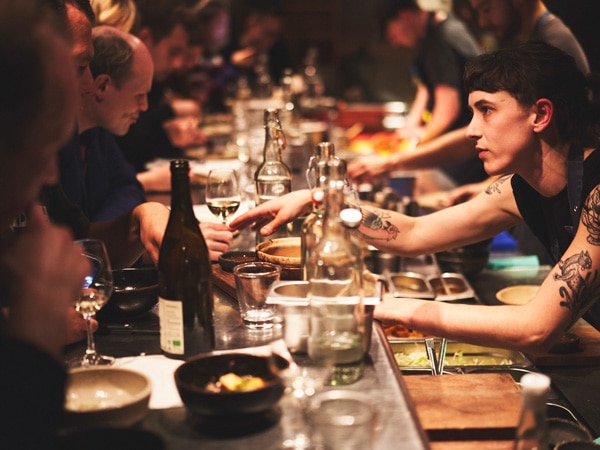
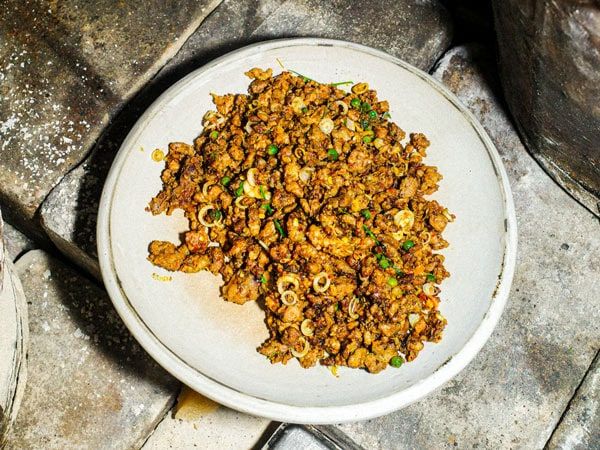
You can easily get away with paying less than £20 ($38.15) a head at this pocket-sized eatery. Thai-style barbecue is a signature, making the skewers – at £3 ($5.72) a pop – a must-order. Think rich chunks of cumin-rubbed lamb sizzled over charcoal.
Address: 58 Brewer St, London
7. Lahore Kebab House
No trip to London is complete without participating in the great English tradition of dining at a curry house. Make like East End locals and skip Brick Lane’s tourist-geared curry restaurants in favour of nearby Lahore Kebab House in Whitechapel. The surroundings are no-frills, but the curries, gosht and biryani coming out of the kitchen are roiling in spices; this place has been around for 50 years, and they know their stuff. Grilled lamb chops – £10.25 ($19.55) – are a highlight, and most curries sit around the £10.50 ($20) mark.
Address: 2–10 Umberston St, London
Weekly travel news, experiences
insider tips, offers, and more.
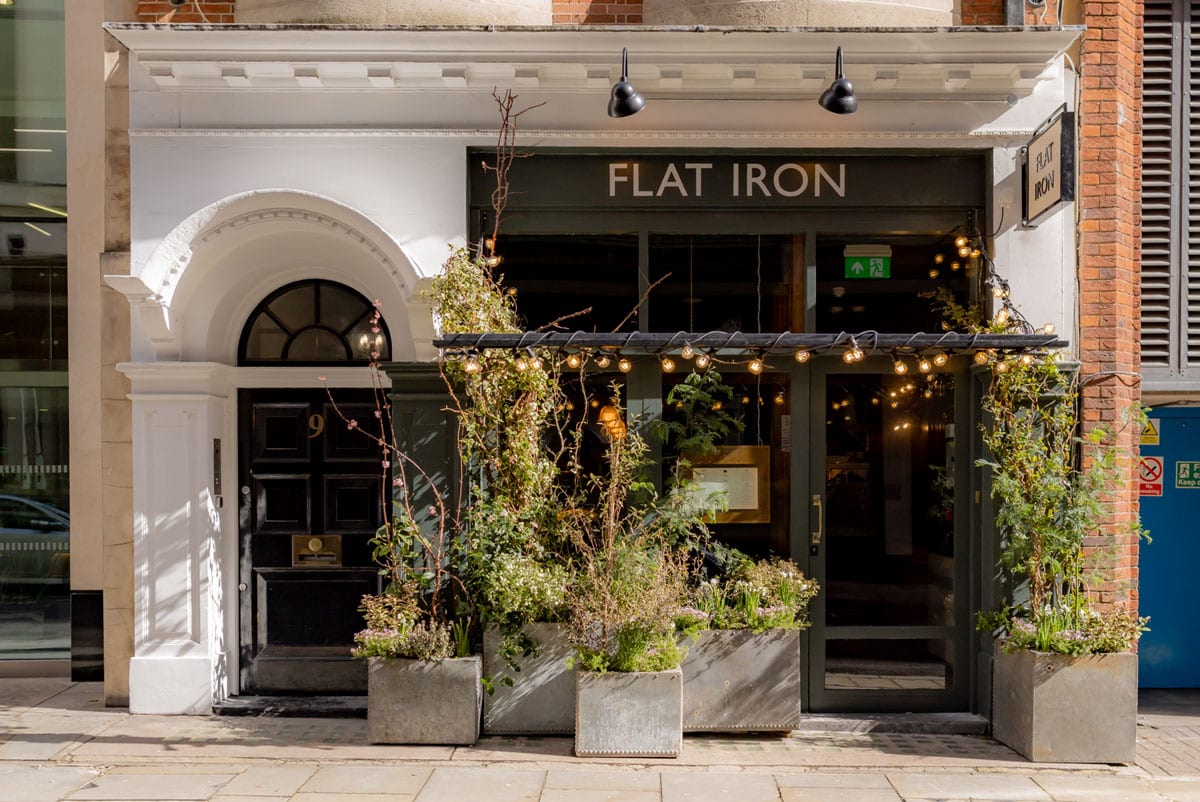
8. Flat Iron
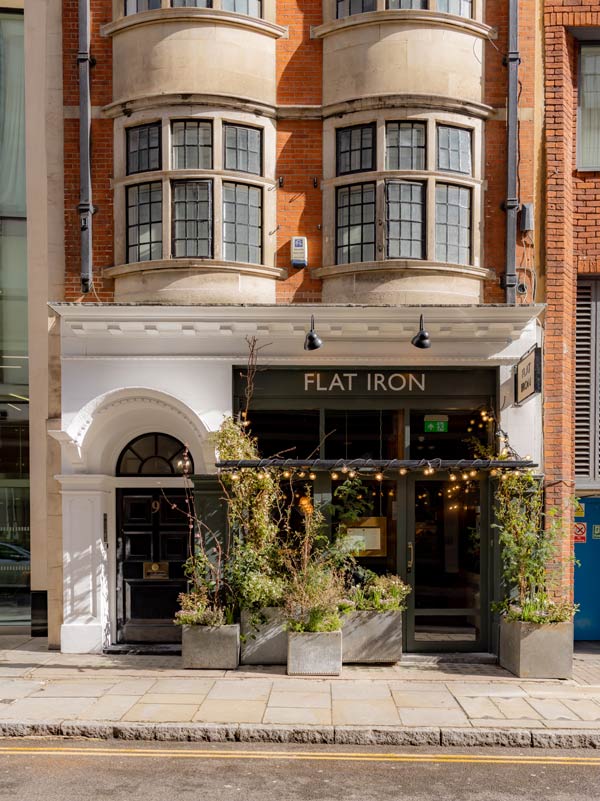
The tyranny of choice doesn’t exist at Flat Iron, which offers one main: steak, at one price: £13 ($24.80). It’s remarkable value for a top-notch bit of meat, sourced from the group’s own herd.
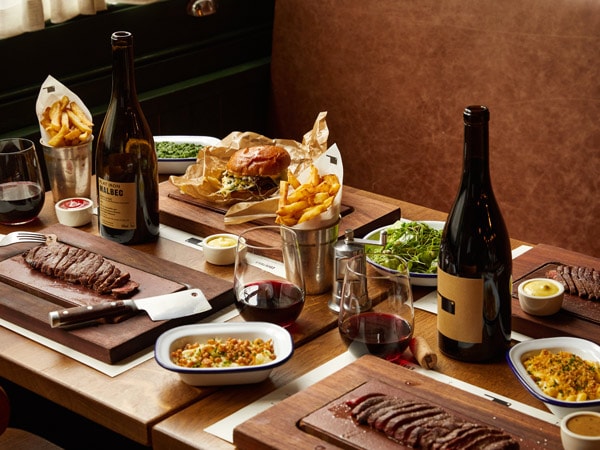
Fair warning: the low price is partly because you must pay for everything else, from sauces – £1 ($1.90) – to beef-dripping chips – £4 ($7.60)– and green salad – £3.50 ($6.70). Don’t go overboard and you’ll easily walk out having spent less than 20 quid ($38.15).
Address: Various locations
9. Fish Wings and Tings
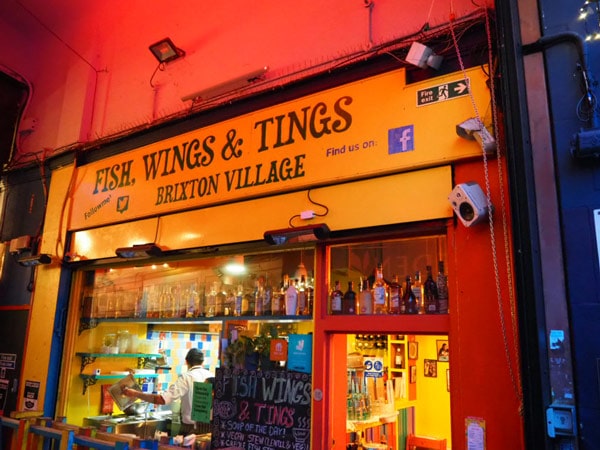
London’s flourishing Caribbean diaspora means it’s one of the greatest places in the world to try that region’s cuisine. In buzzy Brixton Village Market, Trinidadian-born chef and restaurateur Ben Danclair is pumping out vibrant, wallet-friendly fare spanning the regional cuisines of the Caribbean to a thumping soundtrack of reggae tunes. Opt for the little fried cod fish fritters with a zippy ginger sauce – £7.75 ($14.80) – and the lush tamarind-coated reggae wings brightened up with a side of pineapple – £8.50 ($16.20).
Address: Arcade, Unit 3, Brixton Village, Coldharbour Ln, London
10. Mamuska
Similarly, the large number of Polish ex-pats in the UK equals a burgeoning Polish restaurant scene. Mamuska, under a railway arch at South Bank, has beer-hall vibes and low prices. Share a plate of five handmade pork-, cheese-, or potato-stuffed pierogi for £8 ($15.25), followed by an extraordinarily large schabowy – breaded and fried pork loin – for £15.90 ($30.30).
Address: 9 Addington St, London
For more food-related London travel tips, read our guide to London’s best markets by borough and the city’s most exquisite high tea parlours.
Want to see more stories from International Traveller in your Google search results?
- Click here to set International Traveller as a preferred source.
- Tick the box next to "International Traveller". That's it.