Is London’s Chiltern Firehouse hotel and restaurant the trendiest place on Earth right now? We get the low down…
Where:
London’s des res Marylebone neighbourhood.
Who:
André Balazs, the high priest of hip hotels/hostelries.
What:
Just about the hottest destination in the capital right now, the restaurant opened first in February 2014, immediately attracting A-list celebrities like moths to a flame.
This was followed by the hotel opening in June 2014.
The hype:
“It’s hard to see exactly what distinguishes Chiltern Firehouse from any other restaurant in London, other than the raging fury of its own myth. But then again, maybe that’s all it takes," wrote Polly Vernon in The Times, while Tom Parker Bowles said in The Daily Mail, “The place is hotter than the surface of the sun. I reckon even God would have to wait for a table."
The celebrity count:
There have been so many that we’ve lost count, but just some of the names that have made the scene include Orlando Bloom, P. Diddy, Keira Knightley, Tom Cruise, Adele, US Secretary of State John Kerry, Bradley Cooper, Kate Moss, Bryan Ferry, Chris Martin, Princess Beatrice, Gordon Ramsey, Stella McCartney, Stephen Fry, Naomi Campbell, David Walliams, David Beckham…
The facts:
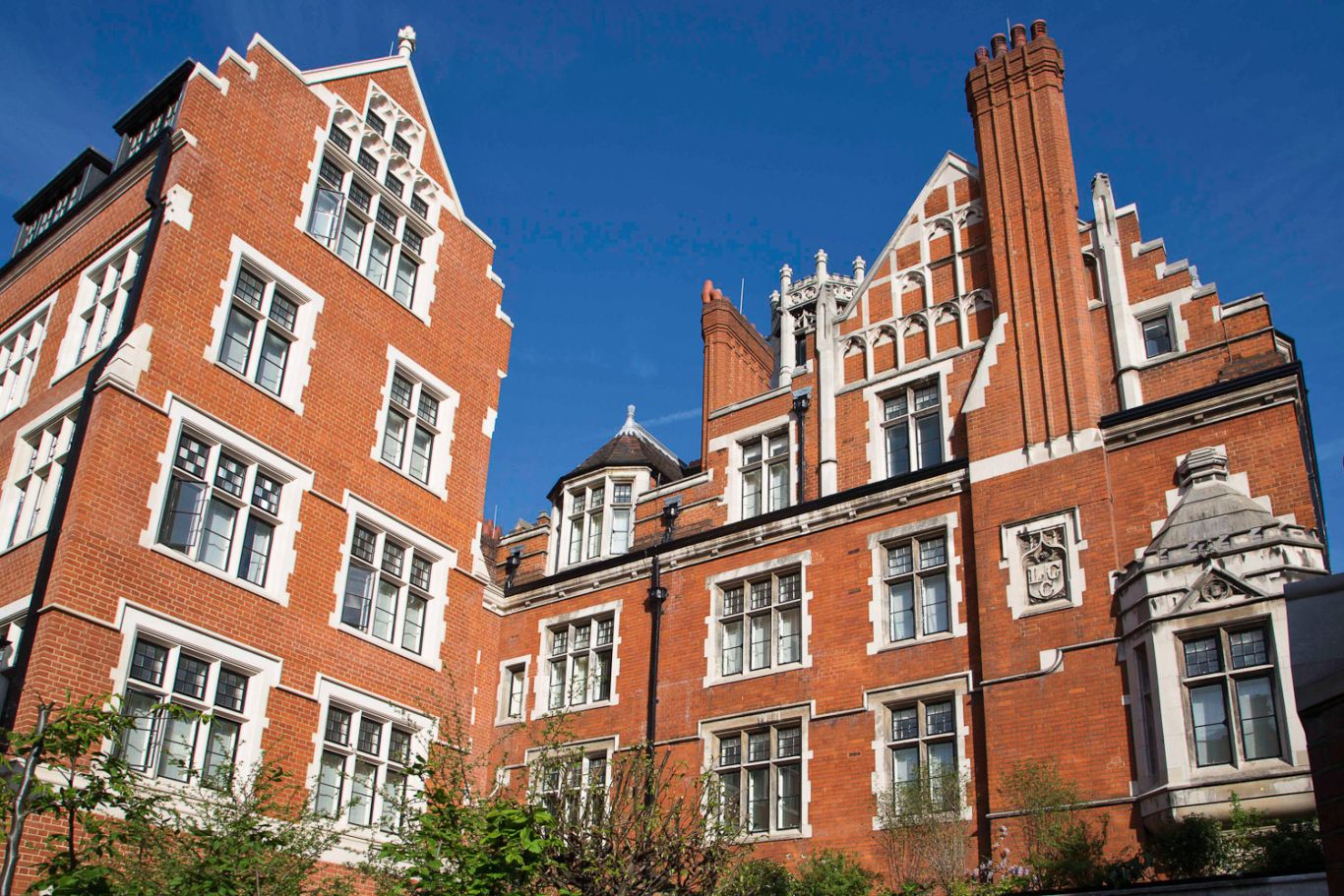
The first Europe property for Balazs, the man responsible for The Chateau Marmont, The Mercer and The Standard brand, The Chiltern Firehouse is a 26-room boutique hotel and restaurant which has been retro-fitted into a gothic Victorian firehouse originally built in 1889, and was only decommissioned in 2005.
The bulk of the rooms are housed in the firehouse itself along with the restaurant, with a new sympathetic addition (the building is Grade II-listed so all eyes were on the project from the start) for the lounge and reception and four suites, with the old laddershed converted into a guests-only lounge bar of the same name.
While all the expected mod-cons have been added, deference has been paid to the original architecture and design, with original features like fireplaces restored to full working order and a wall of the Laddershed still clad in its layer upon layer of original paint.
Balazs has described it as “intensely bespoke"; it is already proving to be intensely popular.
The price:
Rooms start at $826.
Want to see more stories from International Traveller in your Google search results?
Wellbeing means different things to different travellers. Here’s how to pick a hotel that gets it right for you.
The best wellness holidays aren’t necessarily spent wrapped in a spa robe. Sometimes they’re found around a dinner table in Cambodia, on a hiking trail in New Zealand or after finally beating jet lag on the other side of the world. The hotel you choose is what makes them happen.
1. Easy access to good food
Taste delicious meals at Novotel Bangkok Sukhumvit 20.
One of the quickest ways to derail healthy habits on holiday is to spend half of it working out where to eat instead of digging into the culture around you. Thankfully, Novotel has done much of the hard work already, with chefs building menus that lean into the flavours, ingredients and traditions of each destination.
In Sihanoukville, Cambodia, Korkor soup – often dubbed ‘Cambodian ratatouille’ – sits alongside raw blue crab dressed with lime and chilli, best enjoyed with views across the Gulf of Thailand.
In the lovingly chaotic city of Bangkok, the presence of food cranks up the sociability. At Novotel Bangkok Sukhumvit 20, you can settle in with mango sticky rice and stranger-turned-friends beside the pool at Sky on 20 rooftop bar, or bring them along to tackle river prawns and stir-fried crab with holy basil at the buzzing Crab Paradise Dinner Buffet.
Then Novotel Dubai Al Barsha welcomes you with a laidback twist on the level of indulgence the Middle Eastern city is best known for up on Deck Se7en. Looking towards Burj Al Arab, the rooftop lounge has everything from Mediterranean-style dishes like seabass ceviche to Italian prosecco sundowners.
At the other end of the scale, in the hills that surround the Novotel Bali Ubud Resort, calm comes from nature. At Siralada restaurant, Balinese traditions shape the menu while thunder rumbles over the surrounding jungle – proving the setting is as nourishing as the food itself.
While at Novotel Nha Trang, chef Kieu Thi My Hanh and her team showcase Vietnam’s knack for balancing freshness, texture and fragrant herbs. Pho remains a favourite, while seafood salad with pomelo and mango brings those flavours together in one bright dish.
It’s all an approach backed by partnerships with expert food creators such as Alfie Steiner, whose plant-forward recipes prove healthy food should never taste plain.
2. Better sleep options
Sleep deeply with Novotel.
There are few travel experiences more disappointing than arriving in a new country, determined to seize the day, only to fall asleep fully clothed by 3pm.
For Australian travellers, jet lag is often an unavoidable part of the journey. That’s one reason Novotel runs sleep-focused initiatives that help guests adjust quickly without compromising on health. We’re talking partnerships with Sydney-based sleep specialist Olivia Arezzolo, known for her advice on everything from better sleep habits to beating jet lag, alongside features like pillow menus, in-room yoga content and tailored sleep guidance.
The sooner you’re operating on local time, the sooner you can get back to more pressing matters – like deciding which spa treatment to book.
3. More ways to move
Stay at Novotel Queenstown Lakeside and explore local hiking trails. (Credit: GettyI mages/ naruedom)
Every place in the world has its own way of getting you moving: whether that’s hiking up ice-bitten mountains before a sauna or gentle stretching by the pool before a facial. From fitness centres to spas, Novotel recognises that wellbeing rarely looks the same.
At Novotel Queenstown Lakeside, activity is inescapable. Here, hiking trails, ski fields, bungee jumps, and white-water rafting have made the region famous. The hotel’s location on the shores of Lake Wakatipu means less time spent organising yourself and more time out there experiencing them. To top it all off, you can book a private hot tub for the evening before heading back into the wilderness tomorrow.
Bali, of course, takes a softer approach. At Novotel Bali Ubud Resort or Novotel Bali Nusa Dua, movement is less about conquering a mountain and more about a dance class between the tropical gardens and lagoon pools. Afterwards, the spa takes over, with traditional treatments like a Lulur body scrub: a combination of rice, turmeric, sandalwood, ginger and jasmine that’ll soothe muscles already relaxed by the Balinese heat.
4. Better connections
Kids will love a stay at Novotel Sharm El Sheikh.
One of the best things about travel is that it gives your family stories you’ll be telling for years. Novotel helps create them with activities that bring everyone together, whether that’s trying something new, learning a local skill, or simply spending more time together.
Go for a distinctly Thai twist at Novotel Phuket Vintage Park, where many of the family activities draw on local culture. Kids can try everything from beginner Thai boxing and language lessons to umbrella painting and – a pastime beloved by children the world over – pool foam parties. Everyone is welcome to join in, whether that’s getting splashed, covered in paint, or simply watching their children discover a new side of Thailand during the dedicated Family & Kids Day.
A different adventure awaits at Novotel Sharm El Sheikh. Kids could be perfectly content with discos, drawing classes and new holiday friends, but the Red Sea has other ideas. Sitting on the edge of Naama Bay, days here might involve snorkelling colourful reefs, taking a boat trip to Ras Mohammed National Park or heading into the desert by quad bike or camel for a Bedouin-style dinner beneath the stars.
Everyone’s idea of wellness looks a little different. With more than 600 hotels across 65 countries, Novotel gives guests the freedom to choose the destination that suits them best. Whether that’s a beachside escape in Phuket, an alpine expedition in Queenstown or a city break in Bangkok, there’s a good chance a Novotel isn’t far away.
All that’s left? Choosing your version of wellbeing.