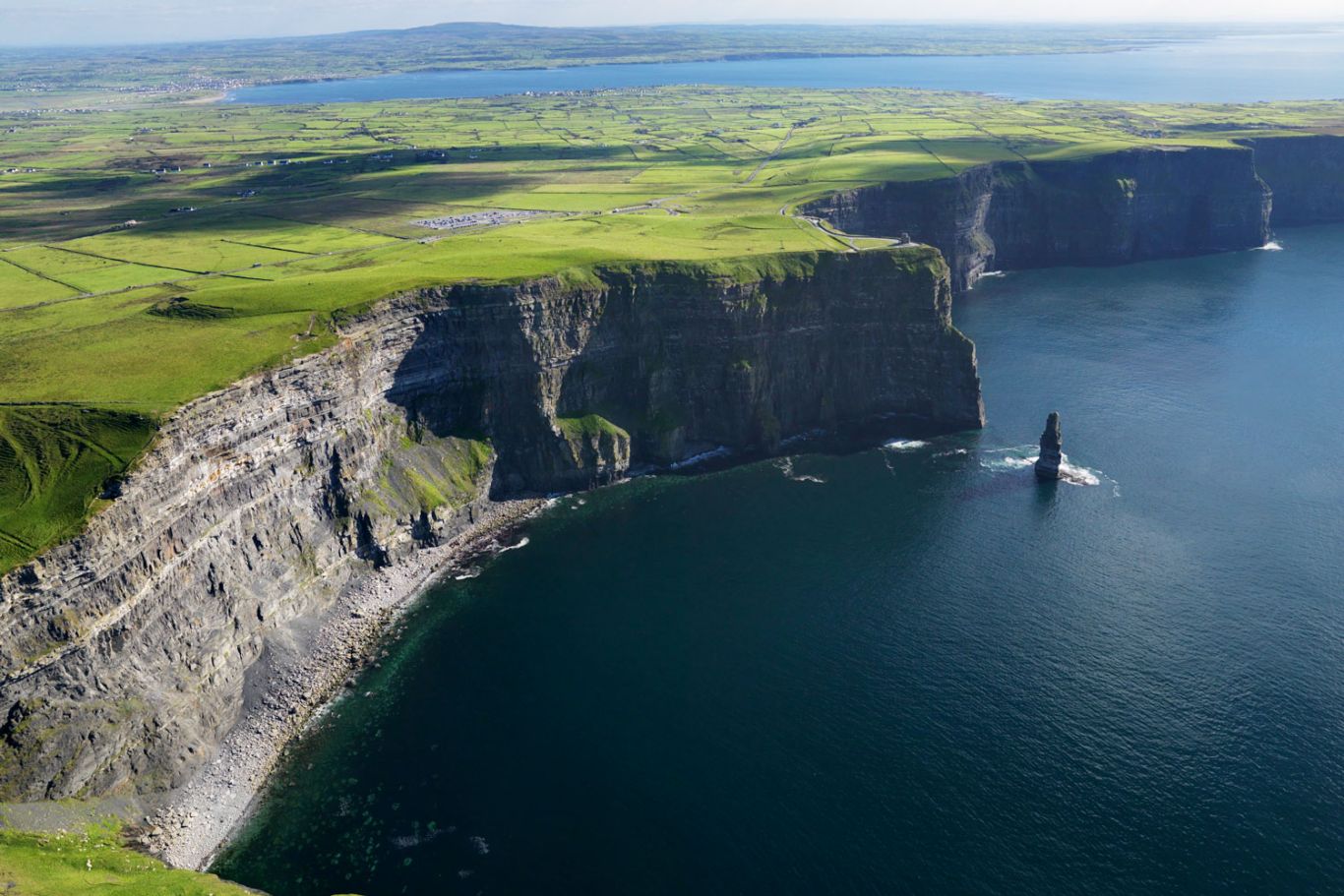
With its windswept countryside and striking coastal cliffs, it’s no secret that the Emerald Isle is home to some of the most jaw-dropping vistas.
Here we reveal 10 of Ireland’s best – got your camera ready?
1. Glendalough
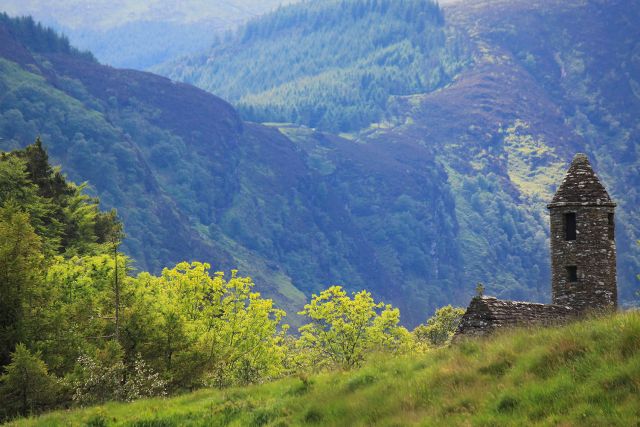
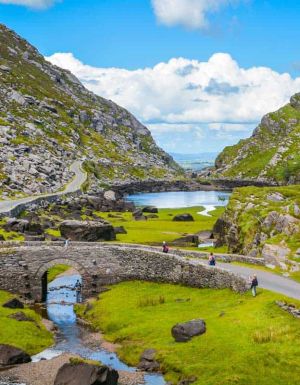
Just south of Dublin in the Wicklow Mountains National Park, this verdant green glacial valley hides one of Ireland’s most prominent monastic sites – the remains of a 6th century Christian settlement.
The rustic remnants set against the rolling countryside makes for a pretty-as-a-picture scene straight out of a Victorian-era romance novel – Wuthering Heights meets Ireland.
2. Cliffs of Moher
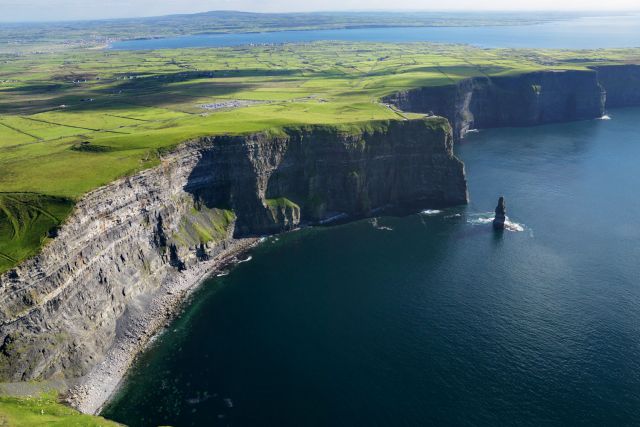
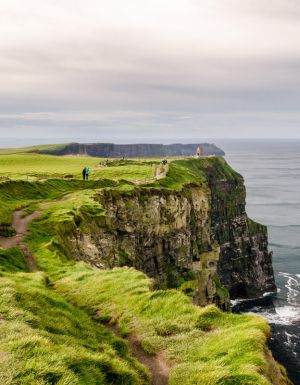
This behemoth masterpiece by Mother Nature is one of Ireland’s most visited landmarks, and for good reason.
The Cliffs of Moher erupt some 214 metres out of the Atlantic Ocean, and stretch a further eight kilometres along the western coastline.
And with a vantage point like this, on a clear day you can see as far as the Aran Islands and Galway Bay, as well as the Twelve Pins and the Maum Turk mountains in Connemara.
3. Giant’s Causeway
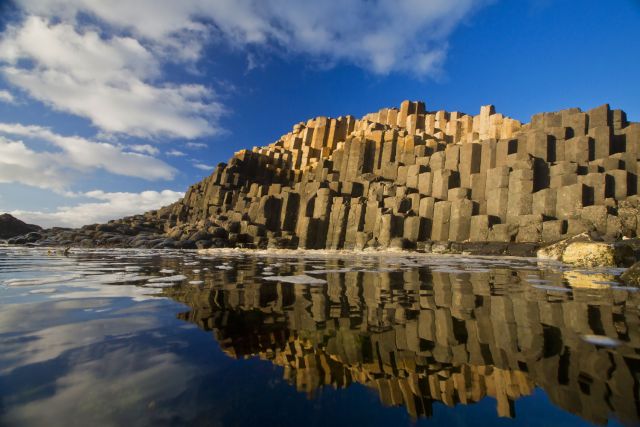
While 40,000 rocks may not sound particularly scenic, the magnitude and uniqueness of the Giants Causeway in Northern Ireland guarantee a “whoooooa" from every visitor.
Found on the north-east coast, this natural oddity was created from the cooling lava of an erupting volcano, leaving in its wake thousands of perfectly hexagonal columns leading like steps into the sea.
Legend has it these columns are the remains of a bridge built for a fight between giants.
While we haven’t seen any signs of warring giants yet, there’s certainly a few feisty seagulls.
4. Inishbofin Island
The tiny Inishbofin Island off the coast of County Galway is home to just a handful of people, making it a quiet retreat where bleach-white sand meets Ireland’s windswept wildlands.
For the ultimate view, climb the hill near Lough Bofin where you can take a seat and overlook the jagged cliff face that cuts and erupts through the wild seas.
The crystal clear waters are perfect for a brisk swim, but watch out for Basking Sharks – they don’t bite, but they look mighty frightful!
5. Croagh Patrick Mountain
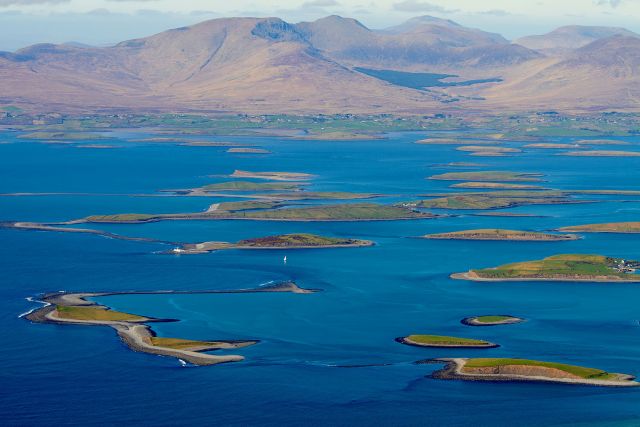
Lace up your hiking boots – the views from Croagh Patrick in County Mayo are only accessible by foot.
Named for St Patrick, the mountain towers over lush green countryside at almost 800 metres high.
It’s a two-hour trek to the summit, but the hard work is well worth the reward; the peak offers unrivalled views across the undulating landscape and towards the Atlantic.
Croagh Patrick is Ireland’s holiest mountain and is climbed by over 25,000 pilgrims in summer each year, so if you’re after tranquillity and solitude, avoid going in July!
6. Dún Aonghasa on Inis Mór Island
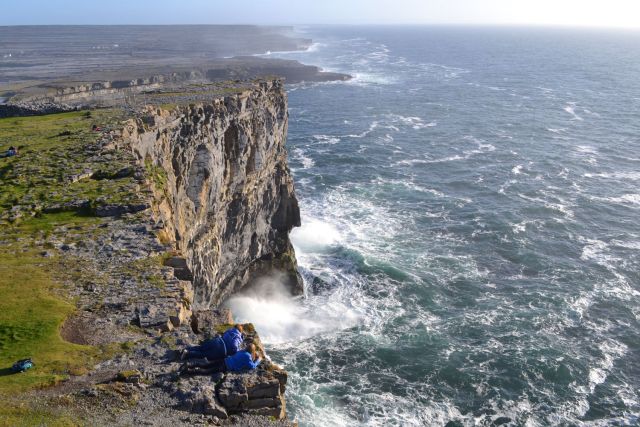
There’s something eternally wholesome about cycling in the fresh air – even more so when you couple it with world-class country views.
And you can do precisely that on Ireland’s Aran Islands – just a short ferry ride west of the mainland – where you can hire a bike and pedal around the many trails.
Inis Mór is the most picturesque of the three Aran Islands, and while it’s no Tour de France it has some spectacular scenery of its own.
Pack a picnic and head for Dún Aonghasa – a massive cliff face that towers over the icy Atlantic Ocean. It’s an idyllic spot to take in the desolate beauty of these pristine islands.
7. Carrick Island
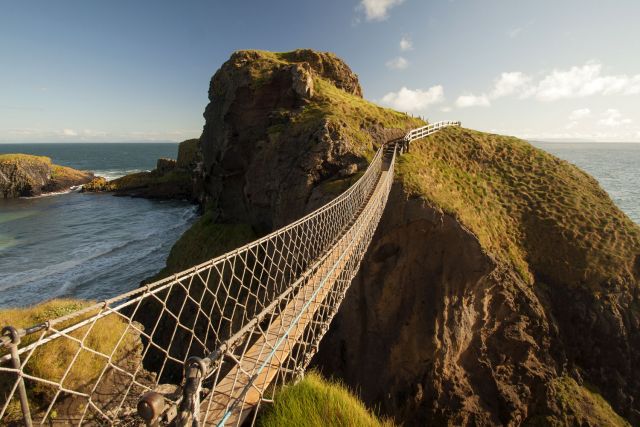
While Carrick Island in Northern Ireland’s County Antrim offers spectacular views across to Scotland, there’s a catch.
To get there you need to take the notoriously scary Carrick-a-Rede rope bridge.
Prepare for butterflies as the precarious path is hoisted 30 metres above the sea and swings in the breeze.
The challenge has big rewards though, with breathtaking panoramic views of Rathlin Island and Scotland’s coast. Just don’t look down.
8. Benbulbin Mountain
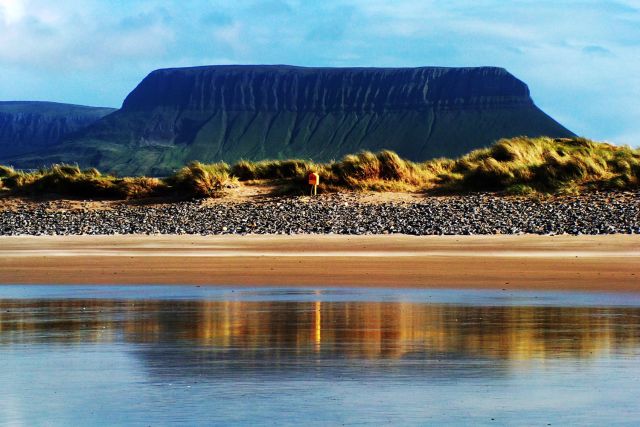
In the heart of County Sligo lies Benbulbin; Ireland’s answer to South Africa’s iconic Table Mountain.
This flat-topped mountain was formed by glaciers, but you won’t need to worry about slipping when trekking up these days.
The glaciers are long gone and in their place you’ll find the postcard countryside that Ireland is famed for.
The north side of the mountain however is a treacherous hike that would leave even Bear Grylls shaking in his boots, so make sure you get your bearings and head for the south face.
Even then this is not a leisurely Sunday stroll – the eight-kilometre hike to the summit takes about three hours.
Weekly travel news, experiences
insider tips, offers, and more.
9. Great Skellig Island
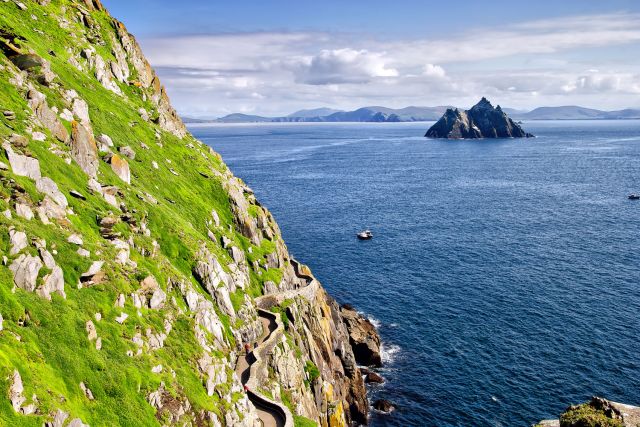
At the tip of the Iveragh Peninsula in Ireland’s south lies one of the country’s greatest hidden gems, the Skellig Islands.
Hop on a ferry to get to the larger of the two islands, Great Skellig (the other is not open to the public), where you’ll discover an eerie lost-world feel, thanks to the scattered remains of an 6th century monastery.
The dramatic rocky mountains here mean the view from the ferry is just as impressive as from the peaks themselves.
Unsurprisingly, Great Skellig is a World Heritage Site that only a handful of people get to visit each year.
10. Slieve League Cliffs
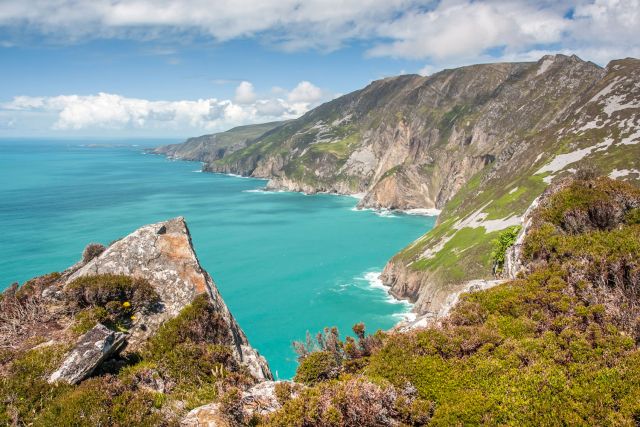
Acrophobics best give this one a miss – the Slieve League Cliffs are amongst the tallest in Europe, towering 600 metres above the sea.
The dramatic drop makes for spectacular sightseeing as the sea rolls in and crashes into the easterly cliffs.
But if heights aren’t your thing, you can scope out the view from below aboard a rental kayak, and paddle your way around the turquoise waters.
Want to see more stories from International Traveller in your Google search results?
- Click here to set International Traveller as a preferred source.
- Tick the box next to "International Traveller". That's it.