hero media

This palatial Bucharest hotel blends Belle Époque glamour with modern luxury

A 111-year-old grande dame pairs Belle Époque glamour with a just-renovated calm that feels like a reset button. 

After flying in from Australia, dazed and deeply jetlagged, I wanted one thing: somewhere to disappear for a day. InterContinental Athénée Palace Bucharest turned out to be exactly that. From the moment I stepped into my King Premium Corner Room, the city felt distant, the pace softened, and the exhaustion lifted. This is a hotel that understands both its past and the needs of a modern traveller. 

The property first opened in 1914 and has long held an iconic status in Bucharest’s political and cultural life. Today, freshly renovated and reintroduced under the InterContinental flag in 2023, it blends heritage with five-star polish. 

Where is InterContinental Athénée Palace Bucharest? 
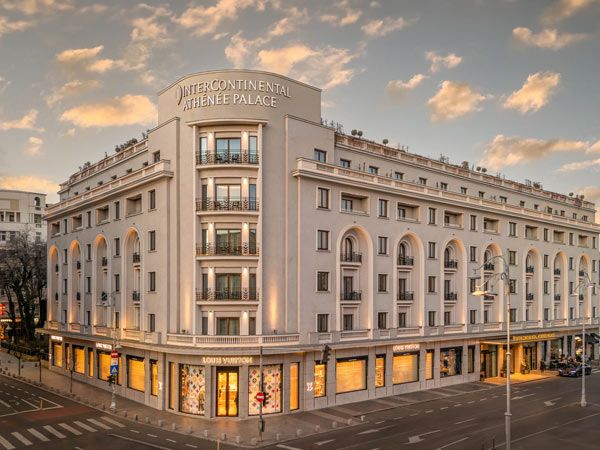
InterContinental Athénée Palace
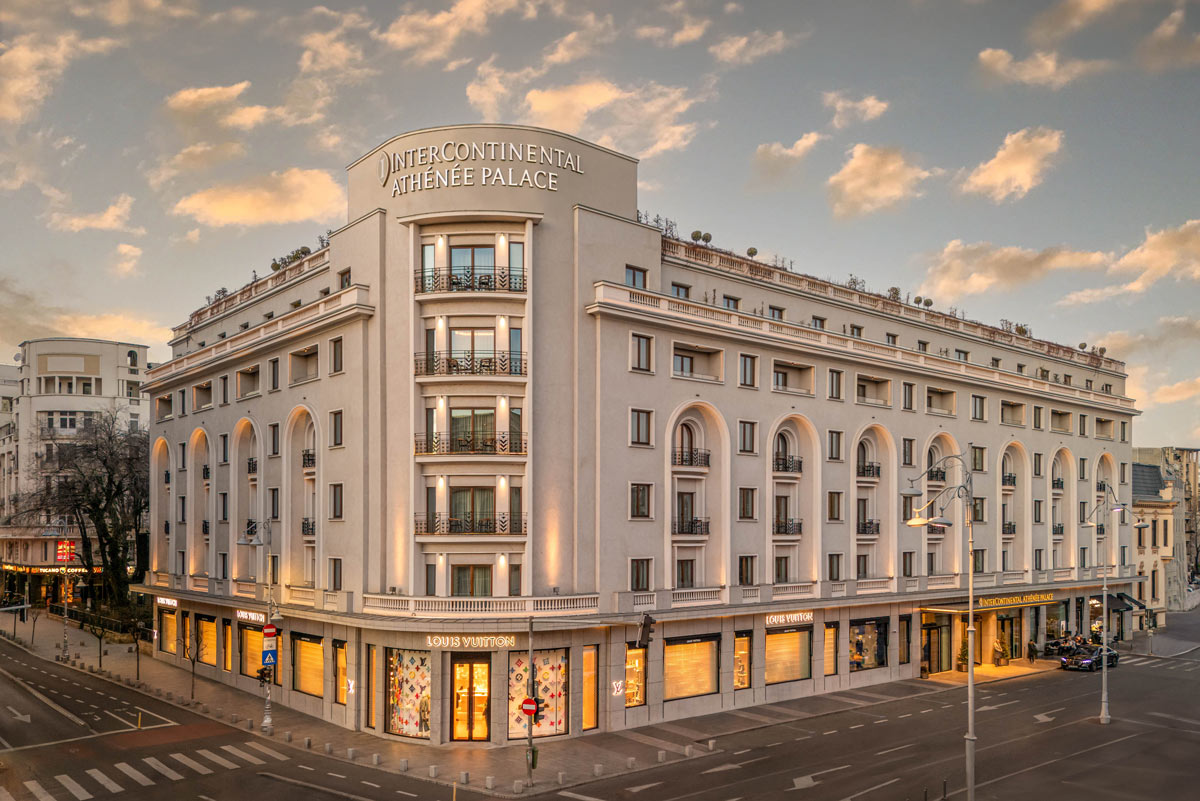
InterContinental Athénée Palace Bucharest is nestled in the vibrant city centre. (Credit: Supplied)

InterContinental Athénée Palace Bucharest overlooks Revolution Square and sits just beside the Romanian Athenaeum. The former Royal Palace and Calea Victoriei are right there, too. 

It’s a genuinely brilliant base. You can walk to museums, grand boulevards and buzzy bars, then retreat behind those stately doors when you need a breather. 

What is the style and character of InterContinental Athénée Palace Bucharest? 
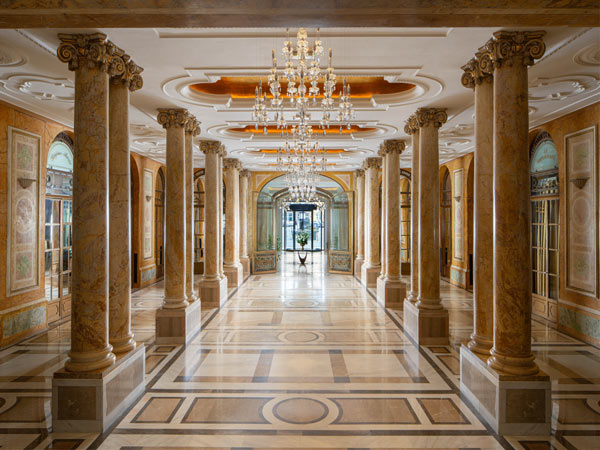
Intercontinental Athenee
Luxury intertwines with charm. (Credit: Supplied)

This is old-world Bucharest at its most polished. The building began life in 1912 under French architect Téophile Bradeau and opened in 1914. Over more than a century, it has survived war, political upheaval and even a 7.2 magnitude earthquake in 1977. 

Inside, marble columns, chandeliers and sweeping corridors give it a palatial air. The historic Le Diplomate Ballroom, with its gold leaf detailing and stained-glass ceiling, remains one of the city’s most prestigious venues. Yet the recent renovation lightens the mood, introducing contemporary finishes and a softer palette that stops it from feeling overly formal. It’s grand, yes. But it’s also warm. 

What facilities does InterContinental Athénée Palace Bucharest have? 
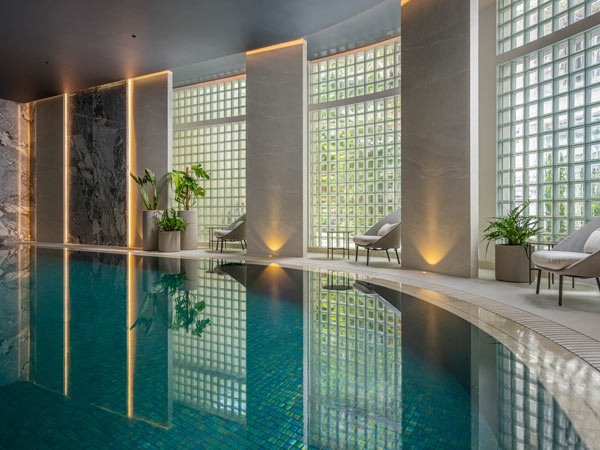
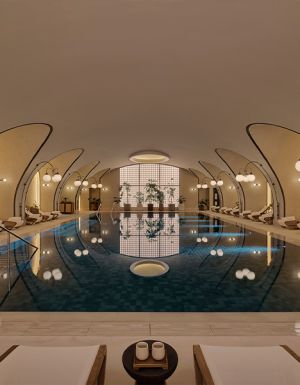
Spa InterContinental
Spa InterContinental has state-of-the-art wellness facilities. (Credit: Supplied)

The hotel has 283 rooms and suites, 13 meeting spaces and a ballroom that can host up to 900 guests, making it as strong for conferences as it is for city breaks. 

Wellness is a standout. SPA InterContinental has just undergone a full renovation completed in 2025 and includes a heated indoor pool bathed in natural light, Jacuzzi, dry sauna, steam room, ice fountain, experience showers and a state-of-the-art fitness area. There are also private treatment rooms and advanced beauty technology, such as NOOANCE Paris LED Therapy. 

What are the rooms like at InterContinental Athénée Palace Bucharest? 
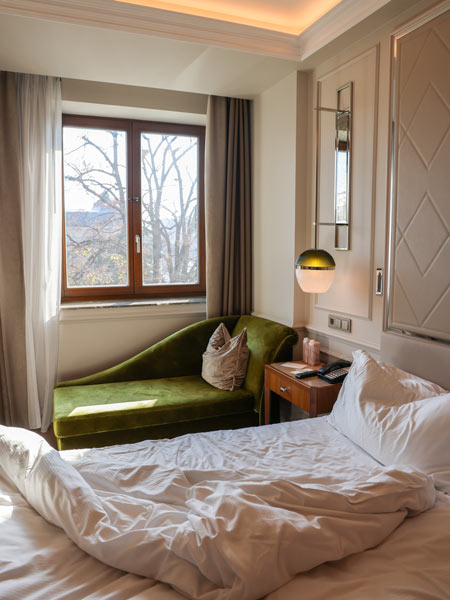
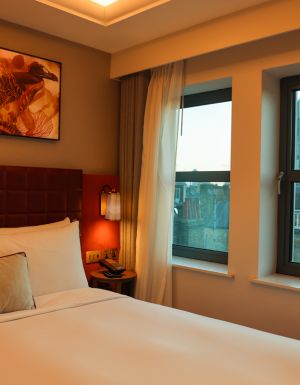
Intercontinental Athenee King Premium Corner Room
The King Premium Corner Room is perfect for solo travellers and couples. (Credit: Emily Murphy)

I stayed in a King Premium Corner Room, and it was exactly what I needed after 24-plus hours of travel. Spacious, light-filled and blissfully quiet, it felt more homely and peaceful. 

With hand-finished oak floors, a king-size bed and a large bathroom, it had a true residential feel. My corner position meant big windows and views over Revolution Square, while the bedding was plush enough to make a jetlagged nap stretch into something far more restorative. 

When I woke, groggy but revived, room service felt like the only logical next step. 

What dining facilities does InterContinental Athénée Palace Bucharest have? 
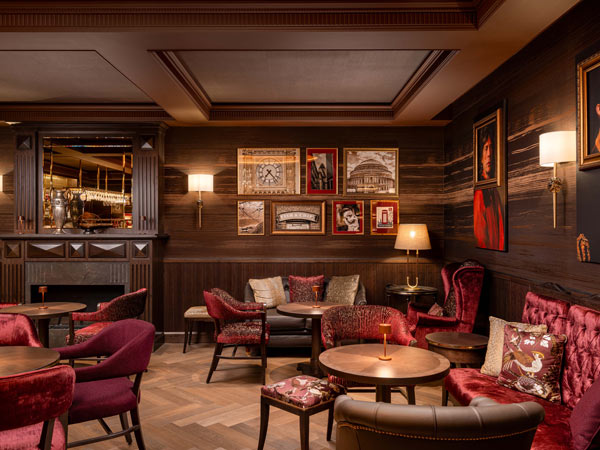
The English Bar
The English Bar has rich and storied roots. (Credit: Supplied)

There are three main venues: JORJ Restaurant, Café Athénée and The English Bar, along with Club InterContinental for lounge access guests. 

After my epic nap, I ordered the Romanian mezze platter to my room. The platou de gustări românești came loaded with zacuscă (traditional Romanian roasted vegetable dip), tarama, eggplant salad, mashed beans, roasted bell pepper salad and toasted bread. It was deeply comforting and genuinely delicious, the kind of local tasting plate that anchors you in place after a long journey. 

Breakfast at the buffet in JORJ Restaurant was generous and well executed, with the kind of spread that lets you ease into the day. 

Does InterContinental Athénée Palace Bucharest have access for guests with disabilities? 
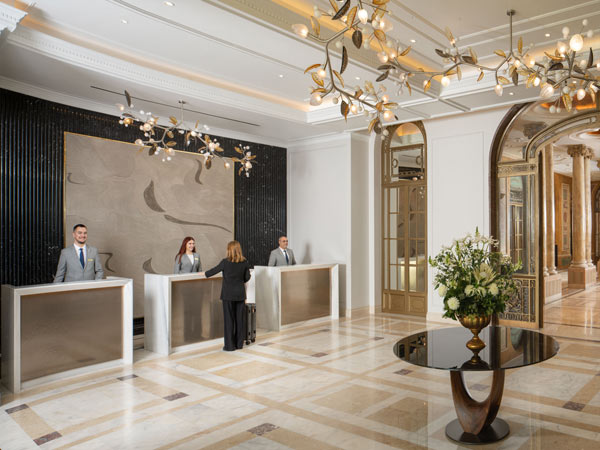
Athenee Palace reception
Specific requests can be made for guests with disabilities. (Credit: Supplied)

The hotel offers accessible rooms, facilities and public areas, though specific room configurations should be requested in advance to ensure they meet individual needs. 

Weekly travel news, experiences
insider tips, offers,
and more.

Is InterContinental Athénée Palace Bucharest family-friendly? 
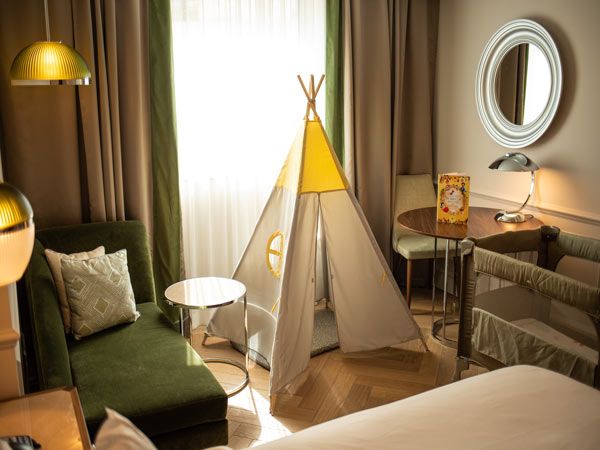
InterContinental Athénée Palace Bucharest family room
InterContinental Athénée Palace Bucharest can accommodate travellers with kids. (Credit: Supplied)

Families are welcome, with spacious rooms and suites, indoor pool access and a central location that makes sightseeing easy. While it leans more classic luxury than kid-friendly, it works well for families wanting a luxury, well-located city stay. 

The verdict 
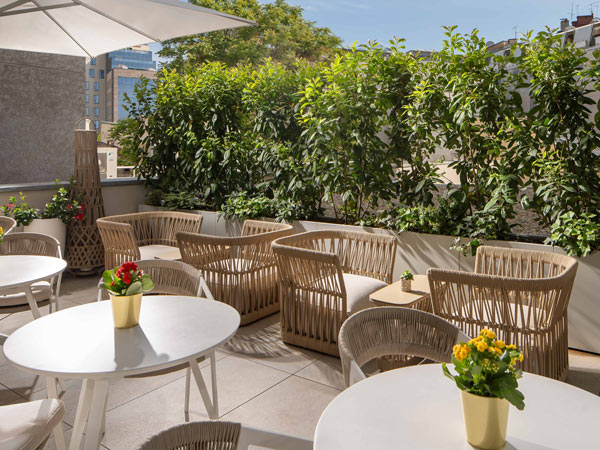
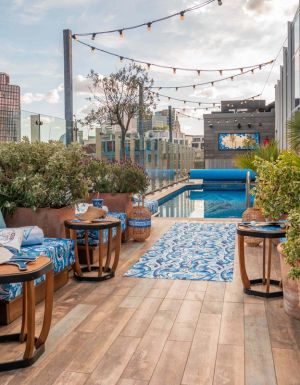
Intercontinental Athenee terrace
The terrace is a good spot to slow down a bit and unwind. (Credit: Supplied)

InterContinental Athénée Palace Bucharest is more than just a historic address. It’s a place that feels reassuringly solid after a long journey. The heritage gives it gravitas, the renovation keeps it fresh, and the service adds the final layer of comfort. 

For me, it was the perfect soft landing in Romania. A corner room, a restorative sleep and a plate of Romanian mezze later, I felt ready to meet Bucharest properly. 

Staff throughout were kind and accommodating, which makes all the difference when you are running on little sleep and slightly scrambled body clocks. 

Details 

Best for: Culture lovers, history enthusiasts and travellers seeking a refined five-star base in central Bucharest.
Address: 1-3 Episcopiei Street, Sector 1, 010292 Bucharest, Romania
Cost: From approximately $400 per night, depending on season and room type.  

Want to see more stories from International Traveller in your Google search results?

  1. Click here to set International Traveller as a preferred source.
  2. Tick the box next to "International Traveller". That's it.
Emily Murphy
Emily Murphy is International Traveller's Email & Social Editor, and in her time at the company, through various roles, she has been instrumental in crafting compelling narratives that inspire others to explore the world. Her previous job was a journalist at Prime Creative Media and before that she was freelancing in publishing, content creation and digital marketing – equipping her with a diverse skill set that enhances her storytelling and audience engagement. When she's not creating scroll-stopping travel content, Em is a devoted 'bun mum' and enjoys spending her spare time by the sea, reading, binge-watching a good TV show and exploring under-the-radar destinations. Next on her travel wish list? Mexico and an African safari.
View profile and articles
hero media

What the European heatwave means for your summer travel plans

Temperatures are soaring this summer, breaking records across Europe and the UK. 

Euro summer is a feeling like no other. But when a heatwave hits? The dream trip quickly turns into a sweaty mess. Extreme heat is sweeping Europe and the UK this week, with record-high temperatures impacting travel plans across the continent.

And while Australian summers are typically hotter in absolute temperature, many European cities aren’t equipped for high temperatures, resulting in unbearable weather.

Why is it so hot in Europe?

Signs of a hot summer loomed in May, when the mercury hit unprecedented spring highs. Now, extreme high temperature warning alerts have been issued in countries such as Spain, Italy, France, England, the Netherlands and Germany.

France saw its hottest day on record on Wednesday, with an average temperature of 30°C across the day and night. This surpasses the average temperature for June, which is 15°C to 25°C. Dozens of people have died, including 40 from drowning.

In Spain, 212 deaths have been linked to the heatwave.

The UK recorded its hottest June day ever on Wednesday with temperatures soaring to 36.1°C. In an article published by the Met Office – the UK’s national meteorological service – Professor Stephen Belcher CBE, Met Office Chief Scientist, shared his concerns about June’s heat. “To see temperatures like this in the UK in June is sobering. Events like this bring home the implications of climate change, with very high temperatures and humidity bringing significant health implications from heat stress, as well as impacts to a range of sectors such as transport, energy and water supply,” he said.

Heatwaves are becoming increasingly common in Europe and the UK, neither of which is prepared for such extremes. The World Meteorological Organization reported that in 2025, at least 95% of Europe experienced above-average annual temperatures and that the continent was heating up twice as fast as the global average.

How travel is impacted

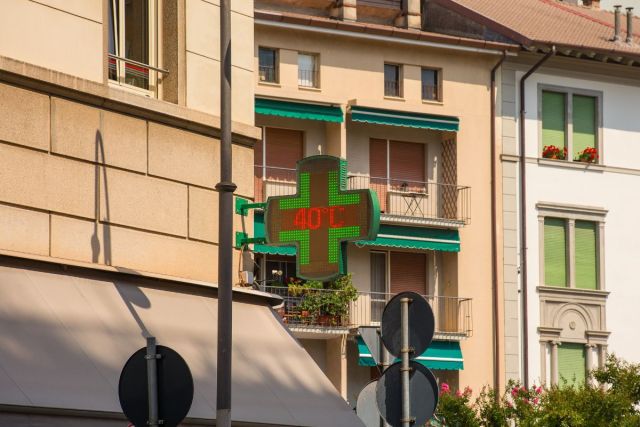
A pharmacy sign displaying 40 degrees Celcius
A pharmacy broadcasting local weather data. (Credit: Getty/Dragoncello)

During a heatwave, power grids, water systems and transport networks can be affected, resulting in disrupted itineraries for travellers. In France, power outages have left thousands without electricity and early closures have been implemented for two of Paris’s biggest attractions, the Eiffel Tower (early afternoon rather than late at night) and the Louvre (two hours early). Eurostar cancelled its London to Paris and Paris to London services from the 22nd to the 25th, and major UK rail companies have been advising travellers to avoid using trains where possible, or to travel during early hours.

If a heatwave is predicted, being flexible with your itinerary and having fully refundable/changeable tickets is key, as extreme heat can force the cancellation of outdoor activities, impact rail and flight services and change the opening hours of sites and eateries.

Why does summer in Europe often feel hotter than summer in Australia?

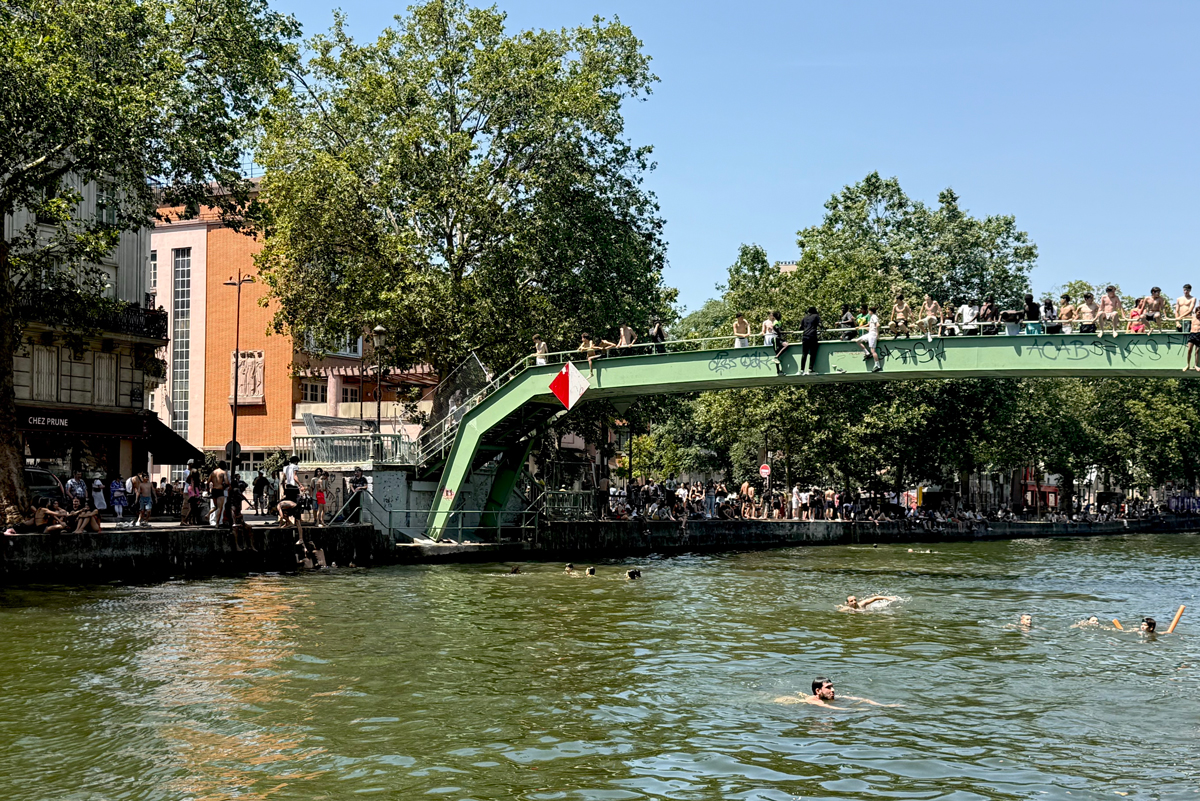
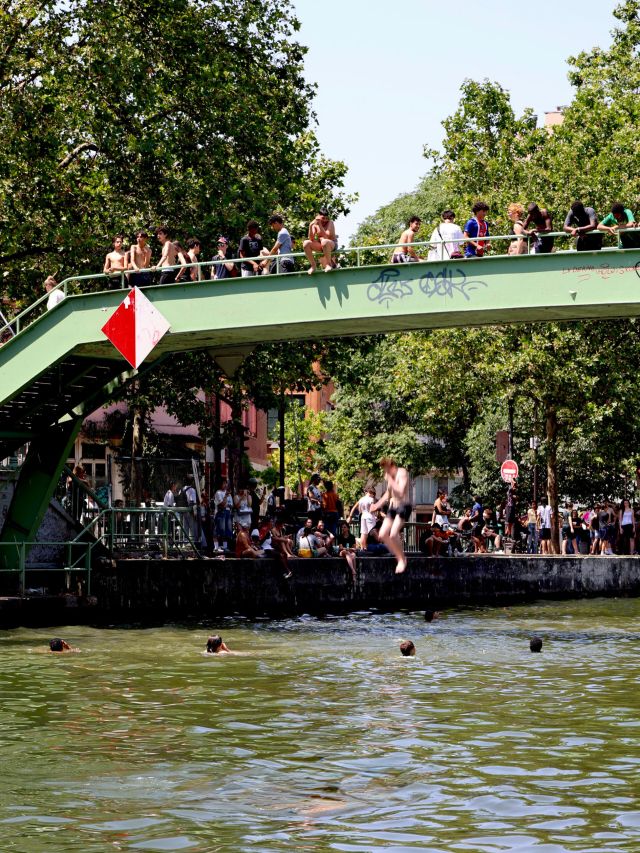
people swimming in the Canal Saint-Martin in Paris
People swimming in the Canal Saint-Martin in Paris to cool off. (Credit: Rachael Thompson)

With some of the highest UV levels in the world, Australians are no strangers to the heat, adapting well to intense weather. But our infrastructure is largely equipped to withstand soaring temperatures with climate-responsive passive design, refrigerated air conditioning or evaporative coolers, as well as swimming spots aplenty.

Buildings in Northern and Western Europe and the UK, however, are constructed to retain heat and handle frosty winters. The lack of universal air conditioning means it generally feels hotter even though the temperature on your app might not look it. During a heatwave, it can feel like you’re in a sauna as cities act like heat traps.

How to stay cool and prepare for another heatwave

Relief is expected across Europe and the UK later this week, but more heatwaves are still possible in the coming months. Summer heat typically peaks in July and August.

Public transport often doesn’t have air conditioning, and buses in particular can be swelteringly hot. If you’re heading outside or your accommodation has no air conditioning, it’s worth buying a spray bottle and a handheld fan from a pharmacy or tourist stand. Check ahead of time if restaurants and cafes have air conditioning and make a booking in advance. The highest temperatures typically hit between 3pm and 6pm, so aim to head outdoors outside of these hours.

Rising temperatures invite travellers to enter a more intentional era of seeing the world. Now more than ever is the time to embrace lower-impact “coolcations” and off-season getaways.