
The geothermal pools you need to stop at along Iceland’s Ring Road.
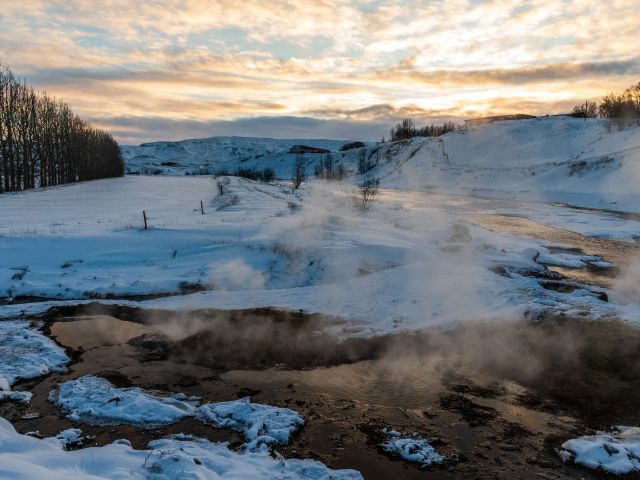
Iceland is a place where the earth quite literally breathes beneath your feet. Along the Ring Road, the popular 1,300-kilometre route that circles the country, you can see it breathe. Steam rises from hillsides, roadside vents and lake edges, an ever-present reminder of the geothermal forces shaping the landscape. For centuries, geothermal bathing has been part of Icelandic life, with locals soaking in the naturally heated, mineral-rich waters.
Today, many travellers include a soak in the milky blue, silica-rich waters of the Blue Lagoon, located just outside Reykjavik, in their Iceland itinerary, but if you want to truly experience Iceland’s geothermal wonders, a road trip around the country offers so much more. Here’s where to stop and soak.
Secret Lagoon (on the Golden Circle)
In the small village of Flúðir sits the country’s oldest swimming pool. Built in 1891, Secret Lagoon hasn’t strayed far from its origins. Unlike Iceland’s more polished geothermal spas, this pool has grassy edges and smooth, oversized gravel stones underfoot, creating an almost reflexology-like massage as you move through the water. A small concrete shack, the original rudimentary change room, still stands beside the pool as a nod to its history, though modern facilities are now in place.
The large pool is kept at a steady 38-40°C, and there’s a small kids’ pool and cold plunge for the brave. A wooden path traces the pool’s edge, passing bubbling geothermal vents and a miniature geyser that erupts every few minutes, sending plumes of steam across swimmers.
Entry cost: Bathing from $51. There’s a small cafe onsite for refreshments.
Laugarvatn Fontana (on the Golden Circle)
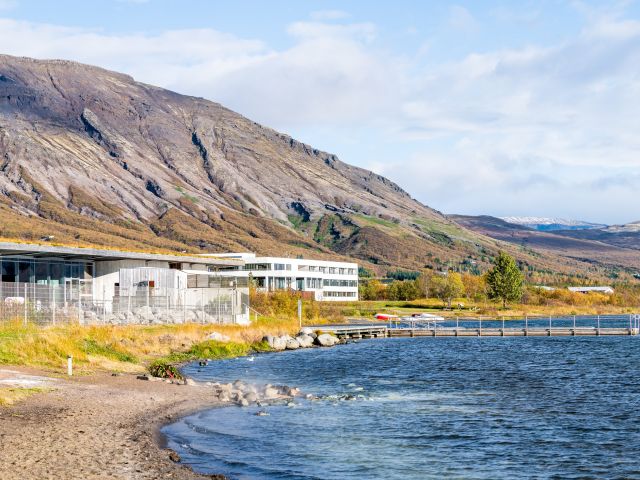
On the shores of Lake Laugarvatn, plumes of rising steam show you exactly where to turn long before the pools come into view. Fontana’s three interconnected pools range from 34-40°C, and steam rooms are built directly over the hot springs, so you can hear the water bubbling beneath the floor grates.
For the full Icelandic experience, slip into the lake from the short wooden pier for a bracing cold plunge. The team at the onsite geothermal bakery slow-cooks traditional rye bread by burying it for 24 hours in the black sand along the lake’s shoreline, resulting in a warm, dense and slightly sweet loaf you can taste on a guided tour. A new Finnish-style sauna with a wide panoramic window of the lake and an in-water bar is now open.
Entry cost: Bathing from $85, rye bread tours and tastings from $40.
Laugarás Lagoon (Golden Circle, Iceland)
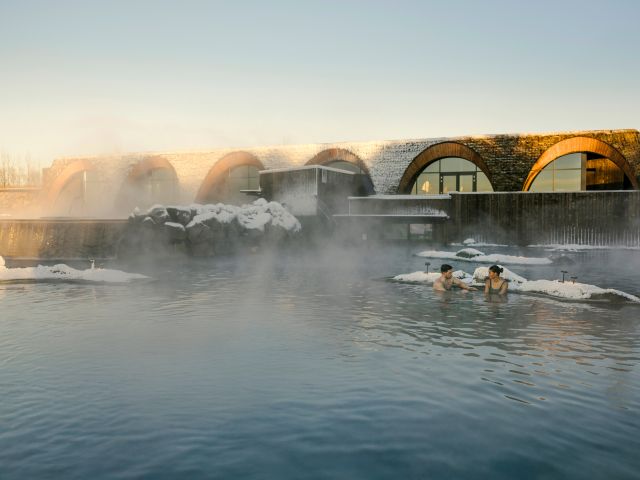
Laugarás Lagoon brings a resort-style feel to Icelandic bathing. Set along the banks of the Hvítá River, the lagoon spans two levels, with water flowing seamlessly between them. There’s a forest-fringed pool, a quiet grotto, a six-metre waterfall and an infinity pool overlooking the river.
Swim bar ups mean you never need to leave the water, while saunas and a cold plunge complete the full hot–cold ritual. For those who want to linger longer, the onsite Ylja Restaurant, led by chef Gisli Matt, offers a menu sourced from nearby farms, fisheries and geothermal greenhouses.
Entry cost: Bathing from $90. Children under eight are not permitted.
Vök Baths (Egilsstador, East Iceland)
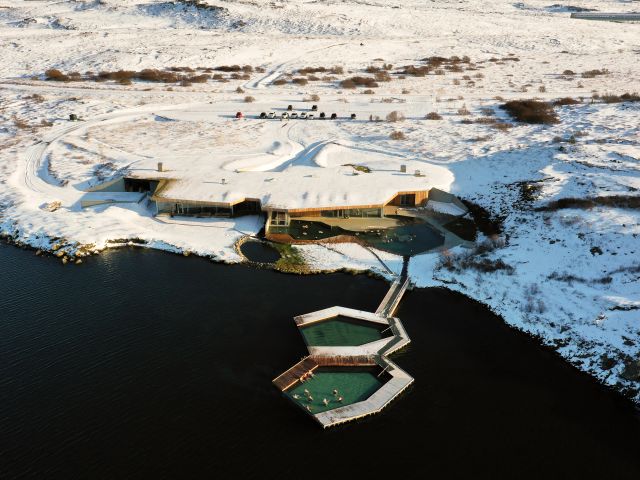
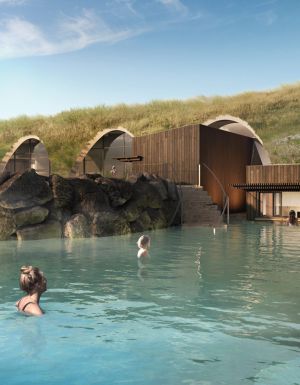
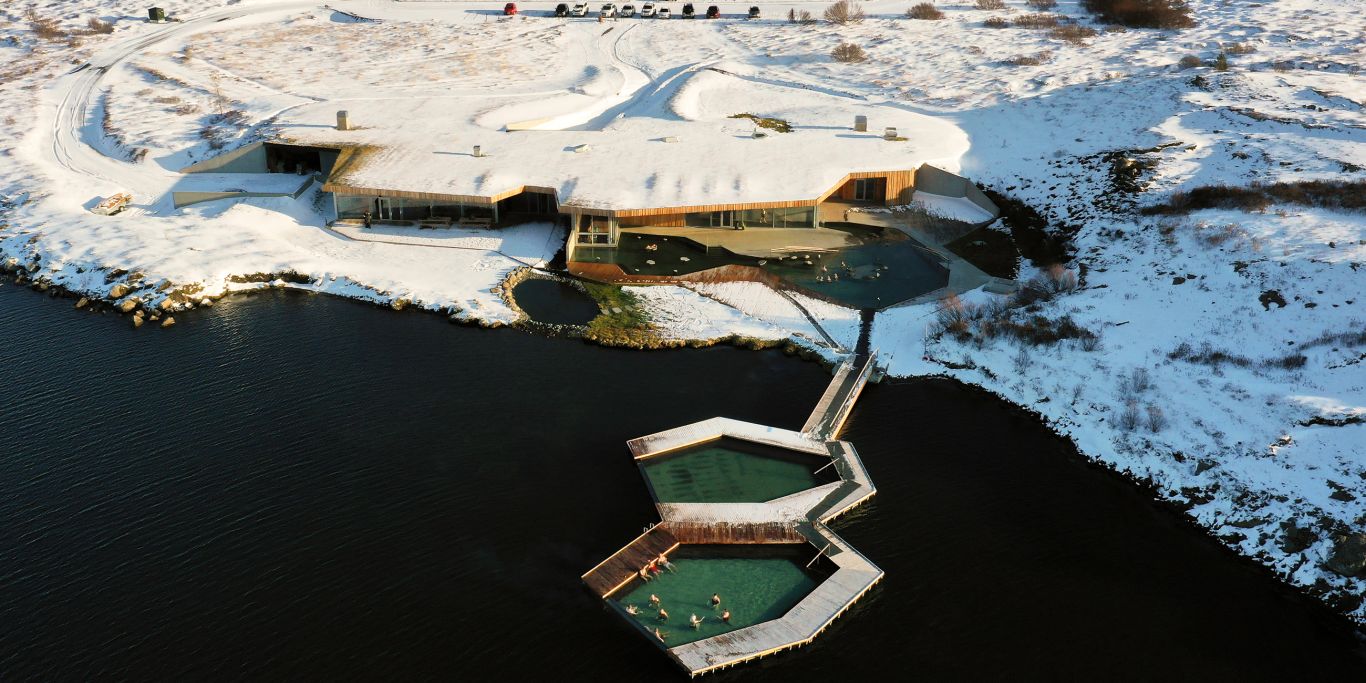
Reached via a quiet stretch on the Ring Road, Vök Baths sits on the edge of Lake Urriðavatn and offers one of the country’s most distinctive bathing experiences: geothermal pools that quite literally float.
A turf-roofed building that disappears into the hillside serves as the entry point, before you emerge at the water’s edge, where circular infinity pools extend out into the lake. A cold mist tunnel offers a mild reset, or for something more invigorating, climb down the ladder for a dip in the lake.
Unique to Vök Baths, the water is naturally filtered through layers of volcanic rock, making it the only geothermal water in Iceland drinking-certified. You can taste it at the onsite tea bar, where infusions are made from hand-picked Icelandic herbs.
Entry cost: Bathing from $88.
Earth Lagoon Mývatn (North Iceland)
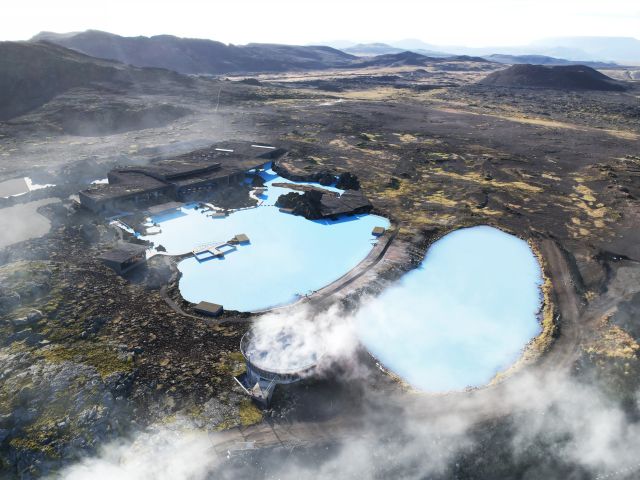
Visiting these geothermal pools means soaking within an ancient lava field, where jagged black lava rocks are softened by velvety green moss. The Earth Lagoon Mývatn is filled with mineral-rich, alkaline water drawn from depths of up to 2,500 metres, rising naturally to the surface.
Located far from the more heavily visited south, the atmosphere here is calm and unhurried. Steam rooms are built over natural geothermal vents; a swim-up bar and an onsite bistro serve simple Icelandic fare.
Entry cost: Bathing from $90.
GeoSea (Husavik, North Iceland)
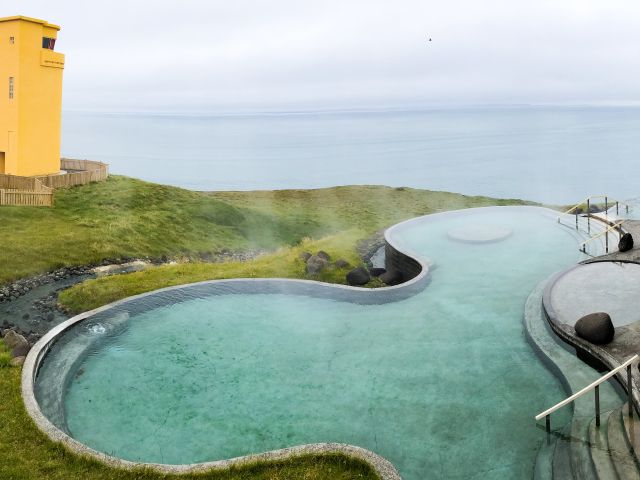
In the northern fishing town of Húsavík, a place many will recognise from the Hollywood film Eurovision Song Contest: The Story of Fire Saga, a visit to GeoSea delivers one of Iceland’s most cinematic bathing experiences.
Perched high above Skjálfandi Bay, the infinity pools look out over open ocean and snow-dusted mountains on the horizon. On a clear day, whales can be seen moving through the bay, while in winter, the northern lights may flicker overhead.
The water itself is also unique. When drilling for geothermal heat in the mid-20th century, locals discovered hot seawater, too mineral-rich for household use but ideal for bathing. The temperature sits at a comfortable 38-39°C and leaves a faint trace of salt on your skin. There’s a steam room and swim-up bar, but the real draw is the views across the coastline.
Entry cost: Bathing from $87.
Weekly travel news, experiences
insider tips, offers, and more.
Forest Lagoon (Akureyri, North Iceland)
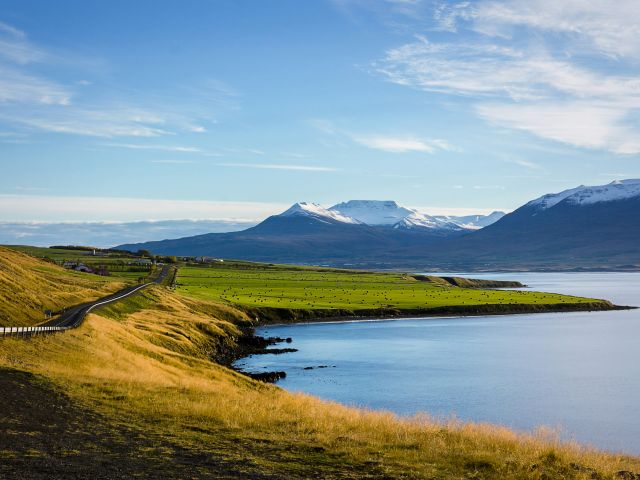
Across the fjord from Akureyri, Iceland’s second-largest town, Forest Lagoon is tucked into the trees of Vaðlaskógur forest. Birch and pine trees surround the pools, shifting the soundtrack from bubbling vents and small erupting geysers to wind moving between the trees.
The timber and stone of the bathing facilities blend into the forest, and from the water, views stretch out over Eyjafjörður, one of the country’s longest fjords. The main geothermal pool sits between 37-39°C, complemented by a hotter pool just above 40°C, a cold plunge, a dry Finnish sauna and a swim-up bar.
Entry cost: Bathing from $65. A free shuttle bus runs from Akureyri. Children are welcome until 8pm.
Krauma (Reykholt, West Iceland)
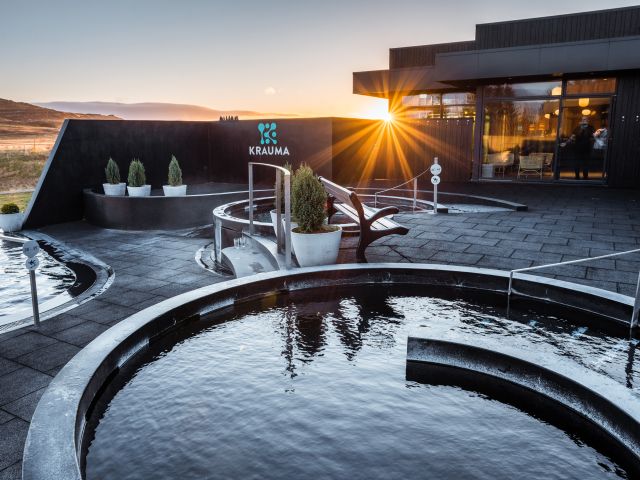
Krauma’s waters are drawn directly from Deildartunguhver, the largest hot spring in Europe, and cooled with glacial meltwater to create the perfect range of bathing temperatures across its six pools. All of which are shallow enough to sit comfortably submerged.
While the car park can appear busy, many visitors are there to see Deildartunguhver itself. Fewer continue onto the baths, leaving the pools feeling spacious, uncrowded and unhurried. Guests can pause their bathing in the relaxation room where soft lighting, a fireplace and subdued music create a cocoon of dry warmth between dips. There’s also an onsite restaurant, which makes it the ideal spot to break up the drive between Iceland’s north and west regions.
Entry cost: Bathing from $90.
Changing room etiquette
There is an expectation that everyone showers in communal change rooms without swimwear before entering pools. This is part of the country’s bathing culture and isn’t considered awkward. The showering process is straightforward, and all pools have clear signage explaining what to do.
Other tips
- Iceland’s Ring Road is best experienced by self-driving. Having your own vehicle, we travelled with Lava Car Rentals, means no time limits on your geothermal bathing stops.
- Bring a waterproof phone pouch if you want to take photos. Take a few, then put your phone in your locker and enjoy the experience.
- Remove jewellery. Sulphur-rich water can discolour metals, and small items may get lost in gravel bottoms.
- Stay hydrated. Many of the baths offer free water.
- Book ahead where possible, especially at peak times.
Note: All pricing has been converted to AUD and is correct at the time of publishing.
Want to see more stories from International Traveller in your Google search results?
- Click here to set International Traveller as a preferred source.
- Tick the box next to "International Traveller". That's it.