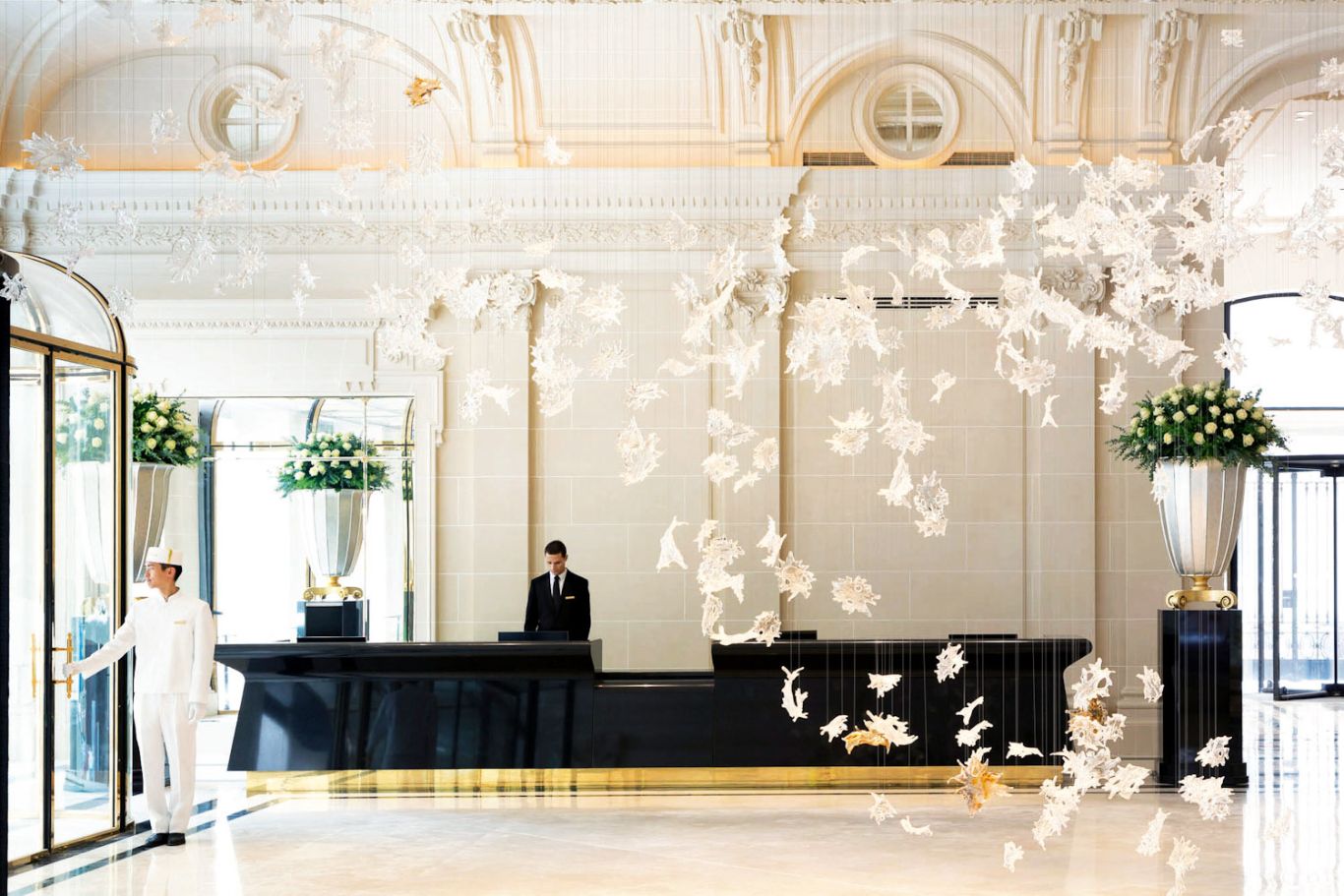
Where to stay, what to read, eat, see and do for a suitably luxurious ladies retreat to Paris.
Ladies, at the risk of preaching to the choir, it is incumbent on me to state something obvious right from the start: Paris has always done luxury oh-so well.
It has to do with the endless glorious architecture that sends a little frisson of excitement through your body as you stand in front of it, the dramatic history that has shaped the city for centuries, and, of course, the innate sense of style of the Parisians themselves.
For a city that boasts the very existence of The Arc de Triomphe, the Eiffel Tower, the Louvre, the Luxembourg Gardens, Notre Dame – and the insanely indulgent Rue Saint-Honoré, because fashion is an essential part of the legend too – within its limits, it would be easy to forgive the powers that be if they simply decided to rest on their designer-clad laurels and bask in the reflected glow of what they already have.
But, non! Paris is constantly evolving our collective perception of what constitutes true luxury and the ultimate in chic.
So, in the interest of keeping up with this most aspirational of destinations we have pulled together the ultimate girls’ guide to Paris, just for you.
The Hotels
It is a bold statement but perhaps nowhere on Earth rivals Paris when it comes to five-star hotels.
The impeccable service received at properties such as The George V and The Ritz is the benchmark by which all other hotels are judged.
Given the already expansive roster, it is essential for any newcomers to really ‘bring it’ when arriving in the City of Light.
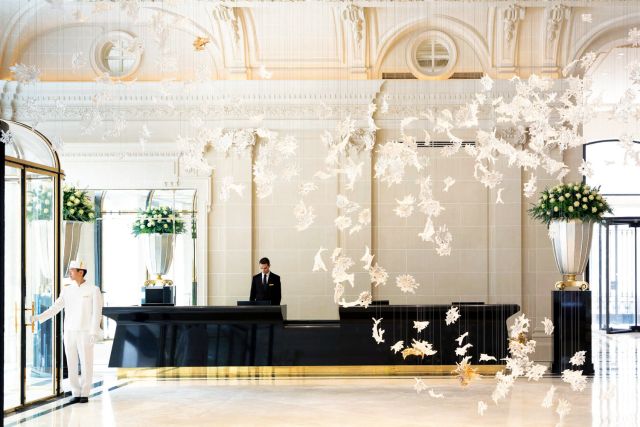
Expectations were high for the new Peninsula Paris given the long established reputation of its flagship Hong Kong property, and the luxury brand has pulled out all stops in order not to disappoint.
Housed in a grand white Haussmannian building on Avenue Kléber, the former Majestic Hotel had a chequered past – it was converted into government offices during the 1930s and became the headquarters of the German Military High Command during the occupation of France by the Nazis in World War II – before being acquired by Peninsula and undergoing four years of meticulous, no-expense-spared restoration by a team of artisans.
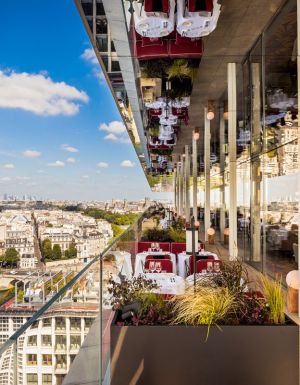
The result of all this work and dedication is a grand property of 200 rooms, including 34 suites, a luscious 1800-metre spa and an impressive collection of restaurants and bar (including the rooftop L’Oiseau Blanc with its views to a certain tower of some repute) that is exquisite in its attention to detail, bien sur!
19 Avenue Kleber, Paris; paris.peninsula.com
With the bar raised that much higher thanks to The Peninsula, the facelift undertaken by another of the city’s storied hotels needed to be all that and a little bit more in order to keep up.
Of course, given that we are talking about The Plaza Athénée (yes, the Sex and the City hotel) it was almost a given that it would succeed.
The revitalised property is now a breathtaking example of what a five-star offering should look like, with its 142 rooms and suites having been primped and preened to perfection – they even smell good, scented as they are with the subtle aroma of amber.
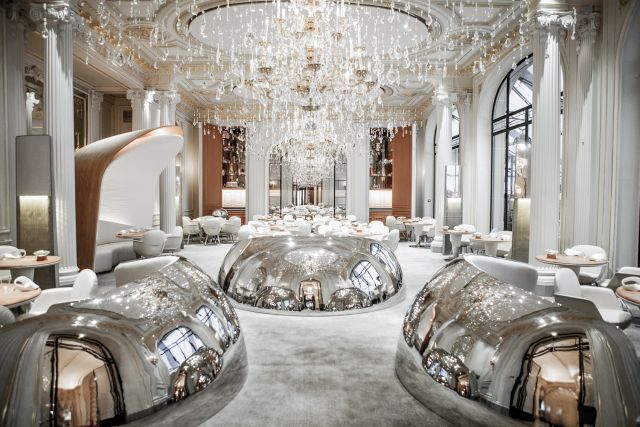
The hotel’s five restaurants and bars have also undergone stunning transformations, nowhere more so than Alain Ducasse au Plaza Athénée, the signature restaurant by the Michelin-starred superstar which is now a dreamscape of whiter-than-white fittings and sparkling metallic pod booths.
The overall effect throughout the hotel is nothing short of stunning, and will definitely please the well-heeled visitors checking into the rooms upstairs and the ladies who lunch, who’ve been bereft of their absolute favourite venue for too long.
25 avenue Montaigne, Paris; dorchestercollection.com
The Book
There’s quite the vogue right now for how-to books attempting to distill all that it means to be female and Parisian into 300-odd pages (including contents and index) – how to dress, how to raise your children, how to maintain your weight… you get the gist.
What makes How To Be Parisian Wherever You Are (Random House, $34.95) different from others in this lucrative genre is the intelligence and wit with which the four authors – Anne Berest, Audrey Diwan, Caroline De Maigret and Sophie Mas – approach the subject, and the subtext of what they are actually saying.
Described as “bohemian free-thinkers and iconoclasts", the women are clever, chic and well connected, the very definition of what it is to be a Parisian, in fact.
They dish on everything from the pieces no self-respecting Parisian will let near her wardrobe (“Ugg boots. Enough said. Don’t even ask.") to how to answer the phone when he finally calls, to the many books on a Parisian’s bookshelf
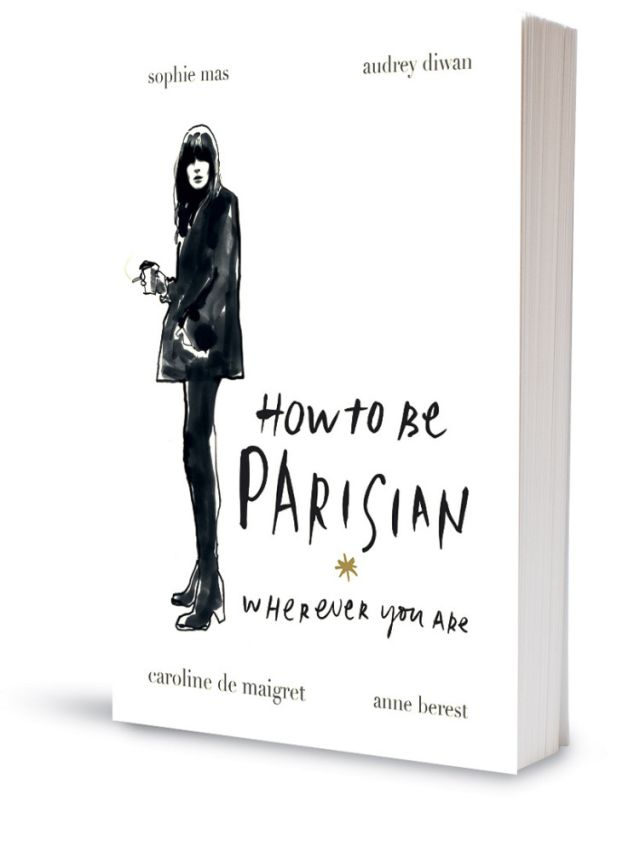
(“The books you claim you’ve read so many times that you actually believe you have. The books you read in school of which you only remember the main character’s name. The books that you’ve been promising yourself you’ll read next summer… for the past 10 years. The books that you think make you cool. The books you keep for your children, just in case you ever have any. The books you own simply because you must and, taken together, form intangible proof that you are well read.").
With this book in your bag you’re just a crash-course in the French language and a one-way ticket to Charles de Gaulle away from Parisian perfection.
The Café
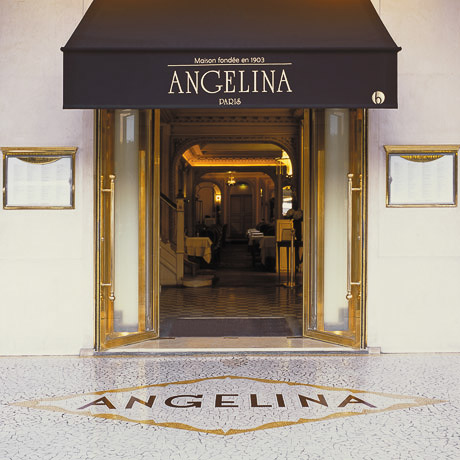
Saunter down the Rue de Rivoli on a Sunday afternoon and you will be forced to do a detour to the edge of the wide pavement to get around the crowds patiently waiting for a table at Angelina.
Established in 1903 and housed in a glorious Belle Époque salon, the tea room is renowned as the purveyor of decadent pastries which lure locals and tourists alike.
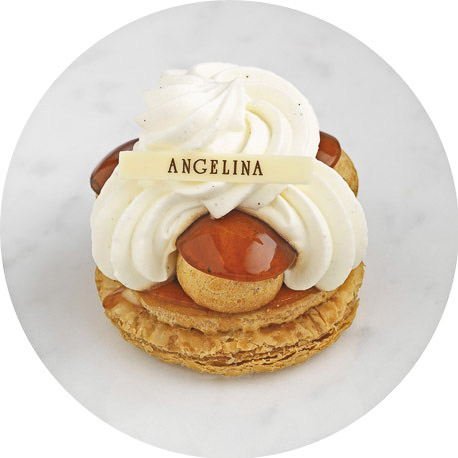
The Mont Blanc, a moorish mound of piped creme de marron (sweet chestnut purée) on a meringue base liberally sprinkled with icing sugar is its signature patisserie.
There is also a delightfully described ‘salty menu’ of savoury dishes available but it is the fantastical, pastel-hued sugary confections and the legendary hot chocolate that each and every person in the well-mannered queue is prepared to wait as long as it takes to sample.
226 rue de Rivoli; angelina-paris.fr
Weekly travel news, experiences
insider tips, offers, and more.
The Museum
Eight years in the making, the Louis Vuitton Foundation was unveiled to much fanfare during the recent spring 2015 ready-to-wear shows, with the latest collection from the French luxury house being staged within its klieg-bright glass walls.
The brainchild of LVMH Chairman Bernard Arnault, an avid art collector himself, the Foundation was envisioned as a space that would allow for the group’s policy of art and culture patronage to flourish and prosper.
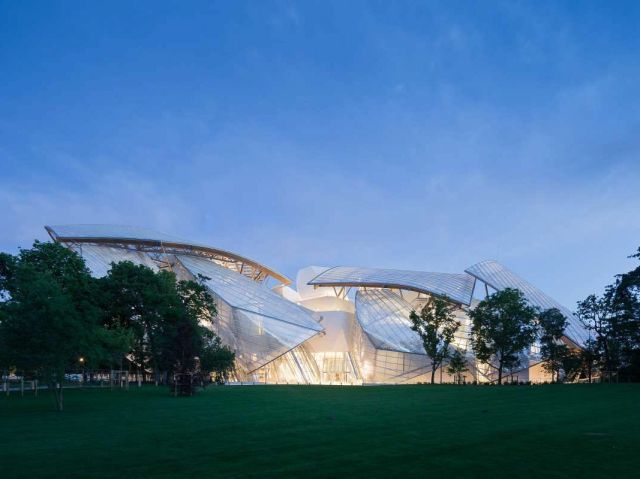
Award-winning architect Frank Gehry has created a building of true beauty, one that is at once alien to its surroundings in the Bois de Boulogne but at the same time wonderfully complementary, the green of the gardens reflecting endlessly in the glass panels that forms its shell.
As well as providing an additional gallery in which to celebrate and encourage modern art, it has also endowed the city with another stunning landmark that is sure to hold its own next to the Eiffel Tower in years to come.
Want to see more stories from International Traveller in your Google search results?
- Click here to set International Traveller as a preferred source.
- Tick the box next to "International Traveller". That's it.