From its tangled medieval lanes to prehistoric sites and pretty coves, the most mountainous island in the Mediterranean has a timeless appeal.
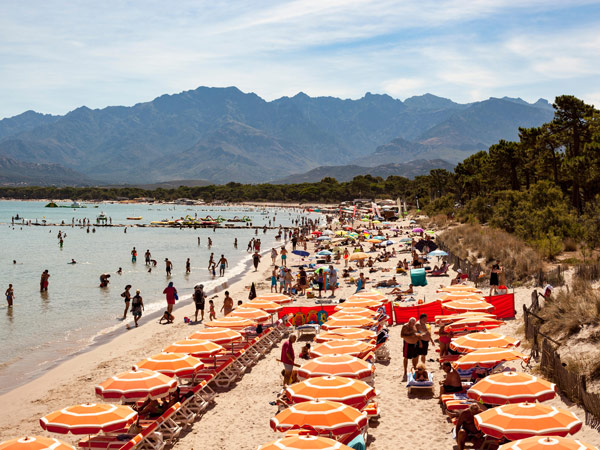
The translucent water is the palest aquamarine, so clear you can see right through to the sand below, which is the colour of Champagne. A half-moon beach stretches before us, framed by violet hills fragrant with sage and juniper and thick with the serenade of cicadas.
Just a 20-minute jetboat ride across a cobalt sea has brought us here to Plage de Saleccia on the Desert des Agriates, Corsica’s largest protected wilderness area that is not a desert at all. It’s a rocky scrubland of endemic maquis bush, which frames some of the most beautiful and unspoilt beaches in the Mediterranean.
Explore the unexplored
It’s just one of my many discoveries on a recent exploration of the fourth-largest island in the Mediterranean. Most Australians know next to nothing about Corsica, but my French friends have been telling me for years about its 1000 kilometres of coastline, its beaches and rugged hinterland dotted with dozens of sometimes snow-capped peaks.
There’s a certain mystery about Corsica that only adds to its allure. Tucked up against the west coast of Italy and ruled by Genoa for five centuries, the island has now been a part of France for 250 years, yet it remains fiercely independent.
Corsicans have steadfastly protected their homeland from the scourge of overdevelopment that has wreaked havoc in Mallorca, Santorini and Mykonos. The island, known for being the birthplace of Napoleon, is just begging to be explored.
At just 183 kilometres long and 83 kilometres wide, Corsica has no freeways and plenty of curvy roads around its mountainous interior and boulder-strewn headlands, so you need to take your time. There are so many gobsmacking landscapes to explore, from deserted beaches to alpine lakes and jagged peaks. The fortified citadels, seaside villages and russet-coloured mountain hamlets offer fascinating sojourns with plenty of excellent local food and wine to savour.
All along the wild coastline
Back to the Desert des Agriates. Located not far from Saint-Florent in the north, it frames 37 kilometres of wild coastline. We swim at Plage de Saleccia and discover a rustic restaurant tucked into the pine forest where we enjoy local tuna tartare and sautéed Corsican veal with green olives and a minerally white wine from the nearby Patrimonio region. Afterwards, it’s a two-hour walk along the coastal Sentier des Douaniers trail to Lotu Beach, backed by a tranquil lagoon, where we cool down with a beer at a rustic cafe overlooking the water before the jetboat ride back.
Follow the artisan trail
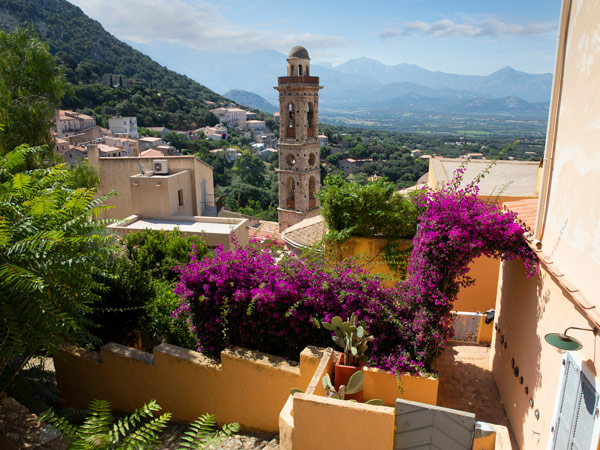
In the north-west, we explore the seaside town of L’Île-Rousse, go for a swim and enjoy the freshest of seafood at the beachfront Stella Mare Cafe before taking the Route des Artisans to discover medieval villages in the Balagne hills. We marvel at baroque churches and visit the workshops of potters, painters and luthiers in Pigna. The municipality is also home to the Filetti summer music festival, a highlight of Corsica’s iconic polyphonic singing tradition.
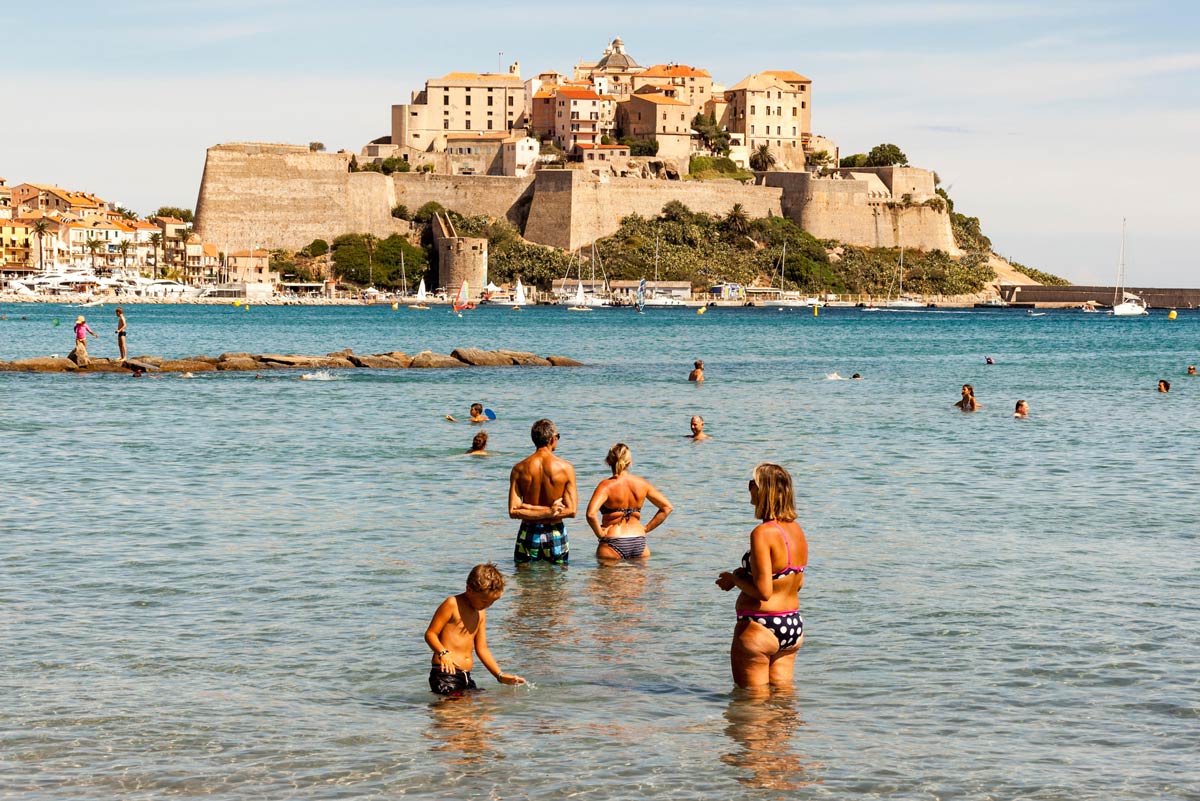
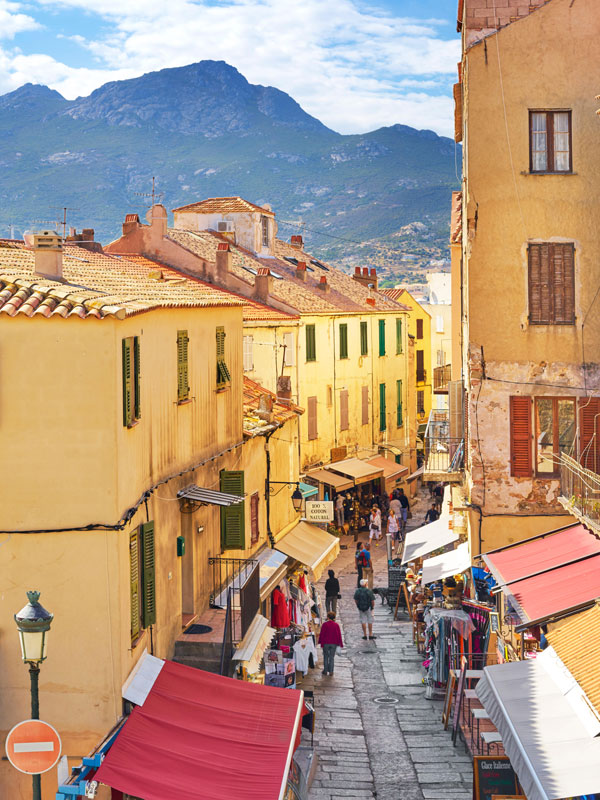
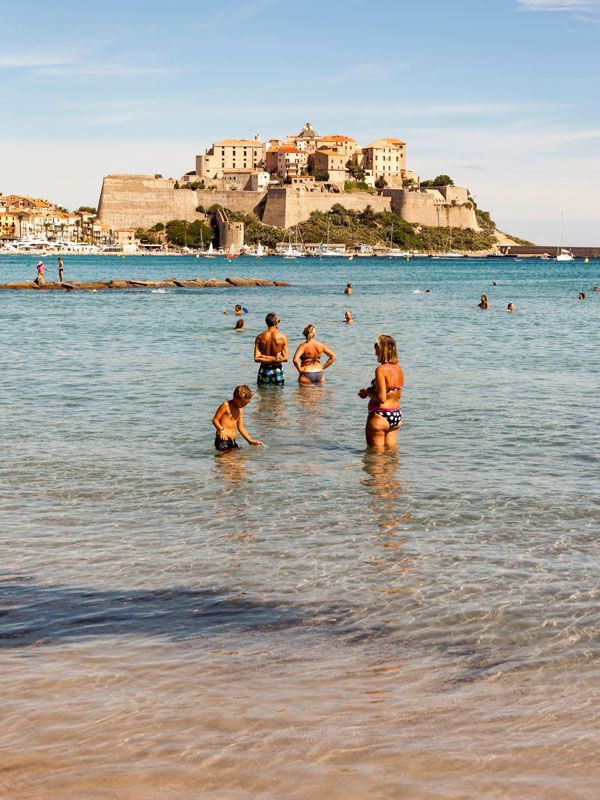
The nearby Citadel of Calvi stands above the town and shelters a labyrinth of cobblestoned alleyways. It’s worth the climb for the panorama of forested mountains behind an expansive crescent beach.
Coastal treasures
We take a boat trip down the west coast near the village of Piana to admire the sheer jagged red rhyolite cliffs and sea stacks of the Calanques de Piana. We also explore the Scandola Nature Reserve, one of the Mediterranean’s finest marine biodiversity hotspots, home to ospreys and gannets, groupers, moray eels and swirling sea grasses.
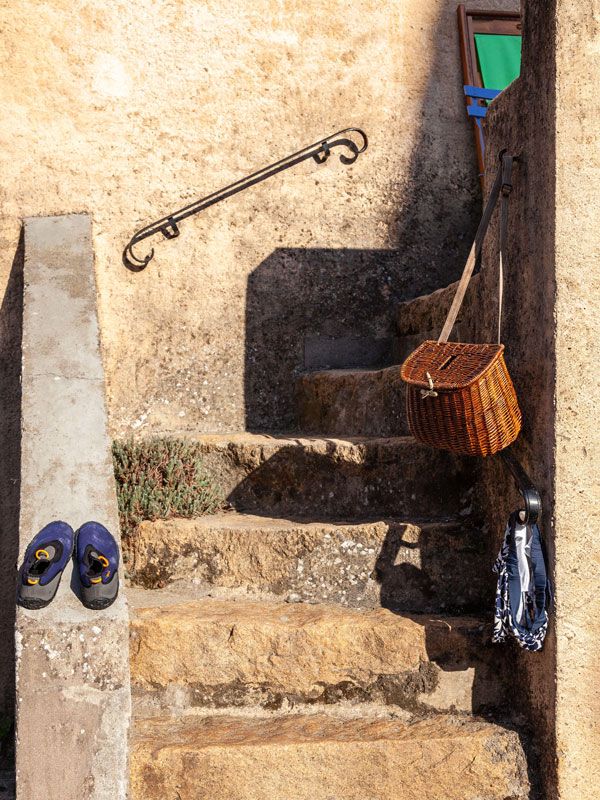
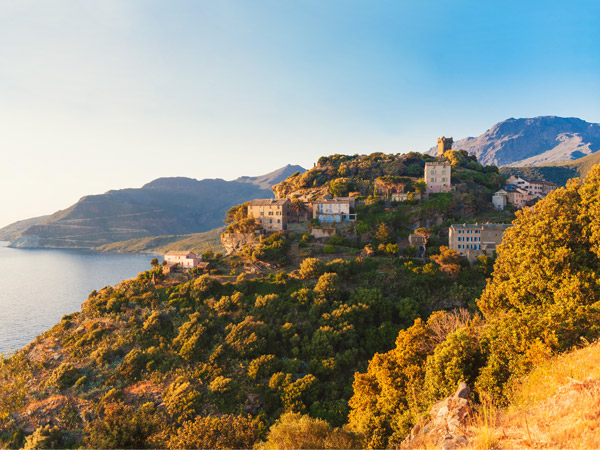
Next, we head to Cap Corse, a rugged peninsula with wild beaches and traditional villages in the north-east of the island. We follow a sinuous cliff-hugging road along the west coast to the village of Nonza, its rose-coloured church dedicated to Saint Julia, the patron saint of Corsica. We swim at a black-sand beach and then climb to the top of the promontory for a spectacular sunset dinner on the terrace of La Sassa restaurant.
A rugged interior
Corsica has more than its fair share of beaches. But many say that its soul lies in the granite and schist mountains of the rugged interior. It’s where the wild boar roam and farmers wrangle their sheep and goats across the harsh but aromatic maquis-covered landscape. The dense, scrubby carpet consists of sage, rosemary, juniper, laurel and everlasting flowers that bloom golden yellow in summer.
We visit the Museum of Corsica’s fascinating ethnographic collection of rural life inside the Citadel of Corte then drive alongside the pine-shaded river before the road twists and turns around the jagged rocks of the Gorges de la Restonica in the shadow of Mt Rotondo.
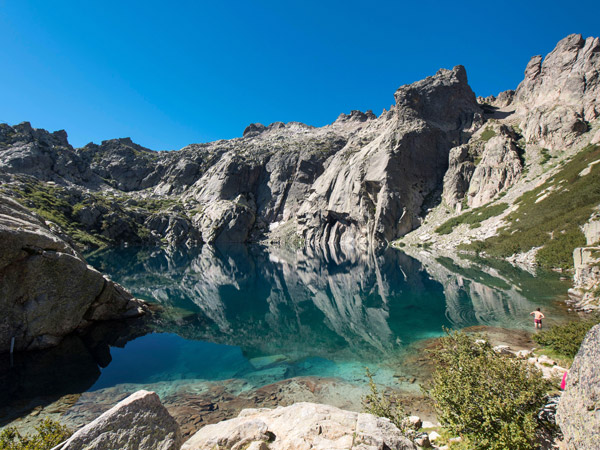
Our goal: to reach Melu and Capitello lakes on perhaps the best day hike on the island, which also happens to be part of Corsica’s renowned GR20 long-distance trek. We pick up baguettes full of Corsica’s famed brocciu cheese and cured ham at La Bergerie de Grotelle, conveniently perched at the start of the hike. From there we climb a rocky path beside the turquoise river and haul ourselves up the cliff face with chains and ladders to eventually reach the emerald lakes. That night we feast on Corsican charcuterie, leek beignets and an aromatic veal stew under fig and olive trees on the terrace of U Campanile, a family-run auberge in Vivario.
In a nutshell
It’s a two-and-a-half-hour drive to the ancient Citadel of Bonifacio, perched on white chalk cliffs above the blue Mediterranean on the southern tip of Corsica.
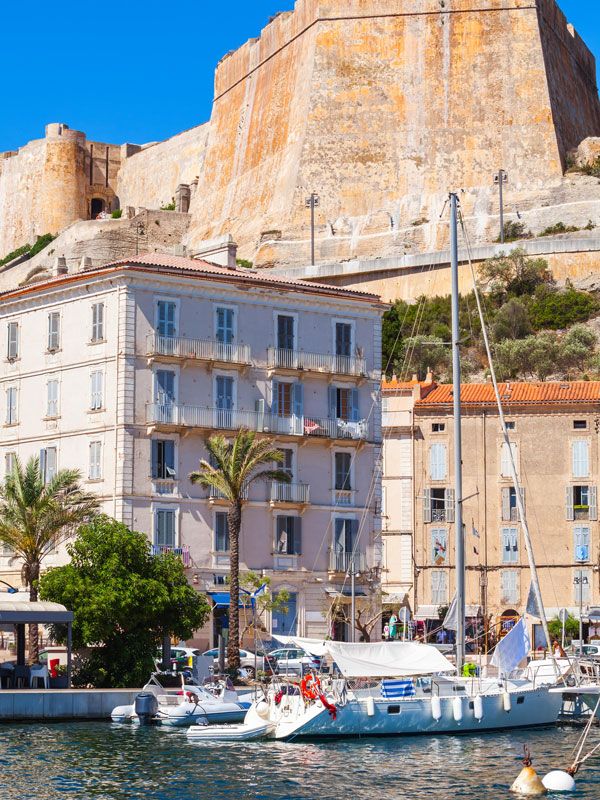
We cross its medieval drawbridge to explore the maze of alleyways in the old town then hike across the top of the spectacular Cape of Pertusato cliffs to the Lighthouse of Pertusato. A dip at Plage de Saint-Antoine Bonifacio follows and we are surrounded by translucent fish.
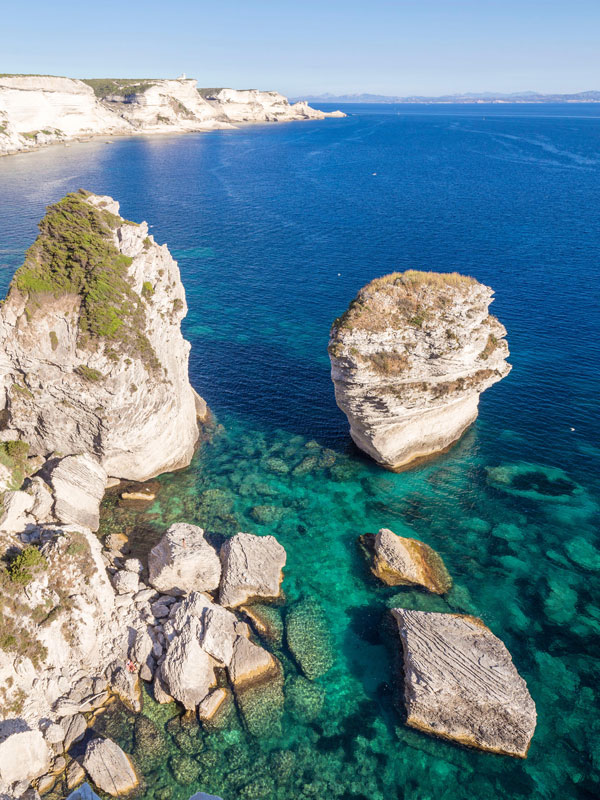
We continue our journey westward to explore more untamed beaches in Sartene in Corsica’s south-west. Our grand finale is a stay in an evocatively restored sheep herder’s hut at Domaine de Murtoli, a sublime rustic-luxe retreat set on a nature reserve and working farm with vineyards, olive groves, cows and sheep behind a deserted kilometres-long stretch of beach. A walk across the maquis leads us to prehistoric standing stones and we take a kayak to explore private coves.
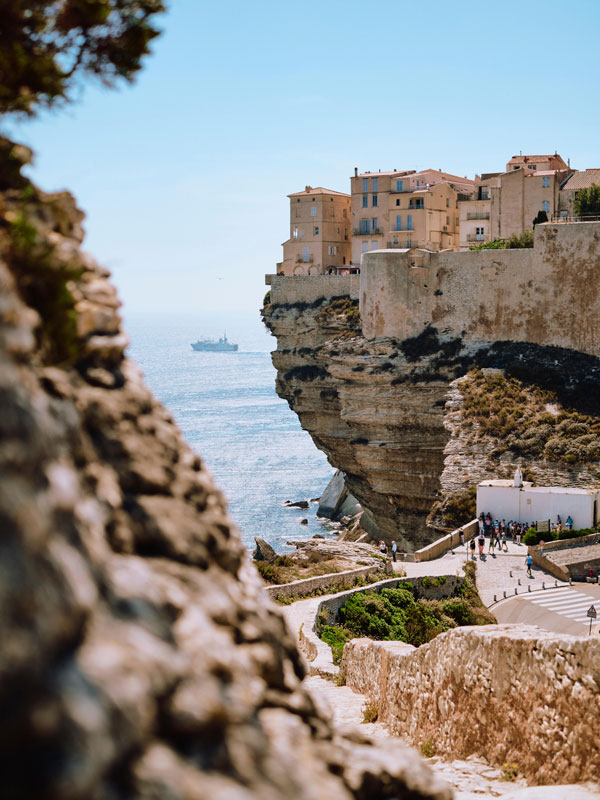
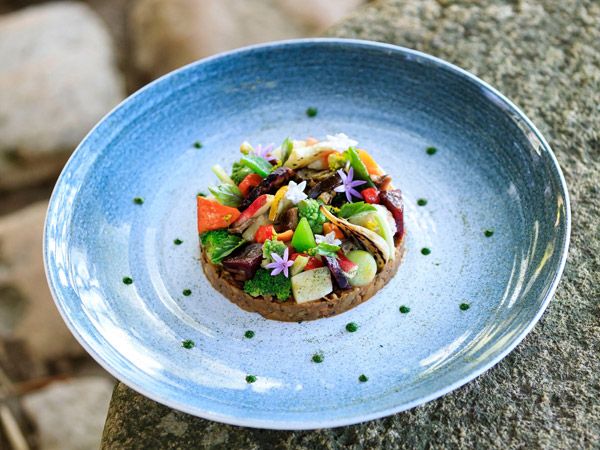
Massages at Domaine de Murtoli are enjoyed in an open-air spa above the Mediterranean surrounded by wild roses and aromatic myrtle bushes. Murtoli Spa uses 100 per cent natural Nucca products created from maquis herbs. We also feast on wild clam and parsley spaghetti and a host of Corsican cheeses and charcuterie alongside striking local wines crafted from indigenous sciacarello and nielluccio grapes. It’s the finest of Corsica in a nutshell. Wild and protected, intense and pure, a little otherworldly yet very much down-to-earth, an oasis within an oasis.
Weekly travel news, experiences
insider tips, offers, and more.
A traveller’s checklist
Getting there
There are direct flights to four airports in Corsica from Paris, Nice, Marseille, London, Rome and other European cities as well as ferry services between Marseille, Toulon and Nice to Bastia, Calvi and Ajaccio. Ferries also run between northern Corsica and ports in northern Italy.
Getting around
A rental car is essential. The roads are narrow and winding so allow plenty of time for your explorations. You’ll need at least 10 days, preferably two weeks, to scratch the surface of Corsica.
Staying there
In south-west Corsica, Domaine de Murtoli is an ultra-private luxury retreat on a working farm behind a wide expanse of deserted beach. Stay in a suite in the farmhouse with a Michelin-starred restaurant or in one of the restored sheep herder’s huts, each of which has a private pool.
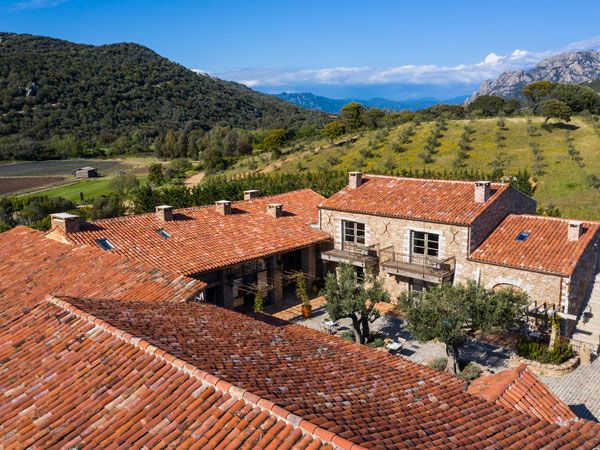
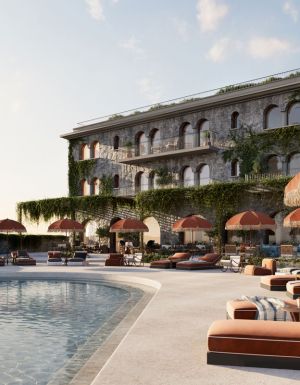
Aethos Corsica is a beautifully restored manor-house hotel replete with lap pool and gardens in the hill town of Orletta in northern Corsica, 15 minutes from the beach.
Want to see more stories from International Traveller in your Google search results?
- Click here to set International Traveller as a preferred source.
- Tick the box next to "International Traveller". That's it.