hero media

The most beautiful chateaux you can stay at in Bordeaux

Stay at one of these romantically elegant chateaus on your next trip to France’s Bordeaux wine country.

Famous for its world-class vineyards, Bordeaux is also home to some of the most breathtaking châteaux. A château, a grand French country estate, offers an incomparably romantic escape – think towering turrets, sprawling vineyards and centuries-old charm. Whether you’re sipping local vintages on the terrace or wandering through lush gardens, staying in one of these elegant French estates is like stepping into a fairytale. If you’re looking for luxury with a dash of history and (of course) wine, Bordeaux’s châteaux are calling your name.

1. Château Grand Barrail Hôtel

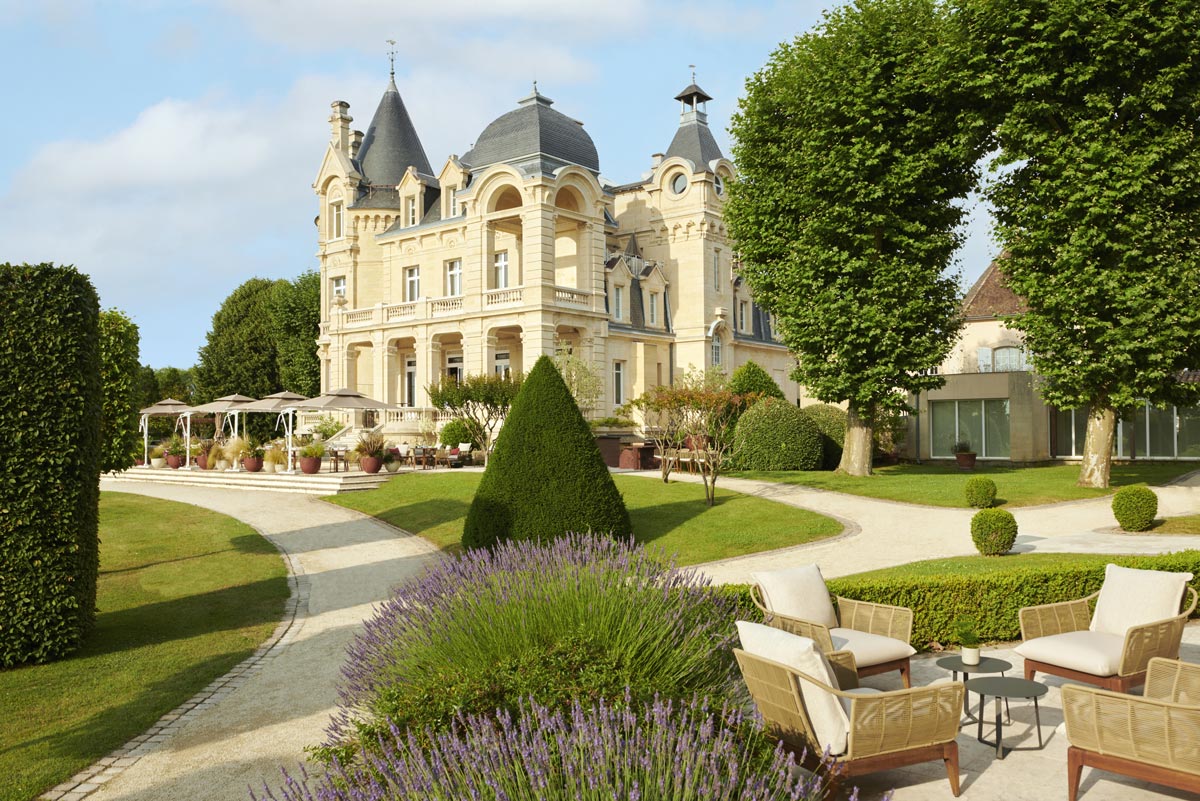
When you walk into a hotel room, a rare few immediately fill you with the overwhelming thought: “I’m home." This was one of those hotels for me. Château Grand Barrail strikes the perfect balance between several opposing characteristics. It’s historic yet modern. The original building was constructed in 1902 as a personal residence and didn’t become a hotel and restaurant in the 1990s.
Château Grand Barrail Hôtel chateau in Bordeaux
Feel at home in Château Grand Barrail. (Image: Supplied)

Now you’ll see romantic stone walls meet sleek glass corridors, and a modern elevator perfectly fitted in the centre of a historic spiral staircase. Two years ago, the property underwent a renovation, leaving the hotel’s 46 rooms in sparkling condition. There’s so much to see (or taste, rather) in the wine region but once you are eating room service on the balcony overlooking endless rows of vineyards, you’ll find it hard to leave your room.
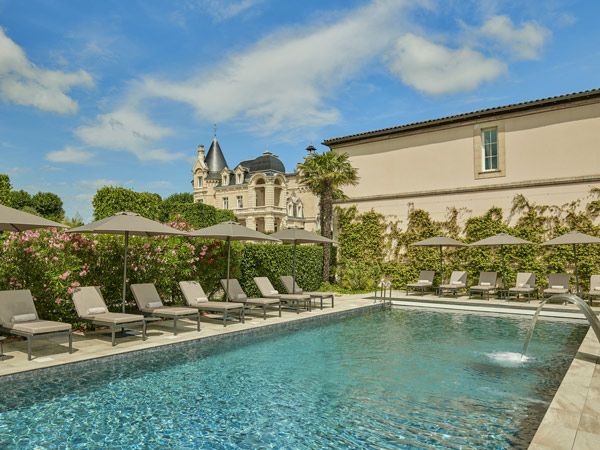
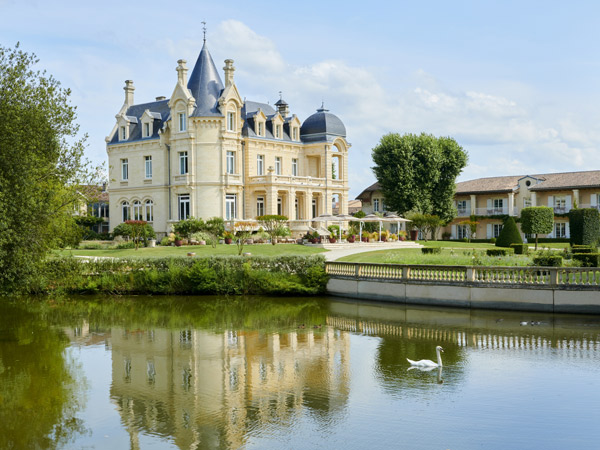
Château Grand Barrail Hôtel chateau in Bordeaux
Château Grand Barrail’s recent renovation means it is in impeccable shape. (Image: Supplied)

Another dichotomy? Grand Barrail’s location just outside the medieval town of St. Emilion places it perfectly on the very edge of action, while still safely enrobed in its own serene bubble. You can rent e-bikes from the hotel and use their custom online maps to ride through the vineyards of Pomerol one day and hop on the hotel’s free shuttle to St. Emilion to explore the cobblestone alleys of the medieval town the next.
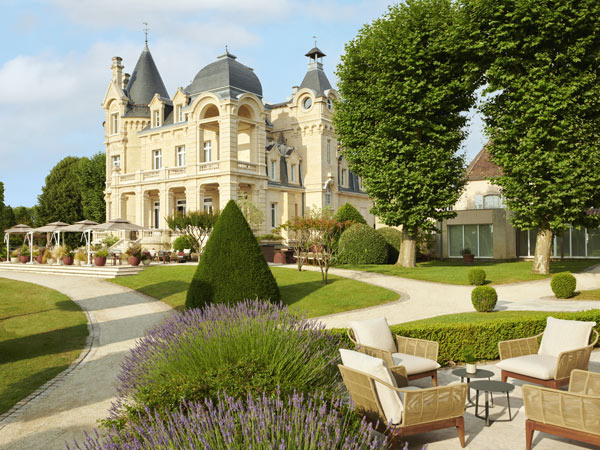
Château Grand Barrail Hôtel château in Bordeaux
You’ll find it hard to leave your room at this special château. (Image: Supplied)

2. Les Sources de Caudalie

If the Grand Barrail feels like home, then Les Sources de Caudalie feels like visiting your most stylish friend’s country house amongst vineyards and forests. The masterminds and owners behind the property are married couple Alice and Jérôme Tourbier, who created a hospitality experience uniquely anchored within a true sense of place.
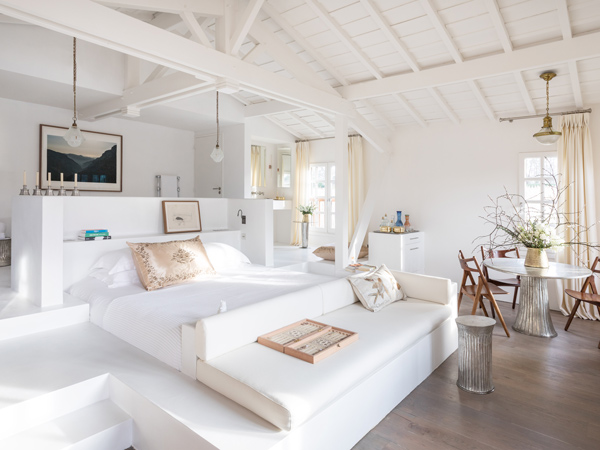
Les Sources de Caudalie chateau in Bordeaux
Les Sources de Caudalie feels like visiting your most stylish friend’s country house. (Image: R Valerio)

This makes sense because Alice grew up surrounded by a family firmly rooted in the wine industry. Her parents own the acclaimed winery whose vineyards surround the hotel, Château Smith Haut Lafitte. The hotel runs a familial partnership and guests can easily walk across the street for tastings and to discover their expansive, thousand-barrel underground cellar. If that wasn’t enough, her sister Mathilde Thomas is the cofounder of celebrated skincare brand Caudalie, which also harnesses the essence of the vineyard in its products. Caudalie products are the star at the hotel’s “Vinothérapie" spa, where you can soak in natural hot spring water combined with active ingredients from vines and grapes.
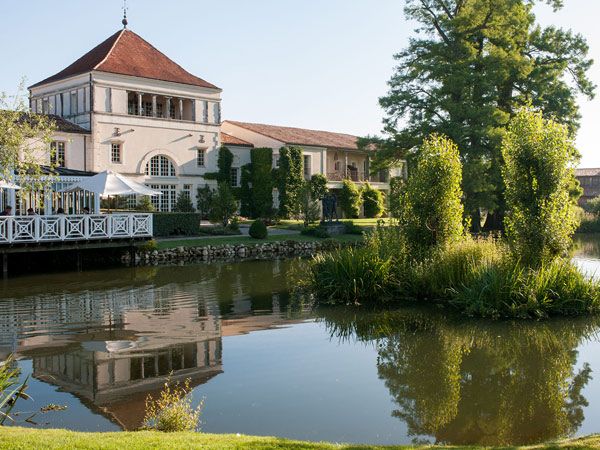
Les Sources de Caudalie chateau in Bordeaux
The hotel runs a familial partnership with winery Château Smith Haut Lafitte.

The 62 hotel rooms are spread across six different houses, each with their distinct style. Art and design are key influences in the hotel’s atmosphere. Sculptures rise from the surrounding vineyards, gather around the natural pond behind the hotel, and dot the private art trail through the neighbouring forest. Food provides yet another form of artistry to express the surrounding terroir. There are three restaurants onsite, but Le Grand Vigne, which sports two shiny Michelin stars, is what they are best known for.
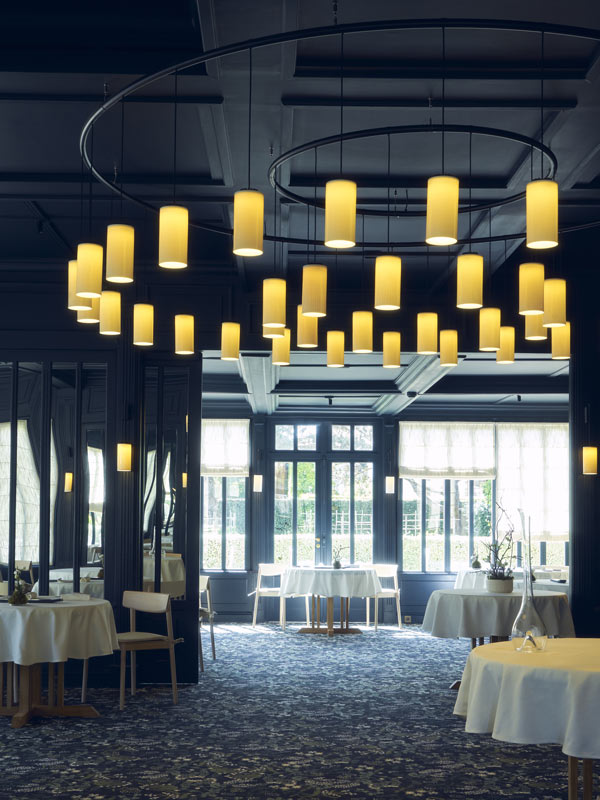
Les Sources de Caudalie La Grand Vigne restaurant chateau in Bordeaux
Two Michelin-starred Le Grand Vigne is what they are best known for. (Image: MP Morel)

Weekly travel news, experiences
insider tips, offers,
and more.

3. Château Lafaurie Peyraguey Hôtel

Sophisticated and luxe, when you step through the fortified walls of Château Lafaurie Peyraguey Hôtel in the unique, misty terroir of Sauternes, you are stepping into the storied realm of Old World nobility that literally dates back to the Middle Ages. The gatehouse and towers of Château Lafaurie-Peyraguey, built in the 13th century, are the oldest stone structures in the commune of Bommes. The first known owner, Lord Raymond Peyraguey, built a fortified keep around the hotel and began to cultivate the property’s first vines in 1618.
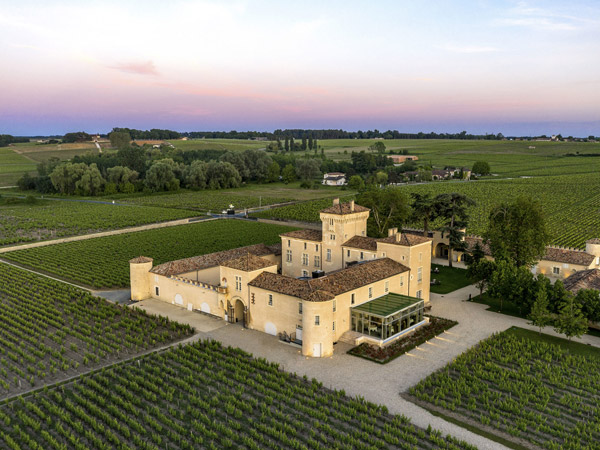
Château Lafaurie Peyraguey aerial shot
The gatehouse and towers of Château Lafaurie-Peyraguey are the oldest stone structures in the commune of Bommes. (Image: Agi Simoes/Reto Guntli)

The highly personalised service will make you feel like the nobles that first walked the halls here – from being personally greeted by the Maîtresse de Maison, to selecting between firm or soft memory foam bedding for your room. There are just three suites and 10 guest rooms onsite, and each is the very picture of polish and elegance. Looking out over the vineyards, the two-star Michelin restaurant, LALIQUE, rounds out the aristocratic atmosphere, serving tiny, meticulous dishes packed with flavour and odes to the surrounding vines.
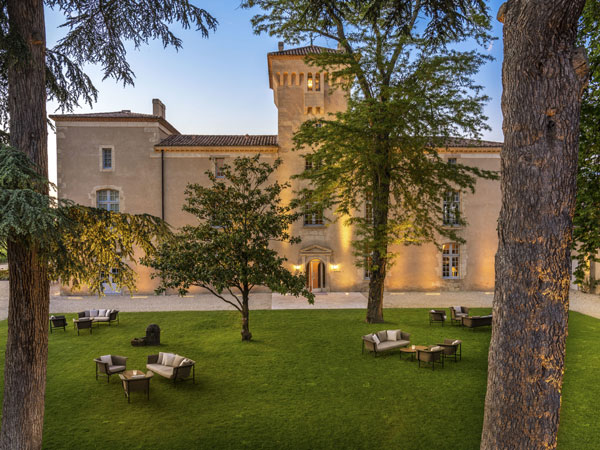
Château Lafaurie Peyraguey
Feel like the nobles that first walked the halls here. (Image: Agi Simoes/Reto Guntli)

4. Gironde Rental

This stately rental from The Plum Guide is perfect if you fancy having an entire chateau to yourself. Especially if you happen to have 11 other people in tow, as this picturesque 18th-century home includes six bedrooms, expansive private grounds and even its own private chapel. There’s also a heated pool and terraces galore for soaking up the sun. In other words, there’s plenty of room to spread out. The location is perfectly placed, strategically nestled in between the top vineyards of Merdoc, Pomerol and St Emilion.
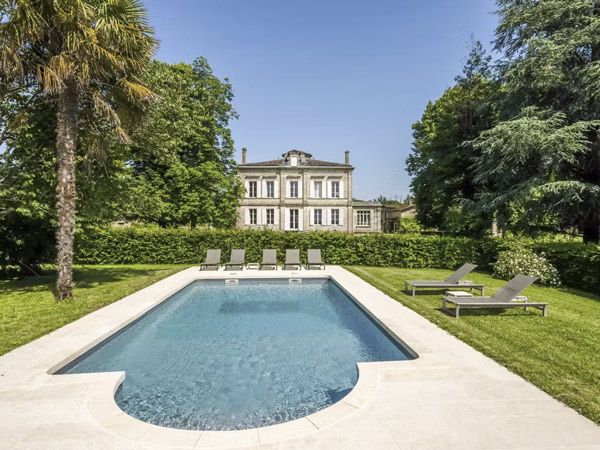
Gironde Rental chateau in Bordeaux
This picturesque 18th-century home sleeps 12. (Image: Supplied)

Want to see more stories from International Traveller in your Google search results?

  1. Click here to set International Traveller as a preferred source.
  2. Tick the box next to "International Traveller". That's it.
hero media

What the European heatwave means for your summer travel plans

Temperatures are soaring this summer, breaking records across Europe and the UK. 

Euro summer is a feeling like no other. But when a heatwave hits? The dream trip quickly turns into a sweaty mess. Extreme heat is sweeping Europe and the UK this week, with record-high temperatures impacting travel plans across the continent.

And while Australian summers are typically hotter in absolute temperature, many European cities aren’t equipped for high temperatures, resulting in unbearable weather.

Why is it so hot in Europe?

Signs of a hot summer loomed in May, when the mercury hit unprecedented spring highs. Now, extreme high temperature warning alerts have been issued in countries such as Spain, Italy, France, England, the Netherlands and Germany.

France saw its hottest day on record on Wednesday, with an average temperature of 30°C across the day and night. This surpasses the average temperature for June, which is 15°C to 25°C. Dozens of people have died, including 40 from drowning.

In Spain, 212 deaths have been linked to the heatwave.

The UK recorded its hottest June day ever on Wednesday with temperatures soaring to 36.1°C. In an article published by the Met Office – the UK’s national meteorological service – Professor Stephen Belcher CBE, Met Office Chief Scientist, shared his concerns about June’s heat. “To see temperatures like this in the UK in June is sobering. Events like this bring home the implications of climate change, with very high temperatures and humidity bringing significant health implications from heat stress, as well as impacts to a range of sectors such as transport, energy and water supply,” he said.

Heatwaves are becoming increasingly common in Europe and the UK, neither of which is prepared for such extremes. The World Meteorological Organization reported that in 2025, at least 95% of Europe experienced above-average annual temperatures and that the continent was heating up twice as fast as the global average.

How travel is impacted

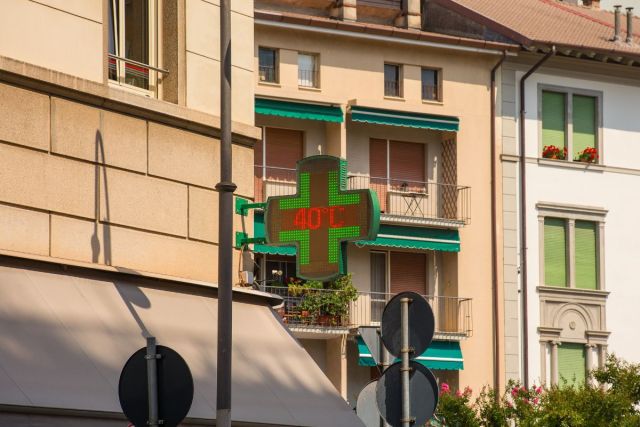
A pharmacy sign displaying 40 degrees Celcius
A pharmacy broadcasting local weather data. (Credit: Getty/Dragoncello)

During a heatwave, power grids, water systems and transport networks can be affected, resulting in disrupted itineraries for travellers. In France, power outages have left thousands without electricity and early closures have been implemented for two of Paris’s biggest attractions, the Eiffel Tower (early afternoon rather than late at night) and the Louvre (two hours early). Eurostar cancelled its London to Paris and Paris to London services from the 22nd to the 25th, and major UK rail companies have been advising travellers to avoid using trains where possible, or to travel during early hours.

If a heatwave is predicted, being flexible with your itinerary and having fully refundable/changeable tickets is key, as extreme heat can force the cancellation of outdoor activities, impact rail and flight services and change the opening hours of sites and eateries.

Why does summer in Europe often feel hotter than summer in Australia?

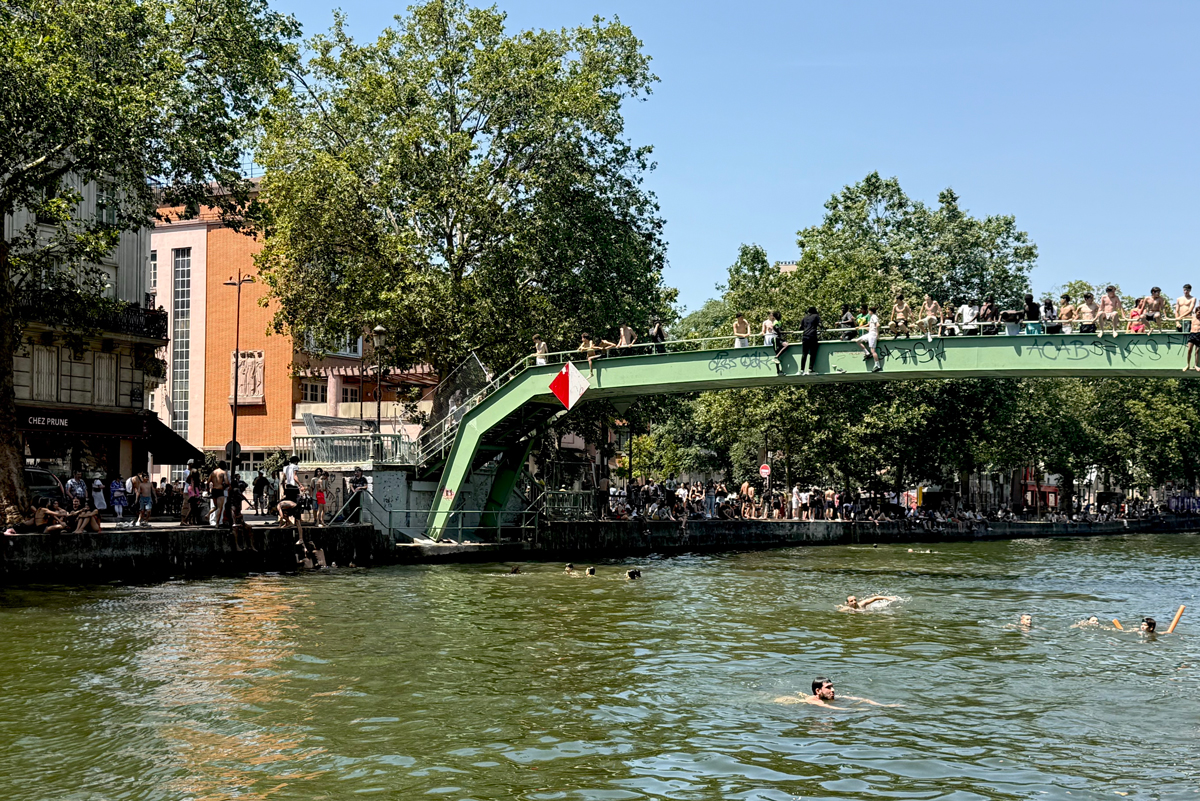
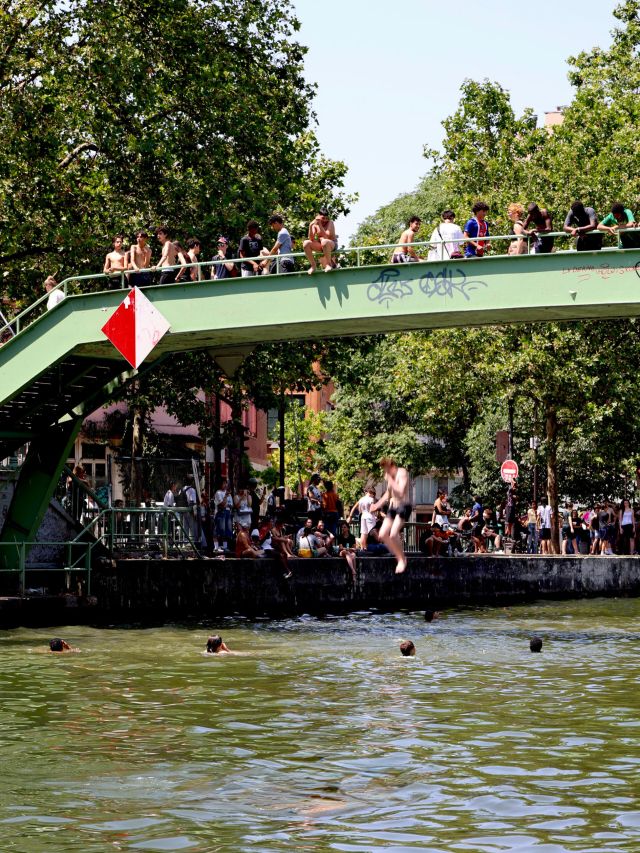
people swimming in the Canal Saint-Martin in Paris
People swimming in the Canal Saint-Martin in Paris to cool off. (Credit: Rachael Thompson)

With some of the highest UV levels in the world, Australians are no strangers to the heat, adapting well to intense weather. But our infrastructure is largely equipped to withstand soaring temperatures with climate-responsive passive design, refrigerated air conditioning or evaporative coolers, as well as swimming spots aplenty.

Buildings in Northern and Western Europe and the UK, however, are constructed to retain heat and handle frosty winters. The lack of universal air conditioning means it generally feels hotter even though the temperature on your app might not look it. During a heatwave, it can feel like you’re in a sauna as cities act like heat traps.

How to stay cool and prepare for another heatwave

Relief is expected across Europe and the UK later this week, but more heatwaves are still possible in the coming months. Summer heat typically peaks in July and August.

Public transport often doesn’t have air conditioning, and buses in particular can be swelteringly hot. If you’re heading outside or your accommodation has no air conditioning, it’s worth buying a spray bottle and a handheld fan from a pharmacy or tourist stand. Check ahead of time if restaurants and cafes have air conditioning and make a booking in advance. The highest temperatures typically hit between 3pm and 6pm, so aim to head outdoors outside of these hours.

Rising temperatures invite travellers to enter a more intentional era of seeing the world. Now more than ever is the time to embrace lower-impact “coolcations” and off-season getaways.