hero media

Discover Casa Wabi: the growing art centre of high design

Neha Kale Neha Kale
Nature and culture find synthesis at Casa Wabi, an art centre on the Oaxaca Coast, writes Neha Kale.

It ripples through my body somewhere beyond my line of vision, the sound of the wave that booms like a thunderclap. The surfers who have flocked here since the 1970s called it the Mexican pipeline, this swell that rises and falls with the insistence of a heartbeat on this golden stretch of Mexico’s Oaxacan coast.

The evolving charm of Casa Wabi

Last night, I marvelled at it on our balcony during one of those Fanta-orange sunsets that are synonymous with Puerto Escondido. But now, I am standing inside the 10-metre-tall observatory at Casa Wabi. It leans at a 60-degree angle in the direction of the Pacific, like a temple half-buried in sand. The acoustics are near-perfect: artists have been known to play their guitars here. I sit on the wooden bench and look up.
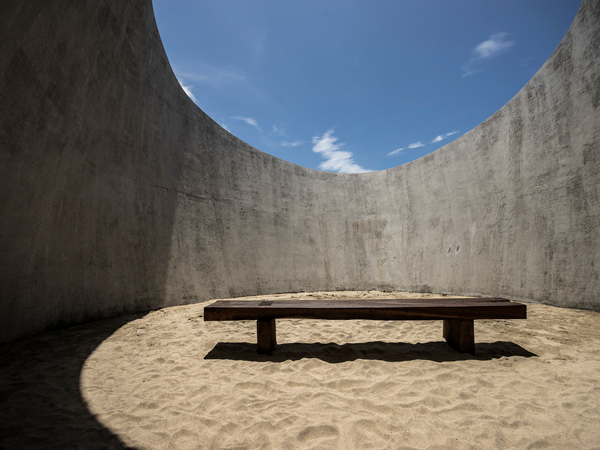
the Casa Wabi Observatory
See the sky anew from its observatory.

Through the aperture, a piece of the sky floats – a flawless, bleached-blue oval. Over the edge of the wall, the Sierra Madre del Sur mountain range hovers ghost-like on the horizon, four kilometres above sea level. Here, the collision of mountain, sky and ocean exudes an elemental power. My senses are stretched. I’m awake to the primal energy of the landscape in a way I’ve never been before.
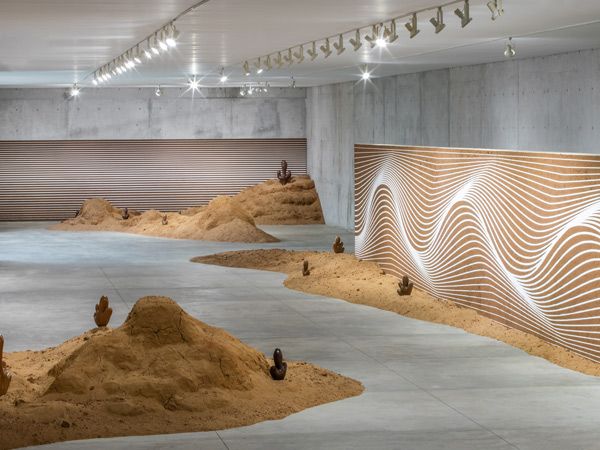
an art exhibition at Casa Wabi art centre
Explore site-specific exhibitions at the art centre.

To get to Casa Wabi, the art centre founded in 2014 by the acclaimed Mexican artist Bosco Sodi and built by the Pritzker-winning Japanese architect Tadao Ando, you drive 40 minutes from the cheery Puerto Escondido surf town of La Punta to Punta Pajaros.
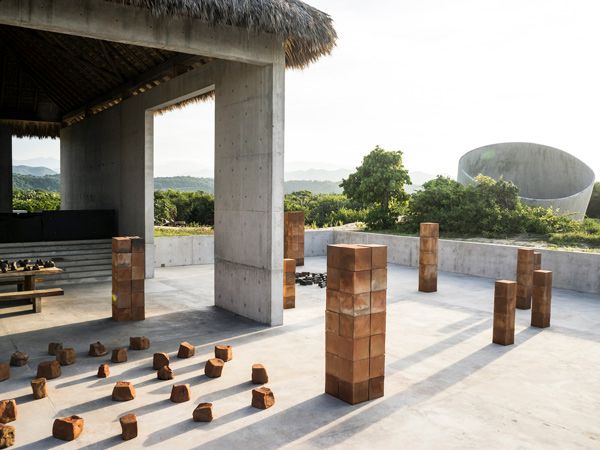
Bosco Sodi’s installations at Casa Wabi
Bosco Sodi’s installations at Casa Wabi.

Casa Wabi’s high-design movement

This piece of the Oaxacan wilderness is fast becoming a growing centre for high design and regenerative developments by stars of the architecture world. There is Hotel Escondido, a series of bungalows, which couples adobe-style interiors with a beachfront infinity pool by Mexico City’s Federico Rivera Rio. And Casa Tiny is a minimalist, concrete dwelling inspired by Henry David Thoreau’s Walden.
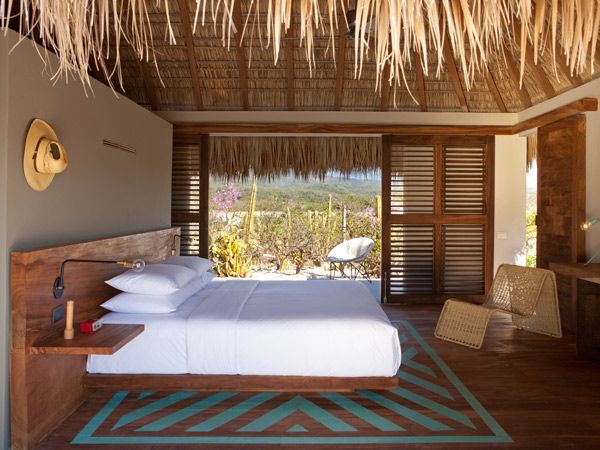
a stylish beach-chic bungalow at Hotel Escondido
Check into a stylish beach-chic bungalow at Hotel Escondido. (Image: bookings through designhotels.com)

Along a winding road, we pass agave fields. There are signs for cocos frios (fresh coconuts). Our driver takes a wrong turn and reverses down a one-way road until we see it, rising out of the jungle. The lines of a staircase. A rectangular archway. A palapa, a traditional thatched roof made from dried palm leaves. A series of geometric columns and planes, made from silken concrete, so cool you want to press your face to it. This place washes over you slowly.
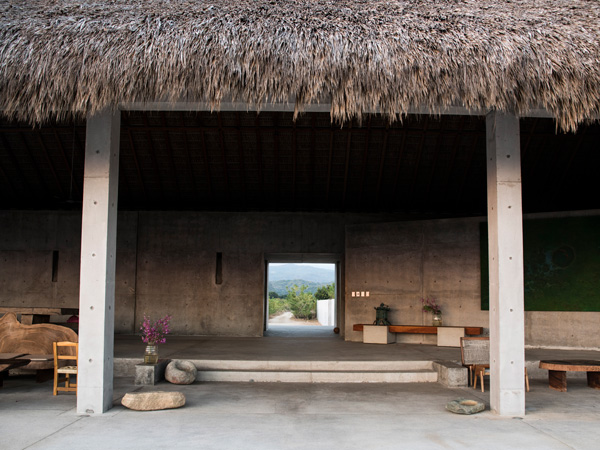
a thatched roof in Casa Wabi
Casa Wabi also oversees an international artist residency program.

Traditional Japanese architecture with a twist

At Casa Wabi, named for the Japanese philosophy of beauty in imperfection, I walk through the austere corridors newly alive, not just to the sound of the waves, but the passage of shadows.

The strange intensity of the afternoon light. “I have the best job in the world," laughs our guide, a fast-talking artist. He works with the Fundación Casa Wabi, which oversees an international residency program where the likes of Swiss sculptor and painter Ugo Rondinone, Argentinian artist Dolores Furtado and French sculptor Daniel Buren are invited to collaborate with the local Oaxacan community.
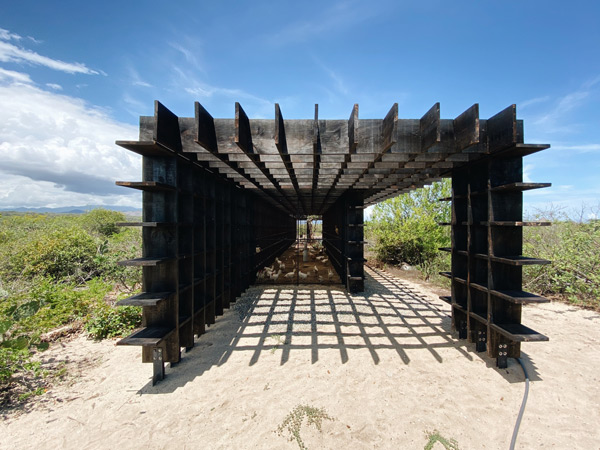
an abstract sculpture in Casa Wabi
Casa Wabi is dotted with abstract sculptures.

Here, John Giorno has hosted his famous Dial-A-Poem project, and Mexican artists Claudia Fernandez and Benjamin Torres have worked with Chatino schoolchildren to make drawings of native plants and rescue their local dialect.

I stop at an outdoor terrace to admire tiles arranged in an elegant circle – an intervention by São Paulo’s Héctor Zamora. Outside there’s Sodi’s Los Atlantis, a piece of land art made with 1600 bricks using ancestral burning methods. A monumental structure looms against the mountains like a remnant of an ancient civilisation, a chimney tower – home to a kiln – by the renowned Mexican architect Alberto Kalach.
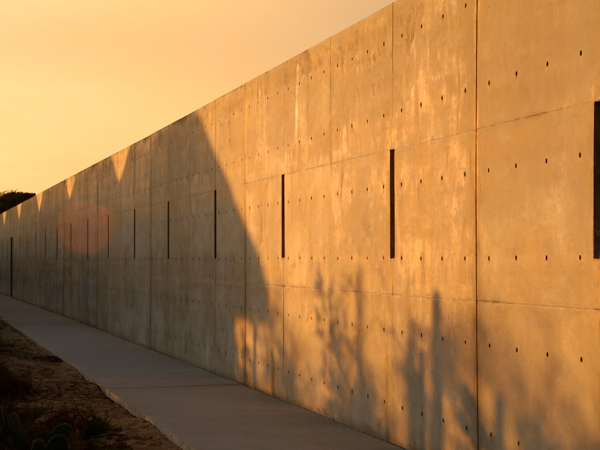
the concrete wall of Casa Wabi
Sculpture, art and architecture intersect at Casa Wabi. (Image: Gerardo Landa)

A mix of art and nature

Time feels different in Punta Pajaros. My internet is slow. We stop for lunch at La Palapa, a thatched restaurant surrounded by foliage, where you can drink mezcalitas made from maracuya, a passionfruit that thrives in Oaxaca, and eat pulpo a la parrilla – tacos piled with octopus and garnished with edible flowers – off earthenware. On the same site, there are 11 villas drawing on regenerative principles.
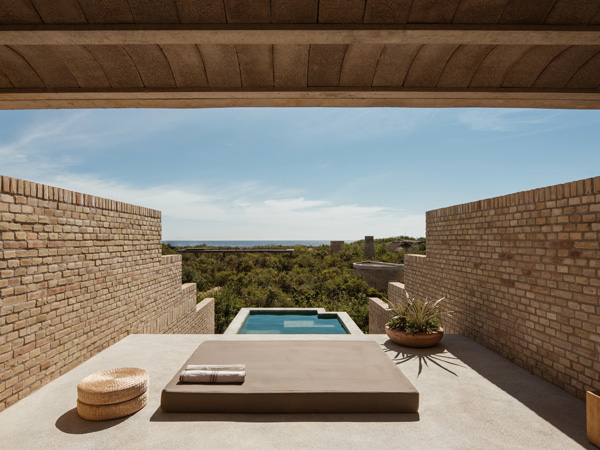
the main pool at Hotel Terrestre in Puerto Escondido
Hotel Terrestre is run on solar power.

Wraparound decks made from local wood face the sea. Butterflies and birds have returned to the area. They are surrounded by native vegetation, more than 100,000 plants reintroduced by Kalach and his team. Nearby Hotel Terrestre is a brutalist structure that channels the patterns of ancient Maya temples and is powered entirely by solar energy. In place of windows, slotted wooden doors, plunge pools and terraces exposed to the elements.
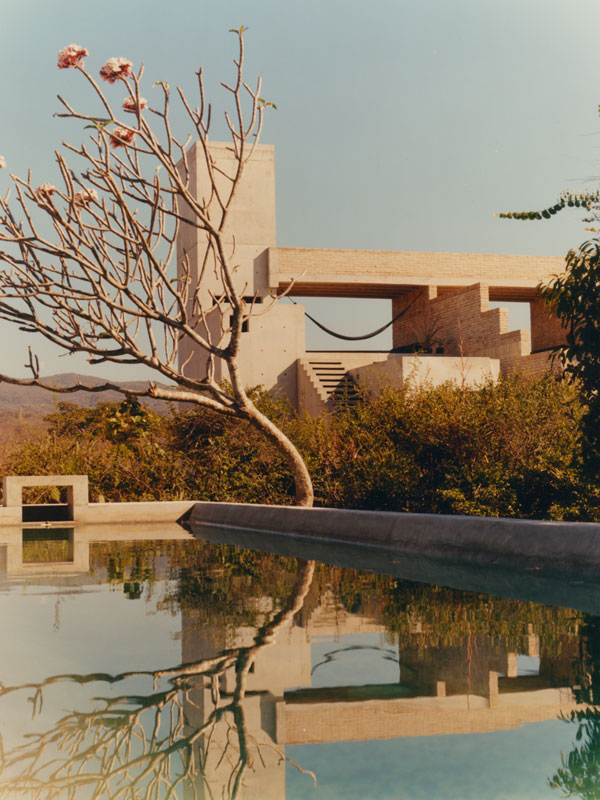
Hotel Terrestre in Puerto Escondido
Impeccably designed Hotel Terrestre.

Back at Casa Wabi, I walk through the gardens, the sun hot against my neck. The cacti stand tall, strange shapes against the sky’s canvas. I nearly miss a sculpture by the Pakistani-American sculptor Huma Bhabha, art blending into nature, architecture a portal to a deeper relationship with the natural world.
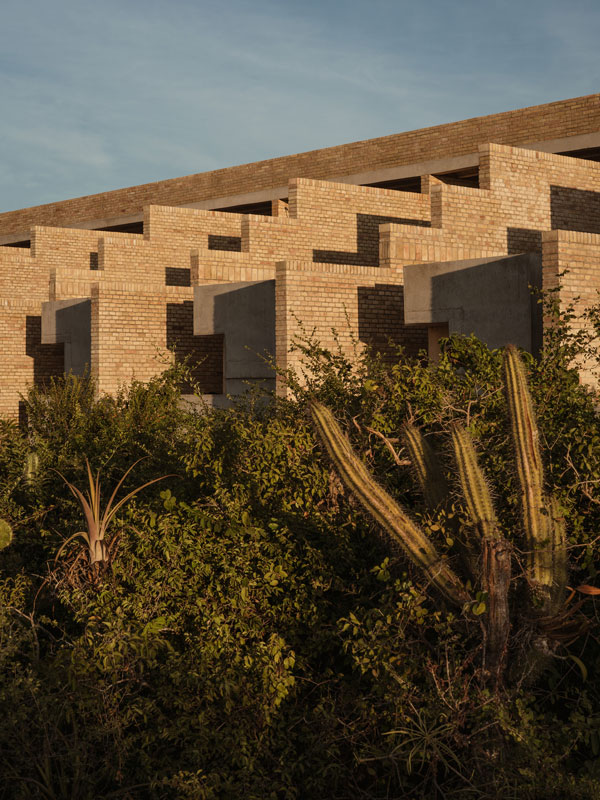
the exterior of Hotel Terrestre
The brutalist lines of Hotel Terrestre.

Weekly travel news, experiences
insider tips, offers,
and more.

Getting there

Puerto Escondido is around 90 minutes from Mexico City by air with flights operating several times a day. Hire a driver to travel between La Punta and Punta Pajaros. Tours of Casa Wabi must be booked in advance online.

Staying there

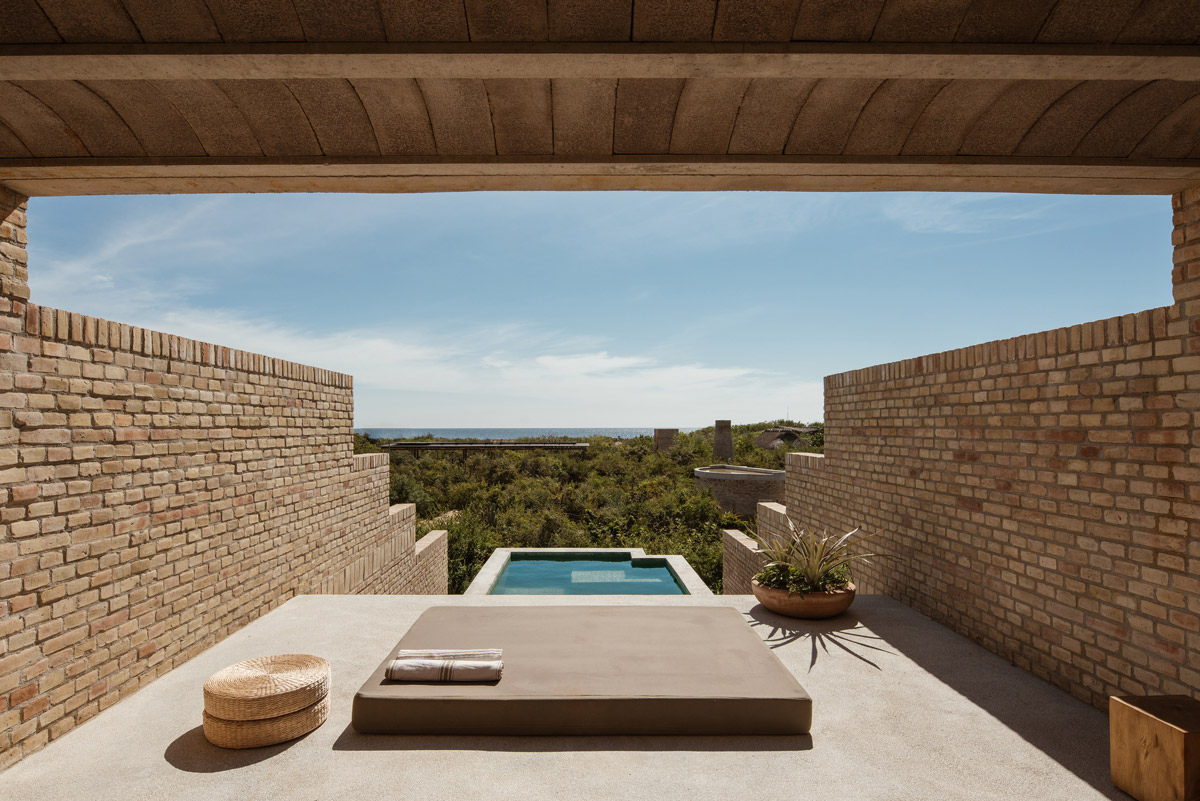
Casa da Volta, a set of dome-roofed dwellings by Mexican architect Ambrosi Etchegaray, blends vernacular materials with modernist principles. Hotel Terrestre and Hotel Escondido, members of Design Hotels, tune into the environment with architectural clout.
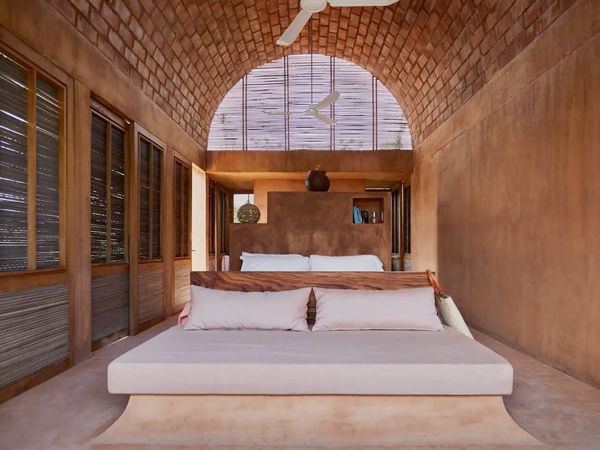
a brick villa in Casa da Volta
Casa da Volta is where modernity meets tradition.

Eating there

Book Kakurega Omakase, a 12-seat omakase restaurant helmed by Keisuke Harada. Here, the dishes – such as tostadas de camarón (shrimp) – meld Oaxacan produce with time-honed Japanese techniques.

Playing there

For a nightcap, swing by Cobarde, a sand-floored mezcaleria that sources unusual small-batch mezcals from around the country.

Want to see more stories from International Traveller in your Google search results?

  1. Click here to set International Traveller as a preferred source.
  2. Tick the box next to "International Traveller". That's it.
Neha Kale
Neha Kale is a widely acclaimed writer. Her work focuses on art, culture and society and her writing has appeared in The Guardian, The Saturday Paper, ArtReview, Vogue, BBC, Griffith Review, The Sydney Morning Herald, The World of Interiors, Silverkris and Gourmet Traveller among many other national and international publications. Kale is the former editor of VAULT magazine and editor-at-large at Art Guide Australia. Her first book Foreign Return: On Art and Inhabitation is out with NewSouth.
View profile and articles
hero media

5 things every hotel needs for a more restorative stay

    Kate Bettes Kate Bettes
    Wellbeing means different things to different travellers. Here’s how to pick a hotel that gets it right for you.

    The best wellness holidays aren’t necessarily spent wrapped in a spa robe. Sometimes they’re found around a dinner table in Cambodia, on a hiking trail in New Zealand or after finally beating jet lag on the other side of the world. The hotel you choose is what makes them happen.

    1. Easy access to good food

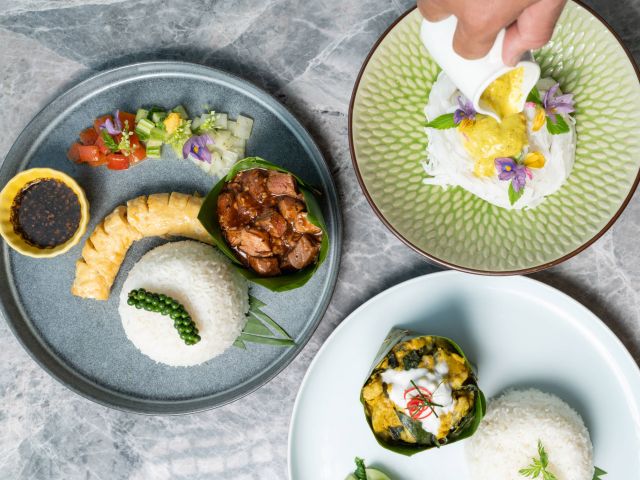
    meals from Novotel Bangkok Sukhumvit 20
    Taste delicious meals at Novotel Bangkok Sukhumvit 20.

    One of the quickest ways to derail healthy habits on holiday is to spend half of it working out where to eat instead of digging into the culture around you. Thankfully, Novotel has done much of the hard work already, with chefs building menus that lean into the flavours, ingredients and traditions of each destination.

    In Sihanoukville, Cambodia, Korkor soup – often dubbed ‘Cambodian ratatouille’ – sits alongside raw blue crab dressed with lime and chilli, best enjoyed with views across the Gulf of Thailand.

    In the lovingly chaotic city of Bangkok, the presence of food cranks up the sociability. At Novotel Bangkok Sukhumvit 20, you can settle in with mango sticky rice and stranger-turned-friends beside the pool at Sky on 20 rooftop bar, or bring them along to tackle river prawns and stir-fried crab with holy basil at the buzzing Crab Paradise Dinner Buffet.

    Then Novotel Dubai Al Barsha welcomes you with a laidback twist on the level of indulgence the Middle Eastern city is best known for up on Deck Se7en. Looking towards Burj Al Arab, the rooftop lounge has everything from Mediterranean-style dishes like seabass ceviche to Italian prosecco sundowners.

    At the other end of the scale, in the hills that surround the Novotel Bali Ubud Resort, calm comes from nature. At Siralada restaurant, Balinese traditions shape the menu while thunder rumbles over the surrounding jungle – proving the setting is as nourishing as the food itself.

    While at Novotel Nha Trang, chef Kieu Thi My Hanh and her team showcase Vietnam’s knack for balancing freshness, texture and fragrant herbs. Pho remains a favourite, while seafood salad with pomelo and mango brings those flavours together in one bright dish.

    It’s all an approach backed by partnerships with expert food creators such as Alfie Steiner, whose plant-forward recipes prove healthy food should never taste plain.

    2. Better sleep options

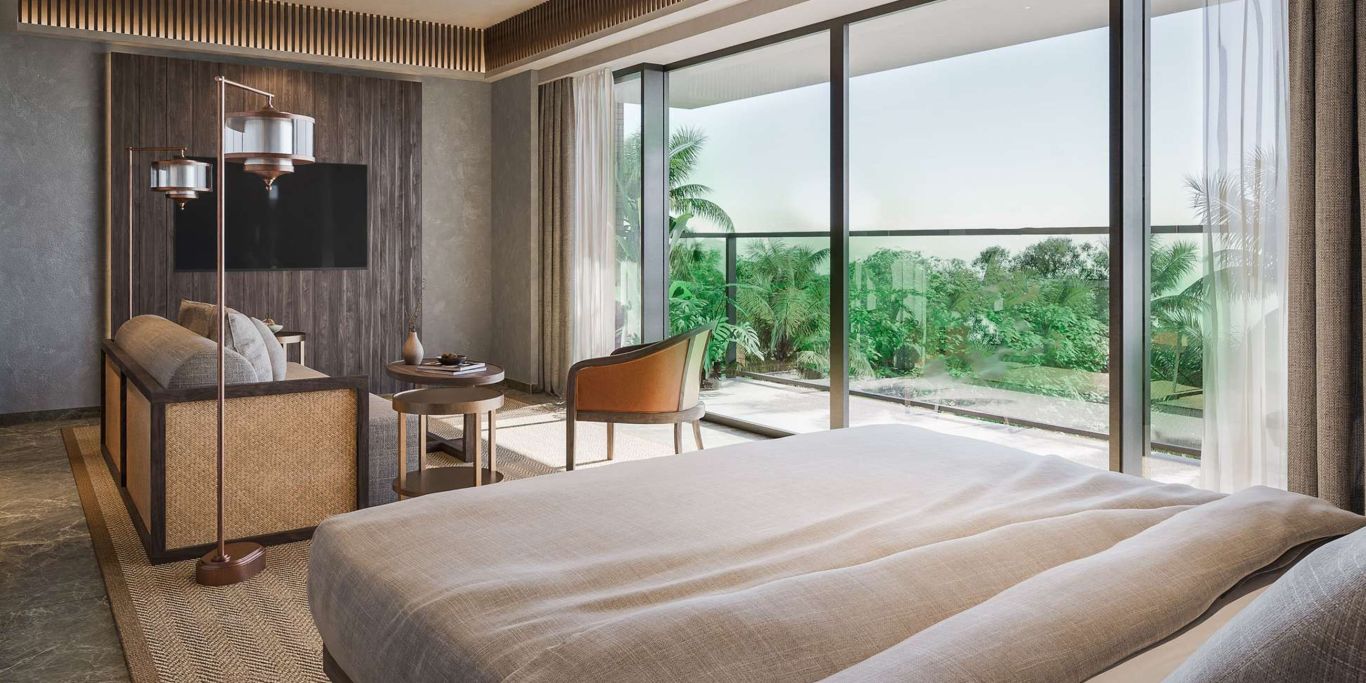
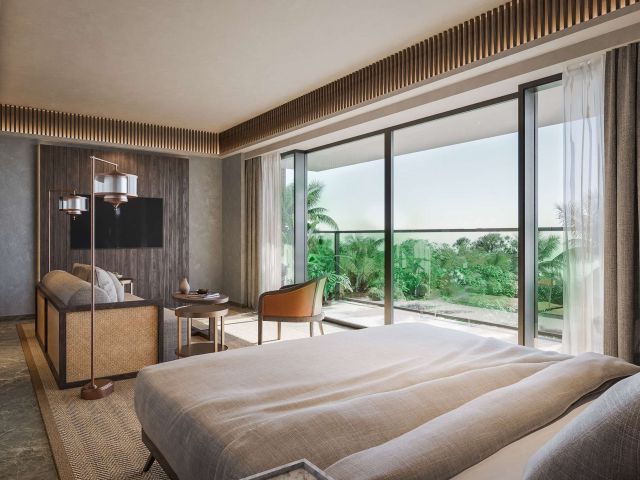
    Novotel Bali Ubud Resort room
    Sleep deeply with Novotel.

    There are few travel experiences more disappointing than arriving in a new country, determined to seize the day, only to fall asleep fully clothed by 3pm.

    For Australian travellers, jet lag is often an unavoidable part of the journey. That’s one reason Novotel runs sleep-focused initiatives that help guests adjust quickly without compromising on health. We’re talking partnerships with Sydney-based sleep specialist Olivia Arezzolo, known for her advice on everything from better sleep habits to beating jet lag, alongside features like pillow menus, in-room yoga content and tailored sleep guidance.

    The sooner you’re operating on local time, the sooner you can get back to more pressing matters – like deciding which spa treatment to book.

    3. More ways to move

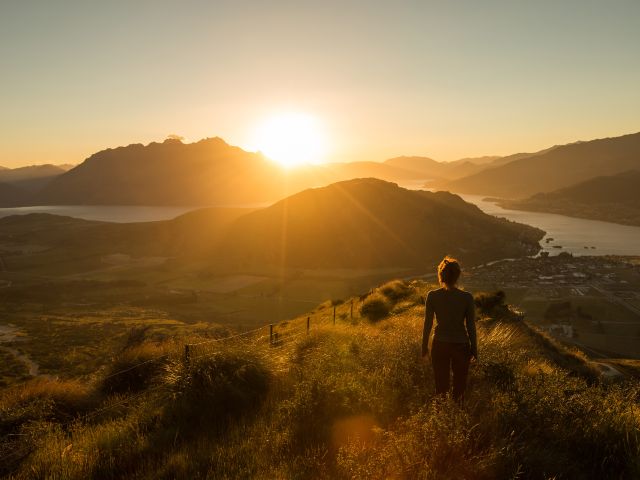
    woman hiking around queenstown new zealand
    Stay at Novotel Queenstown Lakeside and explore local hiking trails. (Credit: GettyI mages/ naruedom)

    Every place in the world has its own way of getting you moving: whether that’s hiking up ice-bitten mountains before a sauna or gentle stretching by the pool before a facial. From fitness centres to spas, Novotel recognises that wellbeing rarely looks the same.

    At Novotel Queenstown Lakeside, activity is inescapable. Here, hiking trails, ski fields, bungee jumps, and white-water rafting have made the region famous. The hotel’s location on the shores of Lake Wakatipu means less time spent organising yourself and more time out there experiencing them. To top it all off, you can book a private hot tub for the evening before heading back into the wilderness tomorrow.

    Bali, of course, takes a softer approach. At Novotel Bali Ubud Resort or Novotel Bali Nusa Dua, movement is less about conquering a mountain and more about a dance class between the tropical gardens and lagoon pools. Afterwards, the spa takes over, with traditional treatments like a Lulur body scrub: a combination of rice, turmeric, sandalwood, ginger and jasmine that’ll soothe muscles already relaxed by the Balinese heat.

    4. Better connections

    Novotel Sharm El Sheikh
    Kids will love a stay at Novotel Sharm El Sheikh.

    One of the best things about travel is that it gives your family stories you’ll be telling for years. Novotel helps create them with activities that bring everyone together, whether that’s trying something new, learning a local skill, or simply spending more time together.

    Go for a distinctly Thai twist at Novotel Phuket Vintage Park, where many of the family activities draw on local culture. Kids can try everything from beginner Thai boxing and language lessons to umbrella painting and – a pastime beloved by children the world over – pool foam parties. Everyone is welcome to join in, whether that’s getting splashed, covered in paint, or simply watching their children discover a new side of Thailand during the dedicated Family & Kids Day.

    A different adventure awaits at Novotel Sharm El Sheikh. Kids could be perfectly content with discos, drawing classes and new holiday friends, but the Red Sea has other ideas. Sitting on the edge of Naama Bay, days here might involve snorkelling colourful reefs, taking a boat trip to Ras Mohammed National Park or heading into the desert by quad bike or camel for a Bedouin-style dinner beneath the stars.

    5. Location is everything

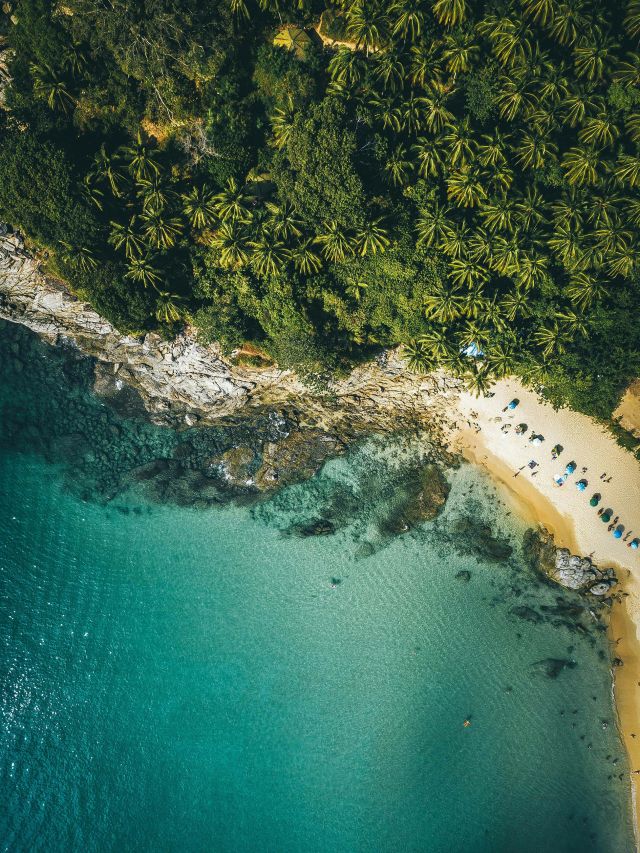
    Surin Beach, Choeng Thale, Thalang District, Phuket, Thaiföld
    Explore Phuket’s gorgeous beaches. (Credit: Bence Biczo)

    Everyone’s idea of wellness looks a little different. With more than 600 hotels across 65 countries, Novotel gives guests the freedom to choose the destination that suits them best. Whether that’s a beachside escape in Phuket, an alpine expedition in Queenstown or a city break in Bangkok, there’s a good chance a Novotel isn’t far away.

    All that’s left? Choosing your version of wellbeing.

    Discover stays to inspire your everyday at novotel.accor.com.