hero media

Personal shopping in Bangkok’s temple of fakes

International Traveller

Bangkok’s biggest shopping mall, the bright and shiny MBK, is not what it first appears to be, writes Steve Madgwick

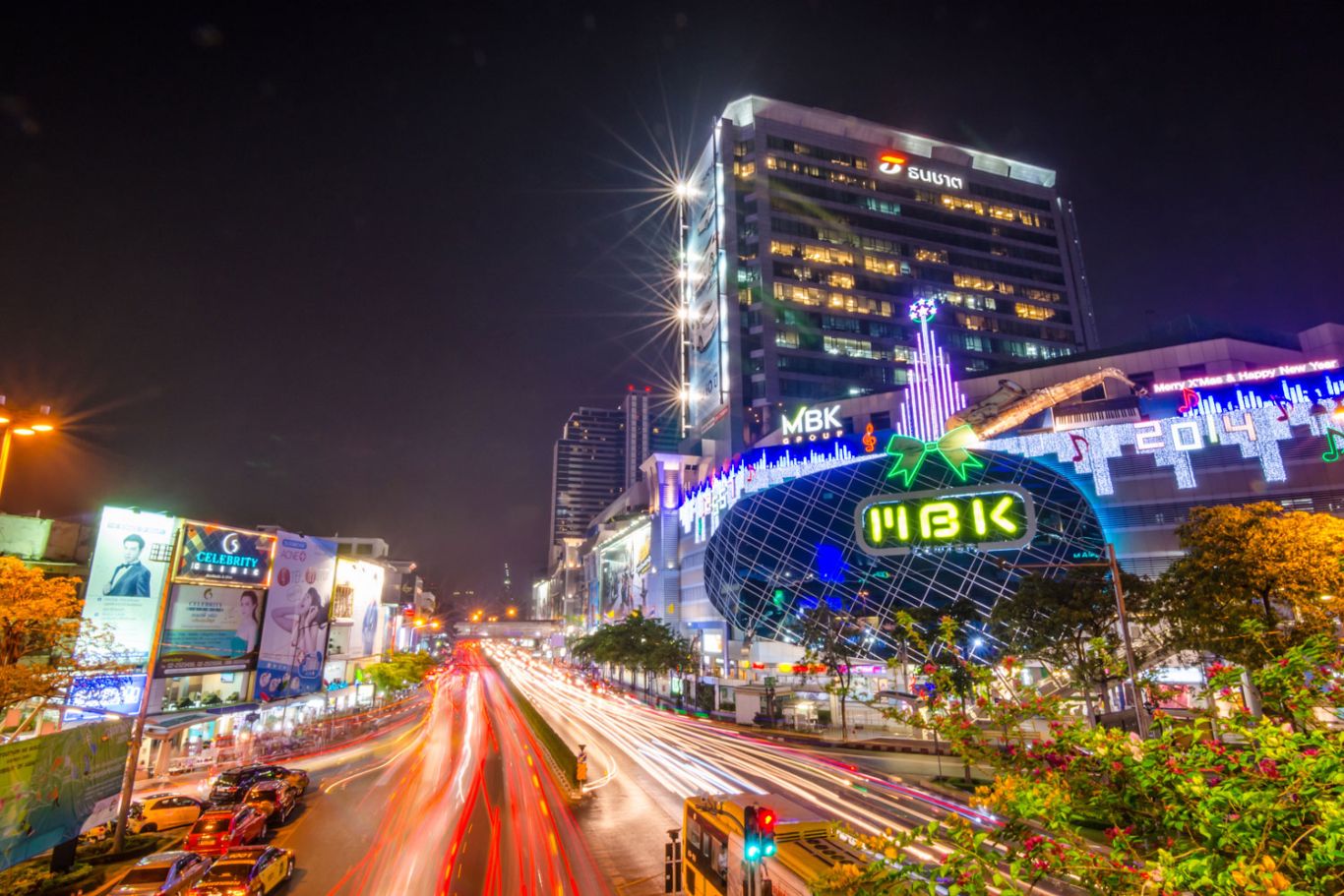
If you judge it by the self-aggrandising, sparkling exterior, Bangkok’s MBK could be a mega-mall from any inner-city neighbourhood in the Western world.

And on the bottom few of its eight floors, particularly in the official department stores, that is pretty much what it is. But head out of the mall’s Western-priced centrepiece, the ‘Tokyu’ department store, up to the neon-lit corridors on the upper floors, and things aren’t so clear cut.

The products on the shelves look similar, the shops sort of do, in a slightly more temporary and scruffy way, but what you have actually stumbled into is a nether world purveying high-end ‘genuine’ counterfeits.

They certainly don’t sell any old counterfeits here, like you can find at other markets in Bangkok. The fakes, knock-offs and hybrids are renowned Thailand wide; this is the place to be seen to be picking up your Jimmy Choo-alikes and your iPeds (sic).

This neon-lit knock-off den is such a part of the establishment that even personal shoppers from the high-end hotels will happily take you here. And they know their way around intimately, despite its gargantuan scale, such is the thirst for high-quality knock-offs from both Thais and tourists alike.

Tui, one of Banyan Tree Hotel Bangkok’s gun personal shoppers, is tasked with showing me around the colossus. He knows exactly where to go; what’s real, what’s not, a trained eye indeed.

Everyone at the centre is so complicit in the charade that it almost ceases to be a charade; the shopkeepers, the locals, the tourists, the authorities. Shopkeepers here consider themselves equally legitimate as the glitzy and polished Tokyu, less the Western premium.

MBK is its own ecosystem: around 2,000 shops with tens of thousands of locals and tourists pulsating through it every day. Consequently the stalls holders have heard it all before: you may get a good deal, and they may bluff you into the fact that you got a very good deal, but you have not, and probably will never, outsmart them on price.

Tui practices the calm, collected Thai method of bargaining, subtly motioning from afar when he considers you are being thrashed in the bargaining process. The bargaining margins are noticeably smaller here than the ‘downmarket’ markets.

Tui is helping a female travel companion in her quest for a Mulberry-alike handbag. She has done her research, but her first price is low, a little too low. The stallholder doesn’t appreciate the hard-bargaining tactics, showing disinterest with aplomb.

Eventually, after a stand-off, and then a walking game of to and fro, the sale is agreed: one large powder blue Mulberry-alike for the equivalent of about $25, down from the first bid of $40.

Good price? Tui seems to think it is an okay deal. But it’s hard to say; no two transactions are the same in MBK.

Apparently people pay around $800 for the equivalent real deal Mulberry in a real deal shop. This one seems to be leather, or a leather-like material; at least it looks and smells like it anyway. But how long will the zip work? And how much did the last sucker pay?

In general prices at MBK are not as low as either I or my companions expected, especially when compared to many markets in places such as China. A personal shopper might not get you the absolute lowest price, but at least you are not going to pay top baht either.

One vendor tells me he can’t understand why counterfeiting is illegal in ‘my’ country, even though it technically is in his as well. Perhaps that’s why his prices are stubbornly (comparatively) high.

Another explains that the bulk of Thais will never be able to afford to buy a brand in department stores such as Tokyu; in fact, many would struggle to pay the $25 equivalent for some of the more quality rip-offs on the upper floors, like the powder blue Mulberry.

Tui’s masterful lesson in the understated and almost Buddhist-style of bargaining makes a day at MBK seem normal, just like shopping in Australia.

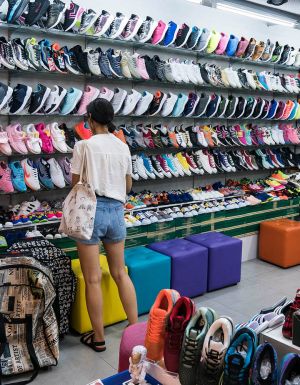
By the end of the day, the rows and rows of counterfeit Ray-Bans, Breiltlings and Birkenstocks don’t even seem fake anymore; just low-cost local versions.

I notice that some of the upper floor shops even have electronic theft sensors by their exits. The irony only catches up with me later, after leaving the throng of MBK behind.

Shoplifting, after all, is a serious crime. Copying on the other hand…


What’s hot at MBK: Which fakes fly from the shelves? 

Women’s Handbags: 1. Hermes Birkin 2. Chanel 2.55 3. Chloe Paddington

Men’s Fashion T-shirt: 1. Paul Smith 2. Polo Ralph Lauren 3. Abercrombie & Fitch

Women’s Perfume: 1. DKNY Green Delicious 2. Calvin Klein Eternity 3. Issey Miyake L’Eau D’Issey

Sunglasses: 1. Ray-Bans 2. Gucci 3. Police

Gadgets: 1. Samsung Galaxy 2. iPad 3. iPhone 5

Women’s Jeans: 1. Armani 2. D&G 3. Diesel

DVDs: 1. Hangover III 2. After Earth 3. The Great Gatsby


*Steve was a guest of Banyan Tree Hotel, Bangkok.


Want to see more stories from International Traveller in your Google search results?

  1. Click here to set International Traveller as a preferred source.
  2. Tick the box next to "International Traveller". That's it.
hero media

5 things every hotel needs for a more restorative stay

    Kate Bettes Kate Bettes
    Wellbeing means different things to different travellers. Here’s how to pick a hotel that gets it right for you.

    The best wellness holidays aren’t necessarily spent wrapped in a spa robe. Sometimes they’re found around a dinner table in Cambodia, on a hiking trail in New Zealand or after finally beating jet lag on the other side of the world. The hotel you choose is what makes them happen.

    1. Easy access to good food

    meals from Novotel Bangkok Sukhumvit 20
    Taste delicious meals at Novotel Bangkok Sukhumvit 20.

    One of the quickest ways to derail healthy habits on holiday is to spend half of it working out where to eat instead of digging into the culture around you. Thankfully, Novotel has done much of the hard work already, with chefs building menus that lean into the flavours, ingredients and traditions of each destination.

    In Sihanoukville, Cambodia, Korkor soup – often dubbed ‘Cambodian ratatouille’ – sits alongside raw blue crab dressed with lime and chilli, best enjoyed with views across the Gulf of Thailand.

    In the lovingly chaotic city of Bangkok, the presence of food cranks up the sociability. At Novotel Bangkok Sukhumvit 20, you can settle in with mango sticky rice and stranger-turned-friends beside the pool at Sky on 20 rooftop bar, or bring them along to tackle river prawns and stir-fried crab with holy basil at the buzzing Crab Paradise Dinner Buffet.

    Then Novotel Dubai Al Barsha welcomes you with a laidback twist on the level of indulgence the Middle Eastern city is best known for up on Deck Se7en. Looking towards Burj Al Arab, the rooftop lounge has everything from Mediterranean-style dishes like seabass ceviche to Italian prosecco sundowners.

    At the other end of the scale, in the hills that surround the Novotel Bali Ubud Resort, calm comes from nature. At Siralada restaurant, Balinese traditions shape the menu while thunder rumbles over the surrounding jungle – proving the setting is as nourishing as the food itself.

    While at Novotel Nha Trang, chef Kieu Thi My Hanh and her team showcase Vietnam’s knack for balancing freshness, texture and fragrant herbs. Pho remains a favourite, while seafood salad with pomelo and mango brings those flavours together in one bright dish.

    It’s all an approach backed by partnerships with expert food creators such as Alfie Steiner, whose plant-forward recipes prove healthy food should never taste plain.

    2. Better sleep options

    Novotel Bali Ubud Resort room
    Sleep deeply with Novotel.

    There are few travel experiences more disappointing than arriving in a new country, determined to seize the day, only to fall asleep fully clothed by 3pm.

    For Australian travellers, jet lag is often an unavoidable part of the journey. That’s one reason Novotel runs sleep-focused initiatives that help guests adjust quickly without compromising on health. We’re talking partnerships with Sydney-based sleep specialist Olivia Arezzolo, known for her advice on everything from better sleep habits to beating jet lag, alongside features like pillow menus, in-room yoga content and tailored sleep guidance.

    The sooner you’re operating on local time, the sooner you can get back to more pressing matters – like deciding which spa treatment to book.

    3. More ways to move

    woman hiking around queenstown new zealand
    Stay at Novotel Queenstown Lakeside and explore local hiking trails. (Credit: GettyI mages/ naruedom)

    Every place in the world has its own way of getting you moving: whether that’s hiking up ice-bitten mountains before a sauna or gentle stretching by the pool before a facial. From fitness centres to spas, Novotel recognises that wellbeing rarely looks the same.

    At Novotel Queenstown Lakeside, activity is inescapable. Here, hiking trails, ski fields, bungee jumps, and white-water rafting have made the region famous. The hotel’s location on the shores of Lake Wakatipu means less time spent organising yourself and more time out there experiencing them. To top it all off, you can book a private hot tub for the evening before heading back into the wilderness tomorrow.

    Bali, of course, takes a softer approach. At Novotel Bali Ubud Resort or Novotel Bali Nusa Dua, movement is less about conquering a mountain and more about a dance class between the tropical gardens and lagoon pools. Afterwards, the spa takes over, with traditional treatments like a Lulur body scrub: a combination of rice, turmeric, sandalwood, ginger and jasmine that’ll soothe muscles already relaxed by the Balinese heat.

    4. Better connections

    Novotel Sharm El Sheikh
    Kids will love a stay at Novotel Sharm El Sheikh.

    One of the best things about travel is that it gives your family stories you’ll be telling for years. Novotel helps create them with activities that bring everyone together, whether that’s trying something new, learning a local skill, or simply spending more time together.

    Go for a distinctly Thai twist at Novotel Phuket Vintage Park, where many of the family activities draw on local culture. Kids can try everything from beginner Thai boxing and language lessons to umbrella painting and – a pastime beloved by children the world over – pool foam parties. Everyone is welcome to join in, whether that’s getting splashed, covered in paint, or simply watching their children discover a new side of Thailand during the dedicated Family & Kids Day.

    A different adventure awaits at Novotel Sharm El Sheikh. Kids could be perfectly content with discos, drawing classes and new holiday friends, but the Red Sea has other ideas. Sitting on the edge of Naama Bay, days here might involve snorkelling colourful reefs, taking a boat trip to Ras Mohammed National Park or heading into the desert by quad bike or camel for a Bedouin-style dinner beneath the stars.

    5. Location is everything

    Surin Beach, Choeng Thale, Thalang District, Phuket, Thaiföld
    Explore Phuket’s gorgeous beaches. (Credit: Bence Biczo)

    Everyone’s idea of wellness looks a little different. With more than 600 hotels across 65 countries, Novotel gives guests the freedom to choose the destination that suits them best. Whether that’s a beachside escape in Phuket, an alpine expedition in Queenstown or a city break in Bangkok, there’s a good chance a Novotel isn’t far away.

    All that’s left? Choosing your version of wellbeing.

    Discover stays to inspire your everyday at novotel.accor.com.

    Personal shopping in Bangkok’s temple of fakes - International Traveller Magazine