A magnetic metropolis where food, fashion and culture collide, Tokyo offers an intoxicating mix of experiences that’s guaranteed to leave a lasting impression.
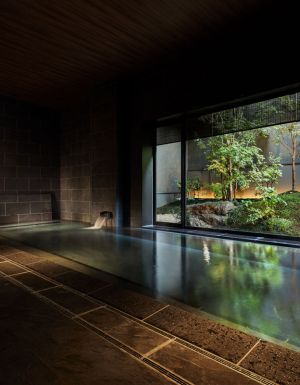
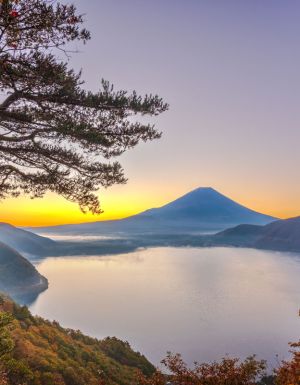
Few cities in the world compare to Tokyo. Arguably one of the world’s most celebrated culinary meccas, it’s a bustling, aromatic melting pot of culture, creativity, and cutting-edge technology – it’s no wonder Japan’s capital attracts over 40 million visitors each year. Where else can you navigate the world’s busiest pedestrian crossing one minute, then unwind in a private onsen overlooking Mount Fuji the next? Or weave through the city on a go-kart before settling in for a Michelin-star fine-dining experience?
Despite its scale – home to around 37 million people –Tokyo is surprisingly easy to navigate, and you’re never short of things to do. From the iconic Shibuya Crossing and the lantern-lit alleys of Golden Gai to underground ramen hotspots and vintage shopping neighbourhoods, we’ve curated the best of Tokyo to help you build an unforgettable itinerary.
Sip your way through the Golden Gai
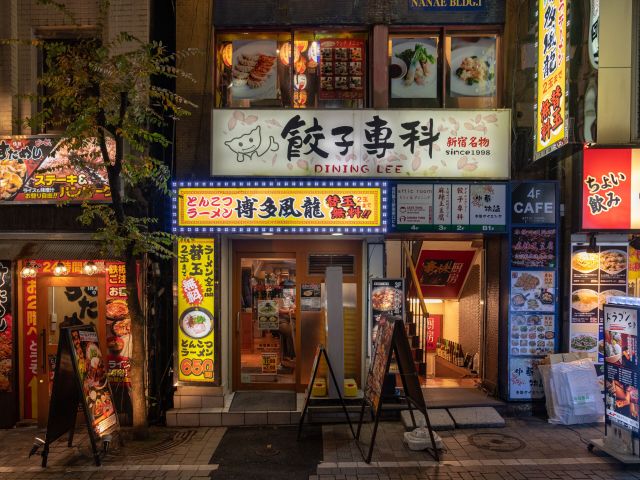
Chances are, you’ve heard of Shinjuku’s Golden Gai ramen hotspots – whether through word of mouth or a late-night scroll. Home to around 200 bite-sized bars, it’s one of the few places in Tokyo where striking up a conversation with a local feels almost inevitable, though you’re likely to brush shoulders with a few Australians too. Each bar is distinct and deeply intimate, with most seating no more than 5 to 15 patrons at a time.
With its narrow laneways and post-war charm, Golden Gai offers a rare – sometimes slightly rowdy – glimpse into Tokyo’s past. While bartenders can usually whip up just about anything, the plum wine (umeshu) is a must.
Witness sumo wrestlers training
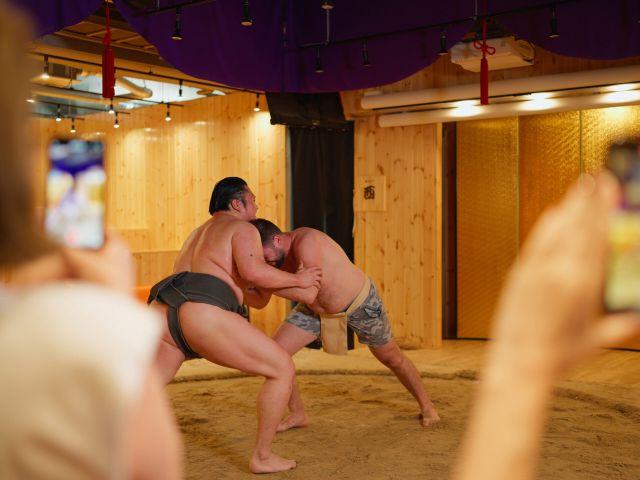
Regardless of whether you follow sumo wrestling, witnessing wrestlers train inside their private stables is unlike anything you’ll experience in Japan – let alone anywhere else in the world. Sitting patiently and quietly for hours on the sidelines, you begin to absorb the physical intensity, mental discipline, and captivating dedication behind this ancient tradition.
Training sessions generally take place in the early hours of the morning, but part of what makes the experience so special is that you can’t simply grab a ticket and walk in. It requires planning – either booking a private tour or visiting with a private translator – plus, not all stables accept visitors, which only adds to its sense of rarity.
Evoke a sense of childlike wonder at the Ghibli Museum
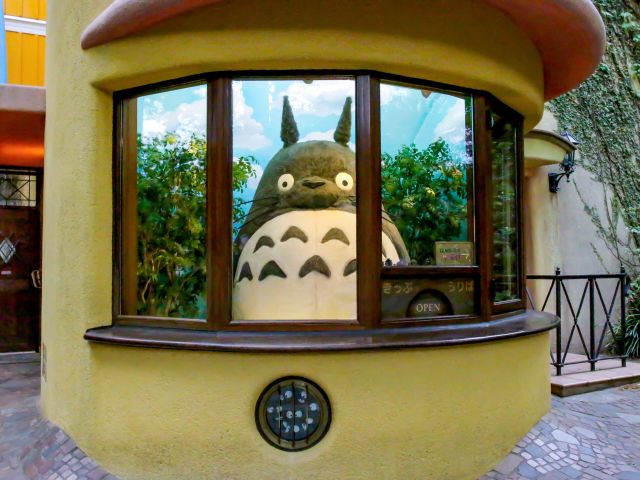
If you’re unfamiliar with the magical world of Studio Ghibli, a trip to Tokyo is the perfect time to be introduced. A thoughtfully curated portal into the imagination of Hayao Miyazaki – the director behind beloved animated films like Spirited Away and My Neighbour Totoro – The Ghibli Museum is a tribute to the studio’s whimsical universe, from lush gardens to original short films and iconic characters. Designed for all ages, its playful, immersive spaces evoke a welcome sense of childlike wonder – best experienced without distraction, as photography is prohibited. And like any great museum, the Mamma Aiuto gift shop and Straw Hat Cafe are well worth a stop.
Stock up on snacks at a Konbini (convenience store)
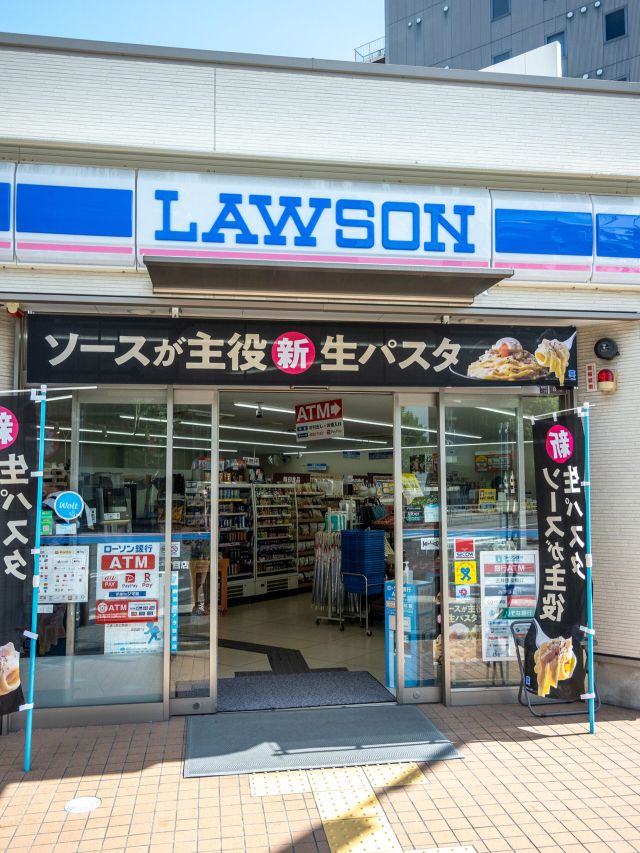
Adding a convenience store – or konbini, in Japanese – to the top of your Tokyo itinerary might seem a little underwhelming… until you step foot in one of the many FamilyMart, 7-Eleven or Lawson stores. Conveniently dotted on just about every corner, these places are in a league of their own when it comes to snacks.
Thick ramen, meticulously-wrapped onigiri, bento boxes, fluffy Japanese milk bread egg sandwiches, handrolled sushi, and dorayaki (red bean pancakes) – they seriously pack a punch, whether you’re on the go or hunting down a late-night feast once the city’s gone to sleep.
The best part? Most konbinis will heat your food for you on the spot, so you’re walking out with something hot and ready to eat. Plus, they’re stocked with a wide range of alcohol to wash it all down, which is usually cheaper than any of the bars nearby.
Plunge underground and discover Depachika
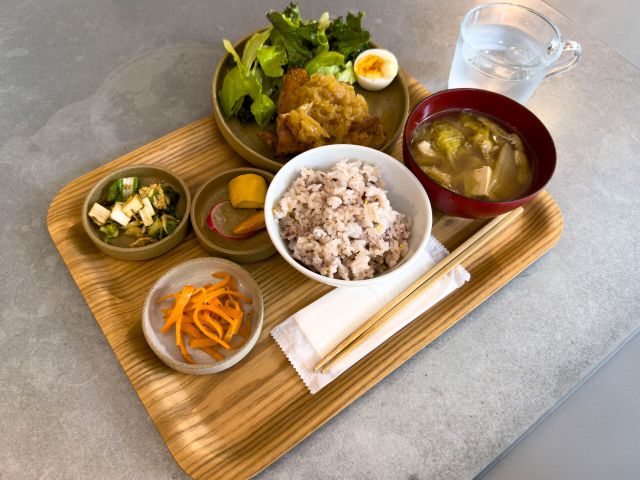
Speaking of a convenient yet decadent feast, Tokyo’s underground food halls – known as depachika – are culinary destinations in their own right. Tucked deep beneath department stores and often connected to busy train stations, these high-end food halls are an idyllic spot to sample and savour some of the city’s finest bites and beautifully packaged produce.
Think David Jones food halls, but elevated. Gourmet ready-to-eat meals, immaculate bento boxes, decadent sweets, moreish pastries, and gift-worthy treats line every counter. From Ginza Mitsukoshi and Shibuya Tokyu Foodshow to Daimaru Tokyo and Isetan Shinjuku, the only mistake you can make here is arriving on a full stomach.
Scramble across the Shibuya Crossing
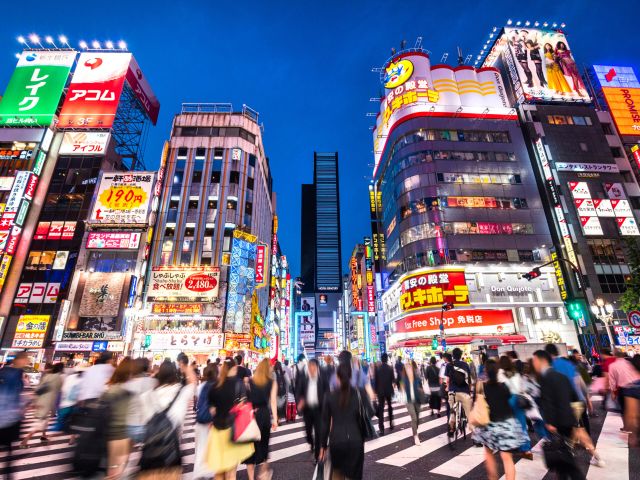
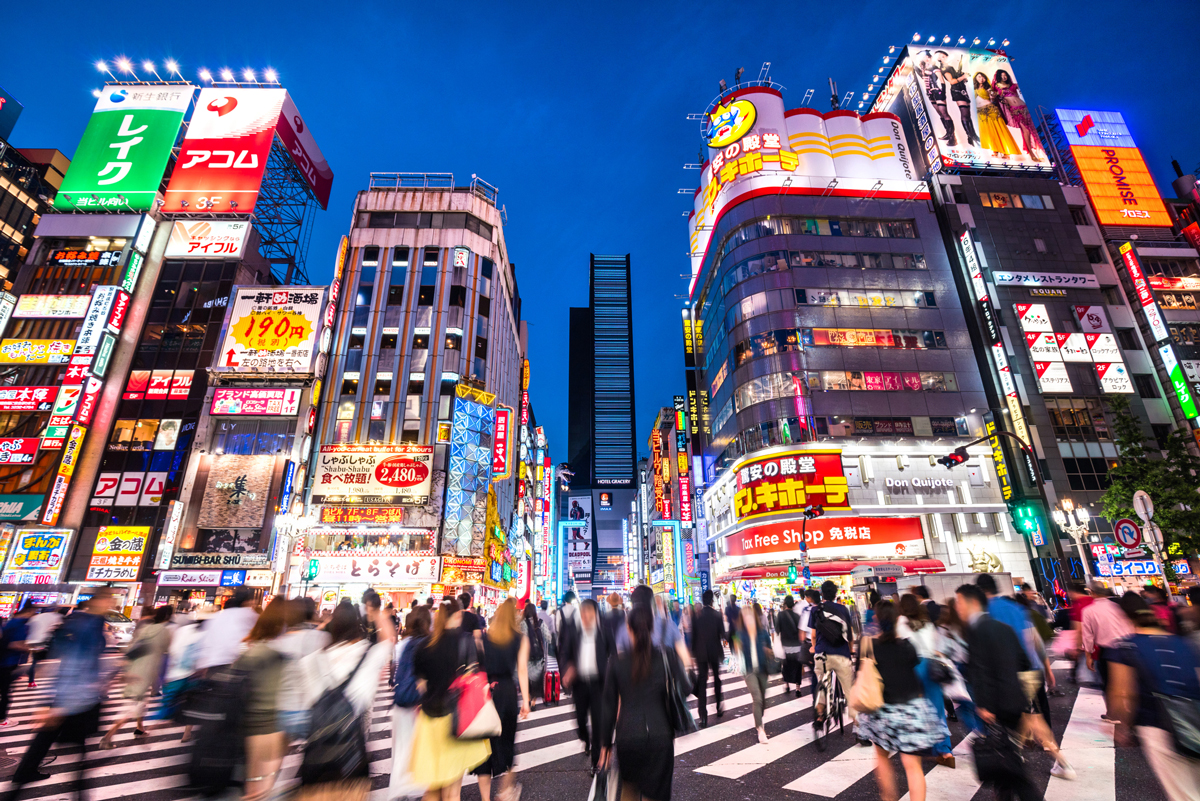
Easily one of Tokyo’s most iconic landmarks, and a kaleidoscopic backdrop to countless films, calling Shibuya Crossing a spectacle is an understatement. It’s estimated that nearly three million pedestrians pass through the Shibuya station each day, so stepping into the scramble and zig-zagging your way across alongside the crowd offers a true taste of Tokyo’s rhythm.
Leaning into the chaos – that’s somehow perfectly orderly – is the best way to experience it. That said, if you’re keen to soak it all in from above, grab a coffee at Starbucks for a front-row view, or head to the 11th floor of the Hikaria Building for a broader perspective.
Visit TeamLab
Redefining what a museum can be, teamLab is a Japanese art collective made up of engineers, artists and designers, who create immersive, sensory, and reactive large-scale art worlds to move through. It isn’tjust one fixed museum, but a series of evolving, semi-permanent exhibitions where art and technology collide.
teamLab Planets in Toyosu opened in 2017 and will remain open until 2027, while teamLab’s Borderless exhibition – reopened in 2024 – is now a permanent fixture in Tokyo’s Azabudai Hills. Expect luminous rods of lights in rooms like The Infinite Crystal Universe, or lose yourself in the Floating Flower Garden surrounded by a sea of three-dimensional suspended blooms.
Shop and people-watch in Harajuku
Harajuku is the heart of all things fashion and kawaii – meaning cute – in Japanese. A magnet for Japan’s youth subcultures, cosplayers and the fashion-forward, it sits within Shibuya – long considered ground zero for vintage and street style. Centred around Harajuku Station and stretching to the more polished enclave of Omotesando, the area is a full-blown sensory overload – in the best way possible.
Spend your time weaving through vintage stores, street art-lined alleys and the occasional museum, all while snacking on crepes or ducking into one of the city’s most eccentric cafes. OR, simply lean into the people watching: Takeshita Dori, the area’s pedestrian artery, is where Harajuku’s teenage culture is on full display – think bold fashion, neon and fairy floss.
Day trip to Hakone
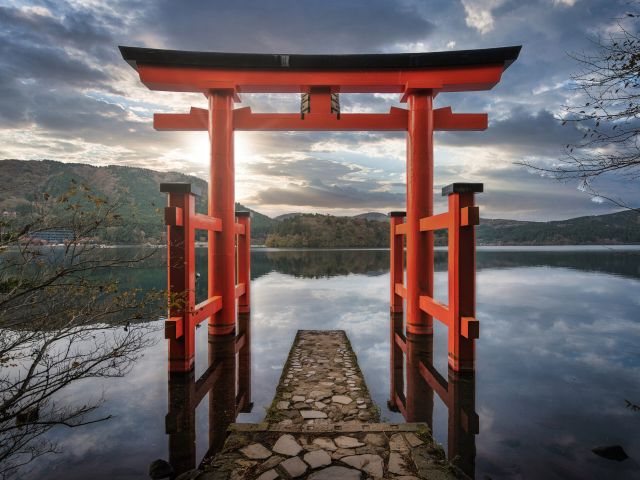
Less than two hours by Shinkansen, Hakone is one of Japan’s most famous hot spring regions and home to the Hakone Open Air Museum. Set across 70,000 square metres of rolling gardens, the outdoor gallery boasts more than 120 striking Japanese and Western sculptures, including works by Bourdelle, Rodin and Moore. Grand and imposing, each piece feels perfectly at ease in its surroundings, framed by views of the Hakone mountains.
Abstract is very much the order of the day here – and it works. The cylindrical Symphonic Sculpture tower may appear unassuming from the outside, but step inside and you’re met with a kaleidoscope of colour, creating a surprisingly mesmerising experience.
To cap it all, the gallery offers a soothing foot bath fed by local hot springs – an unexpectedly perfect final act that helps you unwind after wandering the grounds, and rounds out a true feast for the senses.
Karaoke like a local
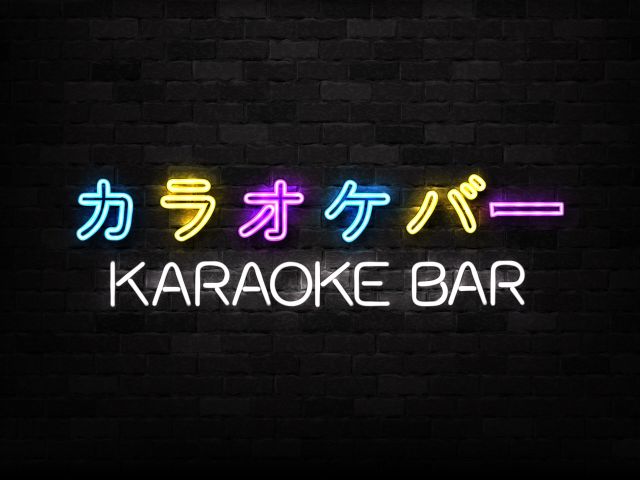
Sure, the Japanese are reserved in public, but step into a karaoke booth, and it’s a different story entirely. In Tokyo, karaoke is less about vocal perfection and more about late-night fun.
Private karaoke rooms and dedicated venues are easy to come by and well worth adding to your itinerary. Late-night chains, like Karaoke-Kan – famously featured in Lost In Translation – and Big Echo are go-tos, alongside smaller, hidden sing-along gems scattered across the city.
Between the J-Pop and K-Pop hits, most venues have plenty of familiar pop and rock classics, so you can belt it out unashamedly with your travel companions – or the locals you’ve managed to recruit along the way. Just remember: if you’re in a shared space, pass the mic, respect the queue, and avoid bringing in outside food or drinks unless allowed.
Explore Tokyo on foot
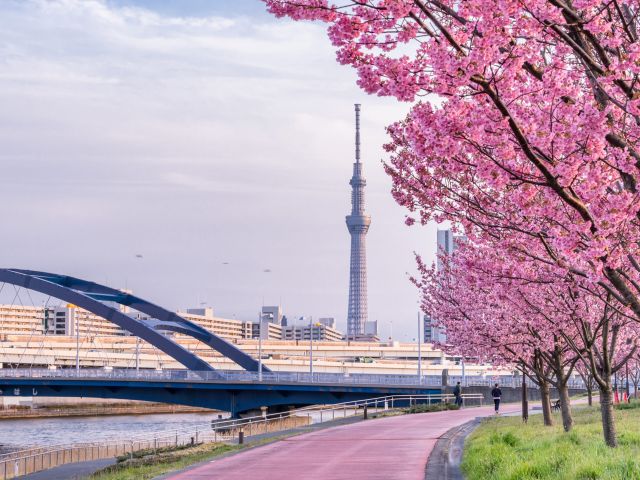
While efficient train lines criss-cross the city, the best way to glimpse the soul of Tokyo is by walking its neighbourhoods and parks.
Head to the sprawling Ueno Park, home to a zoo, art galleries and museums, and offering a rare pocket of calm, especially during the early hours. During cherry blossom season, arriving at sunrise is the best way to experience the blooms before the crowds descend. The trend of asakatsu is all about making the most of the quiet and space of the early morning hours, when Tokyo is slowly waking from its slumber.
Meanwhile, the Sumida River Walk is an easy waterside stroll, linking Asakusa to Tokyo Skytree, complete with sections of glass flooring that look down on the river below.
Day trip to Tokyo’s outskirts
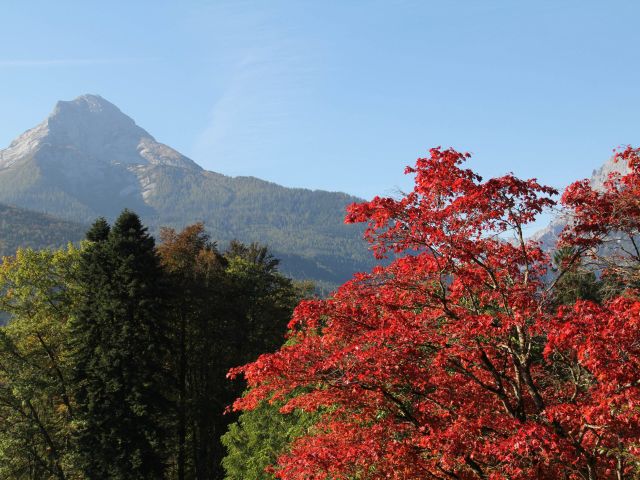
For a wilder side of Tokyo, hop on a train from Shinjuku and head out to the Tama region. Perfect for a day trip, it’s home to Mt Takao – where Nature Research Trail 1 takes in the best of the scenery along the way – and is especially striking in autumn, when the landscape turns ablaze with shades of red, gold and amber.
Stay overnight, and you’ll unlock a different experience entirely. The region is home to a growing number of glamping retreats, from eco-conscious forest stays in Akiruno to more design-led escapes further afield. Alternatively, settle into the gracious hospitality of a traditional ryokan like Kabutoya, complete with its own soothing onsen and meals crafted from local, seasonal ingredients.
Relax in Hama-rikyu Gardens
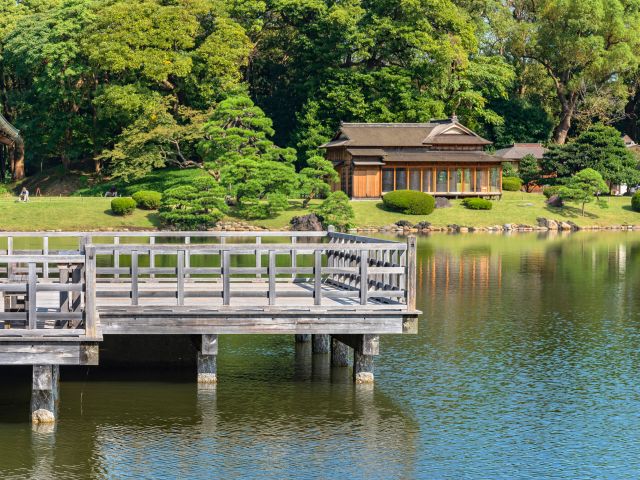
The Hama-rikyū Gardens are steeped in centuries of history, once tied to the shogunate and later the Imperial household. Today, they offer a serene green haven set against the modern towers of nearby Shiodome. The most atmospheric way to arrive is by water bus along the Sumida River.
Once inside, wander through manicured Edo-period gardens dotted with ponds, bridges and former duck hunting grounds once used by the shoguns – look out for the memorial dedicated to the ducks. Afterwards, settle in at the charming Nakajima-no-ochaya teahouse for matcha and delicate traditional sweets.
Bike ride through Central Tokyo
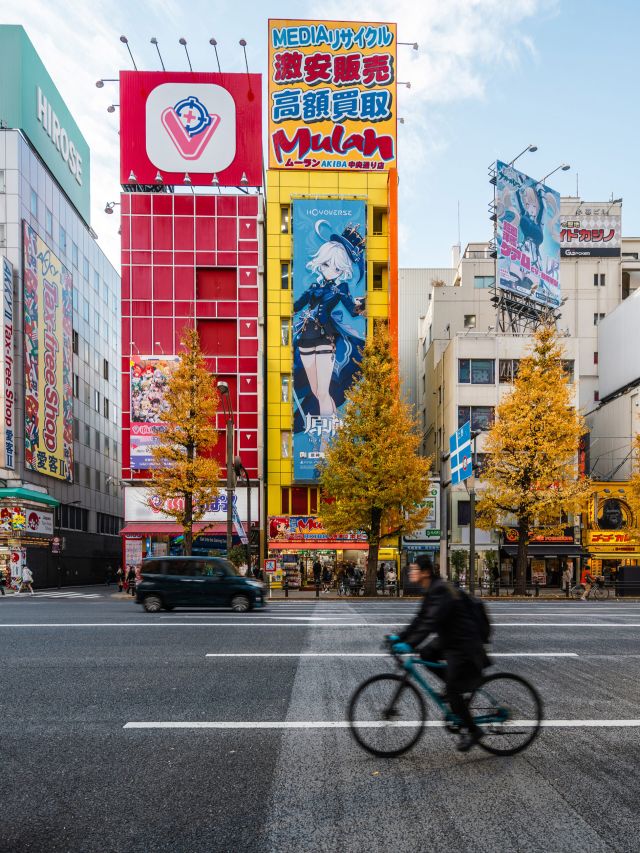
Hiring a bike might not be the first thing that comes to mind when mapping out your day, but central Tokyo is surprisingly compact – and even easier to navigate on two wheels.
The east–west stretch of the JR Yamanote Line, running between Tokyo and Shinjuku stations, spans roughly six kilometres and is relatively flat, making it an ideal route to explore at your own pace. Cruise through neighbourhoods, stop on a whim, and take in a different side of the city between train stops.
Visit shrines off the tourist trail
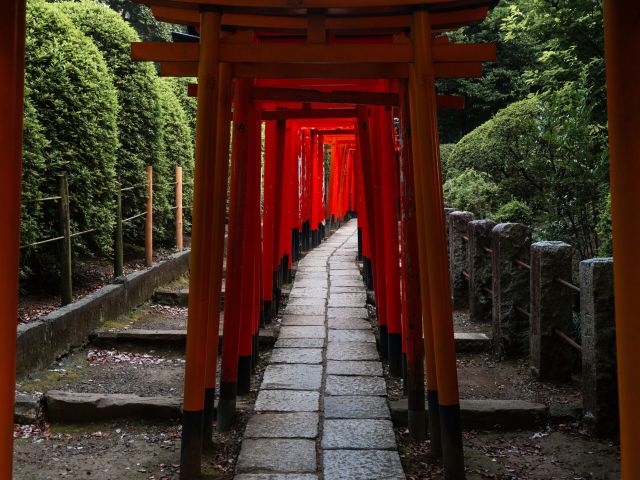
While Tokyo certainly doesn’t lack iconic sights, seeking out lesser-known, less crowded spots is one of the real joys of being a visitor here.
Nezu-jinja Shrine is one of the city’s most beautiful, yet it remains relatively under the radar – alongside places like Gotoku-ji Temple in Setagaya, dedicated to maneki-neko (Japan’s charming ‘waving cats’ said to bring good fortune), and Atago Jinja near Tokyo Tower, where a steep flight of 86 steps leads you to a quietly unassuming shrine.
Weekly travel news, experiences
insider tips, offers, and more.
Go to the Miyashita Park Rooftop
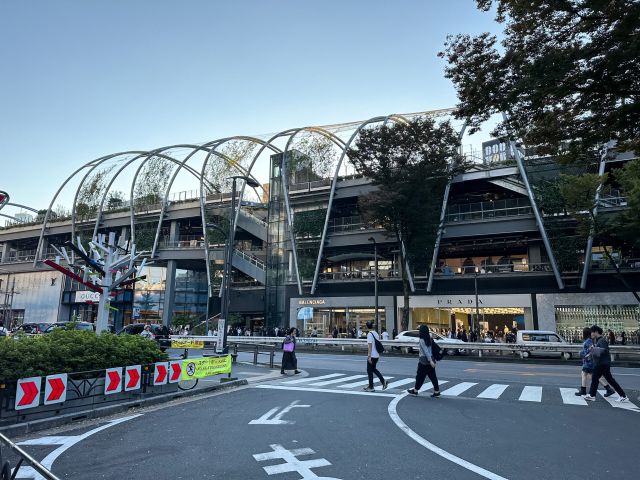
Meanwhile, Shibuya’s Miyashita Park – originally established in 1930 – has been reimagined as a sleek shopping and lifestyle complex. But the real draw lies above it all: a rooftop park that retains the spirit of the original greenspace, now elevated with a distinctly urban edge.
Up top, you’ll find a skate park, bouldering wall and even a beach volleyball court – an unexpected pocket of play in one of Tokyo’s busiest neighbourhoods. It’s a great spot to pause, people-watch or simply take in the contrast of greenery set against the surrounding skyline. Downstairs, the complex is lined with cafes, boutiques and casual dining spots, making it an easy place to linger a little longer than planned.
Wander Edo-Tokyo Open Air Architectural Museum
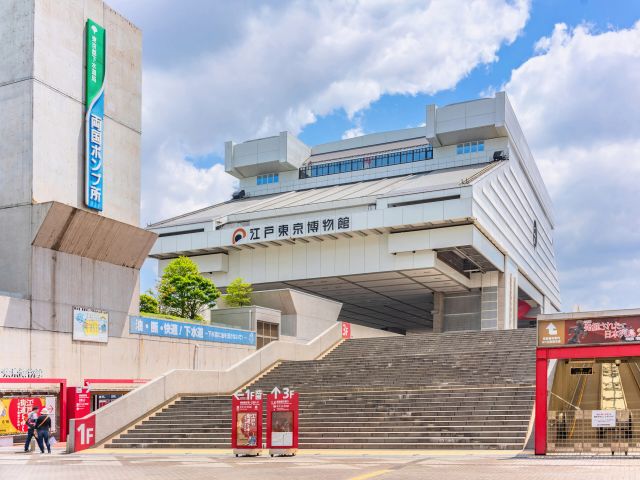
For something a little different, make your way to the Edo-Tokyo Open Air Architectural Museum – a 25-minute train ride from Shinjuku, but a world away in feel. Set within a leafy park, the museum is made up of carefully reconstructed Japanese buildings, spanning everything from historic farmhouses and a traditional granary to the former home of a prime minister.
It’s less a museum in the conventional sense and more an open-air time capsule, where you can wander in and out of buildings and get a tangible sense of how Tokyo once lived and breathed. Quiet, immersive and refreshingly low-key, it’s a rewarding detour from the city’s usual pace.
Enjoy an early morning graze at Tsukiji Market
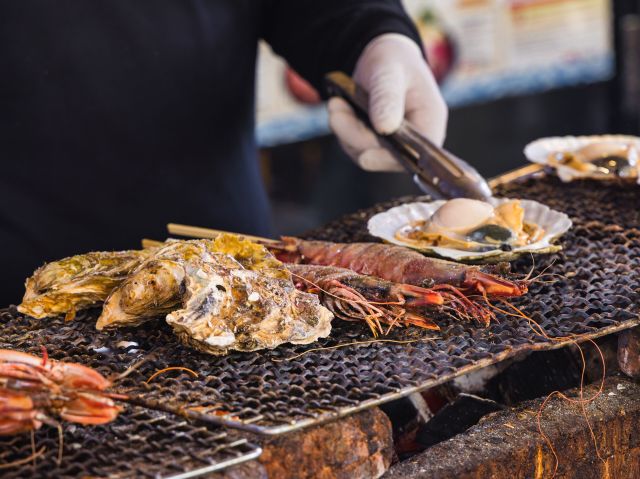
If you’re after a lively peek into Japan’s rich food culture, an early morning visit to Tsukiji Market is a must. Long hailed as one of Tokyo’s most iconic food destinations – and once home to the world’s largest fish market – Tsukiji now offers an animated glimpse into the city’s enduring seafood scene, along with the chance to sample some of its freshest produce.
Located in central Tokyo between the Sumida River and the upmarket Ginza district, the outer market is best explored on foot. Wander through narrow stalls while grazing on melt-in-your-mouth tuna sashimi, creamy oysters, octopus bites and soft-shell crab – treat it less like a sit-down meal and more like a roaming feast.
Go-Kart your way around Tokyo
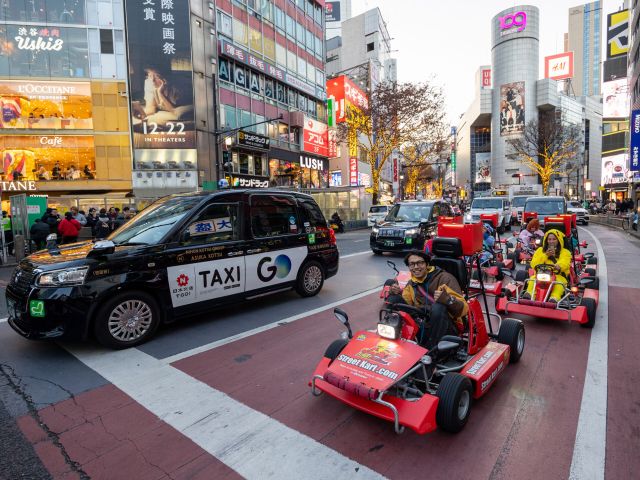
If you’re eager to experience the city in the most unexpected way – or live out your very own Mario Kart fantasy – then go-karting through Tokyo’s streets is hard to beat. Run by licensed tour operators, these guided experiences let you weave past iconic landmarks, like Tokyo Tower, Rainbow Bridge, and even Shibuya Crossing.
Designed for thrill-seekers, it’s loud, high-energy and completely unlike any other city tour. Aside from an international driver’s license, all that’s left to do is pick your character onesie and start your engine. It’s one Tokyo experience you won’t forget in a hurry.
Channel your inner child at Disneyland
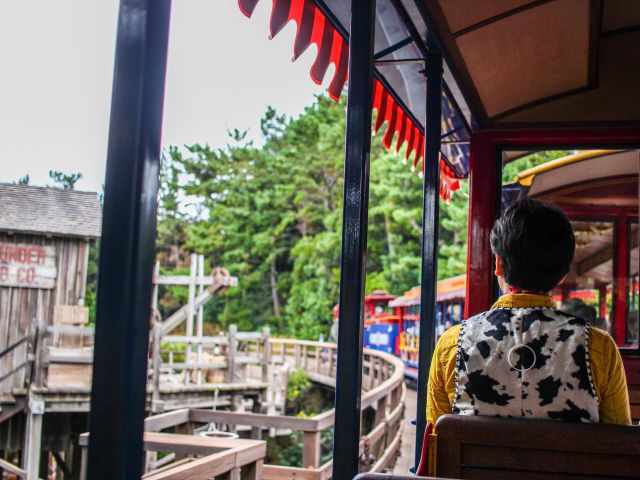
Travelling with your little ones in tow? One of Tokyo’s top attractions for young families has to be Disneyland. And while there may be many Disneylands around the globe, Tokyo Disneyland is often considered one of the best – thanks to its uniquely Japanese approach to the Disney universe.
Expect immaculate attention to detail, seamless organisation and an atmosphere that feels both nostalgic and distinctly local. From themed snacks and elaborate parades to meticulously maintained rides and costumed visitors fully embracing the experience, it’s easy to see why it draws such devoted crowds.
Slurp ramen on Ramen Street
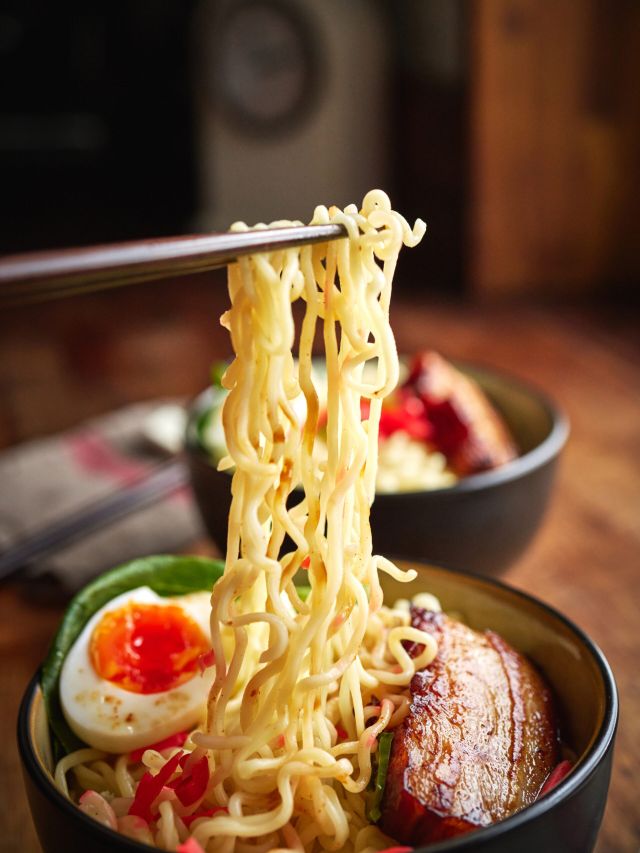
While ramen joints are dime a dozen in Tokyo, not all are created equal. If you haven’t experienced the creamy, brothy brilliance of a masterful bowl of ramen on Tokyo Ramen Street, you haven’t tasted ramen at its finest.
Rokurinsha, tucked away within Tokyo’s Station’s underground mall, is renowned for serving some of the best tsukemen (dipping noodles) in Tokyo. It’s less a casual meal and more a ritual. Start by placing your order into the vending machine – perhaps with a crisp Asahi – before taking a seat and being presented with a bowl of thick, chewy noodles alongside a separate dish of rich, concentrated dipping broth.
Yes, the wait can stretch to 30 minutes or so, but it’s all part of the experience – and well worth the wait.
How many days do you need in Tokyo?
Ah, the big question. In reality, there is no right or wrong answer. If time and budget aren’t a concern, a week or two allows you to slow your Tokyo experience down and properly savour Tokyo – balancing iconic hot spots and lesser-known gems. That said, four to five days is more than enough to get a meaningful taste of Tokyo.
If food sits high on your itinerary bingo card, it’s worth planning to stay around it – after all, there’s only so many meals you can squeeze in one day, right?!
Want to see more stories from International Traveller in your Google search results?
- Click here to set International Traveller as a preferred source.
- Tick the box next to "International Traveller". That's it.