
Deeply rooted in food culture, Japan’s third-largest city tantalises your senses with fiery woks and sizzling hibachis at every turn – and has grown to become a delectable destination in its own right.
Before journeying to Japan, friends and colleagues raved about their transformative Tokyo trips. They gushed about the tranquillity of Kyoto, urged me to hit the powdery slopes of Nazowa Onsen, and reminisced about the magnificence of Mount Fuji – but few mentioned the gastronomical thrill of Osaka, which surprised me, because it was hands-down one of the standout highlights of my trip.
Lying slightly under the radar, compared to the likes of Tokyo and Kyoto, Osaka is so deeply rooted in food culture, so much so that it’s considered the culinary capital of Japan, affectionately dubbed the nation’s “kitchen". While locals take their food seriously, they don’t take themselves too seriously. In fact, Osaka locals are known for the endearing philosophy kuidaore – meaning “eat yourself into ruin" – a phrase that perfectly captures the city’s playful, down-to-earth spirit. Here, food isn’t just part of Osaka culture, it’s central to daily life and identity.
It’s home to a smorgasbord of moreish street food and Michelin-starred restaurants, but there’s also more to the vibrant city than just eating. To help you navigate your way around “Japan’s kitchen", we’ve curated the best things to eat, see and do, so you can spend less time fussing and more time feasting.
How Many Days Do You Need In Osaka?
Honestly, it depends on how much eating and shopping you plan to do, but around three to four days is a solid starting point. It’s enough time to explore the city’s key neighbourhoods, dive into its food scene and squeeze in a few cultural highlights, while still leaving room for spontaneous stops (and second helpings).
Eat, repeat in Dotonbori
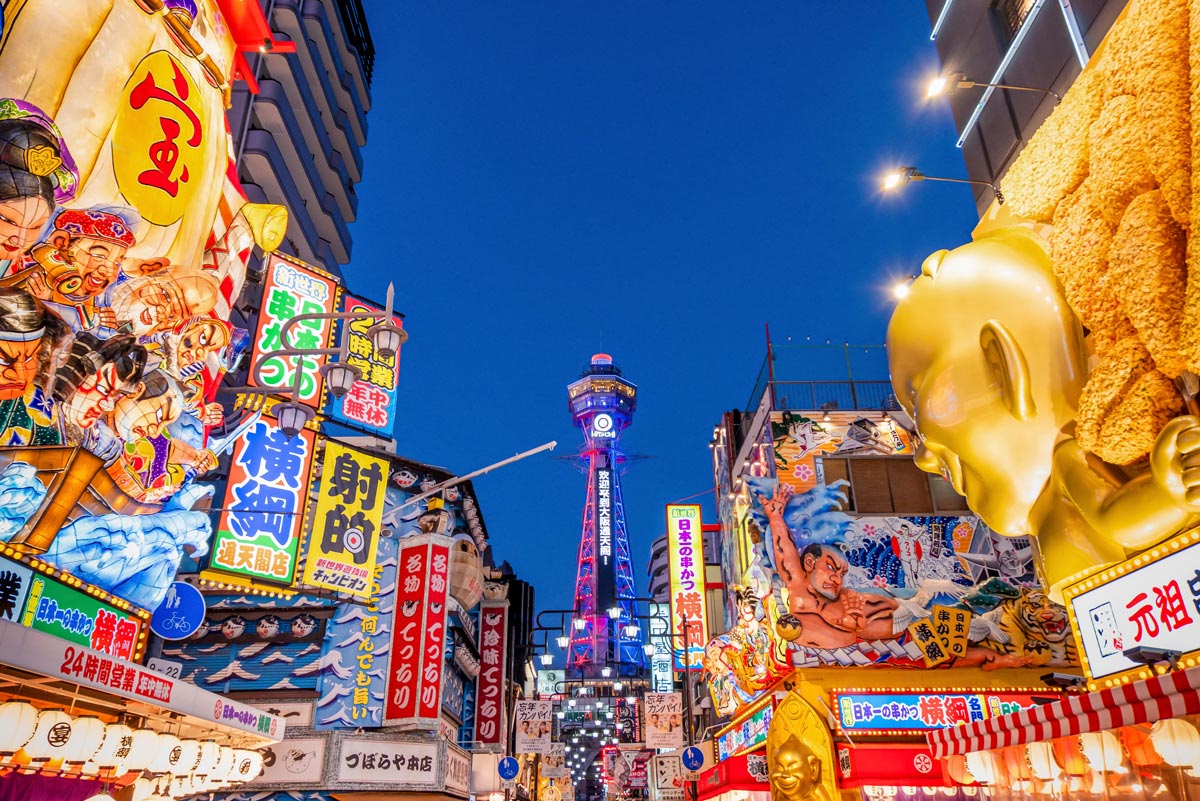
Dating back to the early 1600s, the Dotonbori River was widened to attract commercial growth, transforming the area into a lively entertainment hub for locals and visitors alike. Today, it remains a walkable wonderland – alive with bustling street food stalls, vibrant restaurants and towering neon signs.
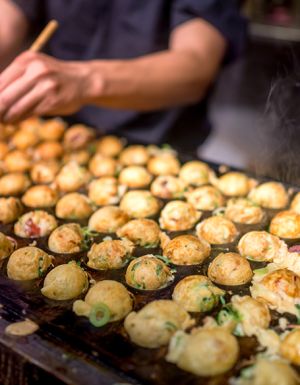
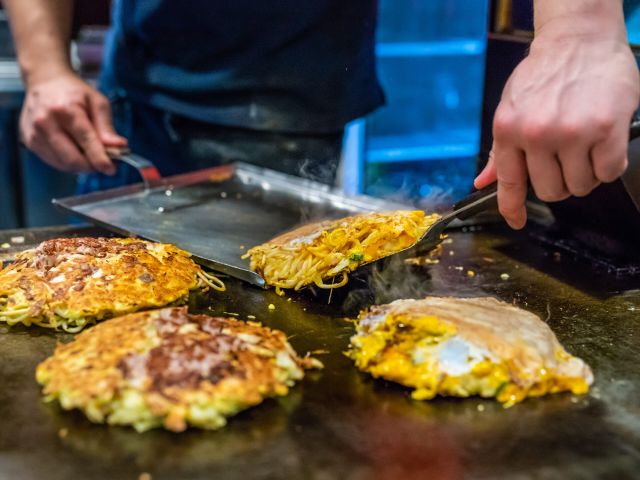
As you wander, you’ll pass vendors serving moreish takoyaki (doughy pancake-like dumplings filled with pieces of octopus and drizzled with tangy sauce), okonomiyaki (savoury pancakes packed with shredded cabbage, meat and egg), and kushikatsu (crispy, deep-fried panko-crumbed skewers). Wash it all down with a crisp local beer or cocktail at one of the many bustling izakayas.
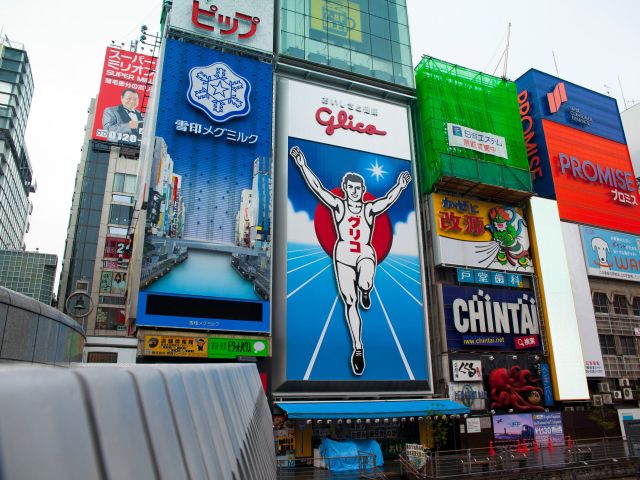
What truly sets this foodie hotspot apart, however, is its seamless blend of old and new. Frozen in time when neon symbolised modernity, Dotonbori feels slightly worn in – in the best way – adding to its nostalgic charm. Be sure to snap a pic with the Running Glico Man, Osaka’s unofficial mascot, and take your time strolling along the Dotonbori River at dusk, when the fading daylight gives way to a dazzling wash of neon.
Play old-school arcade games in Shinsekai
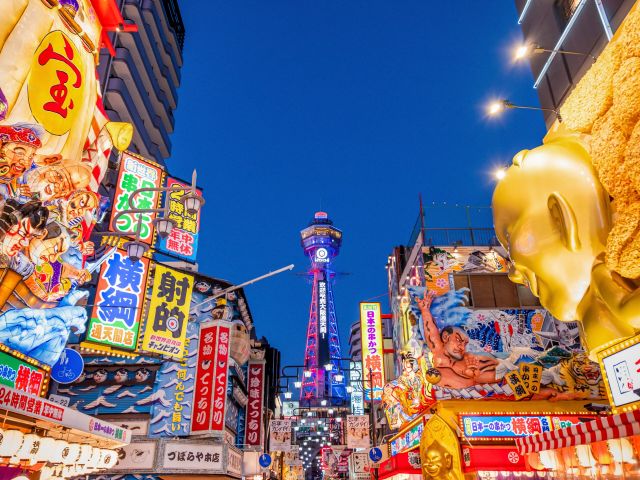
A short train ride from Dotonbori is Shinsekai, another bustling neighbourhood frozen in time – this time with a focus on retro arcade games, karaoke bars, and pachinko halls, all sitting alongside rows of tempting street food vendors.
Equally as endearingly nostalgic as Dotonbori, Shinsekai leans into its slightly rough-around-the-edges charm. Neon signs flicker above old-school eateries, the scent of sizzling kushikatsu fills the air, and the iconic Tsutenkaku Tower looms overhead. It’s lively, a little chaotic and unapologetically local – offering a glimpse into a more unfiltered side of Osaka that’s best experienced after dark.
Explore Kita and the Umeda Sky Building
Osaka is broadly divided into two main hubs: Kita (north) and Minami (south). Kita – also known as Umeda – is the city’s bustling daytime district, where you’ll likely spend much of your time exploring its mix of department stores, restaurants, cafes and bars. It’s a lively, fast-paced area best discovered on foot, though renting a bike is an awesome way to cover more ground.
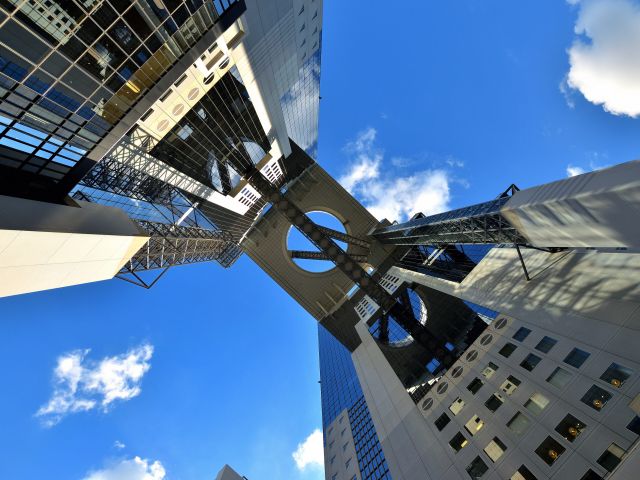
Among its many attractions, the Umeda Sky Building stands out. Rising 173 metres, the structure is essentially made up of two towers connected at the top by a striking open-air observatory. Head up to the Kuchu Teien, or “Floating Garden," for sweeping views across the Osaka skyline – it’s especially impressive at sunset, when the city begins to glow.
Explore Osaka Castle
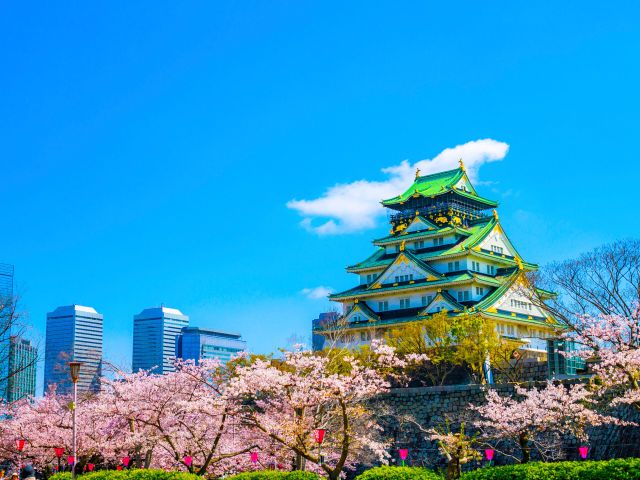
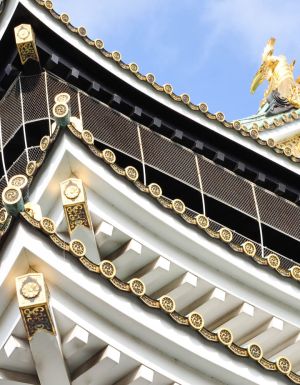
Completed in 1583 by Toyotomi Hideyoshi – one of Japan’s most influential samurai warlords – Osaka Castle is an iconic landmark and one of the city’s most visited attractions. Dominating the eastern skyline, it stands as a masterful example of historic restoration and cultural preservation.
Embodying both political power and refined elegance, the castle rises 55 metres above expansive manicured gardens and wide stone moats. Its striking white facade is trimmed with green-tiled roofs and adorned with shimmering gold accents that catch the light from every angle. Exploring the surrounding grounds alone makes for a memorable day out, but those keen to delve deeper into Osaka’s history can step inside the castle’s museum to uncover the complex legacy of Toyotomi Hideyoshi and the city he helped shape.
Stock Up at Doguyasuji Arcade
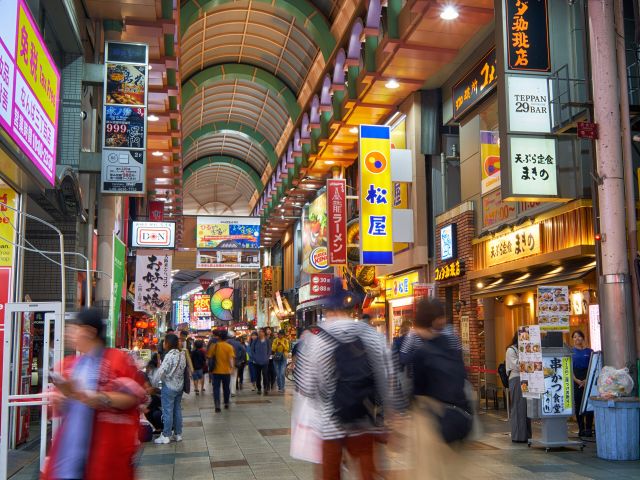
Whether you’re a professional chef, a passionate home cook or simply curious in the kitchen, Doguyasuji Arcade – affectionately known as Kitchen Street – is a true treasure trove of culinary finds. Stretching 150 metres under cover, this bustling strip is lined with specialist stores stocking everything from handcrafted Japanese knives and beautifully glazed ramekins to commercial-grade woks, unique chopsticks and delightfully kawaii baking tools and souvenirs.
Located just moments from Dotonbori, the arcade hums with activity throughout the day. While it’s technically open 24 hours, most shops trade from around 10am until early evening. Take your time wandering from stall to stall, pausing to refuel at one of the nearby street food vendors or casual eateries. It’s an experience as much as a shopping trip – one where you’re almost guaranteed to discover a utensil you never knew you needed. The real challenge? Deciding what to take home and what simply won’t fit in your suitcase.
Shop the best Japanese cooking knives
Japanese knives carry a global reputation for precision and craftsmanship, making them a prized addition to any kitchen. So, if you’re looking to bring home a piece of that culinary heritage – or secure serious brownie points with a thoughtful gift – Osaka is one of the best places to invest in one.
Where you shop will depend on the kind of experience you’re after. At one end of the spectrum are more tourist-friendly stores, such as Tower Knives, where English-speaking staff guide you through the nuances of blade types and steel in polished, gallery-like settings. At the other end are industry-focused retailers like Takayuki (Aoki Hamono), where the emphasis is firmly on craftsmanship, with a strong focus on both carbon and stainless steel knives used by working chefs.
Whichever path you take, the experience offers an intimate glimpse into one of Japan’s most revered crafts. And whether you’re buying for yourself or someone else, many stores offer on-the-spot engraving – adding a personal touch to what is likely to become a lifelong kitchen companion.
Design your own instant noodles at CUPNOODLE MUSEUM
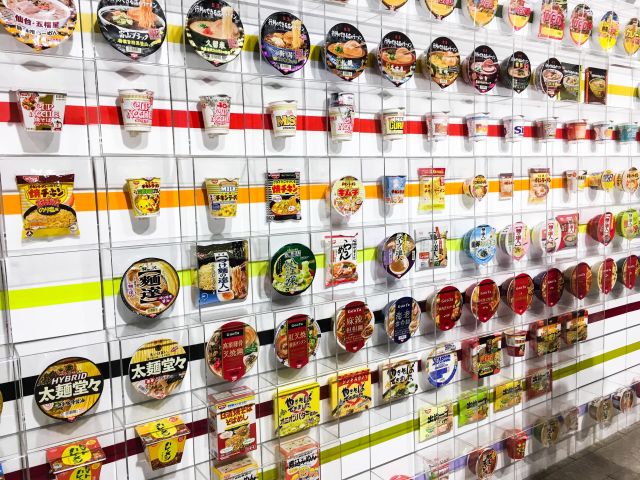
Located in Ikeda, around 30 minutes from central Osaka, this is the birthplace of instant noodles, first created by Momofuku Ando in 1958. Today, the site is home to a lively museum dedicated to one of Japan’s most iconic culinary inventions.
Colourful, sensory and delightfully offbeat, the museum is a part gallery, part interactive factory. Here, visitors can try their hand at making chicken ramen from scratch, following each step of the process – from kneading, spreading, steaming and seasoning the wheat flour and drying it with the flash frying methods. If you’d rather observe than cook, wander through the immersive “instant noodle tunnel", watch the origin story unfold in the theatre shaped like a giant CUPNOODLES, and playfully create your own completely original CUPNOODLES package, complete with personalised packaging and flavour combinations.
While Tokyo is home to the larger CUPNOODLES MUSEUM, Ikeda’s original offers a more intimate and authentic experience that’s equally engaging and rich in history.
See a show at the National Bunraku Theatre
For a deeper dive into Japan’s cultural heritage, catch a performance at the National Bunraku Theatre, where traditional puppet drama takes centre stage. This centuries-old art form brings intricate stories to life through large, exquisitely crafted puppets, each operated by three highly skilled puppeteers working in seamless unison.
The performance is accompanied by the evocative sounds of the shamisen and narrated by a tayū (chanter), whose expressive storytelling adds emotional depth to every scene. Rich in history and artistry, bunraku offers a rare and captivating glimpse into one of Japan’s most refined theatrical traditions.
Learn the art of brewing at the Asahi Museum
Passionate about beer? Learn all about it – and taste world-class beer – at the Asahi Museum. Located inside the Asahi Breweries Suita Plant in Osaka, it’s a sensory experience that’s part guided brewery tour, part interactive museum.
Unlock a behind-the-scenes look at how Japan’s most iconic beers are crafted, from the careful selection of ingredients to the precision-driven brewing and fermentation process. Along the way, immersive displays and expert guides break down the science, history and innovation behind Asahi’s signature crisp, dry taste. The experience culminates, as it should, with a guided tasting, offering freshly poured samples straight from the tank.
Chow down on chicken wings
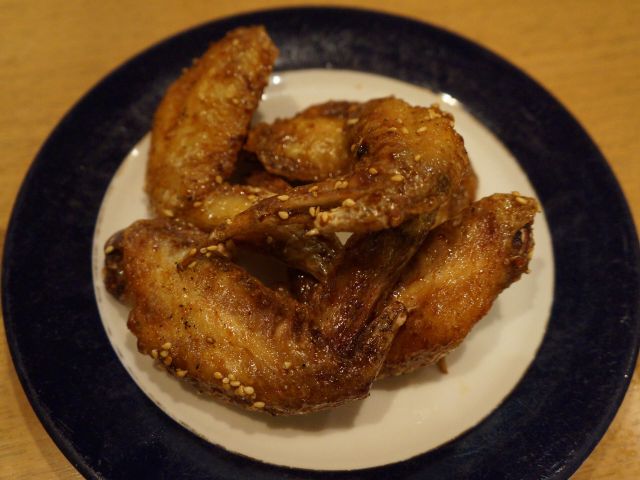
When hunger strikes in Osaka, you’re never too far from a mouth-watering stall slinging something fried, skewered or slurp-worthy. But beyond its famous street food staples, the city has a devoted chicken wing culture that rivals some of its more headline-grabbing eats. Here, wings aren’t just a snack; they’re part of a social, beer-fuelled dining ritual. It’s less about the condiments and more about the crispy texture, peppery seasoning, and lively, casual atmosphere that comes with it.
While a handful of spots specialise in Nagoya-style tebasaki (fried chicken wings), the standout is Sekai no Yamachan. This cult favourite izakaya is known for its signature wings, coated in a perfectly balanced mix of pepper, salt and subtle sweetness. Served in generous towers, they’re designed for sharing. Master the art of devouring them properly, leaving no trace of succulent chicken on the bone by following the house instructions.
Stroll around Orange Street
Reminiscent of Williamsburg in its early heyday, Tachibana-dori – better known as Orange Street – is a laid-back, design-forward strip that offers a glimpse into Osaka’s creative undercurrent. Stretching for around 800 metres, the street is brimming with independent boutiques, vintage stores, contemporary furniture and homeware shops, as well as a steady stream of low-key cafes. The overall feel is refreshingly relaxed – a welcome contrast to the buzz of nearby Shinsaibashi and Amerikamura.
From leafy, bohemian cafes to streetwear staples and vintage goldmines, like PalStock, JAM, and Hedy, there’s no shortage of unique, thoughtfully curated spaces to explore. Biotop is another great pit stop. Spanning three levels, it perfectly captures the spirit of the street, with a nursery, cafe and beauty offerings on the ground floor, a curated edit of Japanese and European designers above, and a rooftop pizza restaurant to round it all out.
Try a private cooking class
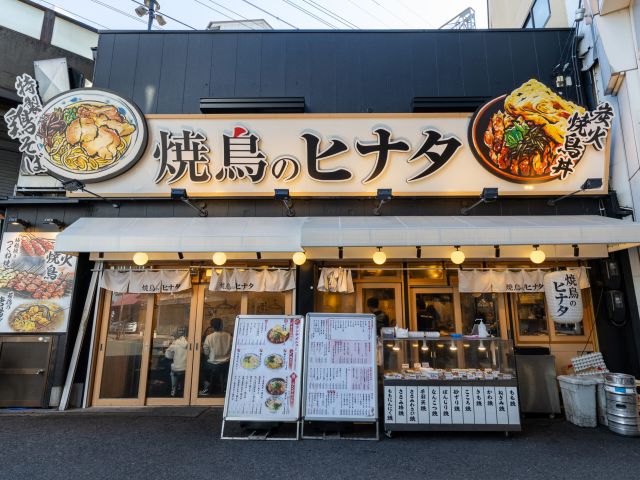
As one of Japan’s most celebrated culinary cities, Osaka is the perfect place to roll up your sleeves and learn a few new skills in the kitchen. A private cooking class offers a hands-on way to connect with the city’s food culture – far beyond simply eating your way through it.
Learn to make udon noodles from scratch – kneaded and softened using traditional methods (yes, sometimes underfoot), alongside local favourites like yakitori and okonomiyaki. Set in intimate, home-style kitchens, the experience feels more like cooking with a friend than attending a formal class, with tutors who are warm, knowledgeable and eager to share their craft. For a deeper, more personal taste of Osaka, it’s one of the most rewarding ways to spend an evening.
Weekly travel news, experiences
insider tips, offers, and more.
Shop American vintage in Amerikamura
In the 1970s, Amerikamura emerged as a countercultural hub, shaped by post-war imports of American fashion and vintage goods. At a time when Osaka’s youth were looking westward for creative inspiration, the neighbourhood quickly became a melting pot of music, style and rebellion.
Today, that spirit still lingers. Amerikamura remains one of the city’s go-to destinations for American-inspired vintage and streetwear, offering a window into Osaka’s youthful, fashion-forward edge. From retro point-and-shoot cameras and old-school Game Boys to thrifted graphic tees and perfectly worn-in Levi’s and Coach bags, the stores here are packed with affordable, character-filled finds. For a mix of retro tech and offbeat knick-knacks, swing by Free Market, and for vinyl, Groovenut Records and Plantation are well worth a browse.
Shop at Shinsaibashi-suji Shopping Arcade
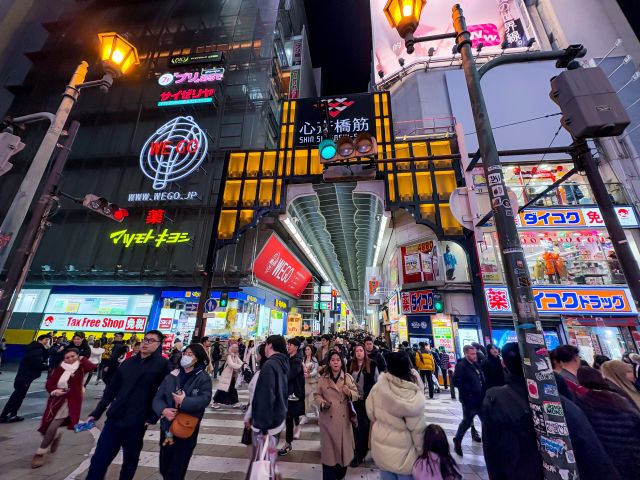
Osaka is known for its shotengai Shinsaibashi-suji Shopping Arcade covered shopping arcades – but Shinsaibashi-suji is by far the largest and most iconic. Stretching for 2.6 kilometres, this bustling strip is home to hundreds of stores and carries nearly 400 years of retail and entertainment history.
While districts like Orange Street, Kitchen Street and Amerikamura offer more curated, niche experiences, Shinsaibashi-suji delivers a little of everything. From global brands and local favourites to bargain buys and the occasional knock-off, it’s an eclectic mix that reflects Osaka’s energetic retail culture. Even if you’re not planning to shop, the arcade itself is worth wandering – an enduring slice of the city’s commercial past, still very much alive today.
Visit Namba Yasaka Shrine
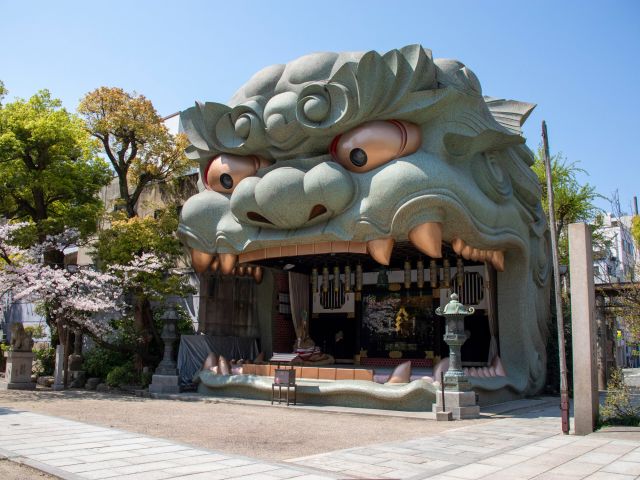
Easily one of Osaka’s most distinctive places of worship is Namba Yasaka Shrine. Located in the Namba district, just moments from Namba Parks, the entire shrine forms the shape of a giant lion’s head – Ema-Den – with its open mouth believed to “swallow evil spirits" and bring good fortune.
While it’s a relatively small shrine, the lion’s head is the undeniable drawcard, towering at 12 metres high and offering a striking, almost surreal contrast to more traditional shrine architecture. Quiet and often overlooked, it’s a peaceful pocket in the middle of the city, and a memorable stop for those seeking something a little different from Osaka’s usual temple trail.
Unleash your inner child at Universal Studios Japan
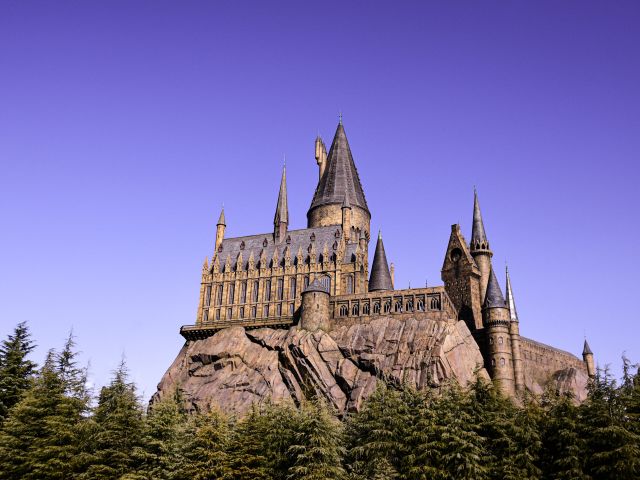
If you’re travelling with little ones in tow – or simply have a soft spot for theme parks with a hefty dose of nostalgia – then a day at Universal Studios Japan is time well spent. Located in Osaka Bay, the park is home to a playful mix of themed zones inspired by some of the world’s most beloved franchises, from The Wizarding World of Harry Potter to Super Nintendo World.
Expect everything from the immersive Mario Kart: Koopa’s Challenge and the family-friendly Yoshi’s Adventure to splash-filled Jurassic Park rides and high-adrenaline rollercoasters. It’s an all-out sensory experience, with plenty to see, do and revisit.
As one of Osaka’s biggest drawcards, crowds are a given. To make the most of your visit, purchase tickets in advance and arrive before opening to get a head start on the queues. From start to finish, it’s an energetic, joy-filled day that leans fully into fun.
Eat like a local at Osaka Kizu Wholesale Market
For a more authentic taste of Osaka’s food scene, skip the crowds at Kuromon Market and head to Osaka Kizu Wholesale Market. Tucked away just south of Namba, this working market has been supplying restaurants and locals for generations, and still feels refreshingly under the radar.
Arrive early to find a no-frills mix of seafood vendors, butchers and small eateries serving some of the freshest sushi, sashimi and set breakfasts in the city. It’s less about grazing and more about sitting down for a simple, expertly prepared meal – think melt-in-your-mouth tuna, grilled fish and steaming bowls of miso.
Step back in time at Sumiyoshi Taisha
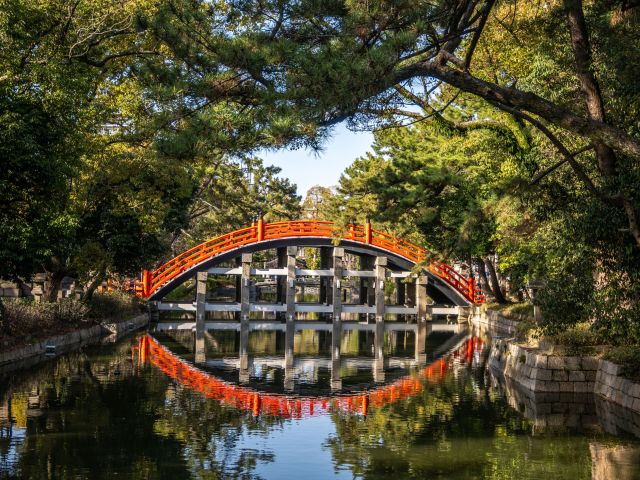
To enjoy a quieter, more contemplative slice of the city, make your way to Sumiyoshi Taisha, one of Japan’s oldest and most significant shrines. Nestled in southern Osaka, it dates back over 1,800 years and is known for its distinctive Sumiyoshi-zukuri architecture, a style that predates the influence of mainland Asia.
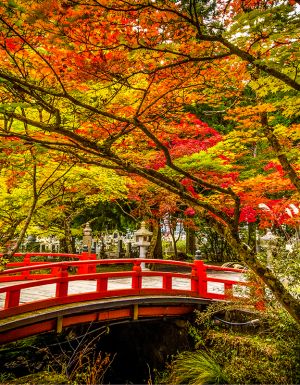
Cross the iconic arched Sorihashi Bridge, reflected in the surrounding pond, before wandering through the peaceful grounds lined with ancient trees and vermillion halls. Unlike many of Japan’s more ornate shrines, Sumiyoshi Taisha feels grounded and understated, with its beauty lying in simplicity and history, offering a welcome pause from the city’s energy.
Want to see more stories from International Traveller in your Google search results?
- Click here to set International Traveller as a preferred source.
- Tick the box next to "International Traveller". That's it.