hero media

A new era of Regent Hong Kong

The reimagining of a legendary five-star hotel in Hong Kong is a balance between legacy and modernity symbolic of the city itself.

Seeing a human descend on a cable outside a skyscraper has a degree of eye-popping sensationalism to it even if you know it’s going to happen. The effect is heightened when the writhing figure is backdropped by the neon-reflected shimmer of Hong Kong’s Victoria Harbour and soundtracked by a tense operatic score.

A grand affair

I watch, mouth agape with cartoonish delight, as four figures fling their limbs about in a dramatic, choreographed acrobatic routine. Their empire-red garments catch the waterside breeze, emulating the flowing silk robes of inky figures on ancient Chinese scrolls.

The room is filled with designer-draped partygoers. There’s a collective inhale of astonishment, and carefully cultivated ‘oohs’ and ‘ahhs’ are released as the performance reaches its crescendo.

I am witnessing this spectacle having been cordially invited to a party designed to celebrate the reopening of one of the world’s most beloved hotels, Regent Hong Kong. I’ve attended a few hotel openings in my line of work and they are, without deviation to the rule, grand affairs. But this multi-day event is certifiably off the charts.
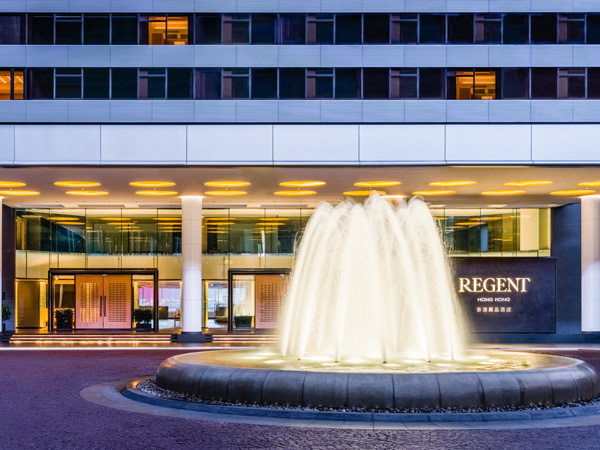
Regent Hong Kong
Experience five-star luxury at Regent Hong Kong. (Image: Courtesy Regent Hong Kong)

For starters, there was a harbour cruise on the city’s iconic junk boat Aqua Luna, which had its usual red sails replaced with the Regent-branded teal.

This was followed by a welcome dinner of astonishing abundance onsite at The Steak House, where the salad bar alone indulges almost every omnivorous whim you could conjure. And, since arriving one day ago, my consumption of Champagne and caviar has reached Russian oligarch levels.
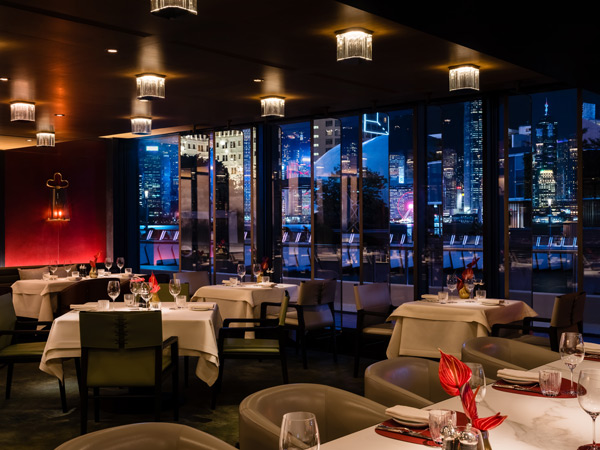
a fine dining setup at The Steak House
Stake out a spot at The Steak House.

One expects all stops to be pulled out when a hotel with such an enviable legacy emerges from a prolonged dormant state. But there’s something else going on here, too. It’s not simply the welcome return of the hotel brand’s Asian flagship; it also feels like a return of Hong Kong itself following years of lockdowns, political ambiguity, mother country pressures and economic upheaval.

In fact, ahead of my trip, I’d been met with plenty of those bared-teeth emojis, the one that conveys a ‘yikes!’ sentiment. Many people expressed concern for my welfare or at least the opinion that Hong Kong is not what it used to be. “It’s a shame what’s happened there," they said. “We’ll see," I replied, and set out to do just that.
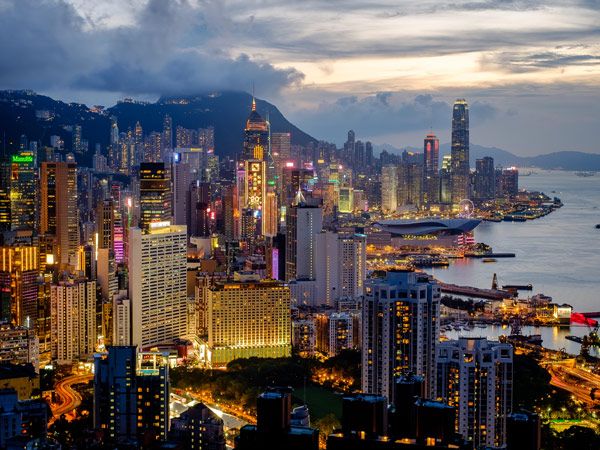
sunset over Hong Kong from Braemar Hill
Watch the sun set over Hong Kong from Braemar Hill. (Image: Alamy/James Wong)

I have loved Hong Kong in the past and I love it still. And yes, I was at a five-star hotel launch and a complete outsider to any political encroaches. But I felt entirely unthreatened and utterly invigorated by the energy when I hit the streets of Tsim Sha Tsui and other Kowloon locales. It’s a little quieter than I remembered, but the city is no less diverting.

You couldn’t find a more fitting symbol to herald in a new era of the Pearl of the Orient than this ultra-luxe waterfront hotel. The Regent brand has always blended the cultures of British colonialism and Chinese identity with grace and produces something that looks forward without ignoring the past, welcoming all as it does so.
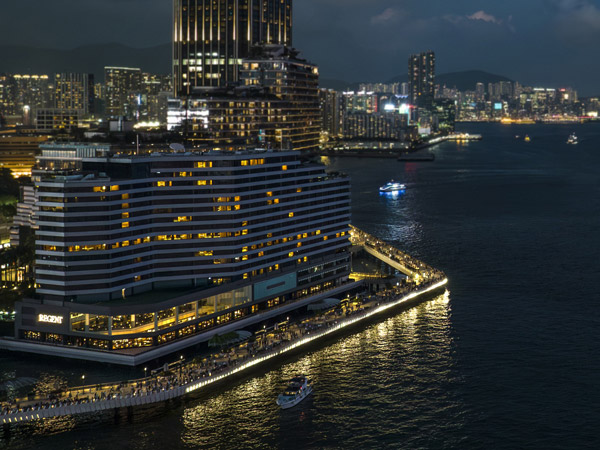
a night shot of Regent Hong Kong from above
Regent Hong Kong has been given a new lease on life. (Image: Courtesy Regent Hong Kong)

How Regent Hong Kong is redefining luxury

To fully absorb the importance of its resurrection, a little context helps. Regent Hong Kong first opened in 1981 and from the outset was intended to unlock new levels of luxury in Asia.

While its past timeline doesn’t unfurl as extensively as Hong Kong’s famous Peninsula Hotel, which opened in 1928, or the Mandarin Oriental in 1963, Regent redefined high-end hotels in the region and beyond, being regarded as one of the best in the world at the time.
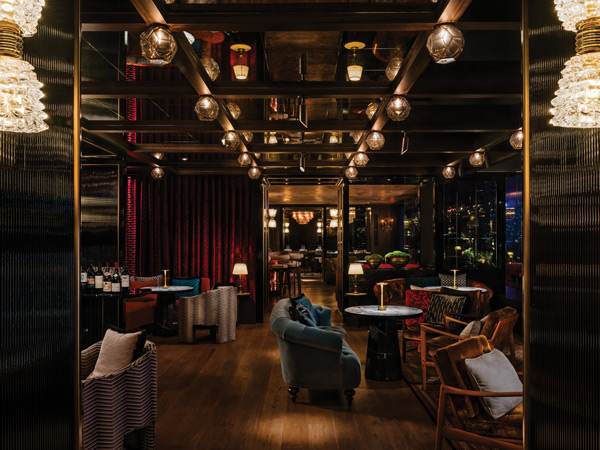
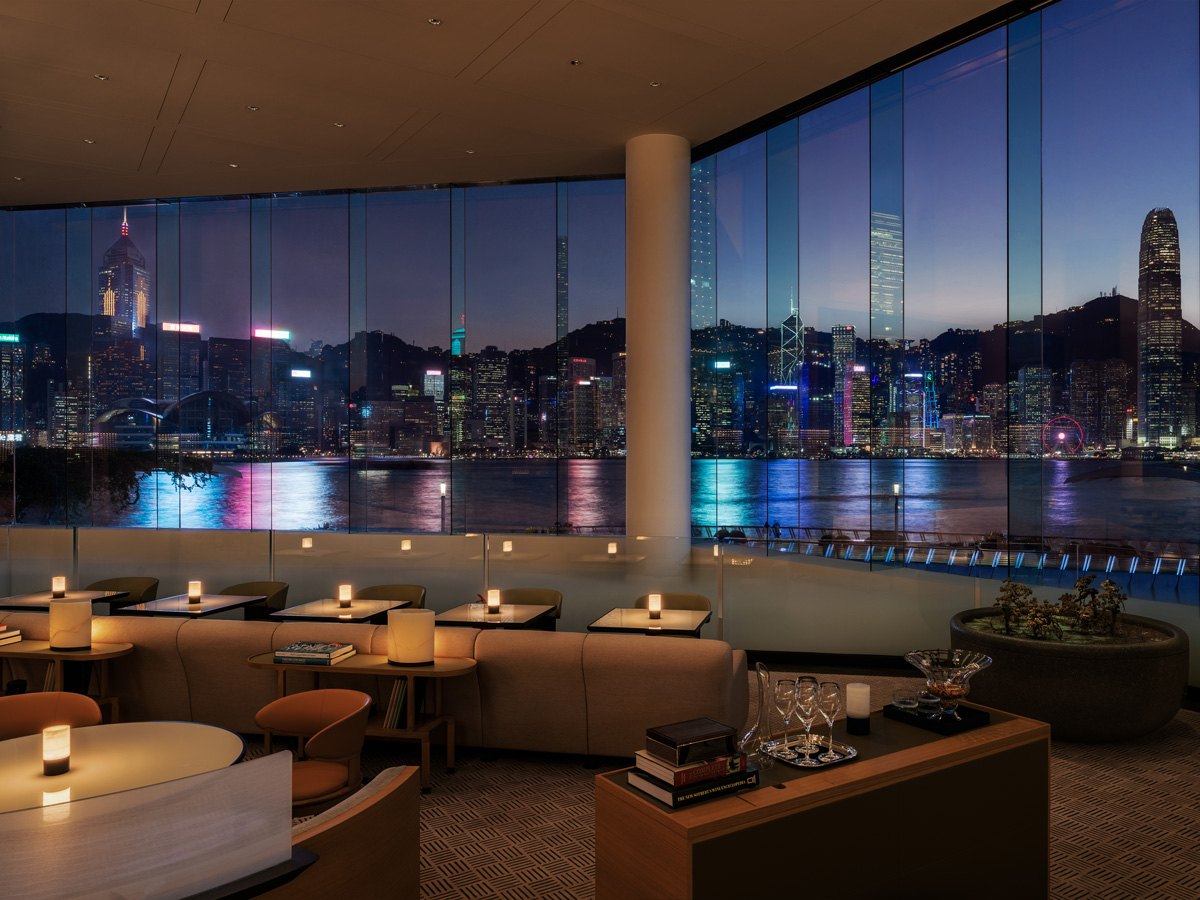
the elegant interior of Qura Bar, Regent Hong Kong
The hotel unlocks a new level of luxury in Asia. (Image: Courtesy Regent Hong Kong)

Aside from its covetable, absolute waterfront Victoria Harbour location in Kowloon, the place was set apart by Regent co-founder Robert H. Burns’ revolutionary approach to interiors, including ‘five-point bathrooms’ with separate shower and bath, and a no-chandelier policy to achieve a contemporary aesthetic.

Astonishingly, considering the ’80s preference for gilt edges, this hotel wasn’t about overt glitz, rather the location was to be the showpiece with the harbour and Hong Kong Island providing an ever-evolving artwork.

Regent Hong Kong
Look out over Hong Kong’s skyline from the bathroom.

Regent Hong Kong was thus swiftly allotted space in the hearts of locals and travellers alike. Its vast ballroom accessed by the white marble ‘Fred and Ginger’ staircase features in many Cantonese family photo albums, having been the venue of choice for generations of celebrations.

Side note: the gentle curve of the staircase and its soft allusions to Hollywood glamour has remained as a link between the old and new Regent. Now, though, the permanent red carpet that once cloaked the steps has been rolled away and, on the opening night gala, the polished stone gleams like whitened teeth, causing anxiety to those not proficient in stilettos (hand goes up).
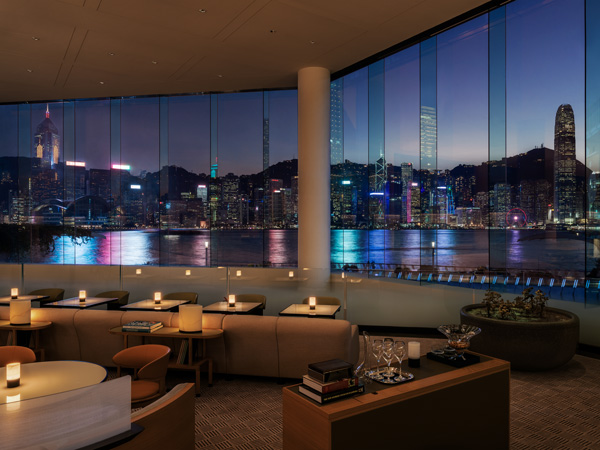
Regent Hong Kong
The hotel exudes luxury in every space.

After trading for 20 years, the hotel was sold in 2001, morphing into the InterContinental Hong Kong. Then 17 years and some corporate gymnastics later, Regent Hotels and Resorts was acquired by the InterContinental Group and the idea was seeded to return the beloved Regent to the people of Hong Kong.

Dovetailing with pandemic closures, the InterContinental closed for business and the building was cocooned to begin its rebirth as Regent 2.0. Enter hotel manager Michel Chertouh and his team who were tasked with finding an elegant balance between legacy and modern relevance. To help with that, Hong Kong-born, Milan-based architect Chi Wing Lo was enlisted to curate the transformation of the 497-room property.
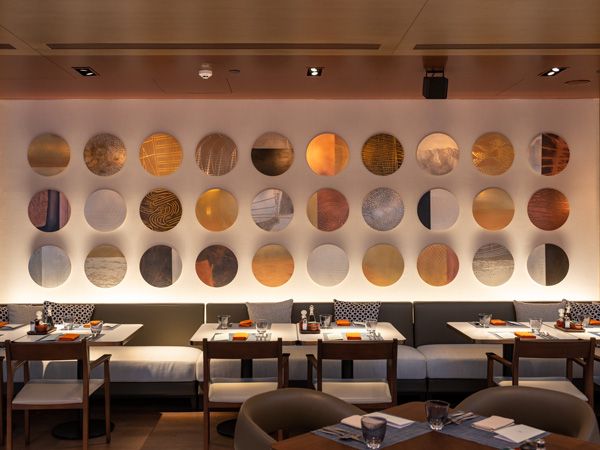
Regent Hong Kong
Unique design touches flourish at Regent Hong Kong.

The story behind the design

Lo is a Harvard-educated artisan with his own furniture atelier, Dimensione Chi Wing Lo, in Milan. He fondly remembers the Regent from his Hong Kong upbringing as the location of choice for auspicious gatherings. And while he’s not lived in the region for years, his beautifully minimal aesthetic is folded with an inherent Chinese sensibility, representing the ideal tool with which to smooth the edges between old and new.

Dressed immaculately in white linen and holding court with his calm quietude and relaxed generosity, Lo explains his approach as we tour the palatial, two-storey Presidential Suite the morning after the opening gala (cue more Champagne and caviar and influencers jostling for space on the outdoor terrace).
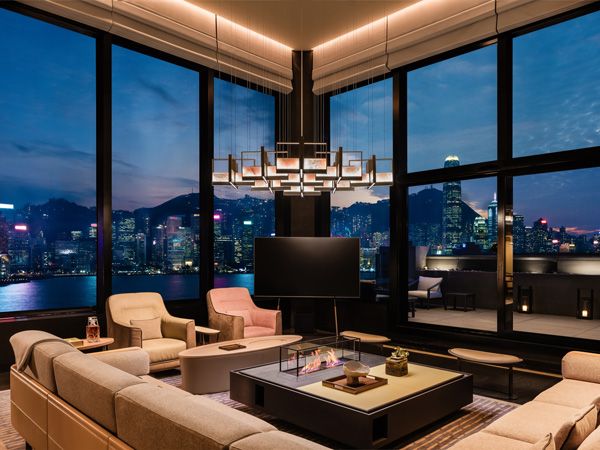
the Presidential Suite at Regent Hong Kong
The Presidential Suite is regarded as one of the best rooftop penthouses in the world. (Image: Courtesy Regent Hong Kong)

The brief Lo was given stipulated the use of a Forbidden City colour scheme (think plenty of red), perhaps to represent a clear signpost of Hong Kong’s future. But, smiling knowingly, he said, “No, I’m not doing that" with the air of a master who understands a nuance you can’t hope to perceive.

And he did not. Instead, the interiors are carefully restrained and intentionally muted. But there is no missing the cultivation of a contemporary Cantonese aesthetic.

“The spirit of culture is much deeper than a surface colour," says Lo. He selected a minimal palette, believing instead that you, the guest, bring the colour, with the room simply a backdrop. “You have to look in your heart and present what you believe. I asked them to believe what I believe," he says of his client.

Looking around at the clean lines, meticulous but spare details and soothing tones, his belief was clearly persuasive. That’s not to say obvious Forbidden City motifs aren’t present. Indeed, each room has a metal-studded, castle-style door. Wooden screens and ceramics feature throughout. And Chinese forms are braided into a design that is wonderfully calming, highly functional and ultimately timeless.
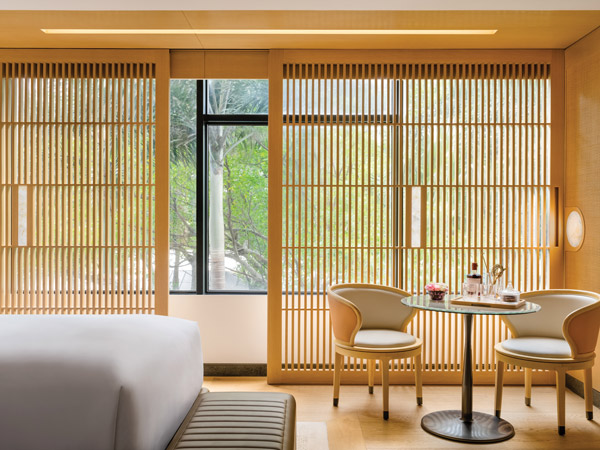
the premium twin room at Regent Hong Kong
Wooden screens add a sense of privacy to rooms. (Image: Courtesy Regent Hong Kong)

Lo speaks of a formula made up of quietude, decadence and function, which he used to furnish the Regent to great effect. He wanted to create a restful haven from the frenetic thrills of the city beyond. Because the bones of the building couldn’t be altered too much, it was important to give a sense of space and this was achieved by ensuring much of the furniture ‘floats’ rather than being anchored on the ground.

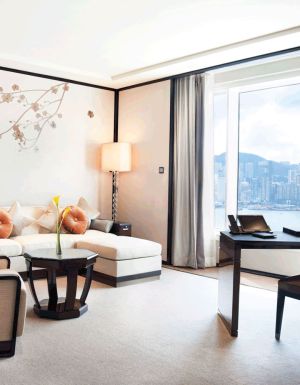
He kept those five-point bathrooms vast and indulgent, but repositioned everything to hero that most absorbing of harbour views, including luxurious window-seat day beds.
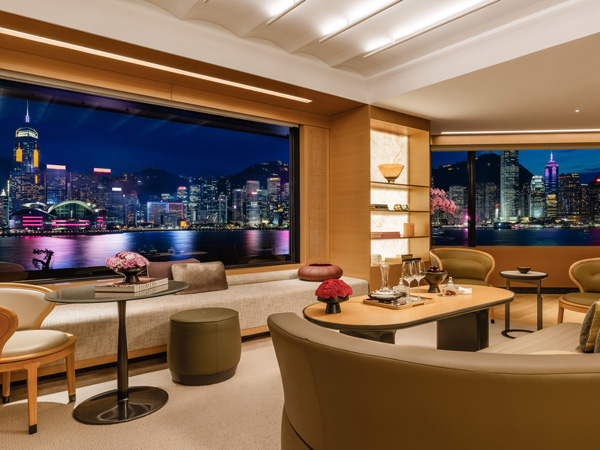
Regent Hong Kong's corner suite overlooking the Victoria Harbour views
The hotel’s expansive Corner Suite has killer views over Victoria Harbour. (Image: Courtesy Regent Hong Kong)

Delicately selected artworks feature throughout the hotel, echoing former glories and celebrating new approaches. There’s the lobby’s grand Golden Illusion installation inspired by Liu Li glass art, which filters golden light through 16 floor-to-ceiling glass brick panels like a vertical chandelier.

And the tranquil bronze Drizzle sculpture of a lotus pond in rain. The Spirit of Regent Retrospective montage, on display in the lobby, is a piece that honours the original Regent’s art collection presented in a contemporary digital format.
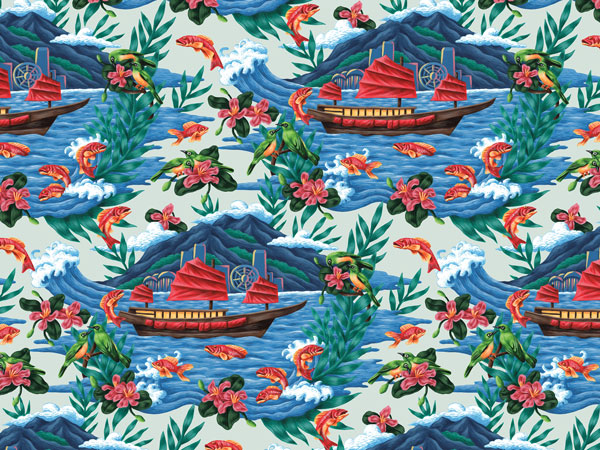
a handpainted artwork, A Legend Reborn for Regent Hong Kong
A Legend Reborn hand-painted artwork for Regent Hong Kong. (Image: Saddo)

For Lo, spaces, people and ideas have been woven together to create this new Regent. As I pan the colour in the room brought by the invited guests on opening night, his intent is revealed in startling clarity. The interiors needn’t speak for everyone or to anything, they need only provide a stage for Hong Kong’s spirit to dance upon. And in the absence of competing colour, the billowing garb of the acrobats outside unmistakably recalls the hue of the Forbidden City.
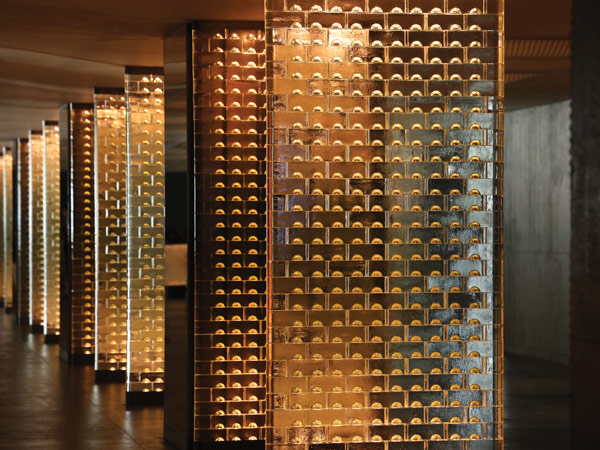
the Golden Illusion installation at Regent Hong Kong
See the lobby’s majestic Golden Illusion installation. (Image: Courtesy Regent Hong Kong)

Weekly travel news, experiences
insider tips, offers,
and more.

Your Hong Kong hit list

Ogle antiquities and intricately painted ceramics of bygone Chinese Dynasties at the jewellery-box-like Hong Kong Palace Museum, perched on the harbour. Joining the Palace Museum in the West Kowloon Cultural District is the modernist M+, dedicated to all forms of modern visual art, design and culture.
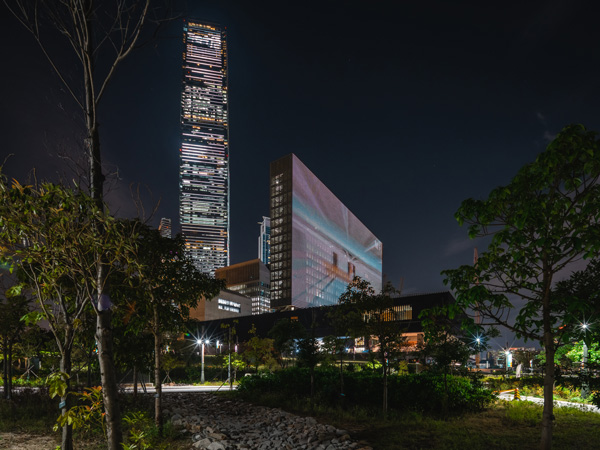
the M+ museum in the West Kowloon Cultural District
M+ museum forms part of the West Kowloon Cultural District. (Image: Kevin Mak)

Shop K11 Musea, a beacon of the haute and the hip in Victoria Dockside, is connected to Regent Hong Kong – so you can easily duck out for those last-minute Louboutins.
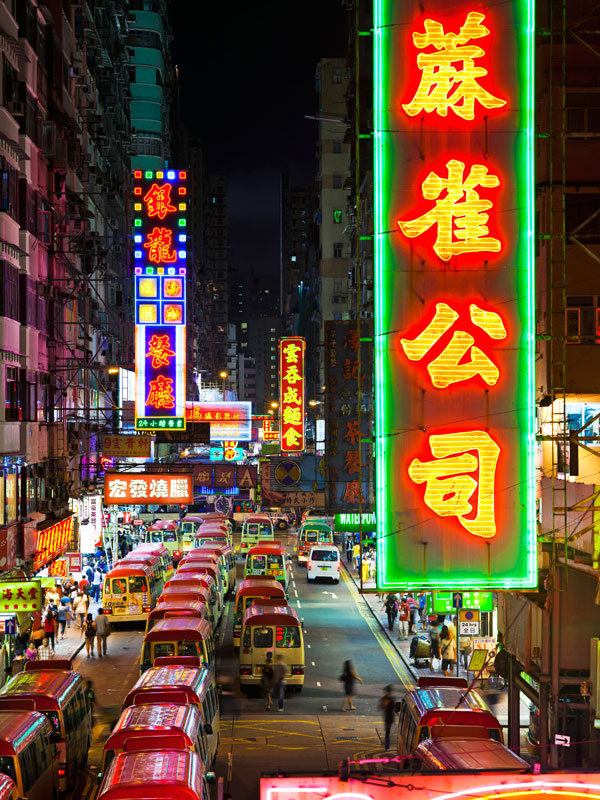
the neon-lit maze of Mong Kok in Kowloon
See the neon-lit maze of Mong Kok in Kowloon. (Image: Gavin Hellier)

Don’t pass on the Regent’s Lai Ching Heen. With its 40-year-long legacy as the top place for a special night out, the Michelin-starred Cantonese fine diner is a must.
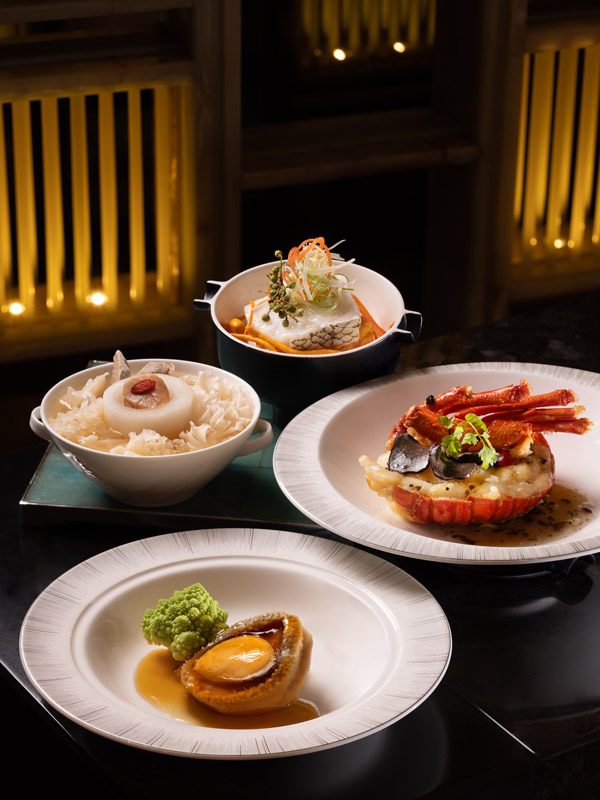
Cantonese cuisine at the Regent’s Michelin-starred Lai Ching Heen
Expect elevated Cantonese cuisine at the Regent’s Michelin-starred Lai Ching Heen. (Image: Henrik Hui)

Want to see more stories from International Traveller in your Google search results?

  1. Click here to set International Traveller as a preferred source.
  2. Tick the box next to "International Traveller". That's it.
hero media

These community homestays are changing how travellers experience Nepal

    After youth-led protests in 2025, this year Nepal elected a 35-year-old former rapper as Prime Minister. In a country where tourism is its biggest industry, what’s next for travellers? 

    In 1986, Nepal changed its clock. It had used India Standard Time since 1920 so, to differentiate, it wound its clock 15 minutes ahead of, not behind, its big-brother neighbour. Boss move. “Nepal is strongly opposed to the idea that our identity is connected to India,” says Community Homestay Network (CHN) guide Bikal Khanal.  

    Tharu dance
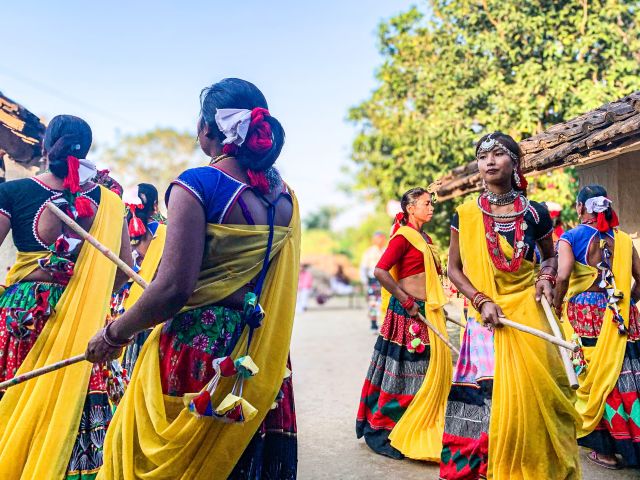
    Tharu dance is traditionally set to hand drums. (Credit: Kate Lewis)

    Today, Nepal is the only independent country with a 45-minute deviation to universal time; an oddity that’s become a symbol of national pride. The quirk is nearly as endearing as Kathmandu’s Tribhuvan airport where carved varnished wood and shiny red bricks rule. One sign points to a ‘Travelator’ and another to a ‘Grievance Handling Desk’ while visas are noisily stamped at customs for US dollars, cash only. When am I?  

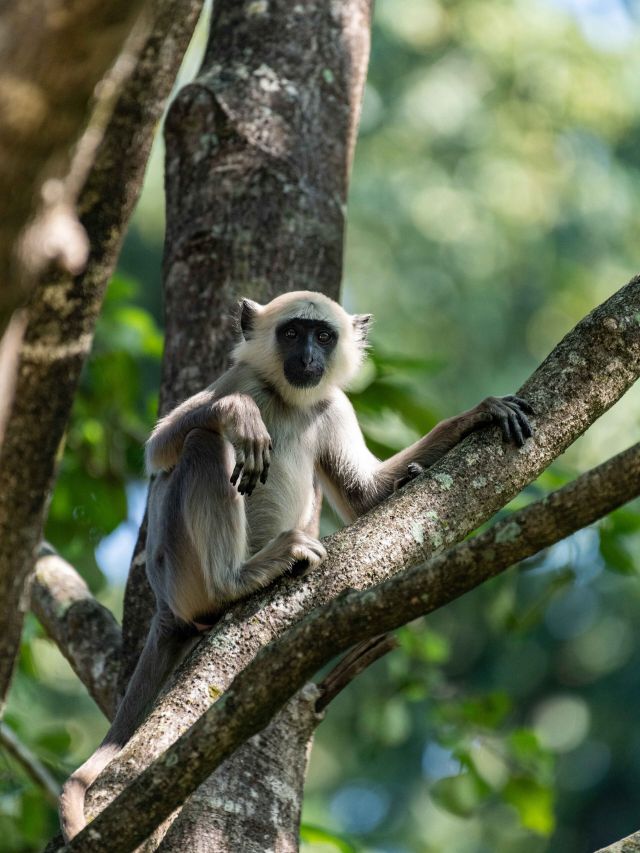
    Nepal gray langur
    Spot the endemic Nepal gray langur. (Credit: Simon Urwin)

    The 15 or 45 minute anomaly sees me tap out completely on timezone calculations. Why bend my brain calculating if it’s quarter to or quarter past elsewhere when I’m in the honking here and now of Kathmandu where the air is high-altitude crisp, the prayer flags flutter and the street dogs howl?  

    How tourism is changing in Nepal

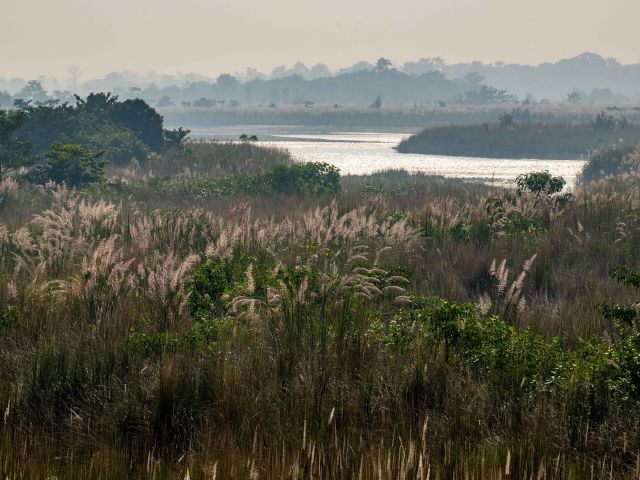
    Bardiya National Park
    Bardiya National Park is rich with wildlife. (Credit: Simon Urwin)

    India is not the only association many Nepalis would like to shake. With eight of the world’s 10 tallest mountains, including Mount Everest and Annapurna, Nepal has long attracted mountaineers and trekkers, and expedition numbers are continuing to rise.  

    Tourism is one of the country’s biggest sources of foreign currency, so this growth is not negative, per se. But according to Ang Tshering Lama, who co-founded Phaplu Mountain Bike Club, being reduced to a mere trekking destination is limiting.  

    “Trekking is just one layer of our identity,” says Ang. “When it becomes the dominant narrative, it limits how we’re seen and how we see ourselves.” Nepal’s recent success, however, in diverting trekkers to less-trafficked areas such as Manaslu mofuntain, where visitor numbers rose by 117 per cent last year, offers hope that tourism can diversify even more radically.   

    Local men in Bhada village
    Local men in Bhada village. (Credit: Simon Urwin)

    The founder of CHN, Shiva Dhakal, wants that change. “The whole idea of the Community Homestay Network is to promote experiences outside of trekking,” he says. “Community tourism changes lives and helps kids stay home instead of coming to the city or migrating to the Middle East.”  

    Ang grew up seeing people leave, “not because they wanted to but because there weren’t enough opportunities to stay”, he states. Yet from remote villages to living traditions; food, art, music and emerging subcultures, “there’s so much that’s not being seen.” 

    CHN is opening some of those doors. It doesn’t own, or fund, any homes. Rather, it promotes homestays to travellers on a single, slick platform, while fostering entrepreneurship in places where women, marginalised castes, Indigenous people and the youth stand to benefit the most.  

    A new generation demanding more

    Dalla Town Hall
    Dalla Town Hall, where volunteers discuss anti-poaching tactics. (Credit: Bheem Thapa)

    The future prospects of next-gen Nepalis can no longer be ignored. On a Kathmandu tour with 33-year-old guide Monica K.C, we pass buildings torched in the September 2025 ‘Gen Z protests’, including the Supreme Court and Parliament House. Seventy-two people died. “They were anti-corruption protests,” says Monica. “Politicians’ children are living a lavish life but the airports are crowded with youngsters leaving to find work.”  

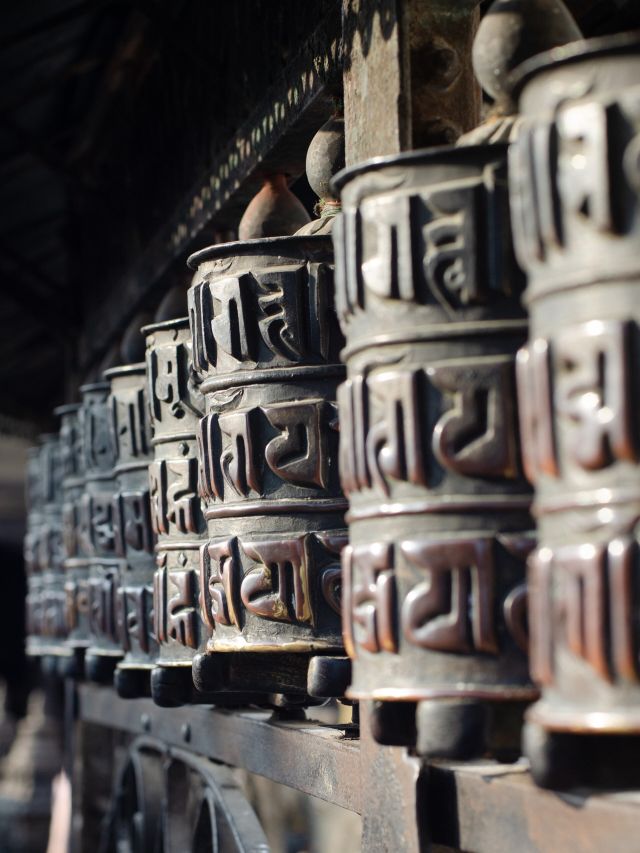
    We stop in ‘little Tibet’ at the wondrous sixth-century Boudha Stupa. “The wheel of life is Buddhism in a nutshell,” says Monica. “Things such as hate, ignorance and anger keep you rotating around the wheel, so you must follow the principles of Buddhism to detach. If you can’t, there’s no nirvana for you.”  

    Boudha Stupa's prayer wheels
    Boudha Stupa’s prayer wheels are used to recite Buddhist prayers. (Credit: Kate Lewis)

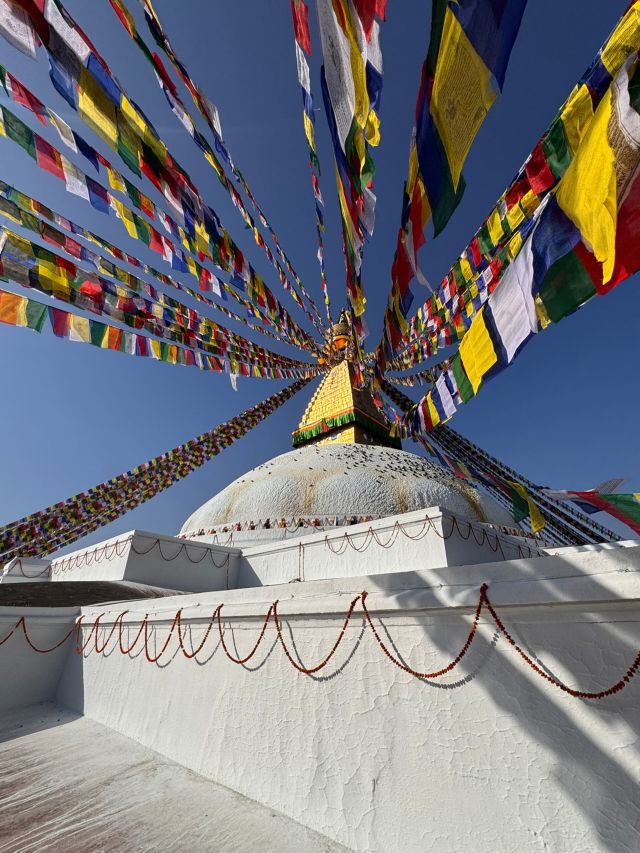
    In a sun-drenched twist to the usual temple visit, we ascend the stupa’s sloping plinth and roam its whitewashed dome. Tendrils of diaphanous prayer flags stream from a steeple-like structure where the Buddha’s unblinking eyes stare out. No nirvana for you… 

    bouda stupa prayer flags
    Tibetan-style prayer flags embellish the whitewashed dome of Bouda Stupa, a Buddhist temple. (Credit: Kate Hennessy)

    The dome is delightfully free of guard rails or chiding from security. There is, however, a stern ‘No TikTok’ sign, perhaps in response to the youth’s newly flexed power. The booted-out Prime Minister, K.P. Sharma Oli, was replaced in a resounding election victory in March by 35-year-old Balendra Shah of the Rastriya Swatantra Party (RSP) – a former rapper and mayor of Kathmandu. The RSP’s manifesto indicates tourism is a priority, and that Nepal’s cultural identity in areas such as gastronomy will be strengthened.  

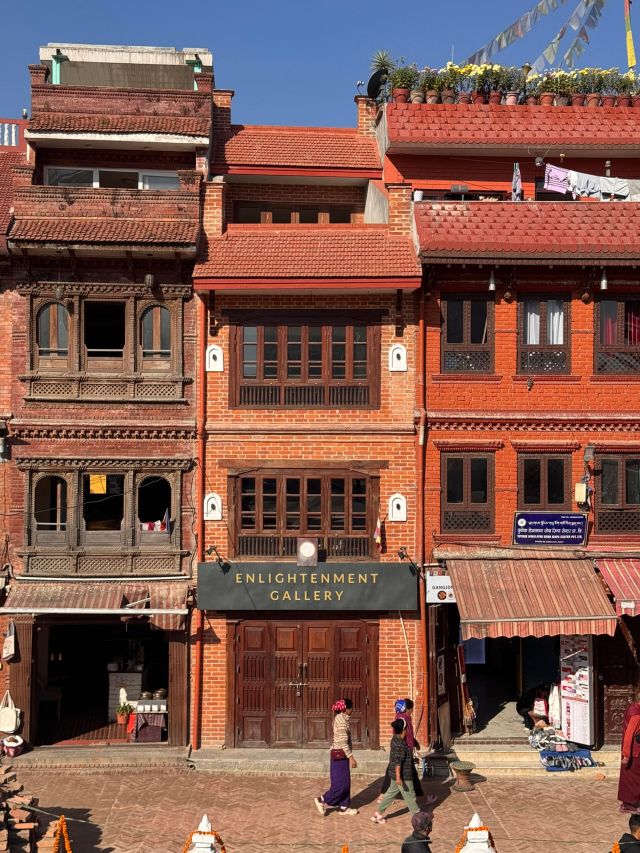
    Boudha Stupa vendors
    Vibrant souvenir shops and cafes around Boudha Stupa. (Credit: Kate Hennessy)

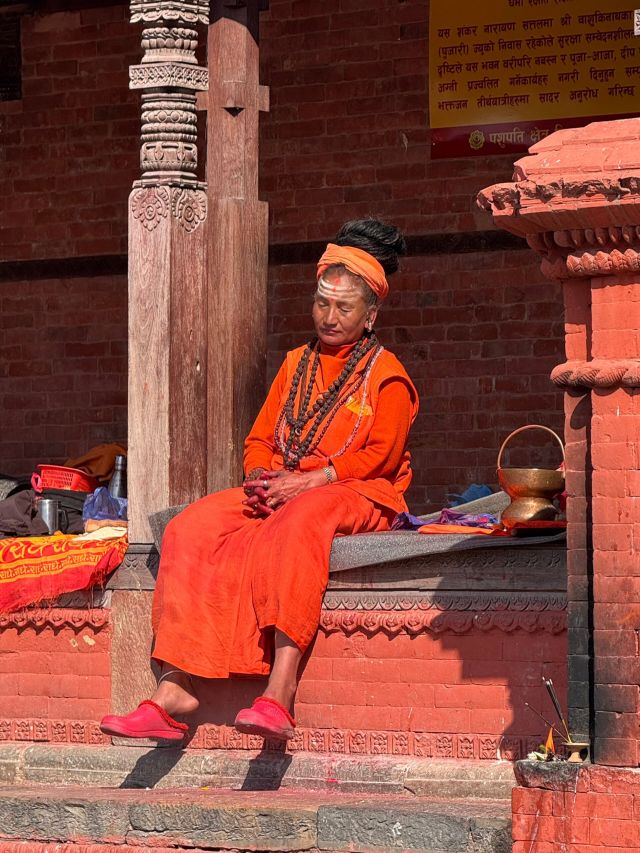
    A more confronting stop awaits at Pashupatinath Temple. Today is Bala Chaturdashi, a Hindu festival where thousands of devotees gather to honour their dead ancestors. Vendors hauling foam mattresses do a lucrative trade as people set up for a night of vigil. This includes burning the bodies of recently deceased relatives on bamboo pyres in the Bagmati River, which flows into the sacred Ganges.  

    A woman at annual Hindu festival Bala Chaturdashi
    A woman at annual Hindu festival Bala Chaturdashi, in Kathmandu. (Credit: Kate Hennessy)

    Wrapped in a shroud, the bodies are positioned with their heads facing north to the Himalayas where Lord Shiva resides. They’re covered with flowers and straw and set alight by male family members.  

    Hours later, the ashes are swept into the river where devotees will take a holy dip the next day. As much as Monica assures us it’s not voyeuristic to watch, I struggle to do so. “Here you see the reality of life because everyone ends up there,” she says, gesturing to the river.  

    Life unfiltered in the Terai region

    tharu woman
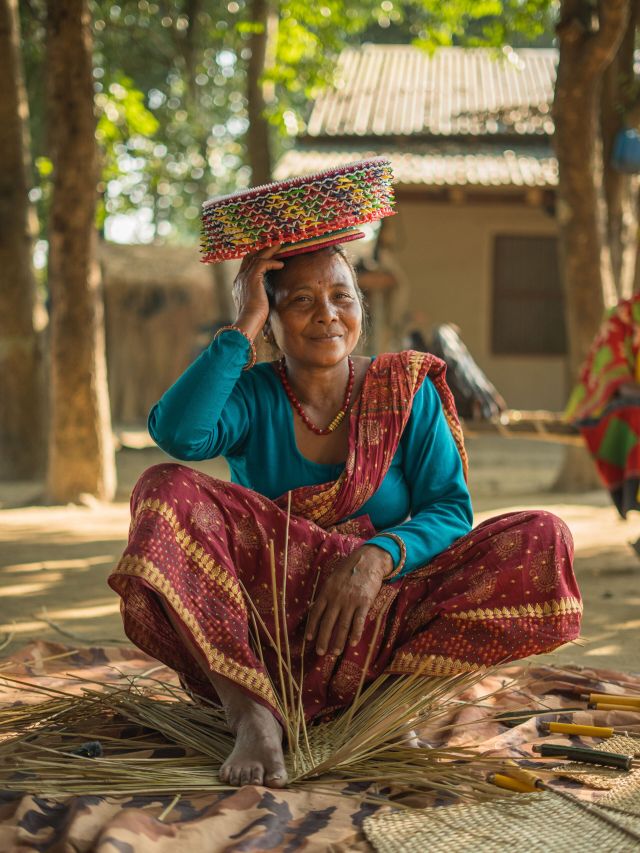
    Tharu woman and master weaver Parbati Chaudhary in Bhada Village. (Credit: Bheem Thapa)

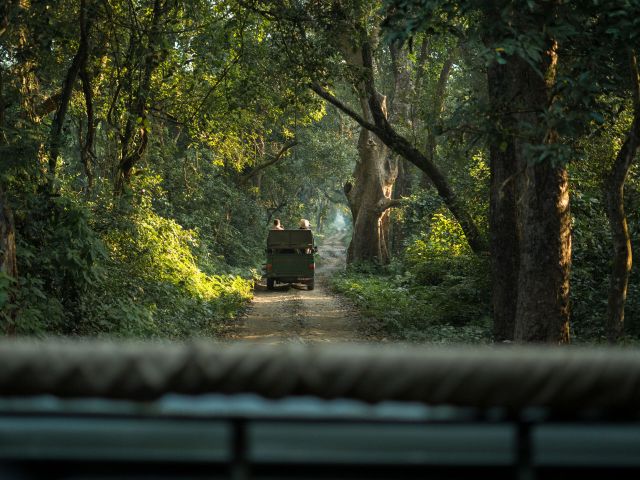
    The reality of life needs processing time, which the western Terai region delivers in spades. The Terai is largely separated from India by the Karnali River and Bardiya National Park, where elephants, rhinos and the elusive Bengal tiger roam.  

    Once a nomadic tribe, the Indigenous Tharu people are now the largest ethnic group here. “They didn’t know their daily life was interesting for international travellers but they’re starting to understand now,” says CHN founder Shiva.  

    safari through Bardiya National Park
    Take a Jeep safari through Bardiya National Park. (Credit: Bheem Thapa)

    We fly Buddha Air to Dhangadhi airport and drive five hours to stay in Tharu homes. The journey to Bhada village is a blur of roadside fruit stalls, traffic-stopping sacred cows and fields sown with wheat, rice, mustard, spinach, cauliflower and potatoes. Nepal’s agriculture feeds only Nepal.  

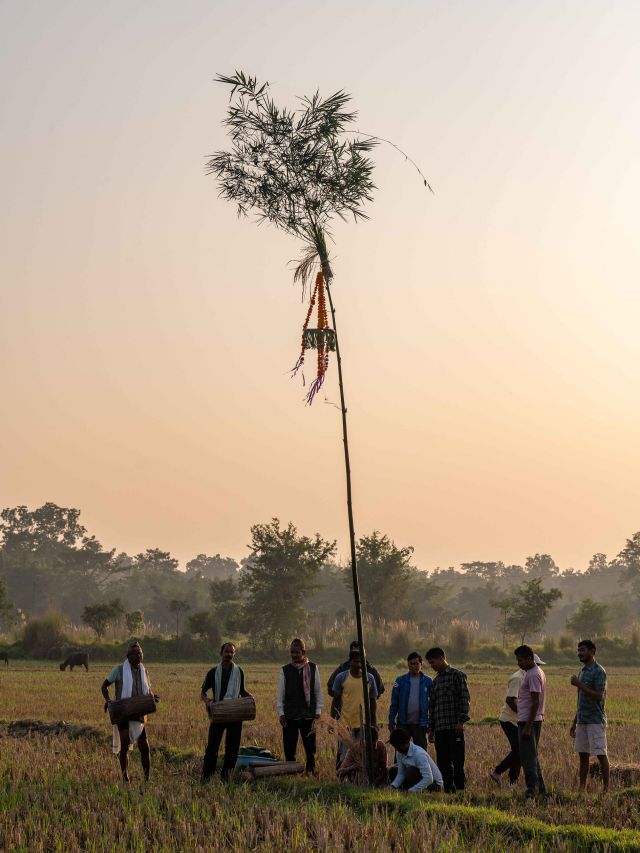
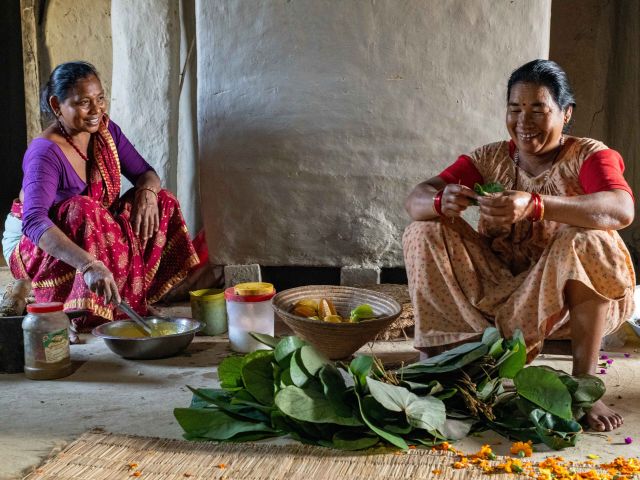
    Marigolds
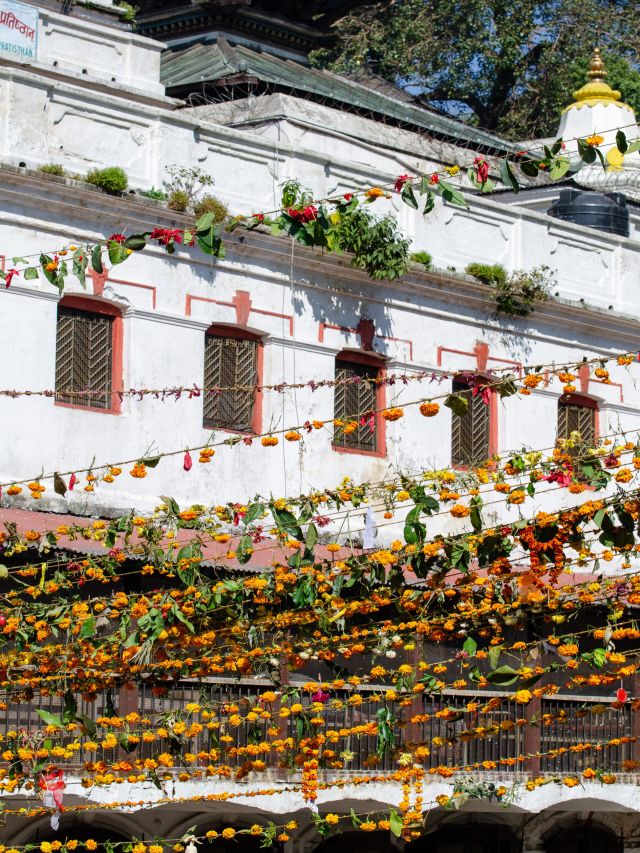
    Marigolds are an important part of Hindu rituals. (Credit: Simon Urwin)

    “The only thing we export is young people,” says our guide Bikal. As the light dims and we plunge evermore rural, mysterious mounds of compacted hay – some house-sized – loom like the creatures from Where The Wild Things Are. Even our trusty driver gets flummoxed by a dirt road that abruptly ends and we find ourselves hurtling across a paddock.  

    On arrival, some are ferried to mud-walled cottages greened by gourd creepers, with thatched roofs and rustic-chic mosquito nets. Myself and two others are ushered to the home of corner store owner, mechanic and mushroom farmer Man Kumar Chilaruwa and his wife Rajkumari.  

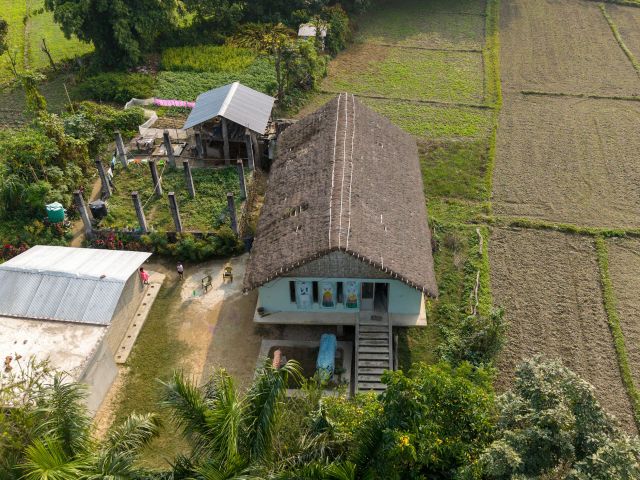
    community homestay entrance
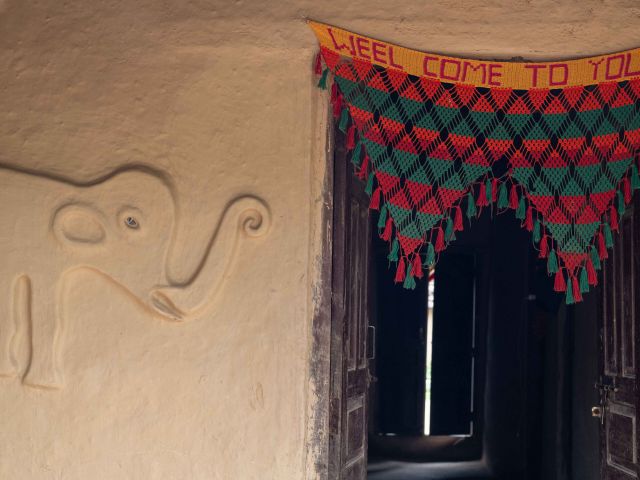
    A warm welcome at a community homestay. (Credit: Simon Urwin)

    They escort us to a bunker-esque back building with steel doors and a folding security gate, behind which is gleaming linoleum, dolphin-printed tiles and a shower cavity that must be gingerly stepped through to reach the toilet.  

    The ceiling lights emit a rainbow of colours (the bathroom light gets stuck in, frankly, a quite frightening red). We’re nevertheless touched that our hosts invested in all this bling when the average salary is around $275 a month.  

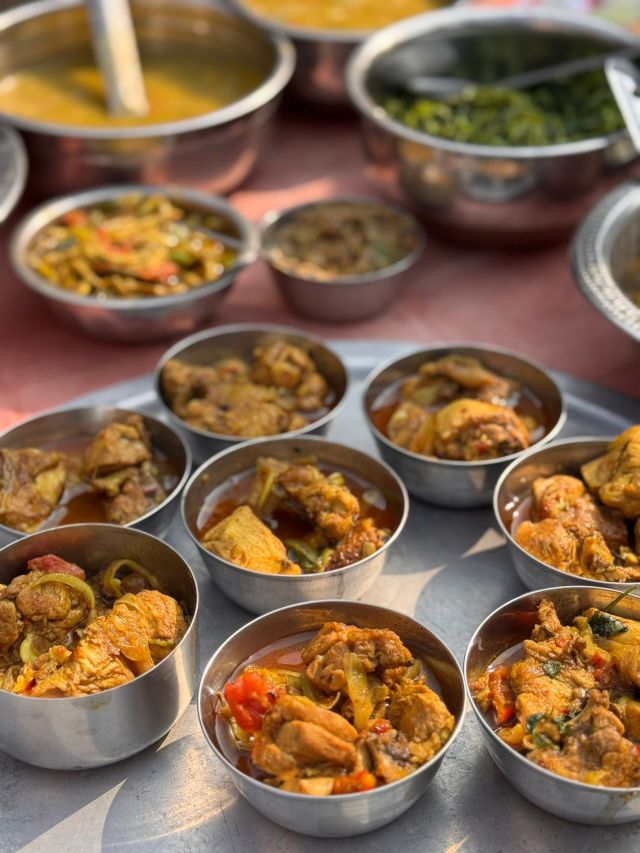
    In the coming days, we participate in Tharu traditions such as making moonshine, dancing, weaving straw handicrafts and gold-panning. We’re fed well with staples of rice, mustard greens, lentil pancakes, daal, curried chicken and tomato chutney served on antibacterial saal leaves.  

    food at community homestay
    Dig in. (Credit: Kate Hennessy)

    Sonara community homestay president Indradevi Tharu tells us river snails are often served, and the boiled and pickled flesh of rats hunted in the rice fields. “Perhaps next time?” we say and all have a laugh.  

    The power of community homestays 

    community homestay owners in Nepal
    Barda community homestay owners Parbati Chaudhary and Ram Krishni Devi Chaudhary. (Credit: Simon Urwin)

    Immersing Western visitors in foreign cultural practices is not new. But with the Tharu, I never get that uneasy sensation that I’m being performed for. Despite being the only tourists, there’s no ‘othering’; just warm, composed and ultra-dignified welcomes. Like we’ve always been here.  

    “I love to have travellers in my village so I can see the world,” says local woman Parbati Chaudhary. “Why would I travel the world when the world comes to me?” 

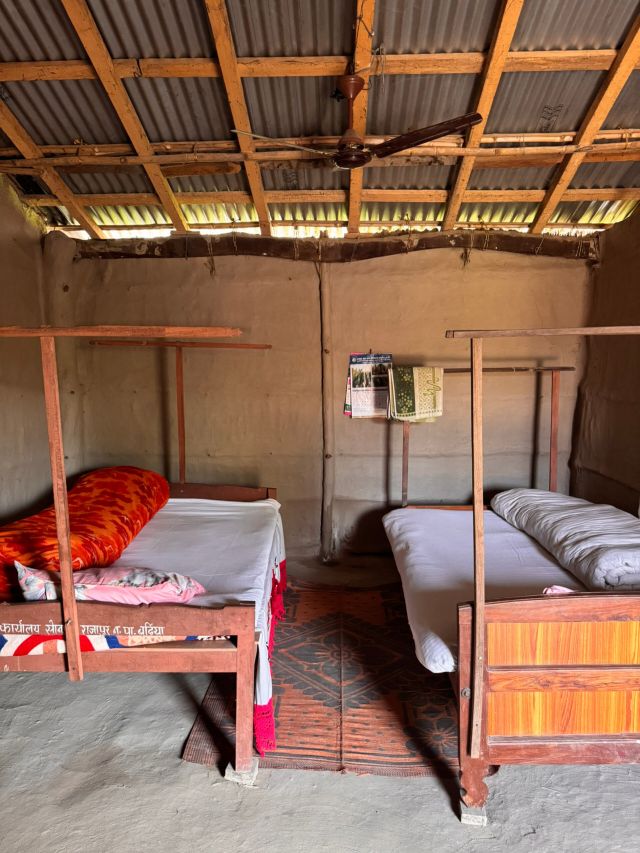
    The graceful acceptance the Tharu offer, as well as the slow pace, works miracles on my frazzled nervous system. One day I even take a nap on a vacant homestay bed. 

    Sonara community room
    An authentic stay in the Sonara community. (Credit: Kate Hennessy)

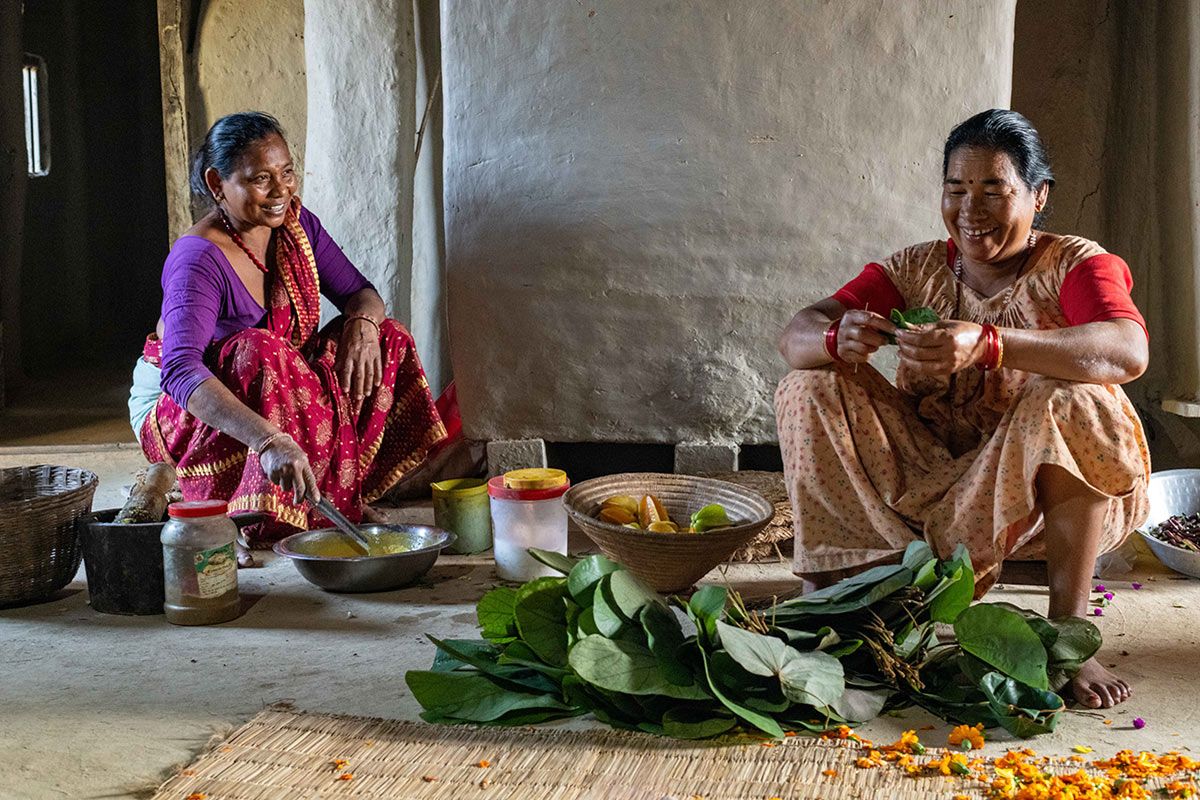
    Roosters strut and goats bray as we sit on the ground in al fresco kitchens, rolling rice flour into cylinders steamed to make dhikri (dumplings). When water is needed, we fetch it using a hand-operated pump as a family of ducks strolls by, side-eying us like curious neighbours.  

    Animal lovers will delight in Tharu villages. Kind and resourceful inventions are everywhere, such as snacking stations where two posts lean together, with leafy boughs dangling on rope for baby goats to forage from.  

    CHN’s CEO, Aayusha Prasain, nods knowingly when one in our group says she cried when she left her host, Shayam Chaudhary, in Bhada. Shayam’s 17-year-old son, Prashant, had translated, which deepened the connection.  

    “Community tourism turns travel into a relationship, not a transaction,” says Aayusha. “It places decision-making power in the hands of local communities, especially women and youth.” Since 2018, CHN has hosted more than 4000 travellers from 52 countries in 408 households, and estimates women’s participation has increased by 381 per cent.  

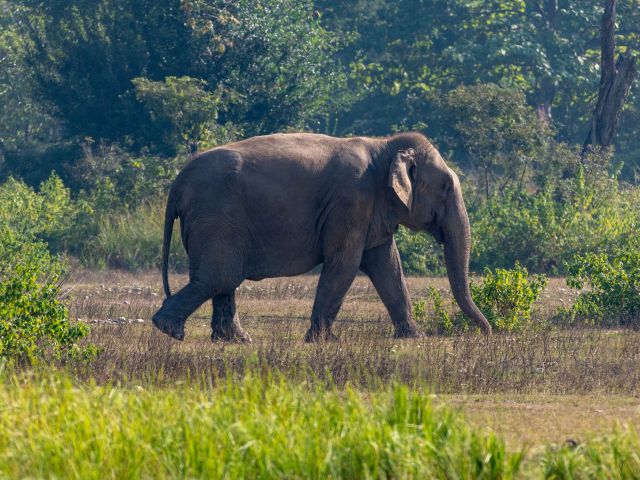
    Elephant watch
    Elephant watch. (Credit: Simon Urwin)

    In the Bardiya community, where vexing human-animal conflict has been a balancing act for decades due to elephants raiding crops, long-time homestay operator Salik Ram Chaudhary says young people keep the older ones on their toes.  

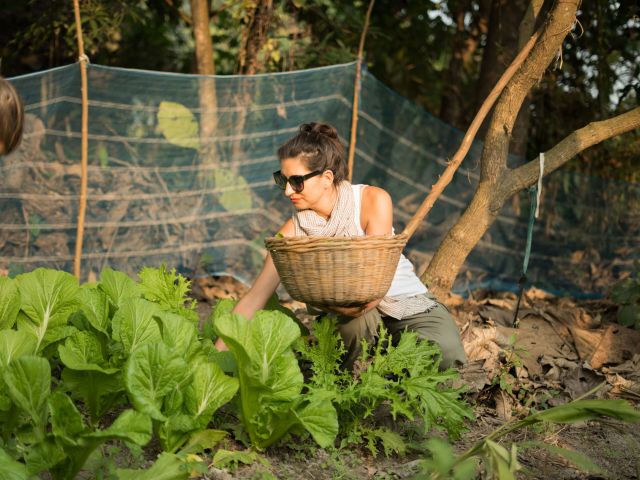
    Gathering greens
    Gathering greens. (Credit: Bheem Thapa)

    “We can’t keep homestays stagnant,” he says. “We have to upgrade our service and redefine our product or young people won’t see it as an attractive business. If we can keep evolving with this travelling trend we’re confident the youths will stay and continue it.” 

    Back in Kathmandu, Monica explains that after the deaths of young protestors in September, a determination had spread to not let their sacrifice be in vain. “We want to keep holding the government accountable,” she says. “We don’t know what situation we’re facing, but we’re ready to face it.”  

    Interested in Nepal but prefer to experience it in total comfort? Read our guide to luxury travel in Nepal

    Regent Hong Kong's Grand Transformation - International Traveller