All eyes are on Egypt after the recent discovery of a pharaoh’s tomb, the first to be excavated since Tutankhamun’s in 1922. But it’s just the latest development stoking interest in this ancient land. Here’s why Egypt is shaping up to be a must-visit destination for 2025.
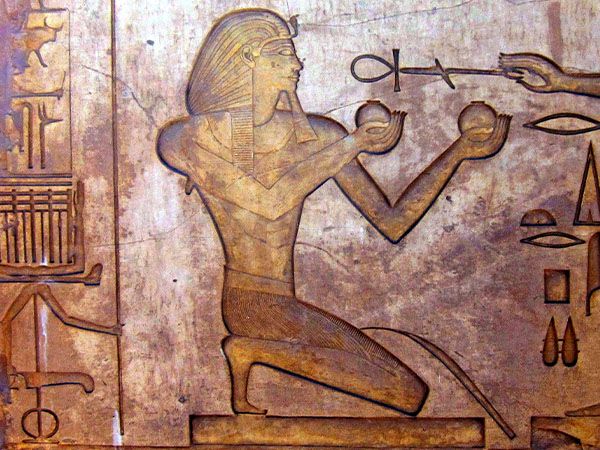
The recent excavation of a 3500-year-old tomb belonging to Thutmose II is the first royal rock-cut tomb to be unearthed since Tutankhamun, over 100 years ago. Thutmose II’s burial chamber, which is painted blue with stars on the ceiling, was excavated in the Valley of the Kings, a famous burial site for pharaohs who reigned between the 18th and 20th dynasties.
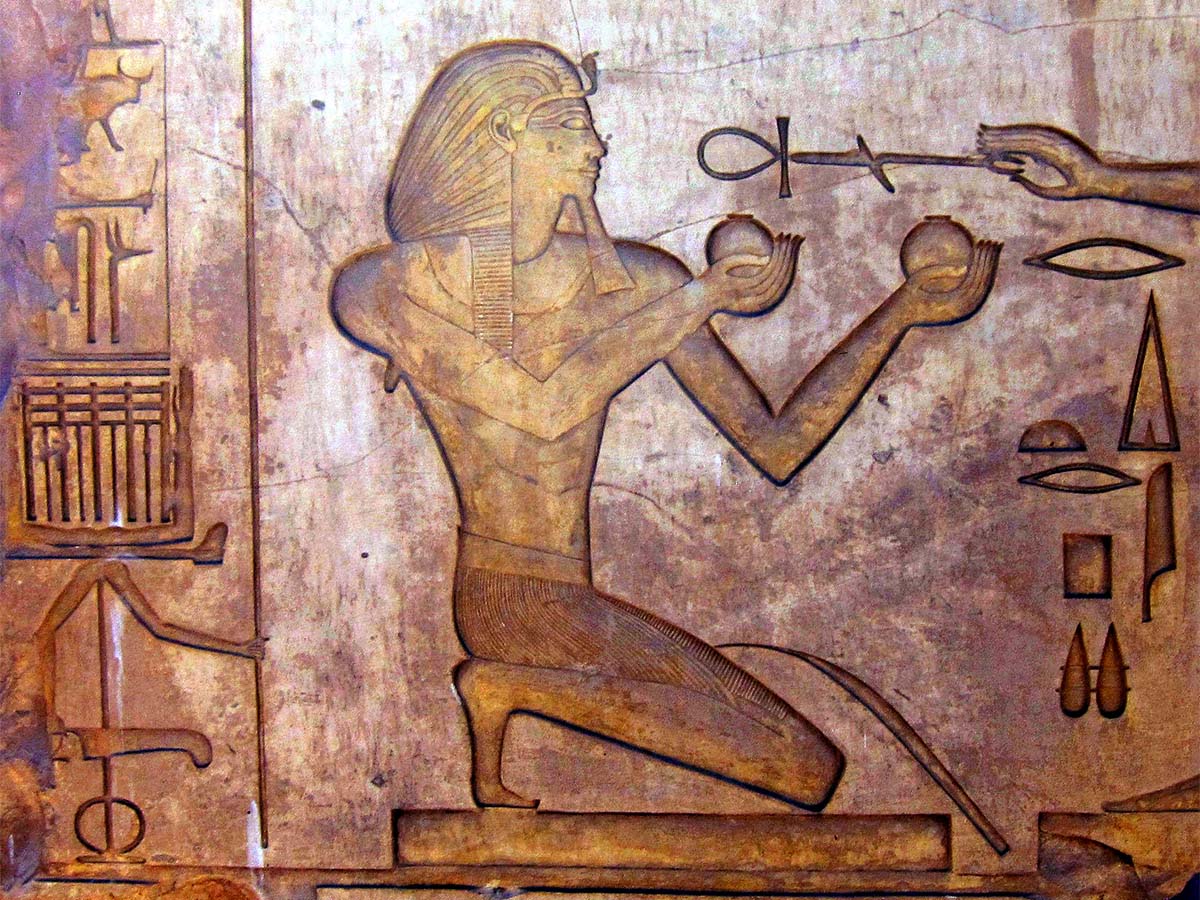
Although Thutmose II reigned for several years (some time between 1493 and 1479 BC), he is known as the ‘missing pharaoh’ due to relatively little being known about him. He’s been overshadowed in the historical record, particularly by his wife Hatshepsut (the second reigning queen in Egyptian history). The status of Thutmose II as a ‘missing’ pharaoh makes the discovery of his tomb even more incredible, providing one more piece of the puzzle to the Ancient Egyptian world. To this day, there are only a few pharaoh tombs in the area that remain unknown. And after 100 years of searching, one more mystery has been solved.
Another reason to visit Egypt in 2025
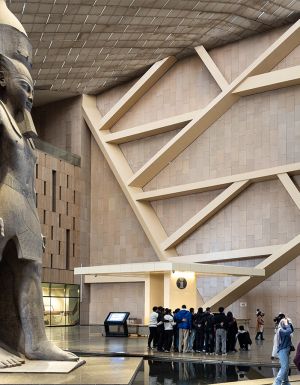
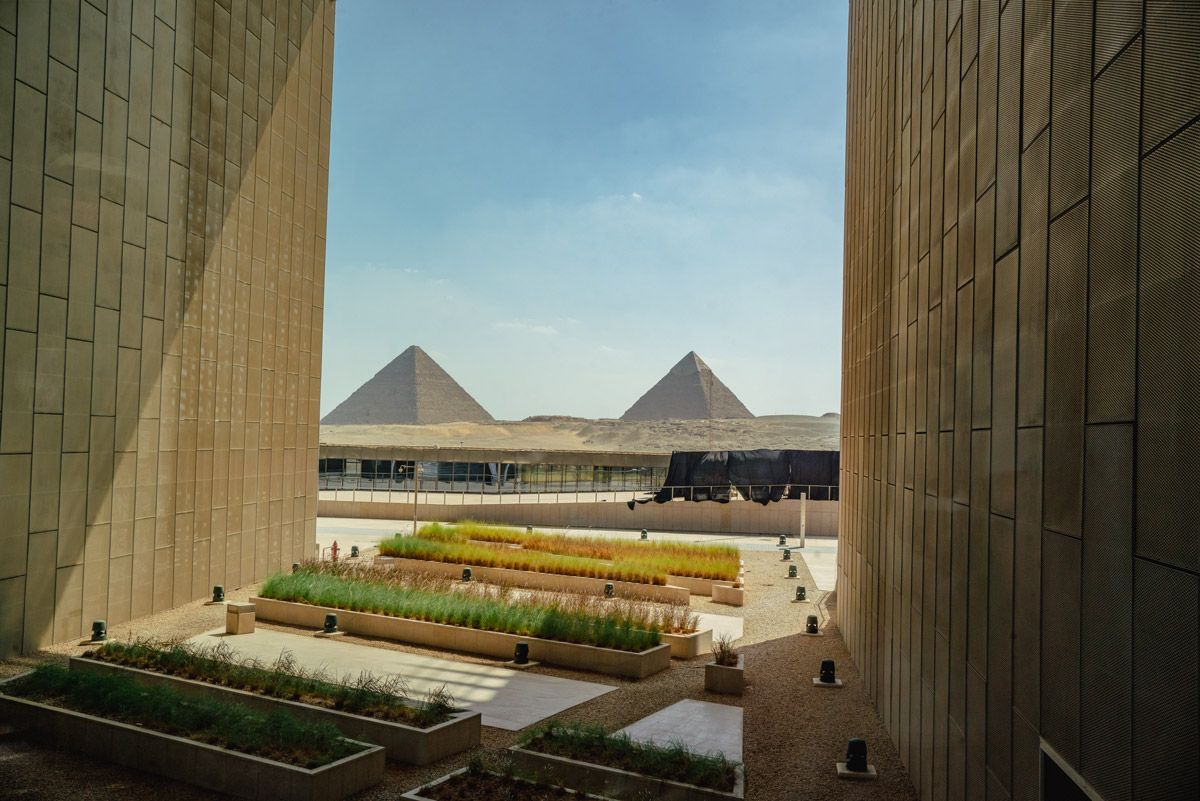
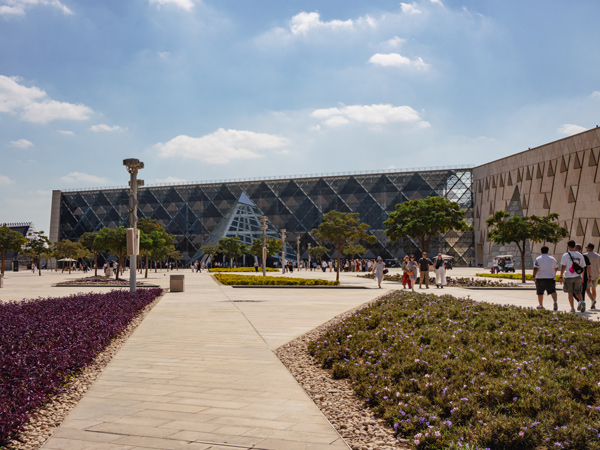
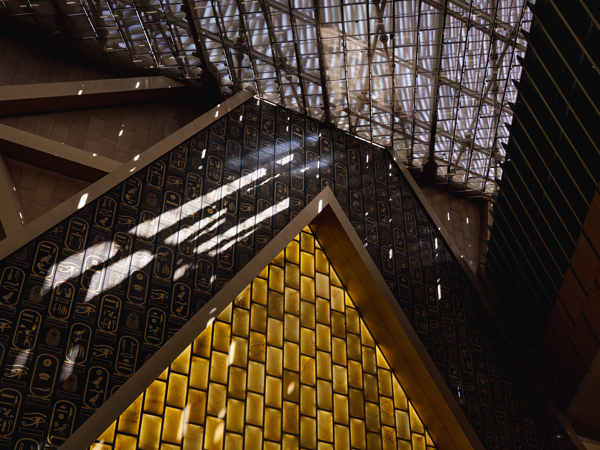
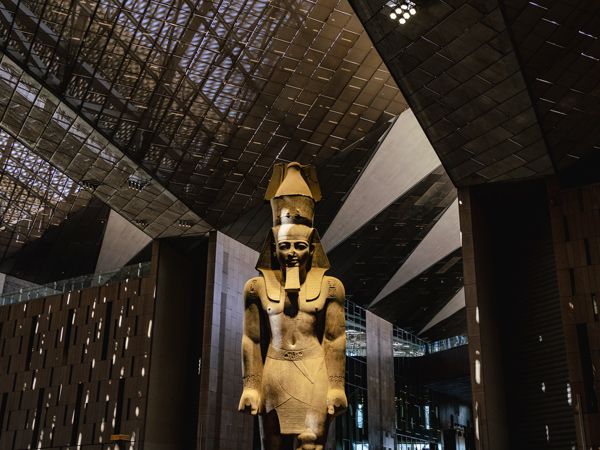
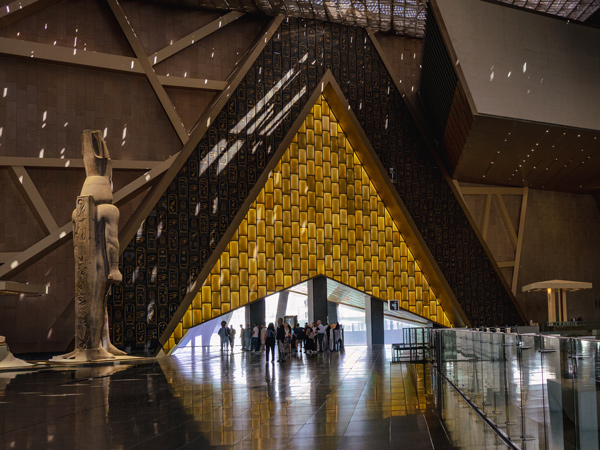
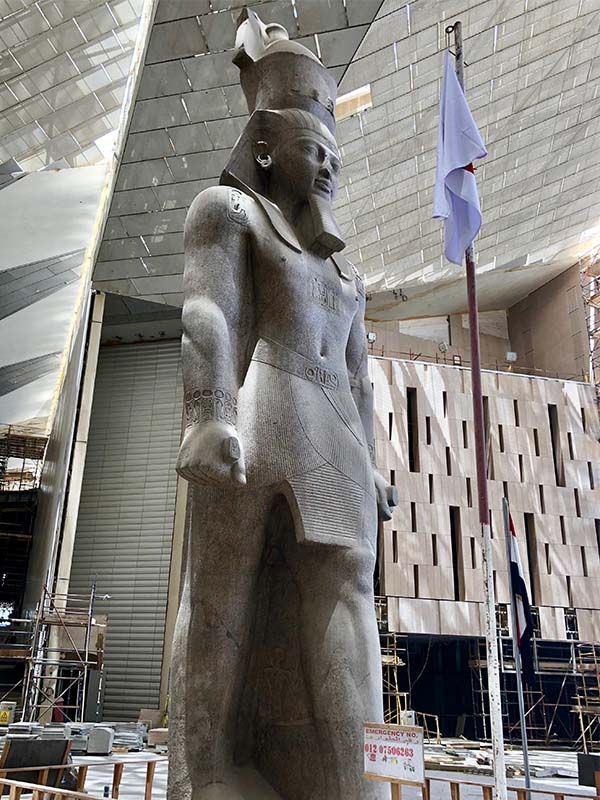
But the exciting discovery of the tomb is not the only thing that’s stoking intrigue in this cradle of ancient civilisation. The Grand Egyptian Museum (GEM) has finally opened its doors after more than a decade of anticipation. Parts of the museum opened in 2024, with the rest set to officially open in July 2025. GEM contains over 100,000 artifacts from ancient Egyptian civilization, as well as a complete collection of Tutankhamun artefacts, many of which will be on display for the first time.
Can you visit the tomb?
You can’t visit the new tomb of Thutmose II yet. However, you can see his mummified body, which is housed in The National Museum of Egyptian Civilization.
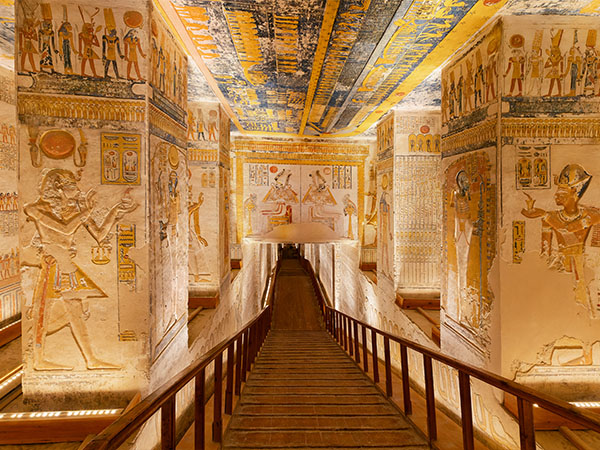
Although Thutmose II’s newly discovered tomb is not open to the public, some incredible tombs in the Valley of the Kings are. For example, the tomb of Seti I is widely regarded as one of the most striking tombs in the valley, boasting elaborate decorations throughout the vaulted structure that digs deep underground. Discovered in 1817, this tomb offers visitors a glimpse into the beauty and sophistication of ancient Egyptian burial practices.
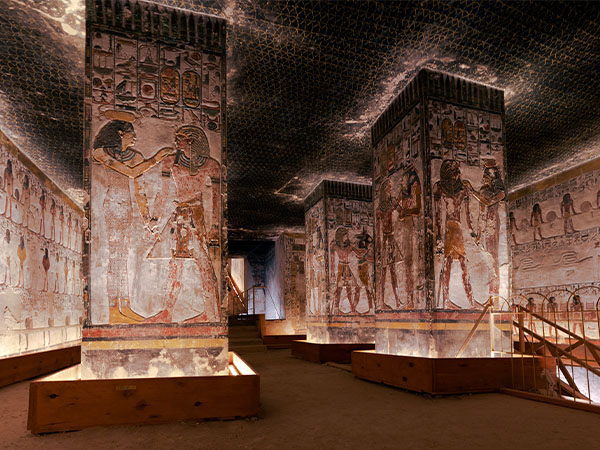
The legendary tomb of Tutankhamun is a must-see for obvious reasons, and the tomb of Ramses VI is resplendent in remarkably well-preserved hieroglyphs and New Kingdom paintings. Ultimately, Ancient Egypt will always capture our imagination. But the discovery of a new tomb and a major museum opening is revitalising its allure. A century after the discovery of King Tut sparked Tut-mania, Thutmose II is finally stepping into the limelight, too.
Want to see more stories from International Traveller in your Google search results?
- Click here to set International Traveller as a preferred source.
- Tick the box next to "International Traveller". That's it.