hero media

10 exquisite riads in Marrakech

Be it traditional, ultra-luxe or part of a new wave of design-led digs in the city, a stay at a riad is a quintessential Marrakech experience.

Visitors to Marrakech will almost certainly come across riads – traditional Moroccan houses – when looking for somewhere to stay. Often hidden in a maze of souks and alleyways in the medina, or old walled city, they’re oases amid the hubbub, with garden courtyards, water features, rooftop terraces, sitting areas and fine craftsmanship throughout.

Note however, their enclosed nature means rooms can sometimes lack privacy, windows and light, and may not be suitable for families. But for a home-away-from-home experience with charm, step through.
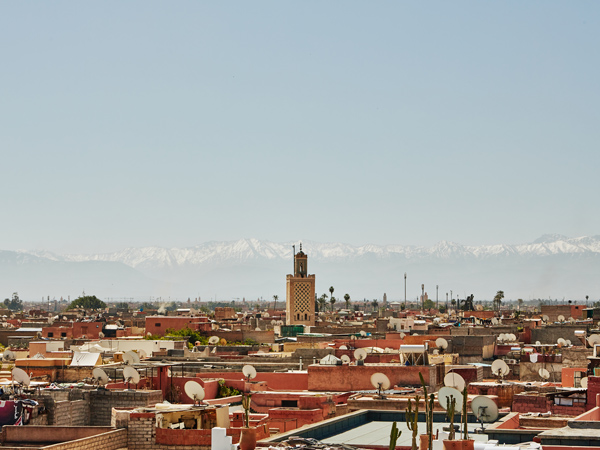
the cityscape of Marrakech
A stay at a riad is a quintessential Marrakech experience. (Image: Mitchell van Voorbergen)

1. El Fenn

Madonna celebrated her 60th birthday at El Fenn, while Katy Perry and Gwyneth Paltrow have also spent nights in its eye-popping rooms.
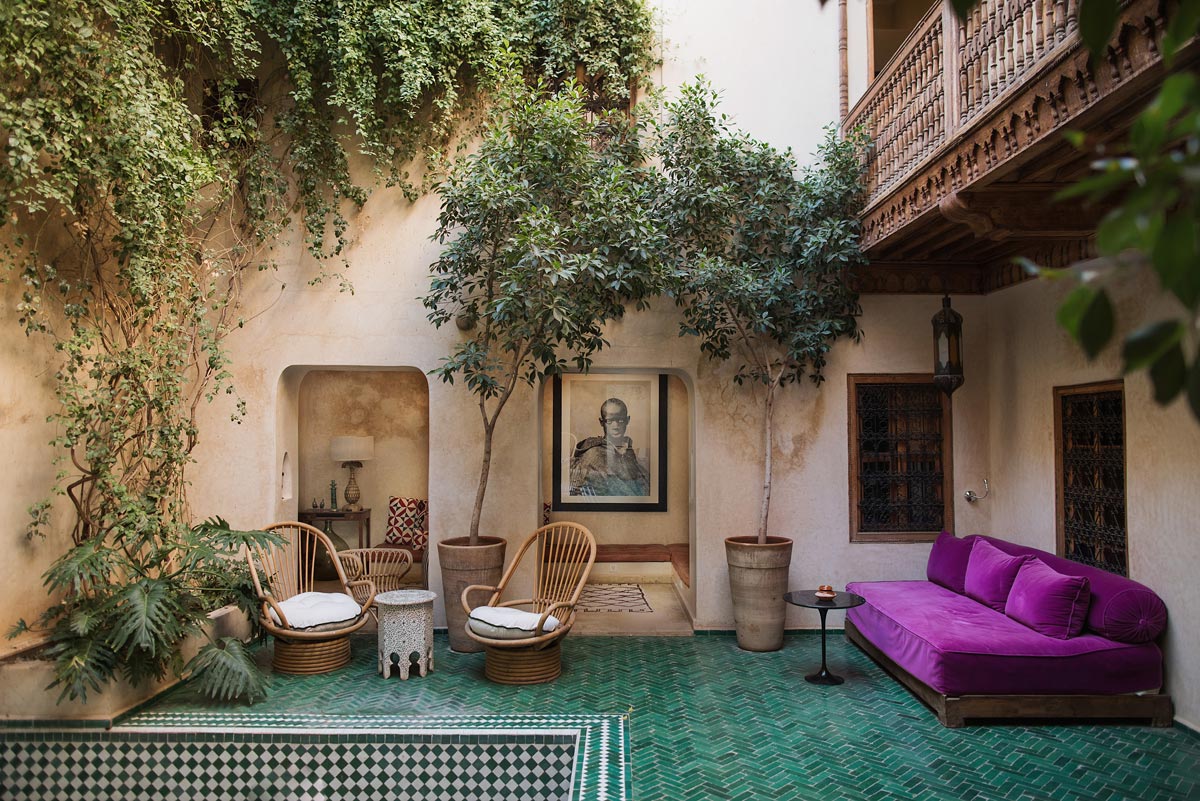
the stylish interior of El Fenn
El Fenn embodies style and sophistication. (Image: Igor Demba)

Co-owned by Vanessa Branson, Richard Branson’s sister, this rock star of a riad turns 20 this year but keeps things fresh with the addition of 10 new rooms.
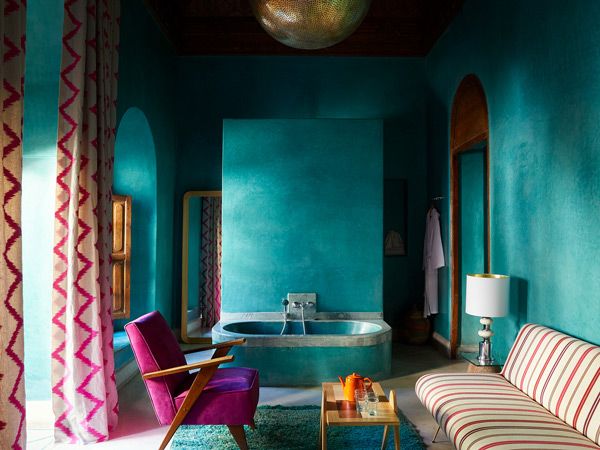
a chic-styled room at El Fenn
El Fenn has 41 uniquely styled rooms. (Image: Kasia Gatkowska)

The expansive rooftop features a lap pool and popular restaurant and bar.
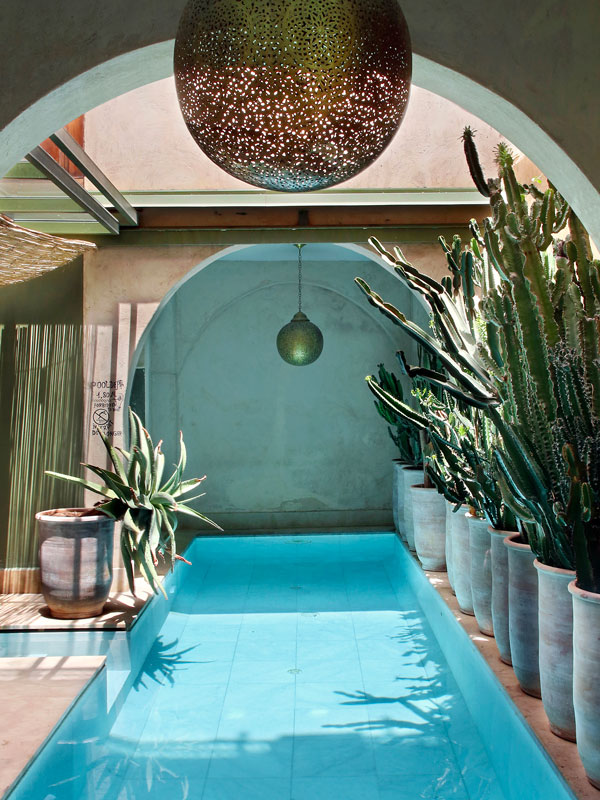
the Cécile Treal Spa in El Fenn
Swim in the rooftop lap pool.

Art is a highlight, as is the ability to take a taxi straight to its doors, no mean feat in the city.
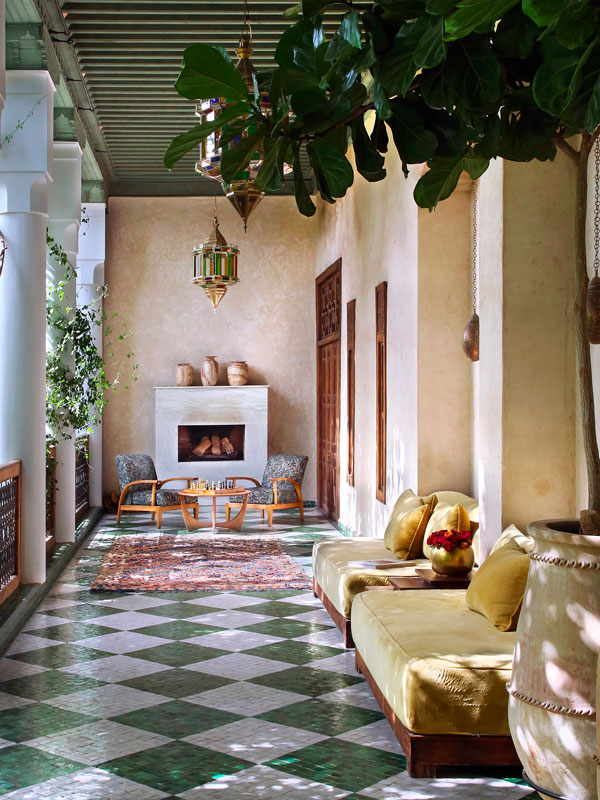
the interior of Cécile Treal Couloir at El Fenn
Madonna, Katy Perry and Gwyneth Paltrow are among the celebrities who have stayed at El Fenn.

2. Rosemary

Rosemary was about to launch when a devastating earthquake hit in 2023. Luckily, it survived largely unscathed to emerge as one of the most stylish lodgings in Marrakech.

Founded by Belgian artist Laurence Leenaert and her design studio LRNCE, the riad is a chic escape of just five rooms that celebrates Moroccan craftsmanship. Nearly everything is handmade, from the ceramics and textiles to the furniture, zellige tiles, tadelakt plaster walls and carved doors.
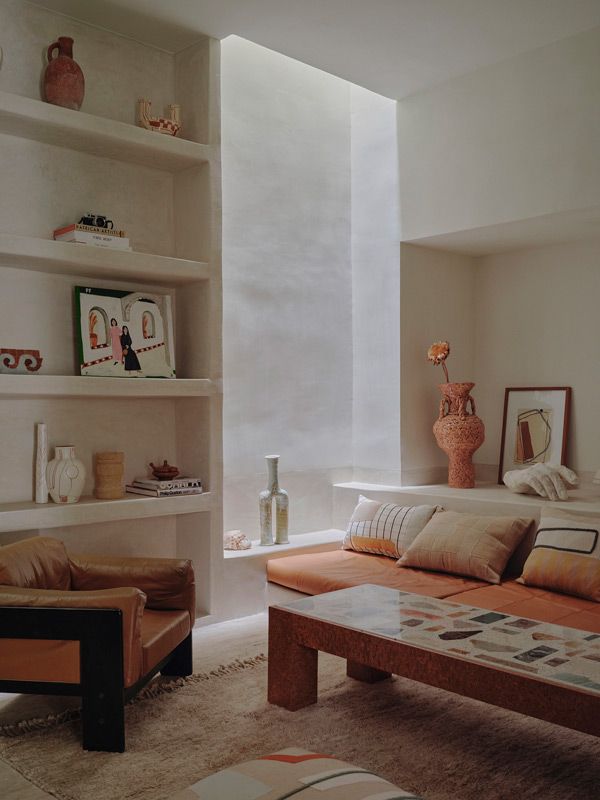
the interior of a five-room boutique riad in Rosemary, Marrakech
Rosemary is a chic escape of just five rooms that celebrates Moroccan craftsmanship.

3. IZZA

Opening in late 2023, IZZA is as much a tranquil retreat as it is somewhere to mingle with fellow travellers. Inspired by American interior designer and hedonist Bill Willis, who sought out Marrakech’s jet set, the 14 rooms are named after friends such as Grace Jones and Yves Saint Laurent.
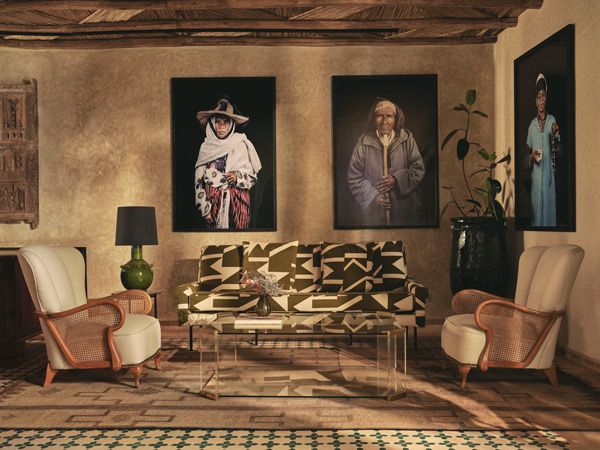
Art Les Marocains by Leila Alaouiin at Izza reception
Contemporary art lines the walls at IZZA.

Its collection of contemporary art and NFTs is noteworthy, with works from the likes of French-Moroccan photographer Leila Alaoui and digital artist Refik Anadol.
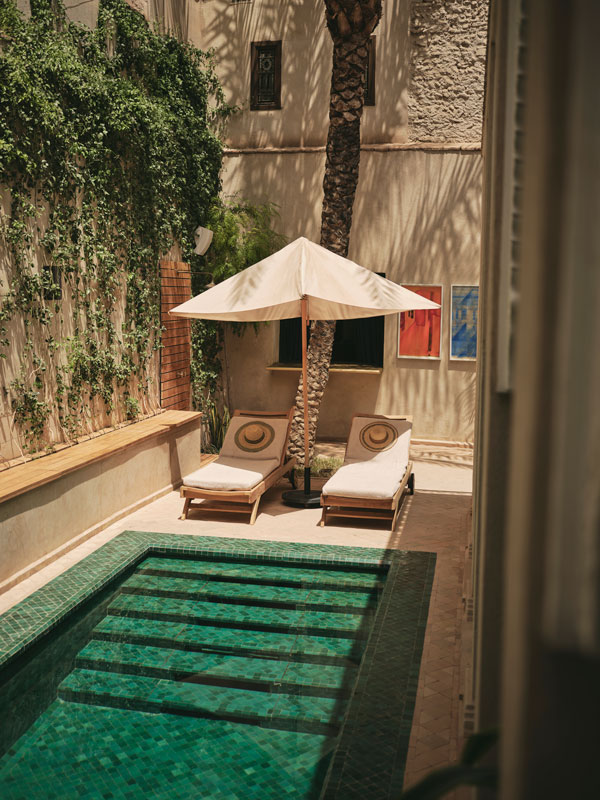
the main pool at Izza
Cool off at IZZA’s swimming pool.

4. La Sultana

More is more at La Sultana, which fully embraces the Moroccan love of ornamentation.
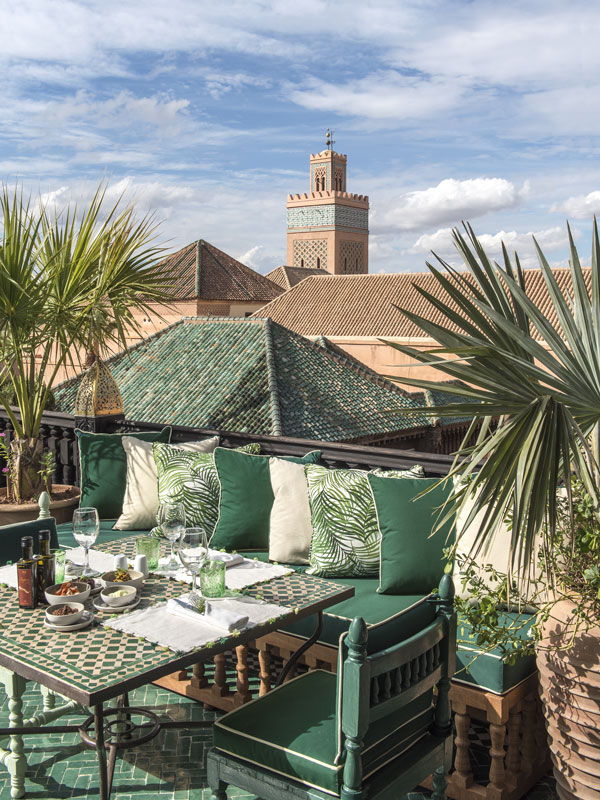
the rooftop restaurant at La Sultana
Dine at the rooftop restaurant at La Sultana.

Every inch of the restored former palace has decorative flourishes, from carved columns and arches in marble and timber to zellige tiled floors and animal murals in the 28 flamboyant rooms.
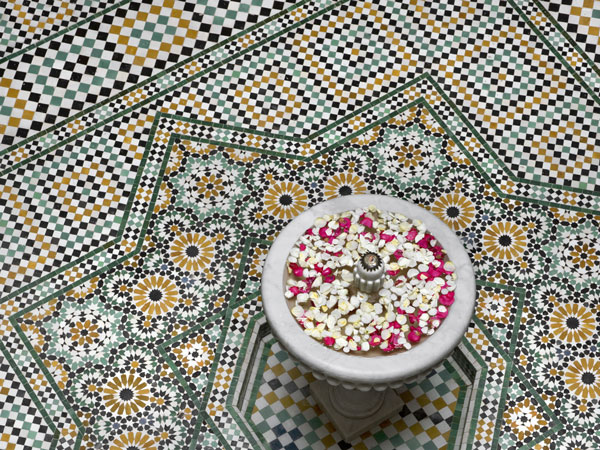
a fountain and water basin in the Saida courtyard, La Sultana, Marrakech, Morocco
Every inch of the restored former palace has decorative flourishes.

Expect five-star hotel facilities, including a fine rooftop restaurant and bar, and one of the best spas in town.

Hidden in the historic Kasbah quarter, the staff in red capes signal that you’ve arrived.
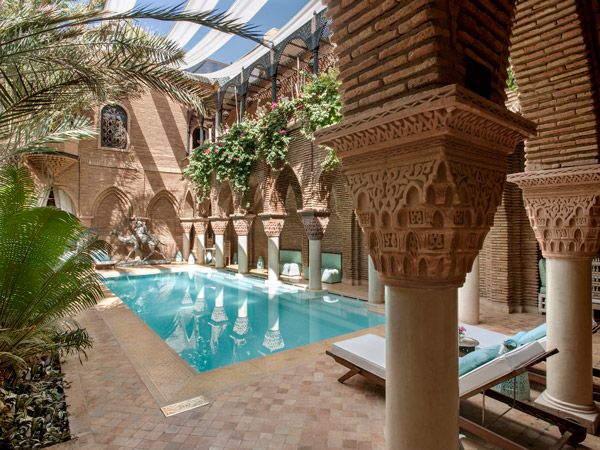
a former palace turned into a riad
This riad is housed in a former palace.

5. L’Hotel

British fashion and interior designer Jasper Conran’s first foray into hotels is a discreet study in good taste. A base palette of black and white is overlaid with splashes of colour in textiles, cushions and rugs, along with art and antiques from his own collection. Each one of the six romantic suites features four-poster beds with voile drapes and sitting areas that overlook the courtyard or scented garden and heated pool.
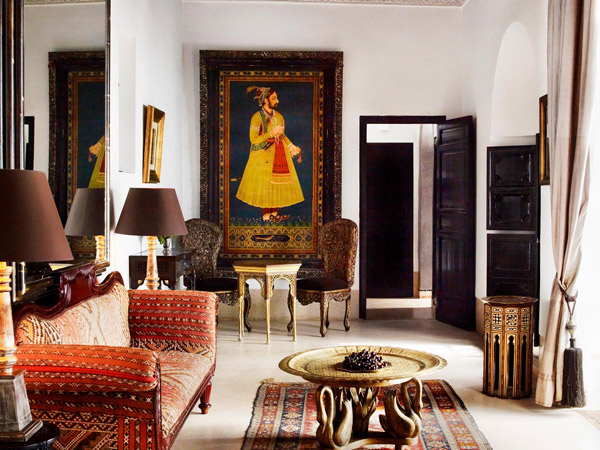
the interior of L Hotel
L’Hotel brings elegant design touches to a 19th-century riad.

6. Tarabel

Moorish architecture meets French Empire style at Tarabel, a chic haven of just 10 keys in muted tones of grey, taupe and cream. Entry-level rooms are compact, so opt for a junior suite or higher, which might come with twin claw-foot tubs or double showers.

Relax poolside or treat yourself to the spa hidden behind a secret mirrored door. Guests are well catered for by a chef and can dine in atmospheric locations around the property.
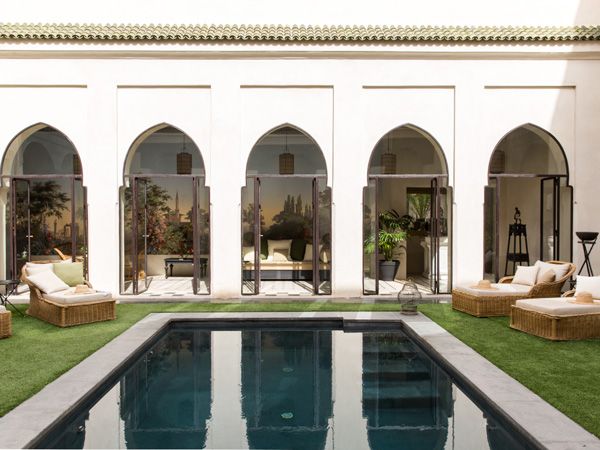
the pool at Tarabel
Moorish architecture meets French Empire style at Tarabel.

7. Le Farnatchi

Be in the thick of the action yet away from it all at Le Farnatchi, a 10-suite hotel among the medina’s souks and restaurants. The spacious property’s homely comforts, local flavour and international sophistication attracts discerning guests.
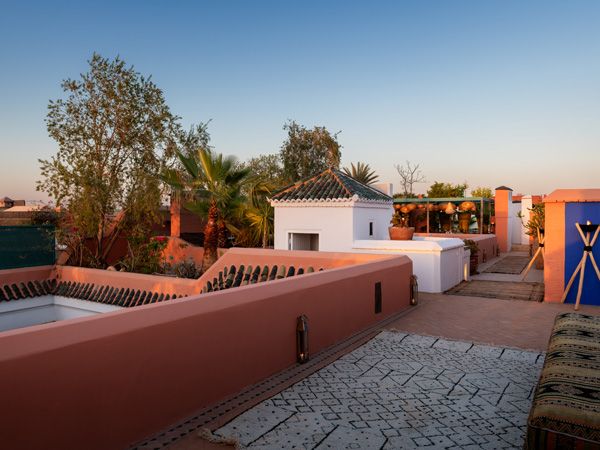
the Le Farnatchi’s rooftop
Relax on Le Farnatchi’s rooftop. (Image: Alan Keohane)

Its restaurant – Le Trou Au Mur – is one of the best in town, serving Moroccan fare alongside burgers, pies and curry. And the spa is lovely, too. The riad is associated with Wix Squared, one of the city’s top tour agencies.
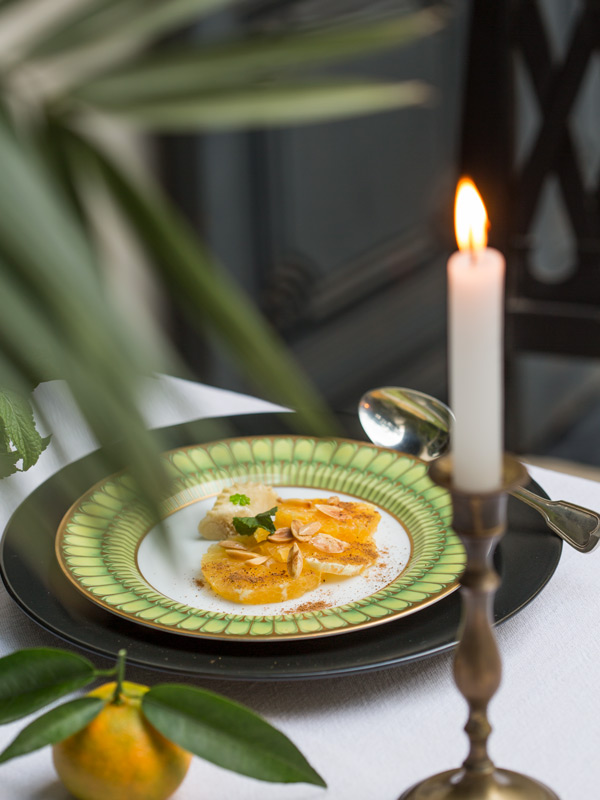
a close-up shot of food in Marrakech, Le Trou Au Mur
Devour delights whipped up by the onsite chef.

Weekly travel news, experiences
insider tips, offers,
and more.

8. Royal Mansour

No expense has been spared at Royal Mansour, the King of Morocco’s ultra-luxe hotel where guests are housed in their own private riad. Built as a medina within the medina, each of the 53 riads offers three floors of palatial living, including a rooftop terrace with plunge pool and views of the Atlas Mountains.
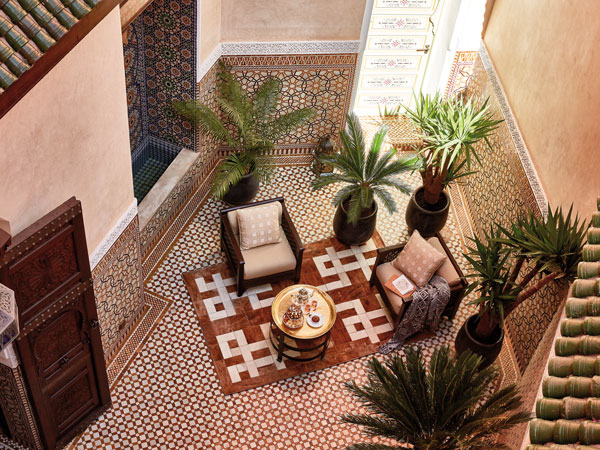
the Royal Mansour’s guests stay
Royal Mansour’s guests stay in three-storey private riads.

The four restaurants, ranging from French to Italian and Moroccan, are destinations in themselves, as is the heavenly spa, spread over 2500 square metres.
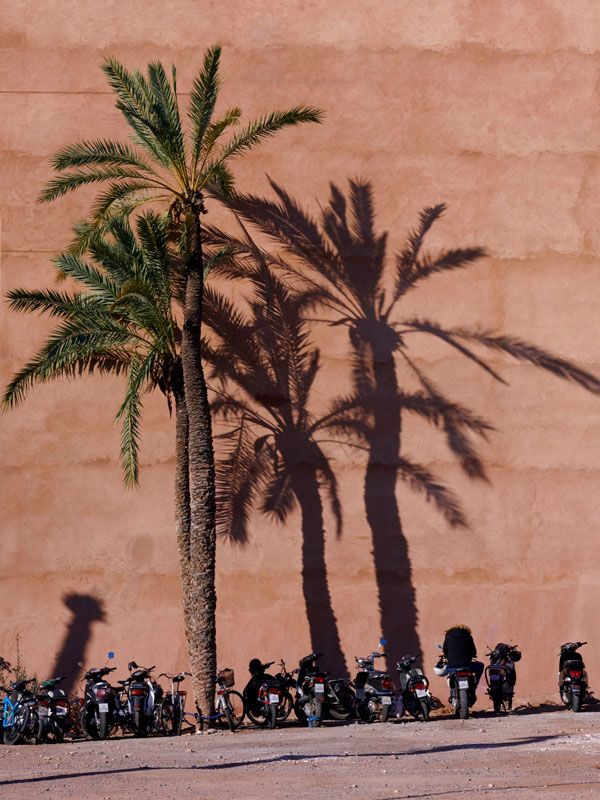
palm trees in the background
Seek shade. (Image: Asia Gatkowska)

Add expansive, manicured gardens and a gorgeous pool set amid palm groves, and you’ll never want to leave.
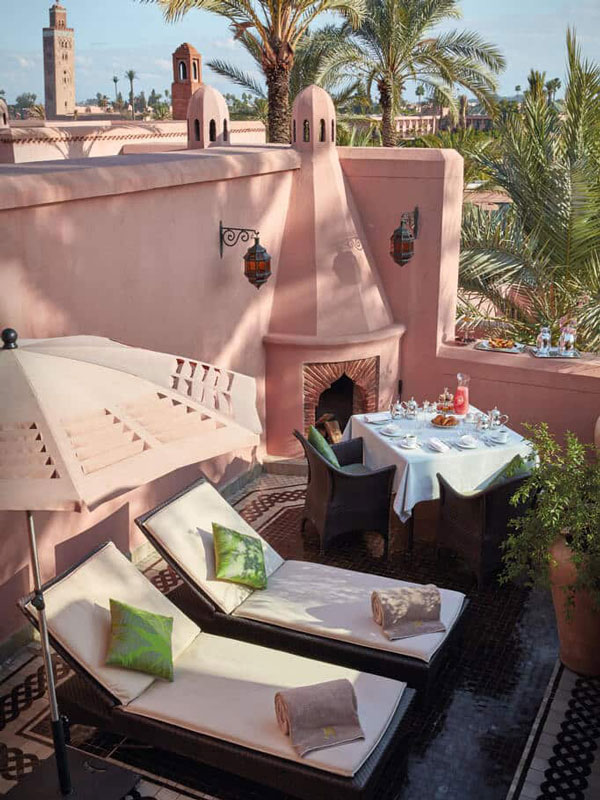
sunbeds in Royal Mansour
Royal Mansour blends traditional design with luxury.

9. Riad Kniza

Most of Marrakech’s riads are owned by foreigners, but Riad Kniza is an opulent exception. Haj Mohamed Bouskri is one of the city’s most renowned antiques dealers and puts his talents to beautiful effect in the riad’s 11 rooms and public spaces.

Think rich textiles, finely crafted objects and collectibles. The restaurant serves classic Moroccan cuisine, and the spa offers traditional treatments. Bouskri is also a top tourist guide and can give guests the inside scoop on his home city.
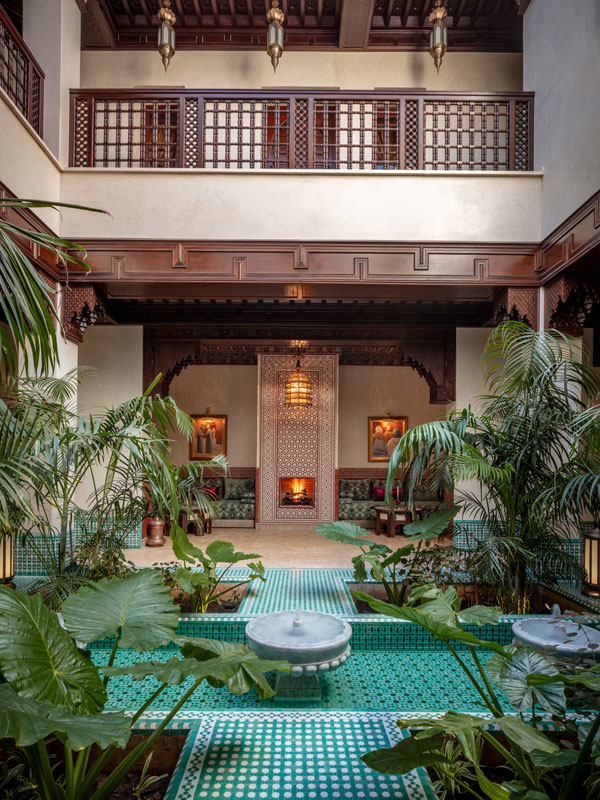
the pool at Riad Kniza
Riad Kniza is a locally owned stay in the heart of the medina.

10. Mandarin Oriental, Marrakech

The Mandarin Oriental is a riad-inspired hotel set amid 20 hectares of landscaped gardens 10 minutes away from the medina. Villas are huge, starting at nearly 300 square metres, with oodles of indoor and outdoor living space, private pool, fireplace and butler service.
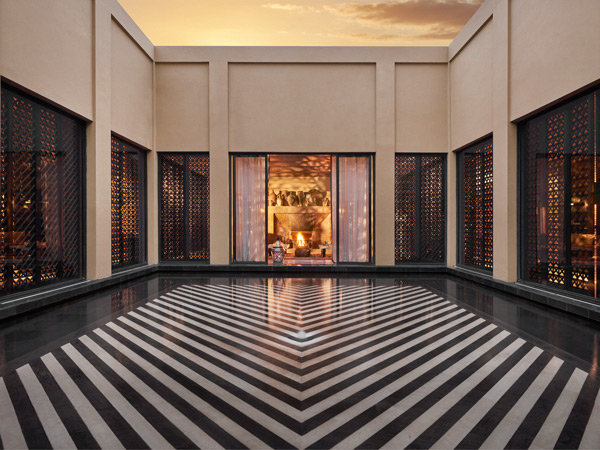
the Marrakech Spa Fountain at Mandarin Oriental
Rejuvenate at Mandarin Oriental.

Unlike traditional riads, the Mandarin Oriental is very family-friendly, with interconnecting suites and villas and a kids’ club complete with resident farm animals.
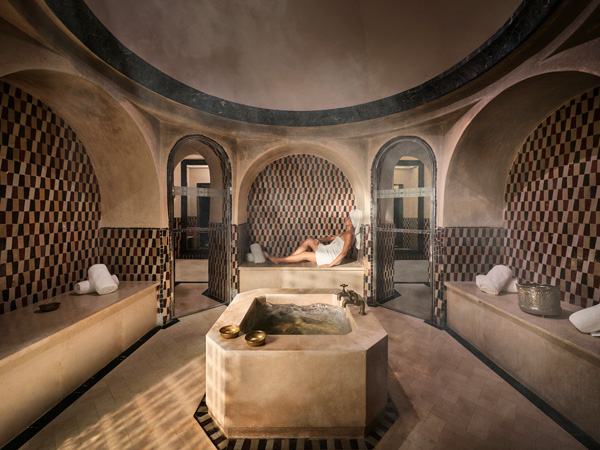
the traditional Moroccan hammam in Marrakech
Bathe in the traditional Moroccan hammam.

Restaurants serving Silk Road and Chinese cuisine are worth a detour, as is the fantastic spa.
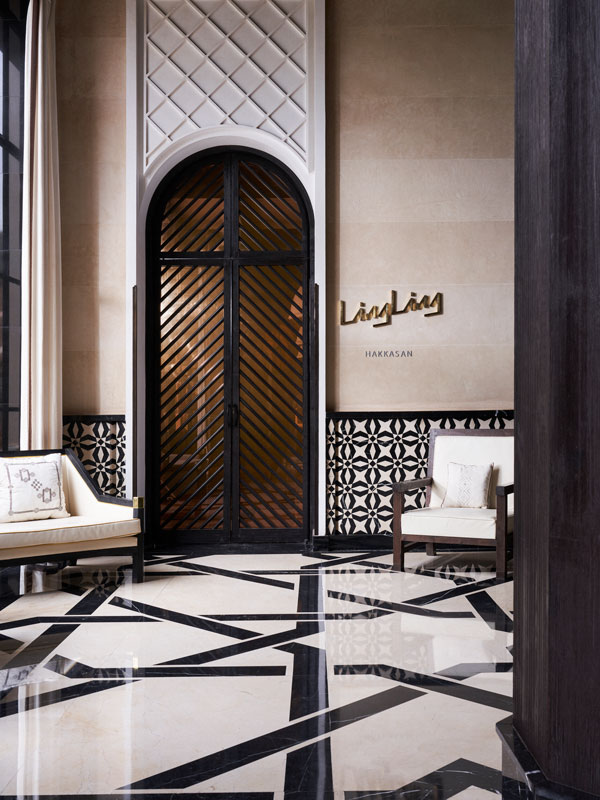
the entrance of Marrakech Dining Ling Ling
Mandarin Oriental is a sprawling property with Asian influences. (Image: Manolo Yllera)

Want to see more stories from International Traveller in your Google search results?

  1. Click here to set International Traveller as a preferred source.
  2. Tick the box next to "International Traveller". That's it.
hero media

At the foot of the pyramids, Egypt finally tells its own story

    Ancient Egyptian history has been scattered across the globe for decades, admired, preserved, and studied, but it’s rarely seen where it actually belongs. The newly opened Grand Egyptian Museum (GEM) brings it home.

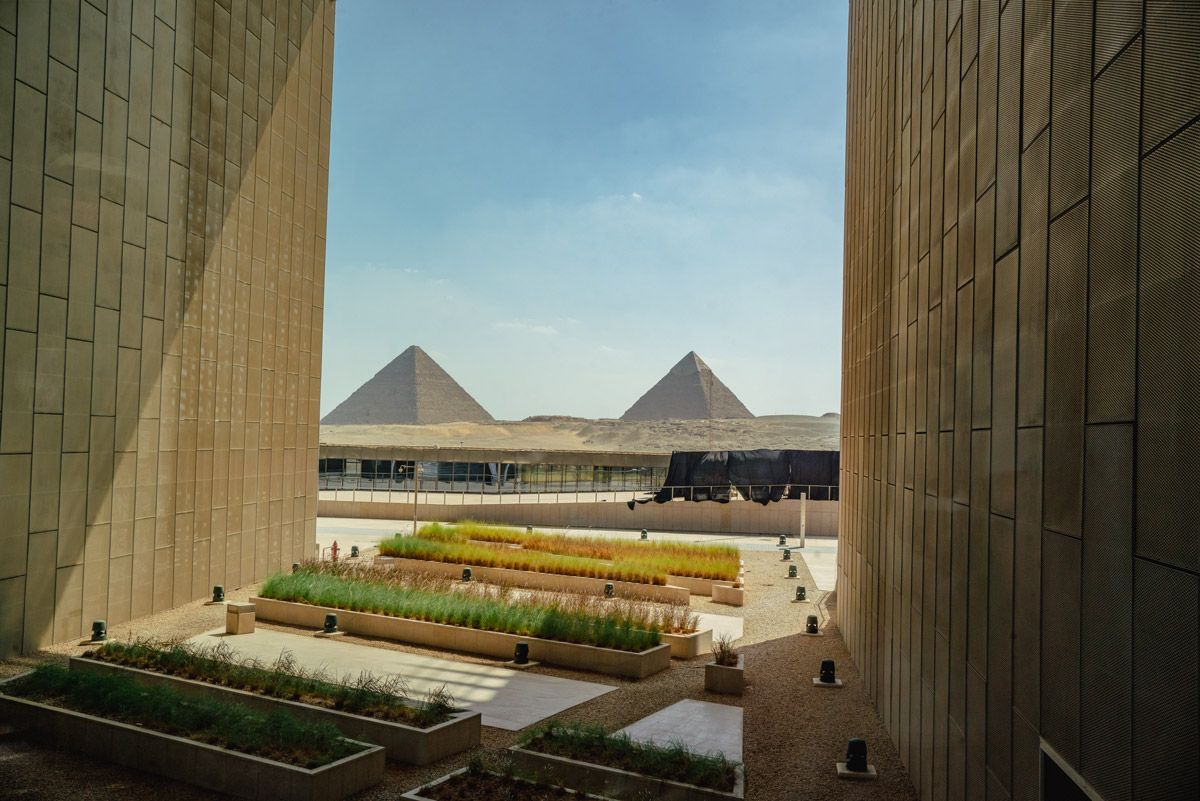
    From a viewing platform inside the Grand Egyptian Museum, the Great Pyramids of Giza rise from the desert, and for a moment, it feels like modern Egypt and ancient Egypt are shaking hands. The museum, grand in name and reality, has been a long time coming—since 1992, to be exact. Towering pharaohs, relics, and entire chapters of civilisation are on display here, all in full view of the pyramids. And because the GEM is the largest archaeological museum in the world dedicated to a single civilisation, it gets to tell Egypt’s story through its own voice, something many overseas institutions, understandably, haven’t quite managed.

    Reshaping Giza

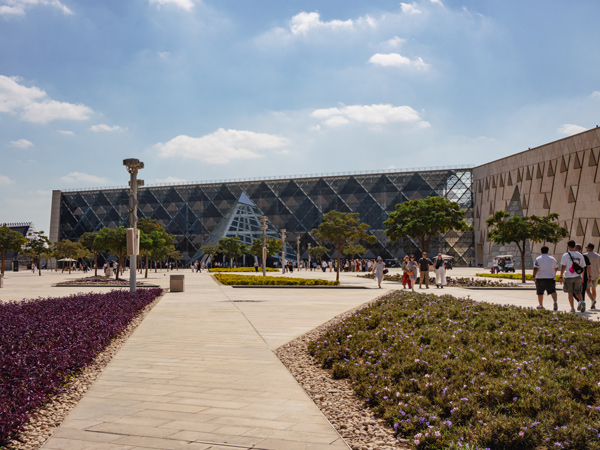
    GEM entrance and gardens
    The GEM holds its own commanding position. (Image: Natasha Bazika)

    You might expect any building beside the Great Pyramids of Giza to fade into the background, but the GEM doesn’t bow to its famous neighbours. Perfectly aligned on the same axis and vast enough to span 70 football fields, the museum is less of an addition to Giza and more of a marker of the shift from a gateway to a cultural district.

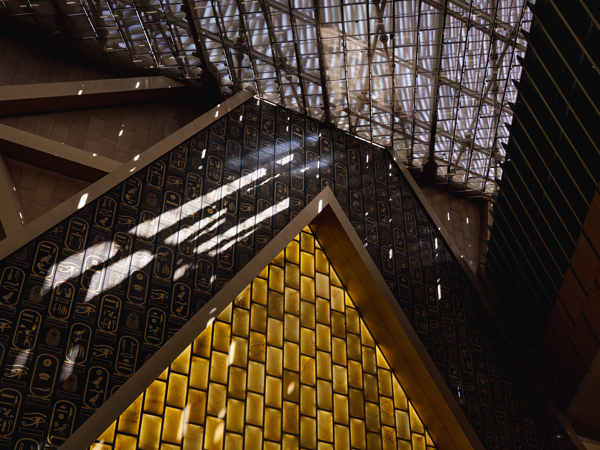
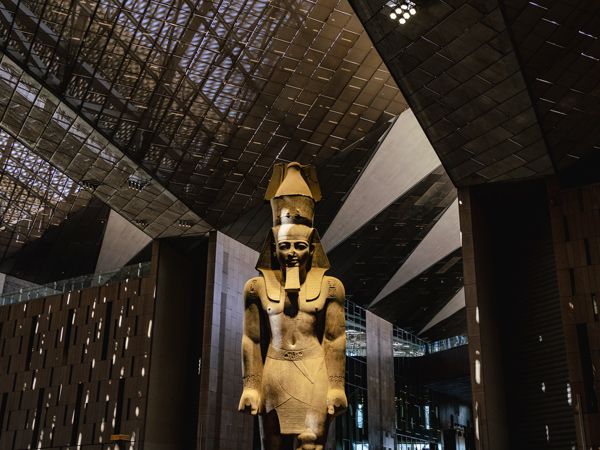
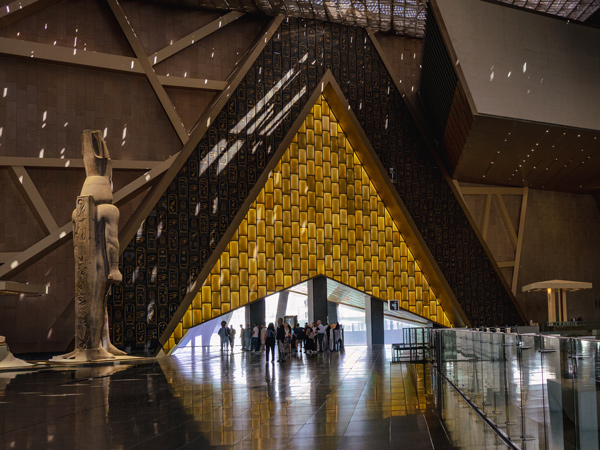
    Inside, hieroglyphs carved from alabaster sweep across the walls and triangles appear everywhere, yet it’s a 3,200-year-old, 11-metre-tall, statue of Ramesses II who commands the room. His scale dictated the soaring atrium ceilings, which pour in natural light, unusual in museums but safe for the stone artefacts displayed.

    Hieroglyphs line the walls of the main entrance of the GEM
    Hieroglyphs line the walls of the main entrance. (Image: Natasha Bazika)

    Unlike many museums, the GEM has really considered how visitors move through it. The six-storey grand staircase leads you chronologically through Egypt’s history, from the Predynastic era to the Coptic period, flanked by statues that grow in scale and complexity as you climb. Elevators and lifts run alongside, keeping the journey accessible to everyone.

    At the top, a viewing wall frames the pyramids before you enter the main gallery to see artefacts rarely seen outside tombs, including the complete contents of Tutankhamun’s tomb, a highlight for many visitors.

    Pharaohs, artefacts and everything in between

    The GEM's showpiece Ramesses II
    The GEM’s showpiece Ramesses II. (Image: Natasha Bazika)

    The GEM holds around 100,000 artefacts across seven millennia, but the experience is entirely modern. Digital panels, QR navigation and clear bilingual signage make self-guided wandering easy, while short, glare-free labels in English, Arabic and braille are colour-coded to move you from broad themes to object-level detail.

    That said, a guide adds context you don’t get from a panel. I was lucky to have Essam Al Ebd Aziz, an Egyptologist, on board a 12-day Uniworld Nile cruise, walk me through some of the museum’s standout pieces.

    Top of the list is, of course, the Tutankhamun exhibit. Almost everything from his tomb, much of it never shown outside the Valley of the Kings, is here, from his golden funerary mask to delicate jewellery and ceremonial objects. But the GEM isn’t just about one boy king.

    GEM entrance is guarded by an 11-metre-tall Ramesses II statue.
    An 11-metre-tall Ramesses II statue guards the entrance. (Image: Natasha Bazika)

    Essam points out the canopic chest of Hetepheres, mother of Khufu, where her organs were stored in alabaster. I loved the forty little marching soldier figurines from the tomb of Mesehti, all lined up and hanging on a wall. And then there’s the statue of Metri, a scribe, with piercing blue eyes carved from lapis lazuli. All these pieces, and thousands more, now sit under one roof. And for the first time, people can see Egypt’s history in one place, told in its own voice, without leaving the shadow of the pyramids. That alone changes everything.